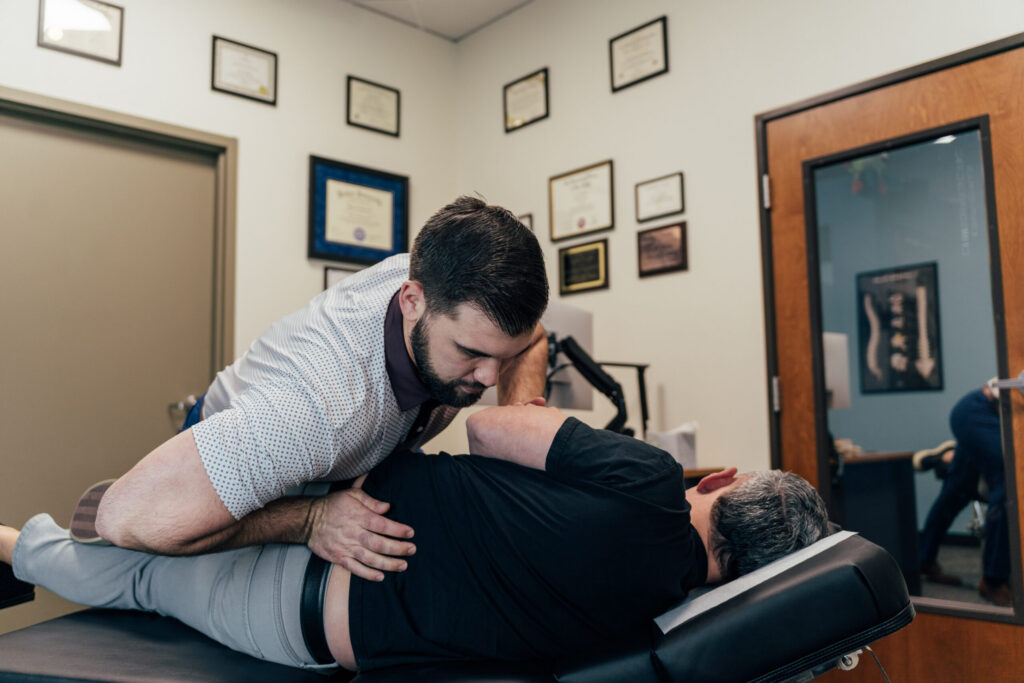

If you want to enhance your mobility and flexibility, it's essential to start with a well-rounded approach. You might consider integrating dynamic stretches into your warm-up routine, engaging in strength training to build core stability, and exploring practices like yoga or Pilates for better posture. But that's just the beginning; understanding how to listen to your body's signals can lead to even greater improvements. Curious about the specific techniques and daily habits that can make a real difference?
Understanding Mobility and Flexibility
Understanding mobility and flexibility is key to enhancing your overall physical performance. Mobility refers to your ability to move freely and easily through a range of motion, while flexibility pertains to the elasticity of your muscles and connective tissues. Both aspects play essential roles in your daily activities, athletic performance, and injury prevention.
You might think of mobility as the foundation of movement. When your joints and muscles function at their best, you can execute movements with precision, whether you're running, lifting, or just going about your day. Improving mobility helps you maintain proper posture and body alignment, reducing stress on your joints and muscles. It allows you to perform tasks more efficiently and with less fatigue.
On the other hand, flexibility is about how much your muscles can stretch. It's vital for achieving a full range of motion and can greatly impact your performance in various sports. Tight muscles can limit your capabilities, leading to poor performance or even injuries. When you focus on enhancing your flexibility, you can improve muscle coordination and balance.
To boost both mobility and flexibility, incorporate dynamic stretches and mobility exercises into your routine. These activities can help you prepare your body for movement, making your workouts more effective.
Importance of Warm-Up Routines
Warm-up routines are essential for maximizing mobility and flexibility before any physical activity. They prepare your body for the demands of exercise by gradually increasing your heart rate and blood flow to your muscles. By incorporating a warm-up routine, you're not only setting the stage for a more effective workout but also reducing the risk of injury.
When you warm up, you're loosening your muscles and joints, making them more pliable and responsive. This increased flexibility can lead to improved performance in your chosen activity, whether it's running, weightlifting, or playing a sport. A good warm-up can also enhance your range of motion, allowing you to execute movements more effectively.
Additionally, warming up mentally prepares you for the workout ahead. It gives you a moment to focus and get into the right mindset, which can greatly impact your performance. You'll find that you're more in tune with your body, making it easier to gauge your limits and adjust your intensity accordingly.
A proper warm-up typically consists of light aerobic activity followed by dynamic movements that mimic the exercises you plan to perform. This progressive approach helps your body shift smoothly into more intense activity, ensuring that all systems are ready to go.
Dynamic Stretching Techniques
Dynamic stretching techniques are a powerful way to enhance your mobility and prepare your body for physical activity. Unlike static stretches, which hold a position for an extended time, dynamic stretching involves continuous movement, helping to increase blood flow and activate the muscles you'll use during your workout.
To start, try leg swings. Stand next to a wall or a sturdy surface for balance. Swing one leg forward and backward, gradually increasing the range of motion. Do this for 10-15 swings on each leg.
Next, incorporate walking lunges. Step forward into a lunge, ensuring your front knee stays behind your toes, then push off the front foot to return to a standing position. Alternate legs for about ten lunges.
Another effective technique is arm circles. Stand with your arms extended out to the sides and make small circles, gradually increasing their size. Do this for about 30 seconds, then switch directions.
High knees can also be beneficial. Jog in place while lifting your knees toward your chest, pumping your arms to create momentum. Aim for 30 seconds.
Lastly, don't forget torso twists. Stand with your feet hip-width apart and gently rotate your torso from side to side. This helps loosen up your spine and core muscles.
Incorporating these dynamic stretches into your warm-up routine will greatly boost your flexibility, prepare your muscles, and reduce the risk of injury.
Make these techniques a regular part of your preparation, and you'll notice improved performance in your physical activities.
Incorporating Strength Training
While dynamic stretching prepares your muscles for movement, incorporating strength training into your routine builds the foundation necessary for peak performance.
Strength training isn't just about bulking up; it's about enhancing your overall mobility and flexibility. By targeting specific muscle groups, you increase their strength and stability, which directly impacts how well you move. It helps you maintain proper alignment and control during activities, reducing the risk of injury.
When you integrate strength training, consider focusing on the following key areas:
- Core Stability: A strong core supports your spine and pelvis, facilitating better movement patterns.
- Joint Strength: Strengthening the muscles around your joints improves their stability, enhancing your range of motion.
- Balanced Musculature: Working on opposing muscle groups prevents imbalances that can lead to tightness and restricted mobility.
Aim for a balanced strength training routine that includes both major muscle groups and those often overlooked. Incorporate exercises like squats, lunges, and deadlifts, which engage multiple muscles at once.
Don't forget to include resistance bands or weights to challenge yourself as you progress.
The Role of Yoga and Pilates
Yoga and Pilates can considerably enhance your mobility and flexibility.
While yoga focuses on lengthening your muscles and improving your range of motion, Pilates strengthens your core, providing a solid foundation for movement.
Integrating both practices into your routine can lead to a more balanced and agile body.
Yoga Benefits for Flexibility
Flexibility is key to maintaining a healthy, active lifestyle, and incorporating practices like yoga and Pilates can greatly enhance your range of motion.
Yoga specifically targets flexibility by combining stretching with mindful breathing, allowing your body to gradually release tension. You'll not only improve your physical flexibility but also enhance your mental focus.
Through various poses, yoga helps you stretch and strengthen your muscles, leading to improved overall flexibility.
Here are some benefits of practicing yoga for flexibility:
- Increased blood flow: Yoga poses encourage circulation, which helps to nourish your muscles and joints.
- Improved posture: Regular practice can align your body properly, reducing strain and enhancing mobility.
- Stress relief: The meditative aspect of yoga can alleviate mental tension, allowing your body to relax and stretch more easily.
Pilates for Core Strength
When you're looking to enhance your core strength, Pilates offers a focused approach that complements the flexibility gained from yoga. This method emphasizes controlled movements and proper alignment, helping you build a strong core while improving your overall stability.
In Pilates, you'll engage your abdominal muscles, back, and pelvic floor, creating a solid foundation for all your physical activities. The exercises often incorporate equipment like the reformer, which adds resistance and challenges your muscles in new ways. You might find that your balance and coordination improve greatly, making daily tasks easier and more efficient.
Moreover, Pilates promotes mindful movement, encouraging you to connect your breath with each exercise. This can deepen your awareness of your body's capabilities and limitations, fostering a greater sense of body positivity.
Combining Pilates with your yoga practice can lead to a well-rounded fitness routine. As you build core strength through Pilates, your yoga poses will become more stable and controlled, allowing you to explore deeper stretches and maintain longer holds.
Embrace both practices, and watch your mobility and flexibility flourish!
Foam Rolling for Recovery
Foam rolling serves as an excellent tool for recovery, helping to alleviate muscle soreness and improve overall mobility. By using a foam roller, you can target specific muscle groups, release tension, and enhance blood circulation. This self-myofascial release technique not only prepares your muscles for activity but also aids in post-workout recovery.
When you incorporate foam rolling into your routine, you'll enjoy several benefits:
- Reduced muscle soreness: By rolling out tight spots, you can decrease delayed onset muscle soreness (DOMS) after intense workouts.
- Improved range of motion: Regular foam rolling can help your muscles and joints move more freely, making it easier to perform daily activities and workouts.
- Enhanced recovery: Rolling promotes faster recovery by increasing blood flow and delivering nutrients to your muscles, helping them heal and rebuild.
To get started, find a comfortable spot and choose a foam roller that suits your needs. Begin with major muscle groups like your calves, quads, hamstrings, and back. Roll slowly over each area, pausing on tight spots for 20-30 seconds. This focused attention will help release knots and improve flexibility.
Incorporating foam rolling into your recovery routine doesn't have to be time-consuming. Just a few minutes a day can make a significant difference in how your body feels and performs.
Daily Habits to Improve Flexibility
Incorporating daily habits into your routine can greatly boost your flexibility over time. Start by setting aside just a few minutes each day for stretching. Focus on major muscle groups like your hamstrings, quadriceps, and shoulders. You don't need to spend hours; even ten minutes of dedicated stretching can make a difference.
Next, consider adding dynamic stretches before your workouts. These movements, like leg swings or arm circles, help warm up your body and improve your range of motion. This can prepare your muscles for more intense activity, reducing the risk of injury while enhancing flexibility.
Another effective habit is to maintain a consistent practice of yoga or Pilates. Both disciplines emphasize flexibility and strength, helping you develop a balanced body. Even a couple of sessions per week can yield noticeable improvements in your flexibility.
It's also helpful to integrate stretching into your daily activities. For instance, when you're watching TV, try doing a few stretches during commercial breaks or between episodes. This way, you'll keep your muscles engaged without dedicating extra time.
Hydration plays a vital role too. Drinking enough water keeps your muscles pliable, making it easier for you to stretch. So, make sure you're sipping water throughout the day.
Finally, stay mindful of your posture. Good posture not only prevents stiffness but also supports flexibility. By focusing on these daily habits, you'll notice significant improvements in your flexibility, making movement easier and more enjoyable.
Listening to Your Body
Listening to your body is essential for enhancing mobility and flexibility. Your body sends signals that indicate how it's feeling, and tuning into these messages can help you avoid injury and improve your overall movement.
When you pay attention to how your muscles and joints respond, you can adjust your routines to better suit your needs and avoid pushing yourself too hard.
Here are some practical ways to listen to your body:
- Recognize discomfort: Distinguish between normal fatigue and pain. If something feels off or sharp, it's a sign to stop and reassess your activity.
- Monitor energy levels: Your energy can fluctuate throughout the day. If you're feeling run-down, it might be time to take a break or engage in gentler movements, like stretching or yoga.
- Notice range of motion: Pay attention to how your body moves during exercises. If you feel tightness or a lack of flexibility in specific areas, incorporate targeted stretches to address these limitations.
Conclusion
To genuinely boost your mobility and flexibility, integrate dynamic stretches into your warm-up, focus on strength training, and embrace practices like yoga or Pilates. Don't forget the importance of foam rolling for recovery and stretching daily. Stay hydrated and truly listen to your body's signals to adapt your routine as needed. By consistently applying these strategies, you'll enhance your physical capabilities, making movement easier and more enjoyable in your everyday life.