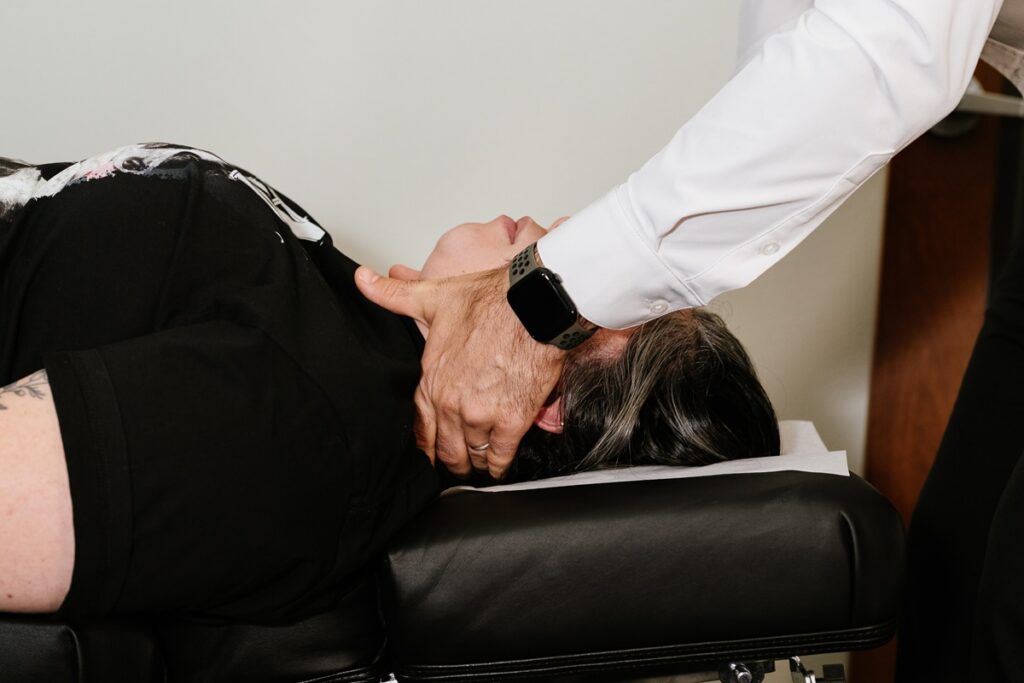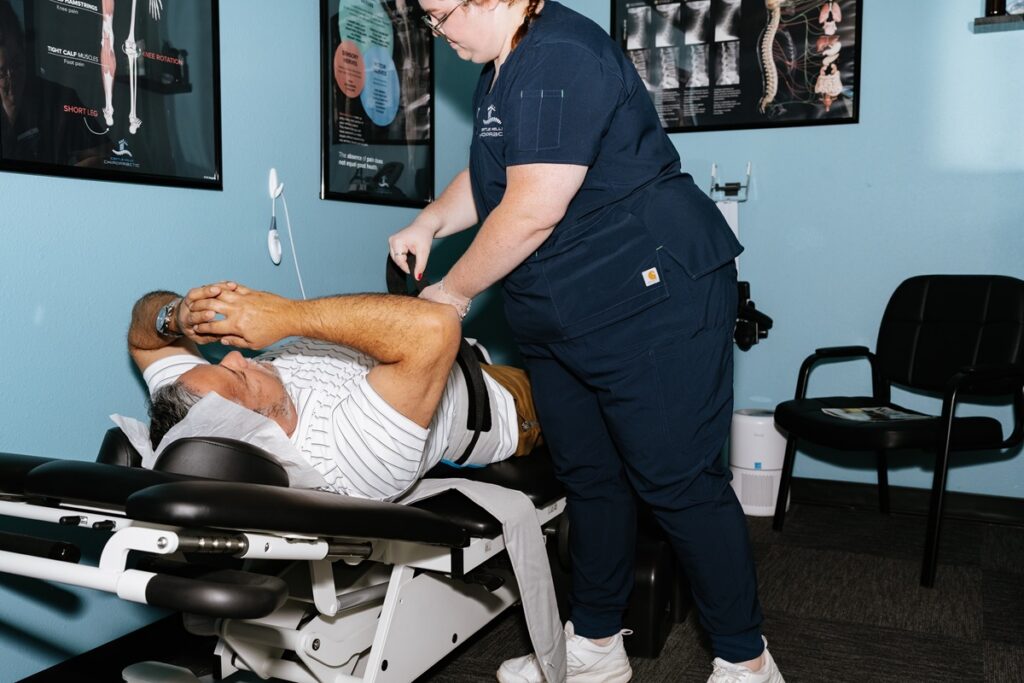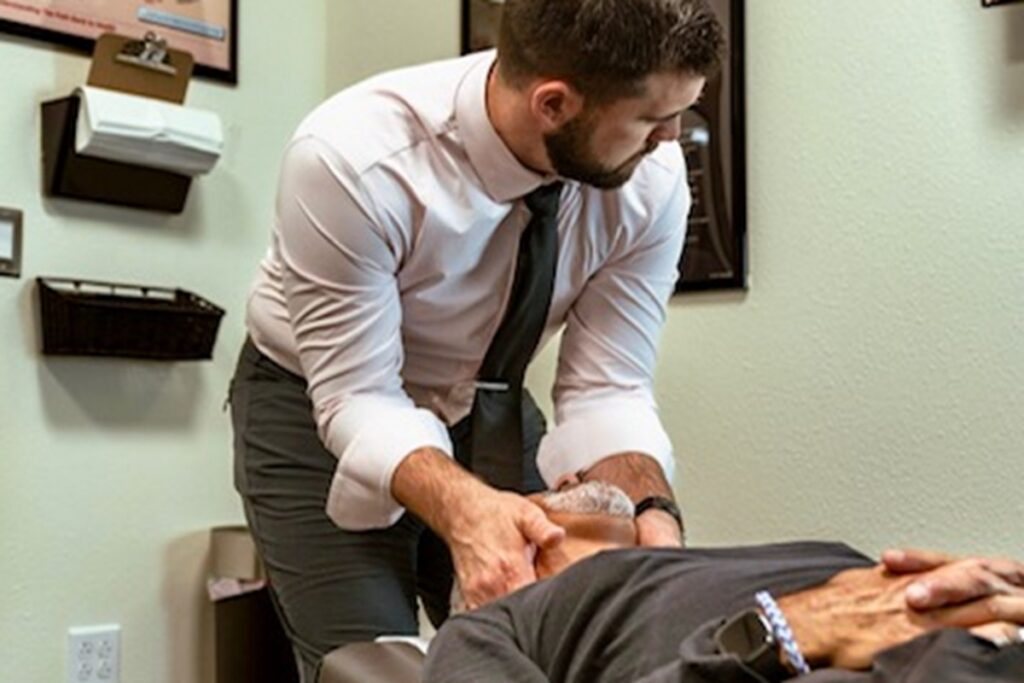

As a local chiropractor, I understand how debilitating neck pain can be. Many of my patients come to me feeling overwhelmed by how even the simplest tasks can become challenging due to discomfort. It's crucial to recognize that relief is possible, and I'd like to introduce you to seven soothing techniques that can help alleviate your neck pain and promote healing naturally.
These methods range from gentle stretches that improve flexibility to mindful breathing exercises that help reduce stress and tension. Each technique can play a significant role in your recovery journey. If you're wondering where to start, I recommend considering which approach resonates most with you and how you can seamlessly weave these practices into your daily routine for optimal results.
Let's delve into these options together; finding the right combination could lead you toward a more comfortable and pain-free life. Remember, chiropractic care is all about empowering you with knowledge and tools to support your body's natural healing process.
Gentle Neck Stretches
As a chiropractor dedicated to helping you understand the benefits of natural healing, I'd like to share how gentle neck stretches can be an effective way to relieve neck pain. These stretches not only enhance flexibility but also reduce tension and boost blood circulation in the neck area. By incorporating these simple movements into your daily routine, you can experience significant improvements in how you feel.
To begin, find a comfortable position, whether sitting or standing, with your back straight. Gently tilt your head to one side, allowing your ear to move toward your shoulder. Hold this position for about 15-30 seconds, and you'll feel a soothing stretch along the opposite side of your neck. Be sure to repeat this on the other side. This stretch is excellent for relieving tightness and promoting relaxation.
Next, let's focus on the chin tuck exercise. While in a comfortable sitting or standing position, gently draw your chin back towards your throat without tilting your head. Hold this for a few seconds and then release. This exercise not only strengthens the muscles in your neck but also improves your posture, which can help prevent discomfort from developing in the future.
Another beneficial stretch involves slowly turning your head to one side while keeping your chin level. Hold this position for 15-30 seconds, then return to the center and switch sides. This movement is fantastic for enhancing your neck's range of motion and can help alleviate any stiffness you may be experiencing.
Lastly, I encourage you to include shoulder rolls in your routine. Lift your shoulders toward your ears, then roll them back and down in a smooth motion. Repeat this several times. This stretch not only relaxes your neck but also alleviates tension in your shoulders, providing an overall sense of relief.
Heat Therapy
As a local chiropractor, I want to share how heat therapy can significantly help relieve neck pain and tension. Many of my patients are unfamiliar with the benefits of this natural healing method, so let's take a closer look at how it can work for you.
Heat therapy can be a game-changer in your journey toward relief. It increases blood flow to the affected area, which can help alleviate muscle stiffness and promote healing. There are various effective application methods, such as using heating pads, warm towels, or even hot baths, that can provide soothing relief.
However, it's essential to keep some precautions in mind. Always ensure that the heat isn't too intense to avoid burns, and limit the application time to about 15-20 minutes to prevent overheating the tissues.
By incorporating heat therapy into your self-care routine, you can experience a significant reduction in discomfort while supporting your overall healing process.
Let's work together to explore how this and other natural methods can enhance your wellness!
Benefits of Heat Therapy
As a local chiropractor dedicated to helping my patients achieve optimal health, I want to share how heat therapy can be a valuable tool for relieving neck injuries. Many individuals may not be familiar with the benefits of this natural healing method, but it's an effective way to soothe pain and promote recovery.
- Enhanced circulation: Applying heat to the injured area increases blood flow, which means more essential nutrients and oxygen are delivered to accelerate the healing process. This is crucial for recovery from neck injuries.
- Muscle relaxation: Heat has a wonderful ability to relax tight muscles. By easing tension, it fosters greater flexibility and helps you regain your range of motion, which is often limited after an injury.
- Pain reduction: One of the immediate benefits of heat is its ability to dull pain receptors. This can provide quick relief from discomfort, making it easier for you to engage in daily activities without the burden of pain.
- Stress relief: The comforting warmth of heat therapy not only addresses physical pain but can also help alleviate stress. This relaxation is important for your overall well-being and can further support your recovery journey.
Incorporating heat therapy into your routine is a simple yet effective strategy for managing neck pain. You might consider using a warm towel, a heating pad, or even enjoying a warm bath.
Each of these options can create a soothing experience that complements your healing process. Always listen to your body—if it feels good, you're likely on the right path to recovery!
Application Methods Explained
As a local chiropractor, I want to help you understand how to effectively utilize heat therapy to support your recovery from neck injuries. This natural healing method can be a wonderful addition to your treatment plan.
First, let's talk about your heat source. You have several options: a heating pad, a hot water bottle, or even a warm towel. It's important to ensure that whatever you choose is clean and safe to prevent any burns during your treatment.
Before you apply heat, please check that there's no swelling or inflammation in your neck, as applying heat in these conditions can actually make things worse. Once you've confirmed it's safe, set your heat source to a comfortable temperature. If you're using a heating pad, I recommend starting on low or medium settings for your safety.
When you're ready, apply the heat to your neck for about 15 to 20 minutes. This will help relax your muscles and improve blood circulation, which is crucial for healing. You can repeat this process several times a day based on your comfort level.
If you're opting for a towel, soak it in hot water, wring it out, and gently wrap it around your neck.
Always remember to check the temperature before placing the heat source directly on your skin. You should feel soothing warmth—not pain. After your heat session, allow your neck to cool down for a little while before applying heat again.
Precautions to Consider
As your local chiropractor, I want to share some important precautions to keep in mind when using heat therapy as part of your natural healing journey.
It's a wonderful tool for relaxation and pain relief, but ensuring your safety is paramount. Here are some essential guidelines to consider before you start:
- Temperature Check: Before applying heat to your neck or any area of discomfort, always test the heat source on a small patch of skin. It should feel warm, not hot, to prevent any risk of burns.
- Duration: I recommend limiting your heat application to about 15-20 minutes. Extended use can cause skin irritation or even heat-related injuries, so it's best to stick to this time frame for your safety.
- Skin Protection: To protect your skin, please use a towel or cloth as a barrier between the heat source and your skin. This extra layer acts as insulation, preventing direct contact and significantly reducing the risk of burns.
- Monitor Symptoms: Pay close attention to how your body responds during and after the treatment. If you notice any increased pain, redness, or swelling, please stop using the heat immediately and consult me for further guidance.
By following these precautions, you can safely enjoy the benefits of heat therapy as part of your chiropractic care and overall wellness routine.
If you have any questions or need further clarification, don't hesitate to reach out! Your health and safety are my top priorities.
Cold Compress Application
As a local chiropractor, I want to share with you the benefits of using a cold compress for reducing swelling and numbing pain, particularly in your neck. Many of my patients are unfamiliar with this simple yet effective natural healing technique, so let's delve into the best practices for application and how long to use it to achieve the best results.
Cold therapy, or cryotherapy, can be a valuable addition to your pain management routine. It helps constrict blood vessels, which can minimize inflammation and provide relief from discomfort. Understanding how to apply a cold compress correctly is essential for maximizing its benefits.
When using a cold compress, be sure to wrap it in a thin cloth to protect your skin from direct exposure to the cold. Apply it to the affected area for about 15 to 20 minutes at a time, allowing your skin to return to normal temperature before reapplying.
This approach not only alleviates pain but also promotes healing in the tissues. Incorporating cold therapy into your self-care routine can be a powerful tool in your journey towards wellness.
If you have any questions or need guidance on how to effectively use cold compresses or other natural healing methods, feel free to reach out during your next visit!
Benefits of Cold Compress
As a local Chiropractor, I often emphasize the importance of simple yet effective methods for alleviating neck pain, and one of the most accessible techniques is the use of a cold compress.
Many of my patients may not be familiar with the benefits of this natural healing approach, so I'd like to share how it can significantly aid in your recovery process.
Here are four key advantages of incorporating a cold compress into your care routine:
- Reduces Inflammation: Cold therapy works by constricting blood vessels, which helps minimize swelling and inflammation in the injured area. This reduction in inflammation is essential for a proper healing environment.
- Numbs Pain: The cold sensation can effectively numb the affected area, providing immediate relief. This can be especially helpful for those struggling to move without discomfort, allowing you to engage in gentle movements that promote healing.
- Decreases Muscle Spasms: Cold application can relax tight muscles, which often contribute to the pain and discomfort associated with neck injuries. By alleviating muscle spasms, you can experience greater comfort and mobility.
- Improves Recovery Time: By managing both pain and swelling, a cold compress allows your body to heal more efficiently. This means you can return to your daily activities and routines sooner, enhancing your overall quality of life.
Incorporating cold compress therapy into your recovery plan can significantly enhance your healing journey.
Whether you're at home, at work, or on the move, having a cold compress available can make a remarkable difference in your comfort and recovery process.
As your Chiropractor, I encourage you not to overlook this simple yet powerful technique in your path to wellness!
Application Techniques Explained
As a chiropractor dedicated to your health and wellness, I want to share some essential techniques for applying a cold compress, especially if you're experiencing neck discomfort. Understanding how to properly use a cold compress can significantly enhance your healing process.
To begin, you'll need to prepare your cold compress. Options include a gel pack, a bag of frozen peas, or ice wrapped in a clean cloth. It's important to avoid placing ice directly on your skin, as this can lead to frostbite.
Once your compress is ready, find a comfortable position where you can relax your neck. Gently place the cold compress on the affected area, ensuring it's not applied too tightly. You should be able to feel the cooling sensation, but it shouldn't cause any discomfort. Typically, the best areas to apply the compress are the back or sides of your neck, depending on where the pain is most pronounced.
Keep the compress in place for several minutes to allow the cold to effectively penetrate your muscles and reduce inflammation. If at any point you start to feel uncomfortably cold, take it off immediately. Remember, you can always reapply after a brief rest.
The goal here is to alleviate swelling and numb pain, so it's crucial to listen to your body's responses. By following these steps, you'll be well on your way to using a cold compress effectively, aiding in your recovery from neck injuries and enhancing your overall well-being.
If you have any questions or need further assistance, feel free to reach out during your next visit!
Duration and Frequency Guidelines
As a chiropractor, I often emphasize the importance of natural healing methods, and one of the simplest yet most effective techniques you can use at home is applying a cold compress.
Understanding how long and how frequently to use it can significantly enhance your recovery process and prevent any unwanted side effects. Here's a straightforward guide to help you:
- Initial Application: Start by applying the cold compress for about 15 to 20 minutes. This duration is perfect for numbing the pain and minimizing swelling.
- Rest Period: After the initial application, it's crucial to take a break for at least 20 minutes. This rest period allows your skin to return to its normal temperature and helps prevent any risk of frostbite.
- Reapply: If you find it beneficial, you can reapply the cold compress every hour. Just remember to adhere to the 15 to 20-minute guideline each time you do.
- Frequency: For optimal results, I recommend using the cold compress about 2 to 3 times a day during the first 48 hours following your injury. This consistent application can greatly aid in your healing journey.
By incorporating these practices, you can support your body's natural healing process and enhance your overall well-being.
If you have any further questions or need personalized advice, feel free to reach out during your next visit!
Mindful Breathing Exercises
As a chiropractor, I often emphasize the importance of mindful breathing exercises as a natural method to alleviate tension, particularly in the neck area, and promote overall relaxation throughout the body. When you direct your focus toward your breath, you can shift your attention away from any discomfort, allowing for a deeper sense of calm and well-being.
To begin this practice, I recommend finding a comfortable and quiet space where you can relax without interruptions. You can either sit or lie down in a position that feels good to you. Close your eyes and take a deep breath in through your nose, allowing your abdomen to expand fully. Hold that breath for a moment, then exhale slowly through your mouth. As you breathe out, visualize any tightness or tension in your neck dissipating.
Repeat this process for several minutes, and pay attention to how each breath helps you sink further into relaxation.
Another effective technique is to incorporate a counting method. Inhale deeply for a count of four, hold the breath for another count of four, and then exhale for a count of six. This structured pattern not only helps regulate your breathing but also keeps your mind anchored to the present moment. If your thoughts begin to drift, gently guide them back to your breath.
I encourage you to integrate these mindful breathing exercises into your daily routine—whether it's in the morning to start your day or in the evening to unwind before bed. Just a few minutes of this practice can significantly reduce stress and foster a stronger connection to your body.
Over time, you'll likely observe improvements in your overall well-being, which can make it easier to manage any neck discomfort you may encounter. So take a moment for self-care, breathe deeply, and let go of the tension—you'll be glad you did.
Massage Techniques
As a local chiropractor, I want to share some valuable insights on how massage techniques can be incredibly effective in relieving neck pain and tension. Many of my patients experience tight muscles due to stress or as part of their recovery process from injuries.
The good news is that you don't need to be a professional to start incorporating these techniques into your self-care routine at home. Here are four simple methods you can try:
- Kneading: Using your fingers, press and rub the muscles on either side of your neck. Apply gentle pressure while moving in circular motions. This technique can help break up muscle knots and improve blood circulation, which is essential for healing.
- Fingertip Pressing: Position your fingertips at the base of your skull and gradually apply pressure downwards. Hold the pressure for a few seconds before releasing. This method can effectively alleviate tension that accumulates at the base of the neck, a common issue many people face.
- Stroking: With your palms facing down, gently stroke along the sides of your neck, moving from your shoulders up to the base of your skull. This soothing motion promotes relaxation and can significantly reduce overall tension, helping you feel more at ease.
- Stretching: While you're massaging, don't forget to include some gentle stretching. Tilt your head to one side while using your opposite hand to apply light pressure on the other side of your neck. Hold this position for 15-30 seconds before switching sides. This can enhance flexibility and further relieve tension.
Incorporating these techniques into your routine can complement the chiropractic care you receive and contribute to your overall well-being.
Posture Correction
As a local chiropractor, I want to emphasize that good posture is about more than just looking confident—it's crucial for maintaining the health of your neck and spine. Many of you may not realize that when you slouch or lean forward, your neck muscles have to work overtime to support the weight of your head. This can lead to discomfort, pain, and even potential injury over time.
To start correcting your posture, I encourage you to be mindful of your alignment throughout your daily activities. When you're sitting, make sure your feet are flat on the floor and your knees are at a 90-degree angle. Your back should be straight, and while your shoulders should be relaxed, they should also align with your ears.
If you spend a lot of time at a desk, it's important to adjust your chair and monitor so that your computer screen is at eye level. This adjustment prevents you from hunching forward or looking down, which can significantly strain your neck.
When you're standing, try to distribute your weight evenly across both feet. Keeping your shoulders back and your chest open will help you maintain a neutral spine. A helpful visualization is to imagine a string gently pulling the top of your head toward the ceiling, which elongates your neck and spine.
Incorporating regular breaks into your routine is also essential for posture correction. I recommend standing up, stretching, and moving around every hour to avoid stiffness and encourage better posture habits.
Additionally, strengthening your core muscles will provide added support for your spine and neck, which is something I can help you with through targeted exercises.
Lastly, be mindful of how you use your phone and other devices. Instead of bending your neck down, bring them to eye level. By consciously working on your posture and making these small adjustments, you can greatly reduce neck pain and promote long-term health.
As your chiropractor, I'm here to guide you on this journey to better posture and overall well-being.
Relaxation and Meditation
As a local chiropractor dedicated to your health and wellness, I want to emphasize the importance of finding tranquility, especially when it comes to relieving neck tension and fostering overall wellness. Engaging in relaxation and meditation techniques not only promotes healing but also complements the chiropractic care you receive.
Here are some effective practices to help you achieve that inner peace:
- Deep Breathing: Start by sitting or lying down in a comfortable position. Inhale deeply through your nose, allowing your abdomen to expand. Hold that breath for a moment, then exhale slowly through your mouth. Repeat this process for several minutes, concentrating on the natural rhythm of your breath. This simple practice can significantly reduce stress and tension.
- Guided Imagery: Close your eyes and picture a serene setting, like a calm beach or a tranquil forest. Visualize the sounds, scents, and sensations of this peaceful environment. Allow this imagery to envelop you, easing your mind and relaxing your muscles, which can be especially beneficial for those recovering from neck injuries.
- Progressive Muscle Relaxation: Begin at your toes and systematically tense each muscle group for a few seconds before releasing. Gradually move up through your body to your neck and shoulders, paying close attention to areas where you feel tightness. This technique not only increases your awareness of tension but also promotes relaxation, supporting your chiropractic treatment.
- Mindfulness Meditation: Focus on staying present in the moment, observing your thoughts and feelings without judgment. Practicing mindfulness for just a few minutes each day trains your mind to release distractions and stress. This practice can enhance both your mental clarity and physical health, complementing the benefits of chiropractic care.
Incorporating these relaxation techniques into your daily routine can significantly aid in your neck injury recovery and enhance your overall sense of well-being.
As your chiropractor, I encourage you to give these practices a try—they can be a powerful addition to your journey toward health and vitality!
Conclusion
As a local chiropractor, I want to share with you some effective techniques that can help relieve neck injuries and improve your overall well-being. Incorporating these seven soothing methods into your daily routine can make a significant difference.
First, gentle neck stretches are essential—they can help alleviate tension and promote healing in the affected areas. Additionally, alternating between heat and cold therapy can provide relief, as heat relaxes tight muscles while cold reduces inflammation.
Posture is another critical aspect to focus on; maintaining proper alignment can prevent further strain on your neck. I also encourage you to practice mindful breathing and relaxation techniques. These methods not only help ease stress but also contribute to your body's natural healing process.
By embracing these steps, you're not just addressing your neck injury—you're also investing in your overall health and comfort. Through chiropractic care and natural healing, we can work together towards a healthier, more comfortable life.