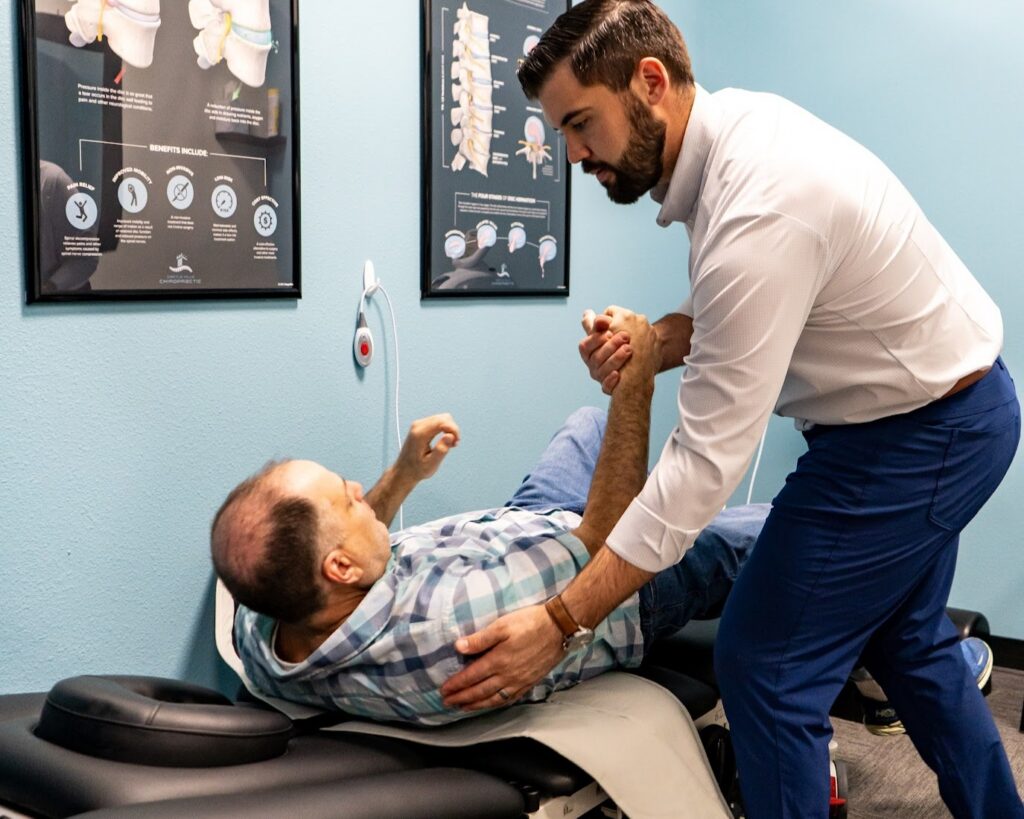

When it comes to managing migraines, seeking professional care can make a significant difference in your life. You might not realize that personalized treatment plans can target your specific needs, leading to more effective symptom relief. Additionally, identifying your unique triggers can empower you to take control of your condition. With access to advanced therapies and ongoing support, steering your treatment can become more manageable. Ultimately, these factors can improve your overall quality of life, but there are even more compelling reasons to contemplate professional help that you might find surprising.
Personalized Treatment Plans
When it comes to managing migraines, personalized treatment plans are often vital for effectively alleviating symptoms. You'll find that a one-size-fits-all approach rarely works when it comes to migraines. Each person's experience with migraines can vary considerably, so tailoring a treatment plan to your specific needs can make a world of difference.
Your journey starts with a thorough assessment by a healthcare professional. They'll evaluate your medical history, frequency, and intensity of your migraines, and any other relevant factors. This information helps them craft a plan that targets your unique symptoms and lifestyle.
A combination of medication, lifestyle changes, and potentially alternative therapies might be included. You may benefit from acute treatments, which are designed to relieve symptoms during a migraine attack, along with preventive medications that can reduce the frequency and severity of your episodes.
Your healthcare provider might also suggest non-pharmacological options, such as cognitive behavioral therapy or biofeedback, which have proven effective for some individuals.
Regular follow-ups are essential. They allow you to discuss what's working and what isn't, ensuring your plan remains effective. Over time, you might need adjustments based on how your body responds.
Identifying Triggers
How can you effectively manage your migraines if you don't know what triggers them? Identifying your migraine triggers is essential for developing a successful management plan.
Start by keeping a detailed diary. Note when your migraines occur, the intensity, duration, and any potential triggers leading up to the attack. This can include food, stress levels, sleep patterns, or environmental factors.
Common triggers include certain foods like aged cheeses, chocolate, or processed meats. Caffeine can be a double-edged sword; for some, it helps, while for others, it can provoke headaches.
Stress is another significant trigger, so consider your daily activities and how they might contribute to your migraines. You should also pay attention to hormonal changes, as many women experience migraines related to their menstrual cycles. If you notice a pattern, this information can be valuable when discussing treatment options with your healthcare provider.
Don't overlook environmental factors, either. Bright lights, strong odors, or loud noises can also set off a migraine.
Once you've identified potential triggers, you can work on avoiding them or managing their impact. This proactive approach can help you reduce the frequency and severity of your migraines.
In your journey to manage migraines, identifying triggers is the first step toward taking control. By knowing what to avoid or manage, you can enhance your quality of life and lessen the burden of migraines.
Access to Advanced Therapies
Steering through the world of migraine treatment can feel overwhelming, but gaining access to advanced therapies offers new hope for those struggling with chronic pain. These therapies can greatly improve your quality of life and help you manage your migraines more effectively.
When you seek care for your migraines, your healthcare provider can introduce you to innovative treatments tailored to your needs. For instance, you might explore preventive medications specifically designed for migraines, which can reduce the frequency and severity of attacks. These options often include newer classes of drugs, like CGRP inhibitors, which target the biochemical pathways involved in migraine attacks.
Additionally, you may benefit from neuromodulation devices that provide non-invasive stimulation to specific nerves. These devices can be a game-changer for individuals who haven't found relief through traditional medications. By discussing these options with your doctor, you can work together to find the most suitable treatment plan for your situation.
Moreover, access to advanced therapies often means staying informed about clinical trials and new treatments on the horizon. Participating in these trials might give you a chance to try cutting-edge therapies before they become widely available.
Ultimately, seeking care not only opens the door to advanced therapies but also connects you with a support network of healthcare professionals who can guide you on your journey.
Don't let migraines control your life; explore the options available to you and take charge of your health.
Ongoing Support and Education
Ongoing support and education are essential for anyone dealing with migraines. Managing this condition can be complex, and having a solid support system can make a world of difference.
You'll want to stay informed about the latest treatments, coping strategies, and lifestyle changes that can help mitigate your migraine episodes. By seeking continuous education from healthcare professionals, you empower yourself to take control of your health.
Knowing what to expect and how to respond can greatly improve your experience. This is where ongoing support comes into play. Regular check-ins with your healthcare provider can help you navigate your treatment plan effectively. They can provide valuable insights tailored to your unique situation.
Here are some key areas where ongoing support and education can be beneficial:
- Understanding Triggers: Learning about your specific migraine triggers can help you avoid situations that lead to episodes.
- Medication Management: Staying informed about your medications and their potential side effects guarantees you're using them effectively.
- Coping Mechanisms: Exploring techniques like mindfulness, relaxation exercises, or dietary changes can enhance your ability to manage your migraines.
Improved Quality of Life
Living with migraines can greatly impact your overall quality of life, but effective management strategies can help you reclaim it. When you seek care for your migraines, you're taking the first step toward reducing the frequency and severity of your attacks. This proactive approach can lead to fewer days lost to pain, allowing you to engage fully in your daily activities, whether it's work, family time, or hobbies.
By working with a healthcare professional, you'll learn about various treatment options tailored to your needs. This might include medications, lifestyle changes, or alternative therapies. As you find the right combination that works for you, you'll notice significant improvements in how you feel both physically and emotionally.
Imagine no longer having to cancel plans with friends or feeling unable to concentrate at work. With better migraine control, you can enjoy those moments that matter most. You'll also likely experience less anxiety about the next attack and the unpredictability it brings.
Moreover, improved quality of life doesn't just come from physical relief; it extends to your mental well-being. You'll feel more empowered and in control of your health, which can boost your self-esteem and overall happiness.
Conclusion
In conclusion, seeking care for your migraines can make a significant difference in your life. With personalized treatment plans tailored to your needs, you can effectively manage your symptoms. Identifying triggers helps you prevent future attacks, while access to advanced therapies offers new hope. Ongoing support and education empower you to navigate your treatment confidently. Ultimately, taking these steps can enhance your quality of life, allowing you to engage fully in all your daily activities.