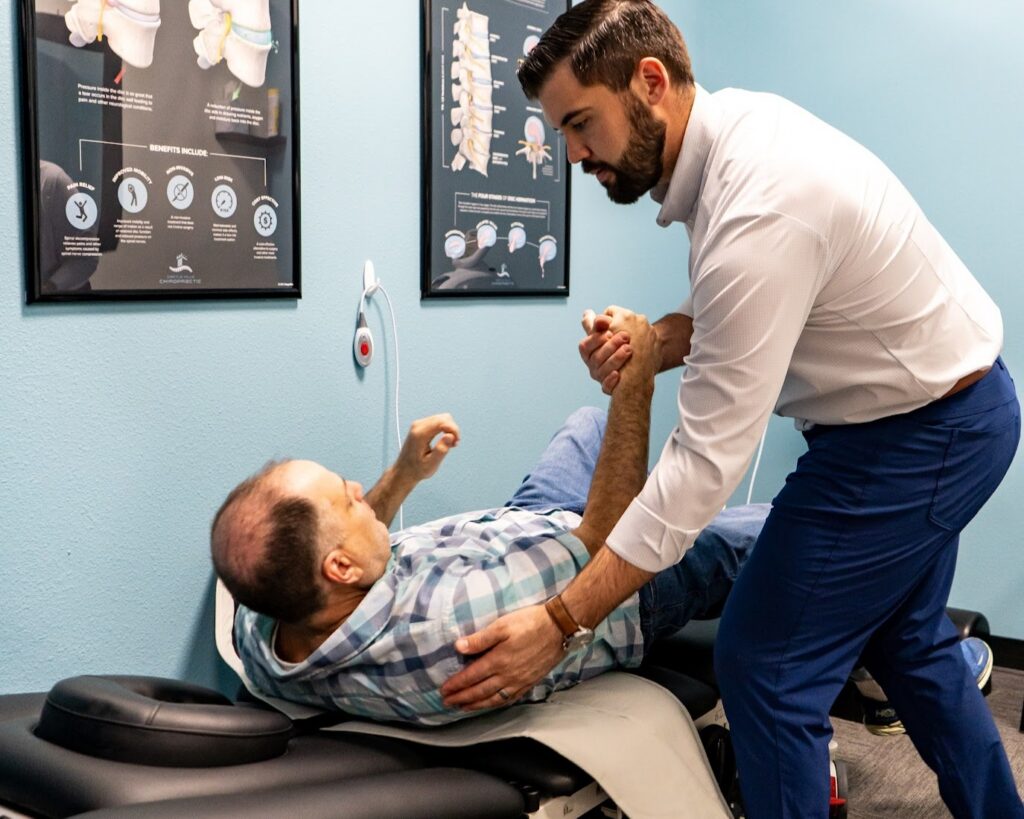

When you consider treatment options, personalized treatment plans stand out for several compelling reasons. They not only enhance the efficacy of therapies tailored to your unique genetic makeup and medical history but also foster greater engagement in your own healthcare journey. You might be surprised to learn how these plans can minimize adverse effects and optimize resource use in ways that benefit both you and your healthcare provider. As you reflect on these points, you may wonder what specific advantages these tailored approaches can offer. Let's explore those reasons further.
Enhanced Treatment Efficacy
When it comes to personalized treatment plans, enhanced treatment efficacy is at the forefront of modern healthcare. You want to guarantee that your treatment is tailored specifically to your individual needs, which leads to better outcomes.
Personalized treatment plans take into account your unique genetic makeup, lifestyle, and medical history, allowing healthcare providers to select the most effective interventions for you. By focusing on your specific situation, healthcare professionals can minimize the trial-and-error approach often associated with traditional methods.
Instead of relying on a one-size-fits-all solution, they can pinpoint the most promising therapies from the outset. This targeted approach increases the likelihood of achieving the desired results more swiftly and efficiently.
Moreover, when treatments are personalized, they often carry fewer side effects. You won't have to endure unnecessary discomfort caused by medications that may not suit your body's needs. With tailored plans, doctors can choose therapies that align with your physiology, enhancing both efficacy and safety.
Additionally, personalized treatment allows for ongoing adjustments based on your response. If a particular treatment isn't yielding the expected results, your healthcare team can quickly modify the plan, guaranteeing you stay on the right track.
This adaptability not only improves the overall quality of care but also empowers you to take an active role in your health journey. You'll feel more in control, knowing that your treatment is designed specifically for you, maximizing the chances of success in managing your condition.
Improved Patient Engagement
Patients often experience improved engagement when treatment plans are personalized. When you see that your unique needs and preferences are being considered, it fosters a sense of ownership over your healthcare journey. This connection encourages you to be more involved in your treatment, which can lead to better outcomes.
Personalized treatment plans also help you understand your health on a deeper level. By tailoring the details to fit your specific situation, you're more likely to grasp the reasons behind certain recommendations. This understanding can motivate you to adhere to the plan and actively participate in the decision-making process.
Here are a few ways personalized treatment plans enhance your engagement:
- Increased Motivation: When you see a plan that reflects your lifestyle and goals, it sparks your motivation to follow through.
- Clear Communication: Personalized plans often involve clearer communication, helping you ask questions and express concerns more effectively.
- Stronger Relationship with Healthcare Providers: Engaging in a collaborative approach builds trust and rapport with your healthcare team.
Ultimately, when you feel like a partner in your treatment rather than just a passive recipient, your engagement skyrockets. This heightened sense of involvement not only empowers you but also paves the way for better health outcomes.
Reduced Risk of Adverse Effects
Personalized treatment plans markedly reduce the risk of adverse effects by aligning medical interventions with your individual health profile. When healthcare providers tailor treatments specifically for you, they take into account your unique genetic makeup, existing health conditions, and lifestyle factors. This precise approach helps identify the most effective therapies while minimizing potential side effects.
For instance, if you have a history of allergic reactions or specific sensitivities, a personalized plan allows your doctor to avoid certain medications that could trigger adverse effects. Instead, they can choose alternatives that are safer and more effective for your situation. This level of customization goes beyond just selecting the right drug; it also involves adjusting dosages based on your individual response to treatment.
Moreover, personalized treatment plans often incorporate regular monitoring and feedback loops. By keeping a close eye on how you're responding to a treatment, your healthcare provider can quickly make necessary adjustments. This proactive approach not only enhances your safety but also boosts the likelihood of successful outcomes.
Additionally, understanding your medical history and preferences enables your provider to engage in shared decision-making. When you're involved in this process, you're more likely to feel comfortable with your treatment plan, which can further reduce the risk of adverse effects.
Better Resource Utilization
Better resource utilization follows naturally from personalized treatment plans, as they help guarantee that healthcare resources are used more efficiently. When you tailor treatment to meet the specific needs of each patient, you minimize unnecessary tests, medications, and procedures. This not only saves time and money but also enhances the overall effectiveness of care.
You're likely to see various benefits when you adopt a personalized approach, including:
- Targeted Treatments: By focusing on individualized care, you can use treatments that specifically address the patient's condition, reducing trial-and-error methods that waste resources.
- Reduced Hospital Readmissions: Personalized plans often lead to better management of chronic conditions, which means fewer complications and less need for hospital stays.
- Streamlined Care Coordination: With a clear understanding of each patient's needs, healthcare providers can collaborate more effectively, making sure that everyone involved is on the same page and resources aren't duplicated.
Ultimately, better resource utilization not only enhances the efficiency of healthcare systems but also promotes a more sustainable model.
By focusing on what works best for each individual, you can make certain that resources are allocated where they're most needed, paving the way for improved healthcare outcomes.
This approach allows you to maximize the impact of every dollar spent in the healthcare system, benefiting both patients and providers alike.
Increased Patient Satisfaction
Healthcare today thrives on the principle that individualized treatment plans lead to increased patient satisfaction. When your care is tailored specifically to your needs, you're more likely to feel understood and valued. This personalized approach allows healthcare providers to focus on your unique circumstances, preferences, and goals, making it easier for you to engage in your treatment process.
You might find that an individualized treatment plan not only addresses your medical needs but also considers your emotional and psychological well-being. This holistic view can create a stronger patient-provider relationship, fostering trust and open communication. When you feel heard, you're more likely to share important information that can enhance your care.
Moreover, personalized treatment plans can lead to better health outcomes. When treatments are aligned with your specific situation, you may experience fewer side effects, quicker recovery times, and a greater sense of control over your health. This empowerment contributes to higher satisfaction levels, as you actively participate in your journey toward wellness.
Additionally, seeing your healthcare team invest time and effort into creating a plan just for you can boost your confidence in their abilities. You'll appreciate that they're not just following a one-size-fits-all protocol. Instead, they're genuinely committed to your health.
Conclusion
To sum up, personalized treatment plans truly transform your healthcare experience. By enhancing treatment efficacy, boosting your engagement, minimizing adverse effects, optimizing resource use, and increasing your satisfaction, these plans empower you to take charge of your health. You deserve a tailored approach that resonates with your unique needs and preferences. Embracing personalized treatment isn't just about better outcomes; it's about feeling valued and understood in your journey toward improved health.