You might not realize how small adjustments in your daily life can considerably ease anxiety and stress. By integrating mindfulness practices into your routine, prioritizing quality sleep, and establishing a structured schedule, you can create a more balanced and controlled environment. These changes not only enhance your well-being but also empower you to navigate daily challenges with greater ease. Curious about how each adjustment plays a role in reducing tension? Let's explore these strategies further.
Incorporate Mindfulness Practices
In today's fast-paced world, your mind often races with worries and stressors, making it essential to incorporate mindfulness practices into your daily routine. Mindfulness helps you stay grounded, allowing you to cultivate a sense of calm amidst the chaos.
So, how can you effectively integrate mindfulness into your life?
Start with short sessions of meditation. Just five to ten minutes each day can make a difference. Find a quiet space, close your eyes, and focus on your breath. When thoughts drift in, acknowledge them, then gently bring your focus back to your breathing. This practice not only calms your mind but also trains you to remain present.
Another effective practice is mindful walking. As you stroll, pay attention to each step, feeling the ground beneath your feet. Notice the sensations around you—the breeze, the sounds of nature, and the rhythm of your heart. Engaging your senses can shift your focus from your worries to the beauty of the moment.
You can also incorporate mindfulness into daily activities. Whether you're eating, washing dishes, or brushing your teeth, focus completely on the task. Savor the flavors of your food or the warmth of the water.
This simple shift in awareness can transform mundane moments into opportunities for mindfulness.
Prioritize Quality Sleep
Quality sleep is an essential foundation for managing anxiety and stress effectively. When you prioritize quality sleep, you give your body and mind the chance to recharge and reset. Lack of sleep can heighten anxiety, making stressful situations feel even more overwhelming. You mightn't realize it, but a good night's sleep directly impacts your mood, cognitive function, and overall well-being.
To improve your sleep quality, start by creating a calming bedtime routine. This can include activities like reading, meditating, or taking a warm bath. Avoid screens at least an hour before bed, as the blue light emitted can interfere with your natural sleep cycle. Instead, consider dimming the lights and engaging in relaxing activities to signal your body that it's time to wind down.
Make your sleep environment as comfortable as possible. Keep your bedroom cool, dark, and quiet. Investing in a good mattress and pillows can also make a significant difference. If noise is an issue, consider using earplugs or a white noise machine.
It's also important to be mindful of your caffeine and alcohol intake. Consuming these substances, especially later in the day, can disrupt your sleep patterns. Aim to limit caffeine after midday and drink alcohol in moderation.
Establish a Routine
Establishing a routine can be a game-changer for managing anxiety and stress. When you create a structured daily schedule, you give yourself a sense of control and predictability in your life. This predictability can greatly reduce feelings of overwhelm that often accompany anxiety.
Start by identifying key activities you want to include in your routine. These can range from work-related tasks to personal self-care activities. Make sure to set specific times for these activities, which helps anchor your day. For instance, if you want to incorporate exercise, choose a consistent time each day, whether it's a morning jog or a lunchtime yoga session.
Don't forget to include breaks and downtime in your schedule. Regular intervals for rest allow your mind to recharge, preventing burnout and keeping stress levels in check. You might also want to mix in some enjoyable activities, like reading or cooking, to balance out your day with positive experiences.
To maintain your routine, consider using a planner or a digital calendar. This not only helps you stay on track but also provides a visual reminder of your commitments. If you miss a day, don't be too hard on yourself—just get back to it the next day.
Conclusion
By incorporating mindfulness practices, prioritizing quality sleep, and establishing a structured routine, you can greatly reduce anxiety and stress in your life. These adjustments empower you to stay present, improve your mood, and create a sense of control over your daily activities. When you actively engage in these strategies, you'll notice a positive shift in your overall well-being. Take small steps today, and watch how these changes can lead to a calmer, more balanced life.
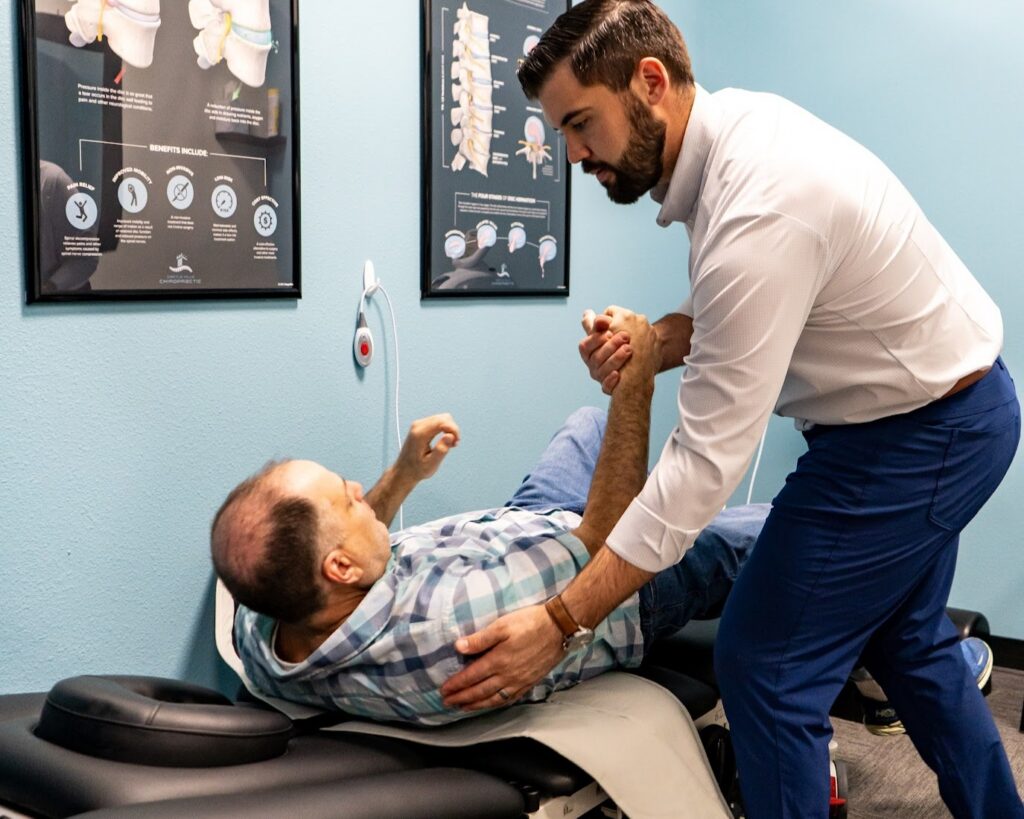
Dr. Brent Johnson is a renowned chiropractor who provides an expert level of skill and passion to deliver the best care in San Antonio. He is highly trained and has significant experience in the field. He is well known for his masterful skill of adjusting the spine.
His primary technique scientifically applies a comprehensive solution to your health and well-being. This is accomplished by first discovering the underlying cause of your condition; and more importantly, discovering how to prevent this and other conditions from occurring in the future.
very amazing people ! always felt so welcomed here! Claire and nicole are always on top of everything! and lastly Dr.Johnson was always so sweet and helped me feel so much better after my car accident!! I highly recommend it!
Dr. Johnson and his staff are amazing at what they do. I have seen and felt an improvement in my posture, pain, and sleep! I was apprehensive about seeing a chiropractor, but after my first meeting w Dr. J I was sure that he could help alleviate my hip and back pain I was having. I highly recommend! 10/10.
Top notch customer service. Dr. Johnson and his team were great. Dr. Johnson took his time to explain my current health situation in a manner that was easy to understand. My treatment was very good and I left feeling and walking better.
Dr. Johnson is the best in San Antonio! Honestly staff is amazing always good vibes all around! I honestly forgot about my sciatica and that bulging disk is HEALED!!!
This is how a medical office should be run (giving grace to the fact that not all medical practices are predictable)!! The staff is efficient but still care enough to know each patient. I was skeptical and nervous about adjustments and Dr. Johnson took the time to explain everything and made sure that I was comfortable with anything that we were doing. I have never been kept waiting and they are flexible and kind.
I came into Castle Hills Chiropractic two months ago, because of an issue with dizziness and vomiting. I learned after being hospitalized I had a severe vertigo. After seeing Dr Johnson and setting up a plan to work on fixing the issue. The treatments I started all my issues improved. I'm glad I chose to come here. The staff is amazing always friendly and helpful they are the best keep up the good work.
I like this place because they are helping me heal, and the staff is very attentive. They have a very professional team. In addition, the people are very well-prepared to care for you—truly the best.
After 3 visits I felt so good I went home and repotted all my plants!! The doctor and staff are amazing and I highly recommend this office to anyone experiencing hip pain!
Very thorough and adjusting my treatment to my unique situation is exactly what I want in a treatment professional. Best practitioner in SA for sure and the staff are equally as helpful!
If you’re dealing with the aftermath of an accident, do yourself a favor and come here. The staff is amazing and they’ve been so supportive throughout my entire treatment. They are attentive, kind, and really know their stuff. I went from constant discomfort to feeling great, and I felt supported every step of the way. Dr Johnson is the GOAT! Truly a five-star experience.
Just finished up with my last appointment, for my first ever chiropractor care, employees made it super easy to work with my schedule, and always warm/welcoming each visit. Machines also worked wonders.
My experience with this clinic has been so amazing! I deal with scoliosis and all the pain that’s associated with it. Chiropractic care is one of the only things that’s given me relief. They have been so kind to me here and I recommend them to everyone I know.
Now you're working with professionals !<br>I came in with pain level of 10. In less than a months time, I'm at 4. Thanks to you and your staff, I'm getting back to doing the things I enjoy. All the helpful tips on posture, diet and exercise have paid off. With the picture wall full of satisfied costumers smiles you would think this is a dental office. 😀<br>Keep up the great work .<br>James
My visit was a great experience. My concerns and questions were answered . I was helped when needed help and very patient with me .<br>I received a call to check up on my discomfort due to my injury .<br>I was sent good informative tools to help my progress .Very kind and professional. Highly recommended.
I’ve had an amazing experience at this chiropractor’s office. The entire team is welcoming, attentive, and truly committed to great customer service. They take the time to listen, explain everything clearly, and make sure I’m comfortable every step of the way. Most importantly, I’ve experienced real pain relief and noticeable improvement. I’m grateful for their care and highly recommend them
Dr Brent Johnson is one of the most personable and caring people and he treats each of us individually and precisely with the least amount of pain. I just know he will get me on my horse again soon. He really listens and gets to the source of the pain, right away
Receptionist was really, really nice and sweet. Doctor was very thorough and explained everything to us.So we could understand great doctor great service.
Had my first visit for back pain and tingling, and it was a great experience. Dr. Johnson was knowledgeable and took the time to explain everything. The office is modern, clean, and very welcoming. Highly recommend!
I had a great experience at Castle Hills Chiropractic! Dr. Johnson was wonderful—he took time to explain everything clearly and made me feel at ease. The staff, Nicole and Claire were friendly and welcoming from the moment I walked in. The office is clean, modern, and well set up, and having digital X-rays made the process so efficient. I highly recommend them and I look forward to continuing my treatment with them.~
I cant recommend this place enough. I came in almost in tears from pain stumbling on crutches barely able to move or stand. They were kind, helpfull, courteous, non-judgemental and all around wonderful and amazing people! Ive been seeing them for about 8 weeks and im now able to go back to work and use a cane just for 'incase' as I continue to heal. They have helped me soooo much I cannot thank them enough!
My experience has been exceptional from the first phone call back I received from Dr. Johnson to when I first walked in and was greeted by Claire :) The most friendly, kind and compassionate care I have ever received from everyone at this chiropractic care. I have recommended this practice to every person I know. I greatly appreciate y’all being so flexible and patient with my schedule.<br>Thank you so much for listening to my concerns and helping me with my neck and back issues.
I cannot say enough wonderful things about Dr. Johnson and the entire team here. I came in yesterday not feeling my best — definitely not my finest moment — and they took such incredible care of me from the moment I walked in.<br><br>Claire and the front office staff went above and beyond to make sure I was comfortable, and Dr. Johnson tailored my adjustment specifically to how I was feeling that day so I could get real relief. I left feeling so much better than when I came in. This is what truly exceptional patient care looks like. They don’t just treat your spine — they treat YOU as a person. I am so grateful for this team and would recommend them to absolutely anyone. Five stars isn’t enough!
Castle Hills Chiropractic is a business that I'm really thankful for. Dealing with sciatica for almost a whole year, I appreciate Dr. Johnson and his staff for everything that they had to offer with treatment. They are welcoming and very friendly every time. Every session was comfortable and at ease, I can appreciate that.
My experience with this practice was exceptional from start to finish. The administrative staff is professional and welcoming, and Dr. Johnsondemonstrated a high level of clinical expertise. Despite my initial apprehension regarding my first adjustment, the team ensured I felt completely comfortable throughout the process. I highly recommend their services to anyone seeking quality chiropractic care. Book your consultation today!
Dr. Johnson and staff are very friendly, helpful and very knowledgeable. With just a few visits ive had alot more progress and less pain than I have with other chiropractors.
Friendliest staff. Dr. Johnson is such a light. Very attentive to your needs and answers all your questions. I'm so glad I found them, I'm a very skeptical person when it comes to pain relief on my back, I suffer from sciatic pain, and arthritis on my neck, and I've been to quite a few chiropractors, massages even to the point of injections. He offers a cervical decompression and lumbar decompression- I HIGHLY RECOMMEND!<br>I can honestly say with weekly visits, I'm starting to feel normal. Dr. Brent Johnson is so humble, and very gentle and truly cares about your overall health. Very reasonable prices plus price is not an option if I'm pain free!
If you want a great chiropractic experience see Dr Brent Johnson at Castle Hills Chiropractic. Erin and Claire are great too. Always friendly and helpful!
I have been a patient of Dr.Johnson for a year, my back issues have improved significantly. Erin is amazing and I would have to say the best part about this practice besides their amazing personality is how fast I am in and out of the office but still getting the best care. Dr. Johnson and Erin keep up the amazing work! I am blessed to have found Castle Hills Chiropractic!!