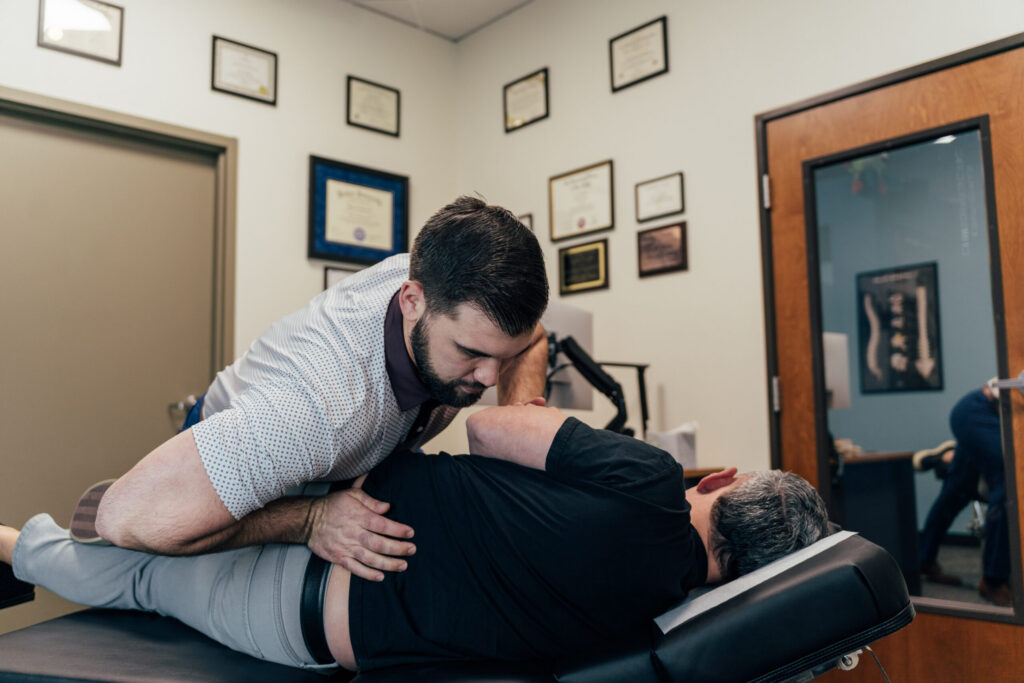

You might not realize how simple acts of care can greatly reduce your stress levels. By incorporating practices like mindful meditation and fostering meaningful relationships, you can create a more balanced life. Engaging in physical activities and finding creative outlets also play an essential role in this process. But what if you could combine these strategies into a cohesive routine that truly transforms your everyday experience? Let's explore ten practical ways to relieve stress through care, starting with some foundational habits you can easily integrate into your daily life.
Practice Mindful Meditation
When you sit down to practice mindful meditation, you're not just clearing your mind; you're tuning into the present moment. This practice helps you become aware of your thoughts, feelings, and sensations without judgment. You might feel the urge to resist distractions, but instead, try to acknowledge them and gently bring your focus back to your breath.
To get started, find a quiet space where you won't be interrupted. Sit comfortably, close your eyes, and take a few deep breaths. As you breathe in and out, concentrate on the rhythm of your breath. When your mind wanders—because it will—simply notice it and return your attention to your breathing. This simple act can ground you, pulling you away from stressors and into your body.
Incorporating mindful meditation into your daily routine can greatly reduce stress. Even just a few minutes a day can lead to a greater sense of calm and clarity. Over time, you'll cultivate an ability to respond to stress with more resilience.
You can also explore different techniques, such as guided meditations or body scans, to find what resonates best with you.
Engage in Physical Activity
When you engage in physical activity, you're not just getting fit; you're also boosting your mood.
Whether it's a brisk walk outside or a fun game with friends, outdoor activities can greatly improve your mental well-being.
Exercise Boosts Mood
Exercise serves as a powerful antidote to stress, offering a natural way to lift your mood. When you engage in physical activity, your body releases endorphins, those feel-good hormones that trigger positive feelings and reduce pain perception. This chemical reaction can greatly enhance your overall sense of well-being.
You don't need to run a marathon to reap the benefits. Even a brisk walk or a short workout can make a big difference. As you move your body, you'll notice that your mind begins to clear, allowing you to focus better and think more positively.
Plus, regular exercise can help improve your sleep quality, which is vital for managing stress. Setting aside time for exercise also creates a sense of routine, giving you a structured break from daily pressures.
Whether it's dancing, swimming, or yoga, find an activity you enjoy. Not only will it make you more likely to stick with it, but it'll also turn exercise into a fun and rewarding part of your day.
Outdoor Activities Benefits
Taking your physical activity outdoors can amplify the benefits even further. When you exercise in nature, you're not just boosting your mood and fitness; you're also enhancing your mental well-being. The fresh air and natural surroundings can invigorate your senses, helping you feel more alive and connected to the world around you.
Engaging in outdoor activities, like hiking, biking, or even a simple walk in the park, offers a unique sense of freedom. You're likely to notice the beauty of your environment, which can distract you from stressors and promote mindfulness. The rhythmic sounds of nature, such as birds chirping and leaves rustling, create a calming atmosphere that's hard to replicate indoors.
Additionally, outdoor exercise often involves social interaction. Whether you join a group for a run or take a friend along for a hike, connecting with others can provide emotional support and strengthen relationships. This social aspect can make the activity more enjoyable and help you stay committed.
Cultivate Healthy Relationships
How can cultivating healthy relationships contribute to your overall stress relief? When you surround yourself with supportive friends and family, you create a network that helps buffer against stress. Strong relationships provide a safe space to share your feelings, discuss challenges, and receive encouragement. This emotional support can greatly lighten the burdens you carry, making stressful situations feel more manageable.
Active communication is key. Make it a point to reach out regularly to the people who matter most to you. Whether it's a quick text, a phone call, or a coffee catch-up, these interactions can strengthen your bonds.
Also, don't shy away from expressing your feelings; vulnerability often fosters deeper connections and promotes mutual understanding.
Engaging in shared activities can also enhance your relationships. Plan outings, participate in hobbies, or volunteer together. These experiences not only create lasting memories but also contribute to a sense of belonging, which is essential for your emotional well-being.
Moreover, practicing gratitude within your relationships can elevate your mood. Acknowledge the positive impact your loved ones have on your life. A simple "thank you" or a compliment can go a long way in reinforcing those connections.
Ultimately, cultivating healthy relationships isn't just about surrounding yourself with people; it's about nurturing those connections. By investing time and energy into your relationships, you'll find a powerful tool for stress relief right at your fingertips.
Prioritizing these bonds can greatly enhance your resilience in the face of life's challenges.
Prioritize Quality Sleep
To manage stress effectively, you need to prioritize quality sleep.
Establishing a consistent sleep routine, creating a calming sleep environment, and limiting screen time can all make a big difference.
Let's explore how these steps can help you recharge and improve your overall well-being.
Establish a Sleep Routine
A consistent sleep routine is crucial for managing stress and enhancing overall well-being. When you establish a regular bedtime and wake-up time, your body learns to expect sleep, improving your overall sleep quality. Start by setting a specific time to go to bed and stick to it, even on weekends. This consistency helps regulate your internal clock.
In the hour leading up to bedtime, create a calming pre-sleep ritual. You might consider activities like reading, gentle stretching, or practicing mindfulness. Avoid screens, as the blue light emitted can interfere with your body's natural sleep signals. Instead, focus on winding down and letting go of the day's stressors.
Also, listen to your body. If you feel tired earlier some nights, don't force yourself to stay up. Sleep is fundamental for recovery and emotional regulation, so prioritize it.
Create a Sleep Environment
Creating a conducive sleep environment can greatly enhance your quality of rest and help manage stress levels. When your surroundings promote relaxation, you're more likely to drift off easily and wake up refreshed.
Here are a few key elements to evaluate for your sleep space:
- Comfortable Bedding: Invest in a supportive mattress and soft pillows that suit your sleeping style. Quality bedding can make a huge difference in how well you sleep.
- Optimal Temperature: Keep your bedroom cool, ideally between 60-67°F (15-19°C). A cooler room helps signal your body that it's time to rest.
- Minimize Noise and Light: Use blackout curtains to block out light and contemplate earplugs or a white noise machine to drown out disruptive sounds. A quiet, dark space allows your body to relax fully.
Limit Screen Time
Limit screen time before bed to improve your sleep quality and reduce stress. When you scroll through your phone or binge-watch shows right before sleeping, the blue light emitted from screens can interfere with your body's natural sleep cycle. This disruption affects your ability to fall asleep and can lead to a restless night.
Instead of reaching for your devices, consider winding down with calming activities. Reading a book, practicing meditation, or listening to soothing music can help signal your brain that it's time to relax. Aim to turn off all screens at least an hour before bedtime. This simple change can create a more peaceful environment, allowing your mind to unwind.
You can also set specific boundaries around screen time throughout the day. Try implementing tech-free zones or times, especially during meals or before bed.
These adjustments not only enhance your sleep quality but also foster deeper connections with yourself and those around you.
Explore Creative Outlets
Finding a creative outlet can be one of the most fulfilling ways to relieve stress. When you engage in activities that spark your imagination, you shift your focus away from daily pressures.
It's a fantastic way to express yourself and channel your emotions productively. So, how can you explore your creative side? Here are a few ideas to get you started:
- Art: Grab some paints, pencils, or even digital tools and let your imagination run wild. Creating art allows you to express feelings that words sometimes can't capture.
- Writing: Whether it's journaling, poetry, or short stories, writing can be cathartic. You can pour your thoughts onto the page, helping you process emotions and clear your mind.
- Music: Playing an instrument or even singing along to your favorite songs can be incredibly therapeutic. It not only boosts your mood but also allows for self-expression and creativity.
Spend Time in Nature
Engaging in creative activities provides a wonderful escape, but there's another powerful way to alleviate stress: spending time in nature. When you step outside and immerse yourself in the natural world, you invite tranquility and rejuvenation into your life. The sights, sounds, and smells of nature can ground you, pulling you away from the chaos of daily life.
Consider taking a walk in a nearby park or wandering along a scenic trail. As you stroll, pay attention to the vibrant colors of the flowers, the rustling leaves, and the gentle sounds of birds singing. This sensory engagement helps shift your focus from stressors to the beauty around you. You might find that with each step, your worries begin to fade.
If you can, try to disconnect from your devices. Leave your phone behind or keep it on silent. This time in nature is for you; it's an opportunity to recharge without distractions. Whether you're hiking, picnicking, or simply sitting by a lake, being outside allows your mind to wander freely, leading to moments of clarity and peace.
For an even deeper connection, practice mindfulness. Breathe in the fresh air, feel the sun on your skin, and appreciate the moment. By regularly spending time in nature, you create a refuge for yourself.
It can become a critical part of your self-care routine, helping you combat stress and find balance in a hectic world.
Create a Relaxing Routine
Creating a relaxing routine can be a game-changer for managing stress in your daily life. When you carve out time for yourself, it not only helps you unwind but also sets a positive tone for the day ahead.
A well-structured routine can bring a sense of control and predictability, which is essential in combating stress. Here's how you can create one that works for you:
- Morning Mindfulness: Start your day with a few minutes of meditation or deep breathing. This practice can help center your thoughts and reduce anxiety before the day begins.
- Scheduled Breaks: Incorporate short breaks throughout your day. Even just five minutes to stretch or step outside can recharge your mind and body, preventing overwhelm.
- Evening Wind-Down: Establish a calming pre-sleep ritual. Whether it's reading a book, journaling, or practicing gentle yoga, this helps signal to your body that it's time to relax.
Embrace Aromatherapy
Incorporating aromatherapy into your relaxing routine can enhance your stress relief efforts considerably. Aromatherapy uses essential oils to promote physical and emotional well-being, and it's easier to integrate than you might think. You can start by selecting a few essential oils that resonate with you, like lavender, chamomile, or eucalyptus. Each oil offers different benefits, so take time to explore what works best for your needs.
To get started, you can use a diffuser to disperse your chosen oils into the air. Just add a few drops of the essential oil, fill the diffuser with water, and let it work its magic. The soothing scents will create a calming atmosphere in your space, helping to melt away tension.
You might also consider adding a few drops to your bath for a luxurious, stress-relieving soak.
If you prefer a more direct approach, try diluting essential oils with a carrier oil and massaging it into your skin. This not only allows the calming scents to envelop you but also provides the added benefit of touch, promoting relaxation.
Lastly, don't underestimate the power of simply inhaling the oils directly from the bottle or applying them to your pulse points. Just a few deep breaths can shift your mood and relieve anxiety.
Volunteer or Help Others
Sometimes, the best way to relieve stress is to focus on helping others. When you shift your attention away from your own worries and dedicate time to support those in need, it can create a sense of purpose and connection that greatly reduces anxiety.
Volunteering or helping others not only benefits them but also provides you with a rewarding experience that can elevate your mood.
Consider these impactful ways to get started:
- Volunteer at a local shelter: Spend time serving meals or organizing donations. The gratitude you receive in return can be incredibly uplifting.
- Offer your skills: Whether you're a talented baker, an artist, or a handyman, use your skills to help those who may not have access to such resources. Creating something for someone else can be deeply fulfilling.
- Participate in community clean-ups: Join a group and help beautify your neighborhood or local parks. Working alongside others fosters a sense of community and shared accomplishment.
Engaging in acts of kindness not only enhances your emotional well-being but also strengthens social connections, which is essential for mental health.
By focusing on the needs of others, you can gain perspective on your own challenges and find comfort in knowing you're making a difference.
Limit Digital Distractions
To truly find stress relief, you need to limit your digital distractions.
Setting screen time limits and turning off notifications can help you focus on what really matters.
Engage in offline activities to reconnect with yourself and the world around you.
Set Screen Time Limits
Setting screen time limits can greatly reduce digital distractions and enhance your overall well-being. When you consciously decide how much time you spend on screens, you create space for more meaningful activities.
It's easy to lose track of time when scrolling through social media or binge-watching shows, but setting boundaries can help you regain control.
Here are a few strategies to implement those limits effectively:
- Schedule Screen-Free Time: Designate specific hours each day where screens are off-limits, like during meals or before bedtime.
- Use Apps to Track Usage: Many apps can help you monitor and set limits on your screen time, giving you insights into your habits.
- Engage in Alternative Activities: Fill your free time with hobbies that don't involve screens, such as reading, exercising, or spending time with loved ones.
Turn Off Notifications
Constantly bombarded by notifications, it's easy to feel overwhelmed and distracted. Every ping, buzz, or vibration pulls your attention away from what truly matters. To regain control and relieve stress, consider turning off those notifications. Start by evaluating which apps really need to alert you. Social media, news updates, and even email can wait.
You don't have to stay glued to your phone 24/7. By disabling notifications, you create a calmer environment that allows your mind to focus on tasks at hand. You'll notice how much more present you feel when you're not constantly checking your device. Instead of reacting to every alert, you can choose when to engage with your digital life.
Try setting specific times to check your messages and social media. This strategy not only reduces distractions but also helps you manage your time better. When you limit notifications, you're actively prioritizing your well-being.
You'll find it easier to concentrate, make decisions, and even enjoy moments of peace. Remember, your mental health is worth the effort of silencing the chaos around you. So go ahead, turn off those notifications, and step into a more serene state of mind.
Engage in Offline Activities
Finding balance in your life often means stepping away from screens and engaging in offline activities. Digital distractions can overwhelm your mind, so taking a break from them is essential for reducing stress.
When you engage in offline activities, you give yourself a chance to recharge and refocus. Here are a few ideas to help you disconnect:
- Go for a walk: Nature has a calming effect. A stroll outside can clear your mind and boost your mood.
- Read a book: Immerse yourself in a good story or explore a new subject. Reading can transport you and provide a much-needed escape.
- Try a creative hobby: Whether it's painting, knitting, or cooking, tapping into your creative side can be incredibly therapeutic.
Conclusion
By incorporating these ten strategies into your life, you can effectively relieve stress and foster a sense of care for yourself and others. Whether it's through mindful meditation, physical activity, or volunteering, each approach offers a unique way to enhance your well-being. Remember to prioritize quality sleep and limit digital distractions to create a more balanced routine. Embrace these practices, and you'll discover a more peaceful, fulfilling life that nurtures both your mind and spirit.