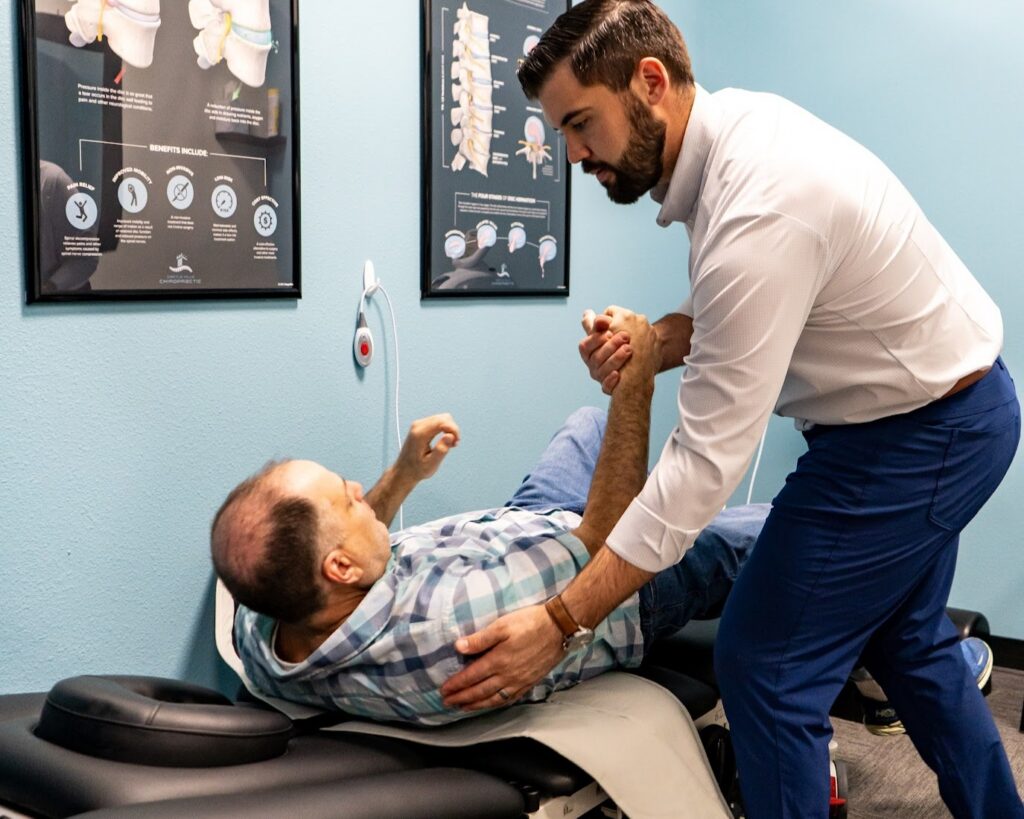
If you're looking to enhance your flexibility, you're in the right place. You might not realize it, but making a few simple adjustments to your routine can lead to significant improvements. By incorporating daily stretching and proper warm-ups, you can release your body's potential more effectively. However, flexibility isn't just about doing more; it's about doing it right. Curious about the specific strategies that can make a real difference? Let's explore those essential secrets that can transform your approach today.
Stretch Daily
When it comes to improving flexibility, many people underestimate the power of stretching daily. You might think it takes hours of intense workouts to see results, but dedicating just a few minutes each day to stretch can make a significant difference. By incorporating daily stretching into your routine, you'll not only enhance your flexibility but also improve your overall mobility and reduce the risk of injury.
Start with simple stretches targeting major muscle groups, like your hamstrings, quadriceps, and shoulders. These stretches don't need to be complicated or time-consuming. Aim for 10 to 15 minutes each day, focusing on controlled movements and breathing deeply. You'll find that consistency is key; the more regularly you stretch, the more your muscles will adapt and elongate.
Listen to your body as you stretch. If you feel tightness, gently ease into the stretch rather than forcing it. Hold each stretch for at least 15 to 30 seconds, allowing your muscles to relax and lengthen. You'll notice improvements in your range of motion, which can enhance your performance in other physical activities.
Don't forget to mix it up! Incorporate a variety of stretches to keep your routine fresh and target different areas. As you commit to stretching daily, you'll be amazed at how much more flexible and agile you become.
Embrace this small but powerful change in your routine, and watch your flexibility soar!
Warm Up Properly
Warming up properly is essential for maximizing your flexibility and preventing injuries during your workouts. It prepares your body for the physical demands ahead, increasing blood flow to your muscles and raising your heart rate. By taking the time to warm up, you're setting yourself up for a more effective and safer exercise session.
Start with light aerobic activity to get your blood pumping. This could be a brisk walk, a gentle jog, or cycling at a relaxed pace. Aim for about five to ten minutes of this activity to elevate your heart rate and warm up your muscles.
Once you feel your body temperature rising, it's time to focus on specific movements that target the areas you'll be working on. Incorporate movements that mimic the exercises you'll be doing later. If you plan to do squats, practice bodyweight squats with a slow tempo to ease your joints into the motion. This approach not only helps to loosen your muscles but also improves your range of motion.
Remember to listen to your body. If you feel any tightness or discomfort, spend a little longer on that area, gently moving through the motion. A well-structured warm-up session can make all the difference in how flexible and prepared you feel during your workout.
Incorporate Dynamic Stretching
To boost your flexibility, you should incorporate dynamic stretching into your routine. This method offers numerous benefits, like improving your range of motion and prepping your muscles for activity.
Let's explore some effective dynamic stretching exercises you can easily add to your workouts.
Benefits of Dynamic Stretching
Dynamic stretching boosts your flexibility and prepares your body for physical activity by engaging your muscles in a controlled manner. Unlike static stretching, which holds a position, dynamic stretching involves movement, helping to increase blood flow and improve your range of motion.
This type of stretching not only enhances flexibility but also provides several key benefits that can elevate your workout routine.
Here are some notable benefits of incorporating dynamic stretching:
- Increases Blood Flow: Engaging your muscles dynamically elevates your heart rate and promotes circulation.
- Enhances Muscle Activation: It prepares your muscles for the specific movements they'll perform during your workout.
- Reduces Injury Risk: Warming up dynamically lowers the likelihood of strains and sprains by promoting joint mobility.
- Improves Coordination: Dynamic movements require balance and timing, enhancing your overall coordination.
- Boosts Performance: By preparing your body for physical exertion, you can improve your strength, speed, and agility.
Incorporating dynamic stretching into your routine can markedly enhance your athletic performance and overall fitness.
Effective Dynamic Stretching Exercises
Incorporating dynamic stretching exercises into your warm-up routine can considerably enhance your overall flexibility and performance. These exercises prepare your muscles and joints for activity, increasing your range of motion and reducing the risk of injury.
Start with leg swings. Stand next to a wall for support, and swing one leg forward and backward, keeping your movements controlled. Aim for 10-15 swings on each leg.
Next, try walking lunges. Step forward into a lunge, alternating legs, and make sure your knee doesn't extend beyond your toes. Do this for about 10-12 repetitions.
Another effective exercise is arm circles. Stand tall and extend your arms out to the sides. Make small circles, gradually increasing their size for about 20 seconds, then reverse the direction.
Finally, include high knees. Jog in place, lifting your knees to hip level for 30 seconds.
These dynamic stretches not only increase blood flow but also activate your muscles, making certain you're ready for your workout.
Integrate these exercises into your warm-up, and you'll feel the benefits in your flexibility and performance. Get started today—your body will thank you!
Incorporating Into Routine
Making dynamic stretching a regular part of your exercise routine is essential for maximizing flexibility and performance. By incorporating these stretches, you not only warm up your muscles but also prepare your body for the physical activity ahead.
Here's how you can seamlessly add dynamic stretching to your routine:
- Start each workout with 5-10 minutes of dynamic stretching. This primes your muscles and joints for movement.
- Choose stretches that target the muscle groups you'll be using. Focus on areas like legs, hips, and shoulders.
- Incorporate dynamic stretches into your warm-up. Examples include leg swings, arm circles, and high knees.
- Use dynamic stretching as a changeover between sets. This keeps your body engaged and helps prevent stiffness.
- Gradually increase the intensity and range of motion. This allows your flexibility to improve over time.
Focus on Breathing
Breathing serves as the foundation for improving flexibility, acting as a bridge between your mind and body. When you focus on your breath, you create a calming environment that allows your muscles to relax and stretch more effectively. Deep, intentional breathing increases your oxygen intake, which not only fuels your muscles but also enhances your overall performance during flexibility exercises.
As you begin your stretching routine, take a moment to center yourself. Inhale deeply through your nose, allowing your abdomen to expand fully. Hold that breath for a moment, then exhale slowly through your mouth. This rhythmic breathing helps you maintain focus and reduces tension in your body, making it easier to achieve deeper stretches.
Pay attention to your breath during each movement. As you stretch, synchronize your inhalations and exhalations with your movements. For example, inhale as you prepare to stretch, and exhale as you deepen into the stretch.
This practice not only aids in flexibility but also promotes mindfulness, helping you connect with your body more profoundly.
Use Props for Support
When you're working on your flexibility, props can be your best friends.
From blocks to straps, using the right tools can help you achieve deeper stretches safely and effectively.
Let's explore the types of props available and how to use them properly for maximum benefit.
Types of Props
Have you ever wondered how props can enhance your flexibility practice? Using props can provide the support you need to deepen your stretches and improve your range of motion.
Here are some common types of props that can make a significant difference in your flexibility training:
- Yoga blocks: These help you reach the ground or achieve proper alignment in poses.
- Straps: Perfect for assisting in stretches, straps enable you to hold positions without straining.
- Bolsters: These offer cushioning and support, allowing you to relax into challenging stretches.
- Blankets: Use them for extra padding or to elevate certain poses, making them more comfortable.
- Foam rollers: Great for self-myofascial release, they help release tight muscles and improve flexibility.
Incorporating these props into your routine can help you feel more secure and confident as you work on your flexibility.
By providing the necessary support, they allow you to focus on your body's movements and gradually push your limits.
Proper Usage Techniques
Using props effectively can considerably enhance your flexibility practice. When you incorporate items like blocks, straps, or blankets, you create a supportive environment that allows your body to ease into deeper stretches.
Start by positioning a block under your hands in forward bends; this elevates your reach, reducing strain on your back and encouraging better alignment.
When using straps, loop them around your feet during seated stretches. This gives you added leverage, helping maintain your form without overextending yourself.
If you're struggling with balance in standing poses, consider using a wall or a chair for support. This not only builds your confidence but also allows you to focus on your breathing and technique.
Don't hesitate to use blankets for cushioning during floor stretches. They can make even the toughest poses more accessible, helping you relax into each movement.
Remember, the goal is to enhance your flexibility, not to push your body beyond its limits. By integrating props thoughtfully, you'll find that your practice becomes more enjoyable and effective, allowing you to progress steadily while reducing the risk of injury.
Embrace these tools and watch your flexibility flourish!
Try Yoga or Pilates
If you're looking to enhance your flexibility, trying yoga or Pilates can be a game-changer. Both practices focus on stretching, strength, and balance, making them perfect for improving your range of motion. Not only will you increase your flexibility, but you'll also develop core strength and mental clarity.
Let's explore the benefits of incorporating these practices into your routine.
Here are some key reasons to give yoga or Pilates a try:
- Improved Flexibility: Regular practice helps lengthen tight muscles, increasing your overall flexibility.
- Enhanced Strength: Both disciplines build core strength, which supports better posture and stability.
- Stress Relief: The focus on breathing and mindfulness in yoga can help reduce stress levels.
- Better Balance: You'll work on your balance and coordination, which can prevent injuries.
- Mind-Body Connection: These practices encourage awareness of your body, helping you understand your limits and capabilities.
You don't need to be an expert to start; both yoga and Pilates cater to all skill levels. Consider taking a beginner class or following online tutorials that match your pace.
You'll find that consistency is key. Aim for at least two to three sessions a week, and you'll likely notice improvements in your flexibility within a few weeks.
Stay Hydrated
Staying hydrated is essential for flexibility and overall health. When your body has enough water, your muscles and connective tissues remain pliable and can stretch more easily. Dehydration, on the other hand, can lead to stiffness, making it difficult for you to achieve your desired range of motion.
To improve your flexibility, aim to drink water throughout the day, not just during workouts. A good rule of thumb is to drink at least half your body weight in ounces of water daily. For example, if you weigh 150 pounds, try to drink around 75 ounces of water. Adjust this amount based on your activity level, climate, and individual needs.
It's also beneficial to consume water-rich foods like fruits and vegetables. Foods such as cucumbers, oranges, and watermelon can enhance your hydration levels while providing essential nutrients.
If you're exercising, consider replenishing electrolytes with drinks that contain potassium and magnesium, as these minerals play a role in muscle function.
Pay attention to your body's signals. If you feel thirsty, it's a clear indication that you need to hydrate. You can also monitor your urine color; pale yellow typically signifies adequate hydration, while darker shades indicate you need more water.
Listen to Your Body
Listening to your body is essential for improving flexibility and preventing injuries. As you begin your journey to enhance your flexibility, tuning into your body's signals will guide you toward safe and effective practices.
Every time you stretch or engage in physical activity, pay close attention to how your body feels. Ignoring discomfort or pushing through pain can lead to setbacks rather than progress.
Here are some key signs to listen for when working on your flexibility:
- Tension vs. Pain: Distinguish between the mild tension that indicates a good stretch and sharp pain that signals you should stop immediately.
- Fatigue Levels: If you feel unusually tired, it's okay to take a break. Recovery is vital for flexibility gains.
- Breath Control: If your breath becomes shallow or strained, ease back on the intensity of your stretch. Relaxation is necessary for effective flexibility work.
- Joint Feedback: Notice how your joints respond. If you feel unusual strain or clicking, adjust your movements accordingly.
- Progress Over Time: Track improvements, but don't rush the process. Everyone's body is different, and flexibility develops at varying rates.
Gradually Increase Intensity
To improve your flexibility, you need to gradually increase the intensity of your stretches.
By using progressive stretching techniques, you can safely push your limits without risking injury.
Always remember to listen to your body and adjust accordingly.
Progressive Stretching Techniques
Many athletes and fitness enthusiasts find that progressive stretching techniques are essential for improving flexibility and preventing injury.
By gradually increasing the intensity of your stretches, you allow your muscles to adapt and gain flexibility over time. This approach not only enhances your range of motion but also minimizes the risk of straining your muscles.
Here are some effective progressive stretching techniques you can implement:
- Start with dynamic stretches: Begin your routine with movements that mimic the activity you'll be doing, like leg swings or arm circles.
- Increase duration gradually: Once you're warmed up, hold each static stretch for 15-30 seconds, gradually extending the time as your flexibility improves.
- Focus on one muscle group at a time: Concentrate on stretching one area, like your hamstrings or shoulders, before moving on to another.
- Utilize resistance: Incorporate resistance bands or your body weight to enhance the intensity of your stretches.
- Incorporate advanced techniques: As you progress, try PNF (Proprioceptive Neuromuscular Facilitation) stretching for deeper muscle engagement.
Listen to Your Body
Your body provides essential feedback during stretching, and tuning into those signals is important for safe and effective progress. When you stretch, pay attention to how your muscles feel. If you experience sharp pain or discomfort, ease off a bit. Stretching should feel like a gentle pull, not a strain.
Start with gentle movements and gradually increase the intensity as your flexibility improves. This approach allows your muscles and joints to adapt, reducing the risk of injury. For instance, if you're trying to reach a deeper stretch, hold your position for a few breaths, then slowly ease deeper into it.
Also, consider your body's daily condition; some days you might feel more limber than others. Adjust your routine accordingly. If you've had a long day or strenuous workout, give yourself permission to stretch less intensely.
Be Consistent
Consistency is the cornerstone of achieving flexibility in your body and mind. Without a regular practice, your efforts may fade, and you won't see the results you desire.
To improve your flexibility effectively, you need to build a routine that you can stick to. Here are some key strategies to help you stay consistent:
- Set a Schedule: Dedicate specific times in your week for stretching or flexibility exercises. Treat these appointments like important meetings.
- Start Small: If you're new to flexibility training, begin with just a few minutes each day. Gradually increase the duration as you become more comfortable.
- Track Your Progress: Keep a journal or use an app to log your sessions. Seeing how far you've come can motivate you to keep going.
- Find a Buddy: Working out with a friend can make your sessions more enjoyable. Plus, you can hold each other accountable.
- Mix It Up: Incorporate different types of stretching and flexibility routines. This keeps things fresh and prevents boredom from setting in.
Conclusion
Improving your flexibility is all about commitment and smart practices. By stretching daily and incorporating dynamic movements, you'll enhance your range of motion. Don't forget to focus on your breathing and stay hydrated, as these elements support your progress. Using props can deepen your stretches, while listening to your body will help you avoid injuries. Stay consistent, track your improvements, and gradually increase your intensity. With these secrets, you'll see a noticeable difference in no time!