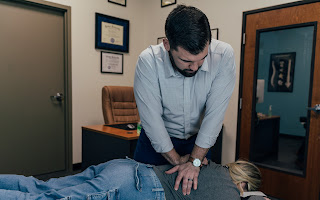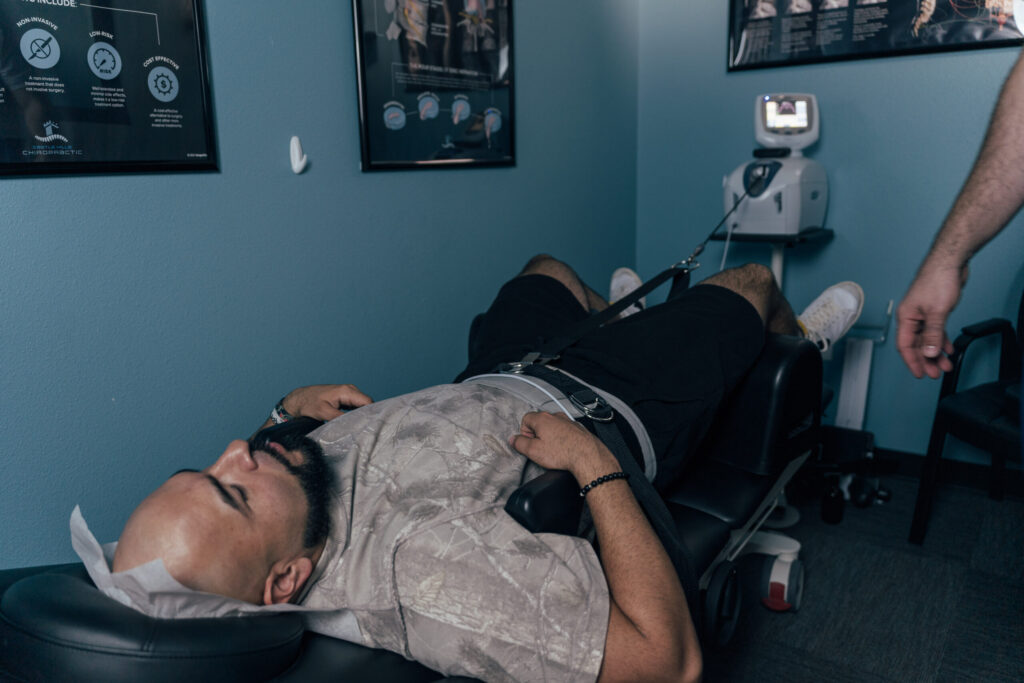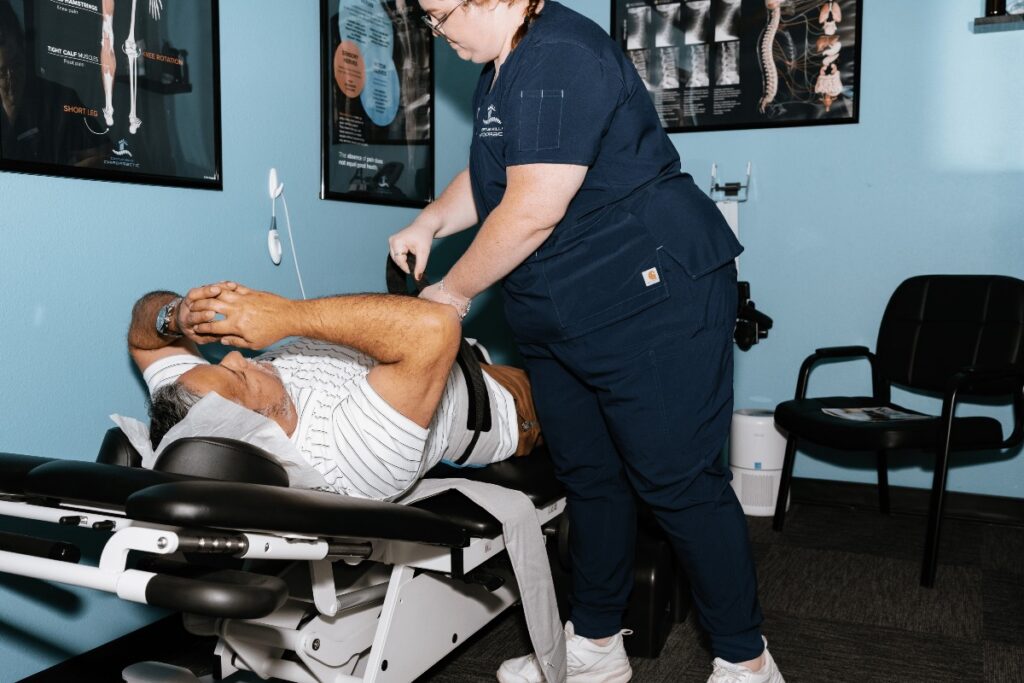

As a local chiropractor, I understand that nagging back pain can significantly hinder your athletic performance. The first step toward relief lies in understanding the underlying causes of your discomfort. Factors such as improper warm-ups and insufficient core strength can contribute to these issues. By addressing these root causes, you can not only alleviate your pain but also enhance your overall athletic performance.
Many people are unaware of how chiropractic care can play a vital role in this process. Through natural healing techniques, we can help restore proper alignment and function to your spine, which is essential for optimal movement and strength. Additionally, incorporating specific exercises and stretches into your routine can further support your back health.
Are you curious about the strategies we can implement together to achieve a pain-free athletic experience? Let's explore how chiropractic care and mindful practices can help you unlock relief and elevate your game.
Understanding Sports Back Pain
As a local chiropractor, I often see athletes and active individuals who experience sports back pain. This type of pain can feel like a sharp knife stabbing into your lower back, making it difficult to enjoy your favorite activities or perform at your best. Understanding sports back pain is crucial for managing it effectively and finding relief.
You may notice that certain movements, like twisting or bending, can worsen your pain. These actions put additional stress on your spine and the muscles surrounding it. It's essential to listen to your body and recognize the signals it's sending you. Ignoring these cues can lead to more significant injuries down the road.
Back pain can vary greatly in intensity, from a dull ache to a sharp and debilitating sensation. This inconsistency can be frustrating, especially when you're trying to push through a workout or a game. I recommend keeping a journal to track your activities and pain levels; this can help you identify patterns and triggers that may be contributing to your discomfort.
Additionally, we must address the psychological component of back pain. Anxiety about pain can lead to altered movement patterns, which may worsen your condition. Maintaining a positive mindset and being proactive about your recovery can significantly enhance your healing journey.
At my practice, I focus on educating patients about the nuances of sports back pain. By understanding your body and its needs, you can take charge of your performance and well-being.
Together, we can explore natural healing strategies that promote relief and prevention, allowing you to stay active and perform at your peak.
Common Causes of Back Pain
As a local chiropractor, I want to help you understand the various factors that can contribute to back pain, particularly if you're an athlete. Knowing these common causes is crucial for managing discomfort effectively and promoting natural healing.
Here are some of the typical reasons behind sports-related back pain that I often see in my practice:
- Muscle Strains: Many athletes push their bodies to the limit, and improper lifting techniques can lead to muscle strains in the back. This can result in both pain and stiffness, making it essential to use correct form during activities.
- Herniated Discs: The discs that cushion the vertebrae can sometimes become damaged due to intense physical activity. When they bulge or rupture, they can cause significant discomfort and nerve pain, which may require chiropractic intervention for relief.
- Poor Posture: Whether you're training hard or competing, maintaining good posture is crucial. Slouching or misalignment can place unnecessary strain on your back, leading to long-term issues. Chiropractic adjustments can help correct posture and alleviate pain.
- Repetitive Movements: Many sports involve repetitive actions that can cause wear and tear on the back. This can lead to chronic pain, but with the right chiropractic care, we can address these issues and promote healing.
By understanding these common causes, you can take proactive steps to prevent further injury and support your recovery journey.
If you're experiencing back pain, know that chiropractic care offers a natural approach to healing and improving your overall well-being.
Importance of Proper Warm-up
As a local chiropractor, I want to emphasize the critical importance of warming up properly before engaging in any sports activities.
Proper warm-up routines aren't just about getting your body ready; they play a vital role in enhancing muscle flexibility, which can significantly reduce your risk of injury. By preparing your muscles and joints through a gradual increase in activity, you can improve your overall efficiency on the field or court.
Taking the time to engage in a proper warm-up not only sets you up for better performance but also contributes to a more enjoyable and pain-free experience during your activities.
Remember, your body is a delicate system, and giving it the attention it deserves through warming up can make all the difference in your athletic endeavors.
Let's prioritize your health and well-being together!
Enhances Muscle Flexibility
As a local chiropractor, I often emphasize the importance of preparing your muscles through a proper warm-up, particularly for enhancing flexibility and preventing injuries.
It's not just about getting your heart rate up; warming up effectively primes your muscles for stretching and movement, allowing them to operate more efficiently. This practice is crucial in improving your range of motion, which can significantly benefit your performance in various sports activities.
Let me share some key benefits of a proper warm-up:
- Increased Blood Flow: Warming up increases blood circulation to your muscles, providing them with the oxygen they need to perform at their best.
- Improved Joint Mobility: A good warm-up helps loosen your joints, reducing stiffness and enhancing your overall movement, which is vital for maintaining healthy joints.
- Enhanced Muscle Temperature: Warmer muscles are more flexible, allowing for greater ease during physical activities and reducing the risk of strains or injuries.
- Mental Preparation: Warming up offers a moment to focus and mentally prepare for your workout or sport, which can improve your overall performance and enjoyment.
By incorporating a proper warm-up into your routine, you're taking a proactive step towards better flexibility and overall musculoskeletal health.
Reduces Injury Risk
As a local chiropractor, I want to emphasize the significance of a proper warm-up in not only enhancing muscle flexibility but also in significantly reducing your risk of injury. When you take the time to warm up your body, you gradually increase your heart rate and blood circulation to your muscles, which prepares them for the physical demands of your favorite activities. This process elevates your core temperature, making your muscles more pliable and less susceptible to tears or strains.
Incorporating dynamic stretches and movements that are specific to your sport is crucial. This helps activate the right muscle groups, ensuring they're primed for action. By doing this, you lower the chances of overexertion, a common cause of injuries.
It's also vital to pay attention to your joints during your warm-up routine. Exercises that enhance joint mobility can be particularly beneficial in preventing injuries in areas such as your back, knees, and shoulders.
Skipping a proper warm-up can lead to tight muscles and stiff joints, making you more vulnerable to injuries. Therefore, I encourage you not to overlook this essential step. By dedicating time to warm up correctly, you aren't only protecting your body but also laying a solid groundwork for a successful and enjoyable sports experience.
Prioritizing your warm-up will leave you better equipped to engage in physical activities without pain and discomfort. Remember, taking care of your body starts with simple steps like warming up!
Improves Performance Efficiency
As a local chiropractor, I want to emphasize the importance of a proper warm-up to enhance your performance efficiency in any physical activity, whether it's sports or just your daily routine.
A well-executed warm-up prepares both your body and mind, allowing you to perform at your peak while minimizing the risk of injury.
When you engage in a warm-up, several key benefits occur:
- Increases heart rate: Gradually raising your heart rate promotes better oxygen flow to your muscles, making them more responsive and ready for action.
- Enhances flexibility: Incorporating dynamic stretches into your warm-up routine improves your range of motion, leading to smoother and more powerful movements.
- Sharpens focus: Taking the time for pre-activity rituals can enhance your concentration and mental readiness, which is crucial for achieving success in any endeavor.
- Activates muscle memory: Practicing specific movements during your warm-up helps prime your muscles, allowing you to execute techniques more effectively when it matters most.
At our chiropractic clinic, we believe that a structured warm-up routine is vital for everyone.
It's not solely about preventing injuries; it's about optimizing your performance and overall well-being.
By dedicating time to warm up properly, you'll likely notice a significant improvement in how you feel and function, both on the field and in your everyday life.
Your body will definitely appreciate the care!
Effective Stretching Techniques
Stretching is a vital component in the prevention and relief of sports-related back pain, and as a chiropractor, I want to emphasize its importance in your overall wellness. By incorporating effective stretching techniques into your routine, you can enhance your flexibility, improve circulation, and alleviate muscle tension.
To begin, focus on gentle stretches that specifically target your lower back, hips, and hamstrings. One of my favorite stretches is the child's pose. Here's how to do it: kneel on the ground, sit back on your heels, and extend your arms forward while lowering your torso. Hold this position for about 30 seconds; you'll likely feel a soothing stretch in your lower back.
Another beneficial stretch is the seated forward bend. Sit on the floor with your legs extended in front of you, and gradually reach toward your toes while keeping your back straight. Remember to breathe deeply and hold this position for 20 to 30 seconds. This stretch is excellent for elongating your spine and relieving any tightness you may be experiencing.
I also recommend including the cat-cow stretch in your routine. This dynamic movement warms up the spine and enhances flexibility. Begin on your hands and knees; inhale as you arch your back (cow position), then exhale as you round your back (cat position). Repeat this sequence for 30 seconds to a minute to promote spinal mobility.
Lastly, the piriformis stretch can be particularly helpful if you're feeling tightness in your glutes. To perform this stretch, lie on your back, cross one leg over the other knee, and gently pull the uncrossed leg toward your chest. Hold this position for 20 to 30 seconds on each side.
By consistently practicing these stretches, you can effectively manage and reduce back pain, allowing you to engage in your favorite sports activities without discomfort.
Strengthening Your Core
As a local chiropractor, I want to emphasize the importance of strengthening your core, especially when it comes to preventing and alleviating sports-related back pain. Your core plays a vital role in supporting your spine and stabilizing your body during various athletic activities.
When the core muscles are weak, it places extra stress on your back, potentially leading to discomfort and injuries. Here are some effective exercises I recommend to help you build core strength:
- Planks: Begin with holding a plank position for 30 seconds to a minute, making sure your body forms a straight line from head to heels. This exercise engages multiple core muscles and helps build endurance.
- Russian Twists: Sit on the floor with your knees bent, lean back slightly, and twist your torso side to side while holding a weight or a medicine ball. This exercise targets your obliques and enhances your rotational strength, which is crucial for many sports.
- Bridges: Lie on your back with your knees bent and feet flat on the floor. Lift your hips toward the ceiling while squeezing your glutes. This movement strengthens your lower back and glutes, both of which are essential for maintaining proper posture and alignment.
- Leg Raises: Lie flat on your back and lift your legs toward the ceiling while keeping them straight. This exercise focuses on your lower abdominal muscles, which are key to stabilizing your core.
Incorporating these exercises into your weekly routine, two to three times a week, can significantly enhance your core strength. As you progress, gradually increase the duration or difficulty of each exercise.
By focusing on strengthening your core, you won't only support your back but also improve your athletic performance and reduce your risk of injury.
Choosing the Right Equipment
As a local chiropractor, I want to emphasize how choosing the right equipment can play a crucial role in preventing sports-related back pain. When you're active, the gear you use can significantly affect your body's alignment and the support it receives.
Let's start with footwear—it's essential to wear proper shoes that provide vital arch support and cushioning. Whether you're running, playing soccer, or participating in any sport, make sure your shoes fit well and are appropriate for your activity. A good fit helps minimize the risk of injury and keeps your spine aligned.
Next, consider your athletic gear. If you're lifting weights or engaging in high-impact sports, a supportive back brace may be beneficial. It can help maintain stability and reduce strain on your back. However, it's important to find a brace that offers adequate support while still allowing for movement—this balance is key to avoiding back pain while performing at your best.
Don't forget about sports-specific equipment. For example, if you're an avid cyclist, a well-fitted bicycle is essential for preventing lower back stress during long rides. Likewise, if you enjoy racket sports, ensure that your racket's weight and grip size are suited to your body mechanics. Paying attention to these details can help prevent unnecessary strain on your back.
Finally, maintaining good posture while using any equipment is vital. Proper form during exercise is crucial. Whether you're lifting weights or swinging a racket, good posture helps distribute stress evenly across your body, significantly reducing the risk of back pain.
Recovery Strategies and Tips
As a local chiropractor, I want to share some valuable insights on managing sports-related back pain and how natural healing can help you recover effectively.
Utilizing targeted stretching techniques and strengthening your core muscles aren't just exercises; they're essential recovery strategies that can provide you with significant relief and enhance your overall athletic performance.
By incorporating these methods into your routine, you can support your body's natural healing processes and stay active without the burden of pain.
Let's delve into how these approaches work and how they can empower you to bounce back stronger than ever.
Your journey to recovery starts with understanding the benefits of chiropractic care and the importance of nurturing your body holistically.
Stretching Techniques for Relief
As a local chiropractor, I want to share with you how incorporating effective stretching techniques into your routine can significantly help alleviate sports-related back pain.
By enhancing your flexibility and mobility, you can reduce muscle tension in your back and improve your overall range of motion. Here are some key stretches that I recommend for my patients:
- Cat-Cow Stretch: This dynamic movement not only helps to mobilize your spine but also increases flexibility, making it a great addition to your stretching routine.
- Child's Pose: This gentle position is excellent for relaxing your lower back and hips, promoting a sense of calm and relief after a long day or intense physical activity.
- Seated Forward Bend: This stretch effectively targets the hamstrings and lower back, helping to alleviate tightness and discomfort that many athletes experience.
- Knees-to-Chest Stretch: This simple yet effective stretch can open up your lower back and ease tension, particularly after engaging in sports or strenuous activities.
I recommend holding each stretch for at least 20-30 seconds while focusing on deep breathing.
It's crucial to listen to your body throughout this process—never push yourself into pain.
By regularly incorporating these stretches into your daily routine, you can maintain a healthy back and enhance your athletic performance.
Remember, consistency is essential! By prioritizing stretching, you're taking an important step toward preventing and alleviating back pain, which allows you to fully enjoy your sports activities.
If you have any questions or need further guidance, feel free to reach out. Your well-being is my priority!
Strengthening Core Muscles
As a local chiropractor, I want to emphasize the importance of strengthening your core muscles for optimal spinal support and reducing the risk of back pain. This is particularly important for athletes, but it applies to everyone looking to improve their overall health. A strong core stabilizes your body during various movements, enabling you to perform at your peak while minimizing strain on your back.
Incorporating core-strengthening exercises into your weekly routine can significantly enhance your well-being. Let's start with planks, which effectively engage your entire core. I recommend holding a plank position for 30 seconds to begin with, gradually increasing the duration as your strength improves.
Next, consider bridges, which specifically target your lower back and glutes. To perform this exercise, lie on your back, lift your hips off the ground while keeping your shoulders in contact with the floor, and hold for a few seconds before lowering back down.
It's also important not to overlook rotational exercises like Russian twists, which help strengthen your obliques. For this exercise, sit on the floor, lean back slightly, and twist your torso from side to side while holding a weight. Aim for two to three sets of each exercise, and try to incorporate them into your routine three times a week.
By focusing on these core-strengthening exercises, you can support your spine, improve your posture, and reduce the likelihood of experiencing back pain. Remember, a strong core is foundational to your overall health and well-being.
If you have any questions or need guidance on proper form, don't hesitate to reach out.
When to Seek Professional Help
As a local chiropractor, I understand that knowing when to seek professional help for back pain can be a challenge, particularly for those of you who may be active or athletes. Many people often try to push through discomfort, but it's important to recognize the signs that indicate it's time to consult with a healthcare professional like myself.
Ignoring persistent pain can lead to more severe injuries down the line, so being in tune with your body is essential for your overall health and performance.
Here are some key symptoms to watch out for that may indicate you need to visit a chiropractor:
- Persistent Pain: If your back pain continues for more than a few days despite rest and self-care measures, it's a good idea to schedule an appointment. Our chiropractic care can help identify and address the root cause of your pain.
- Severe Discomfort: Should you experience sharp, debilitating pain or discomfort that radiates down your legs, it's important to seek help right away. These symptoms can indicate issues that chiropractic adjustments may be able to alleviate.
- Changes in Mobility: If you're finding it increasingly difficult to perform everyday tasks or if movements that once felt effortless are now challenging, this could point to a more significant underlying problem. Chiropractic care can help restore your mobility and improve your quality of life.
- Numbness or Weakness: Experiencing tingling, numbness, or weakness in your limbs is a sign that you should seek immediate attention. These symptoms may be related to nerve compression or other issues that chiropractic care can effectively address.
Remember, taking proactive steps towards your health is essential. If you're experiencing any of these symptoms, don't hesitate to reach out.
As a chiropractor, I'm here to help you achieve optimal wellness through natural healing methods. Your body will thank you!
Long-term Prevention Strategies
As a local chiropractor, I want to share some effective long-term strategies for preventing sports-related back pain. It's essential to take a proactive approach to your spinal health, and there are several key practices you can incorporate into your daily routine.
First and foremost, strengthening your core muscles is crucial. A robust core acts as a natural brace for your spine, significantly reducing the risk of injury. I recommend including exercises such as planks, bridges, and abdominal crunches to build this strength effectively.
Flexibility is another important aspect of overall back health. Incorporating flexibility training, such as stretching your back, hips, and legs, can enhance your range of motion and alleviate tension. Practices like yoga and Pilates are excellent choices since they promote both flexibility and body awareness, which are vital for preventing injuries in sports.
Paying attention to your posture is equally important. Whether you're engaged in sports or going about your daily activities, maintaining an upright posture can alleviate unnecessary strain on your back. When lifting weights or other equipment, always remember to use proper lifting techniques—bend at your knees instead of your waist to protect your spine.
Choosing the right footwear for your specific sport is also essential. Quality shoes offer the right support and cushioning, helping to lessen the impact on your back. If you're a runner or participate in high-impact activities, make sure to replace your shoes regularly to ensure they continue to provide adequate support.
Lastly, it's vital to listen to your body. If you begin to feel discomfort, don't ignore it. Taking breaks and allowing your body to recover is key to preventing further issues.
Conclusion
As a local chiropractor, I want to help you understand the root causes of sports back pain and how you can achieve lasting relief through natural healing methods. It's essential to start with proper warm-ups and dynamic stretches, as these prepare your body for activity and protect your spine. Incorporating core strengthening exercises is also vital; a strong core supports your back and reduces the likelihood of injury.
Choosing the right equipment for your sport is crucial, and I encourage you to listen to your body during physical activities. If you start to feel discomfort, it's important to address it early rather than pushing through the pain. Remember, recovery is a critical part of any athletic routine, and knowing when to seek professional help can make a significant difference in your healing journey.
As your chiropractor, I can guide you on effective long-term prevention strategies that not only enhance your performance but also keep back pain at bay. Embracing these natural approaches to wellness can lead to a healthier, more active lifestyle. Together, we can work towards your goals while prioritizing your spine health.