
If you're an athlete in San Antonio — whether you're a weekend warrior, a competitive runner, or a team sport enthusiast — you already know that your body takes a beating. Pushing your limits is part of the game, but so is recovery. That's where chiropractic care for athletes comes in. At Castle Hills Chiropractic, Dr. Brent Johnson works with active individuals throughout the San Antonio area to help them move better, recover faster, and stay in the game longer. If you've been dealing with nagging back pain, stiffness, or recurring injuries, this article is for you.
What Is Chiropractic Care for Athletes?
Chiropractic care for athletes is a non-invasive, drug-free approach to optimizing physical performance and treating musculoskeletal injuries common in sport and physical activity. It focuses on the spine, joints, and nervous system to improve mobility, reduce pain, and support faster recovery. Rather than simply masking symptoms, chiropractic care addresses the root mechanical issues that can hold athletes back.
Why San Antonio Athletes Are Turning to Chiropractic Care
San Antonio is a city that loves its sports. From youth athletics and high school football to marathon runners training along the Mission Reach and adult recreational leagues across the area, this community is incredibly active. With that level of physical engagement comes a real need for quality recovery and injury prevention support.
More and more athletes — both amateur and competitive — are making chiropractic care a regular part of their wellness routine. It's not just something you seek out after an injury. Many athletes who visit Castle Hills Chiropractic in the Castle Hills community use chiropractic care proactively, the way they use strength training or stretching. The goal is to keep the body functioning at its best before small problems become big ones.
Dr. Brent Johnson has worked with active patients throughout San Antonio who come in dealing with everything from post-game soreness to chronic back pain that's affecting their training schedule. The pattern is consistent: when the spine and joints are aligned and moving properly, the whole body works better.
Chiropractic care is also appealing to athletes because it doesn't rely on medication. Many athletes are cautious about pain medications — both because of performance considerations and because pills don't fix the underlying problem. Chiropractic care gets to the source.
Back Pain in Athletes: Why It Happens and Why It Matters
Back pain is one of the most common complaints among athletes at every level. Whether you're a cyclist in San Antonio putting in long miles on the roads, a tennis player with a repetitive swing, or a lifter dealing with lower back strain, the spine is almost always involved.
The lumbar spine — the lower back — absorbs an enormous amount of mechanical stress during athletic activity. Repetitive loading, sudden changes in direction, poor posture during training, and muscle imbalances can all lead to spinal misalignments, disc irritation, and joint dysfunction. Left unaddressed, these issues don't just hurt — they change the way you move. When your body compensates for pain or restricted mobility, you start using muscles and joints in ways they weren't designed for, which often leads to secondary injuries.
Common causes of back pain in athletes include tight hip flexors that pull on the lumbar spine, weak core muscles that fail to stabilize the trunk, sacroiliac (SI) joint dysfunction from repetitive impact, and thoracic spine stiffness that forces the lower back to overcompensate. These are all areas that chiropractic evaluation and care can specifically address.
The stakes are high. Back pain that's ignored or poorly managed can sideline an athlete for weeks or months. For competitive athletes in San Antonio, that's not just uncomfortable — it's a real disruption to goals, seasons, and overall quality of life.
What Chiropractic Care for Athletes Actually Looks Like
A lot of people picture chiropractic care as simply "getting your back cracked" and leaving. In reality, the care Dr. Brent Johnson provides at Castle Hills Chiropractic is far more comprehensive than that — especially for athletes.
The process starts with a thorough evaluation. Dr. Johnson will assess your posture, range of motion, movement patterns, and the specific demands of your sport or activity. This helps identify not just where you're hurting, but why. From there, a personalized care plan is developed that fits your goals — whether that's returning to play after an injury or maintaining peak function throughout a season.
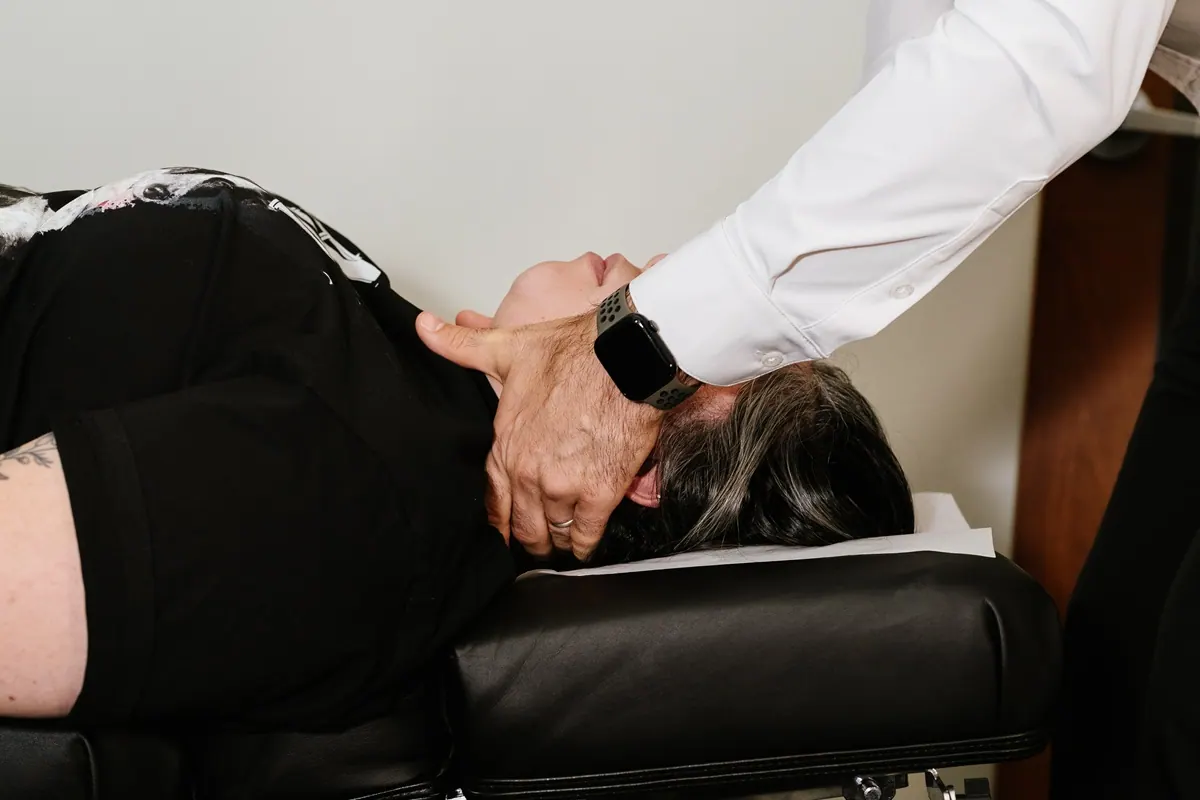
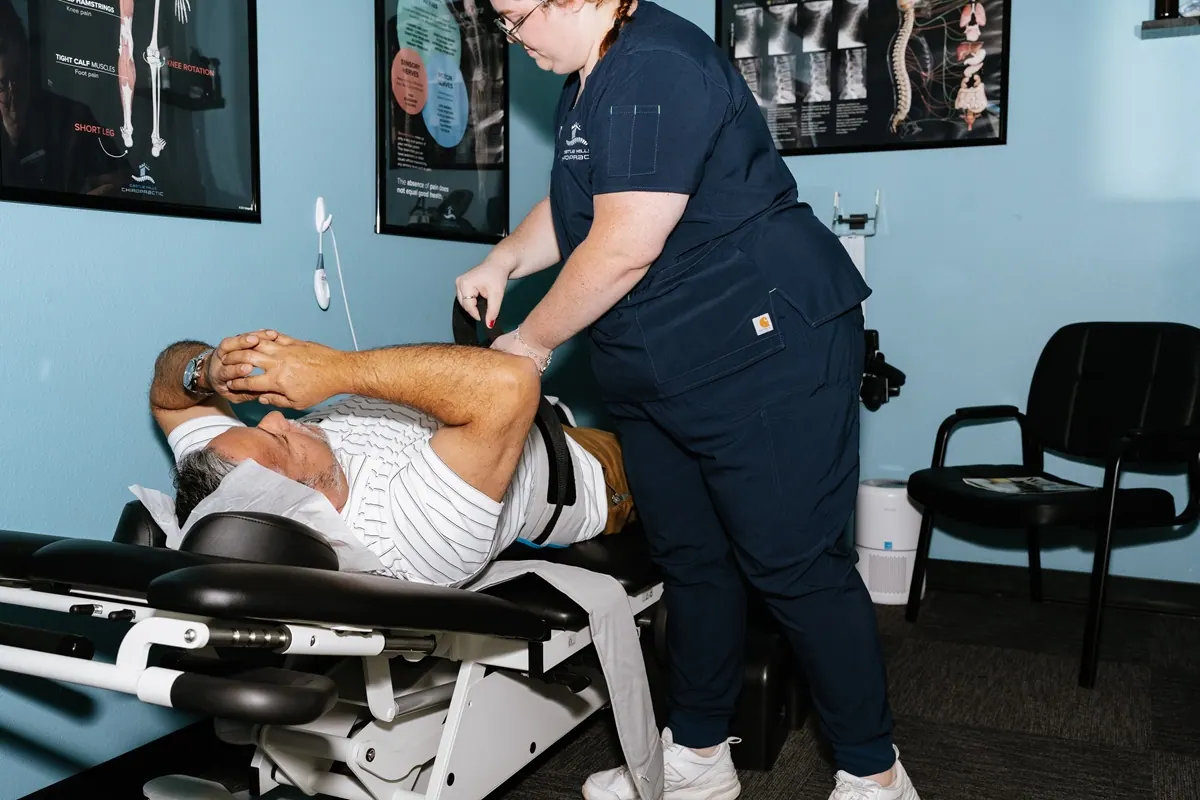
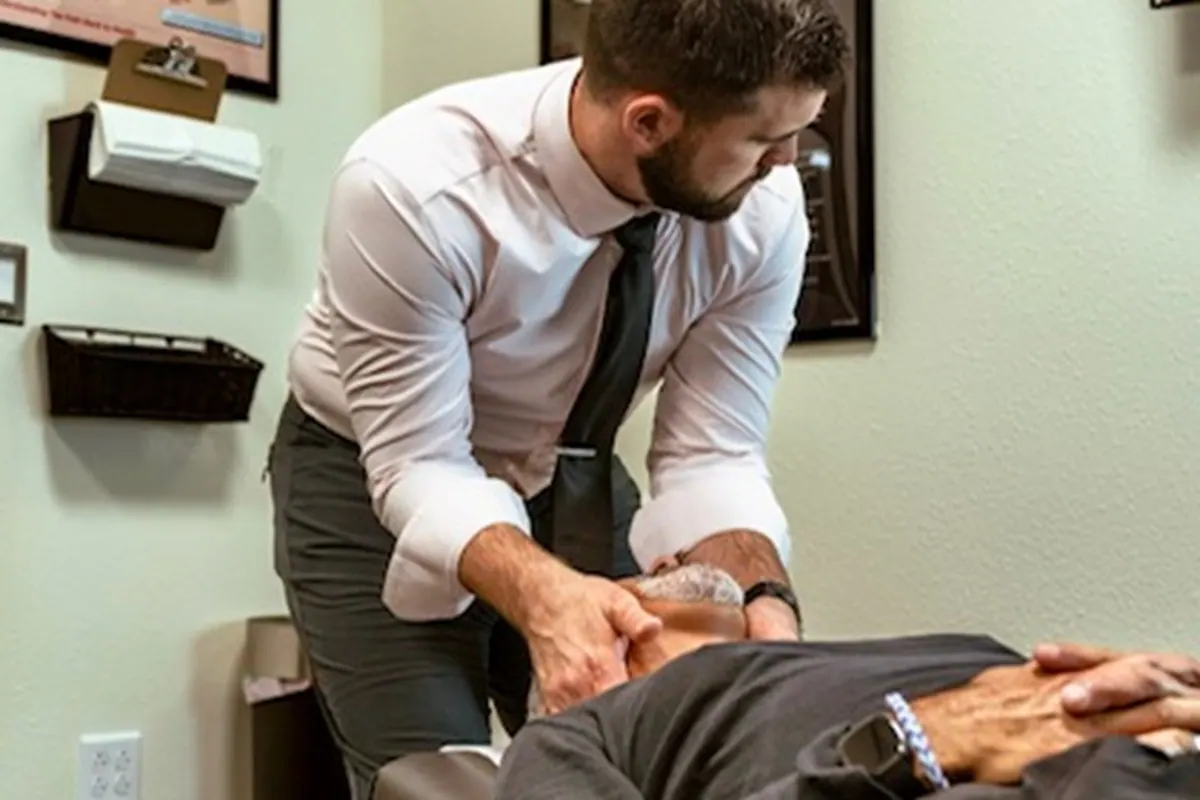
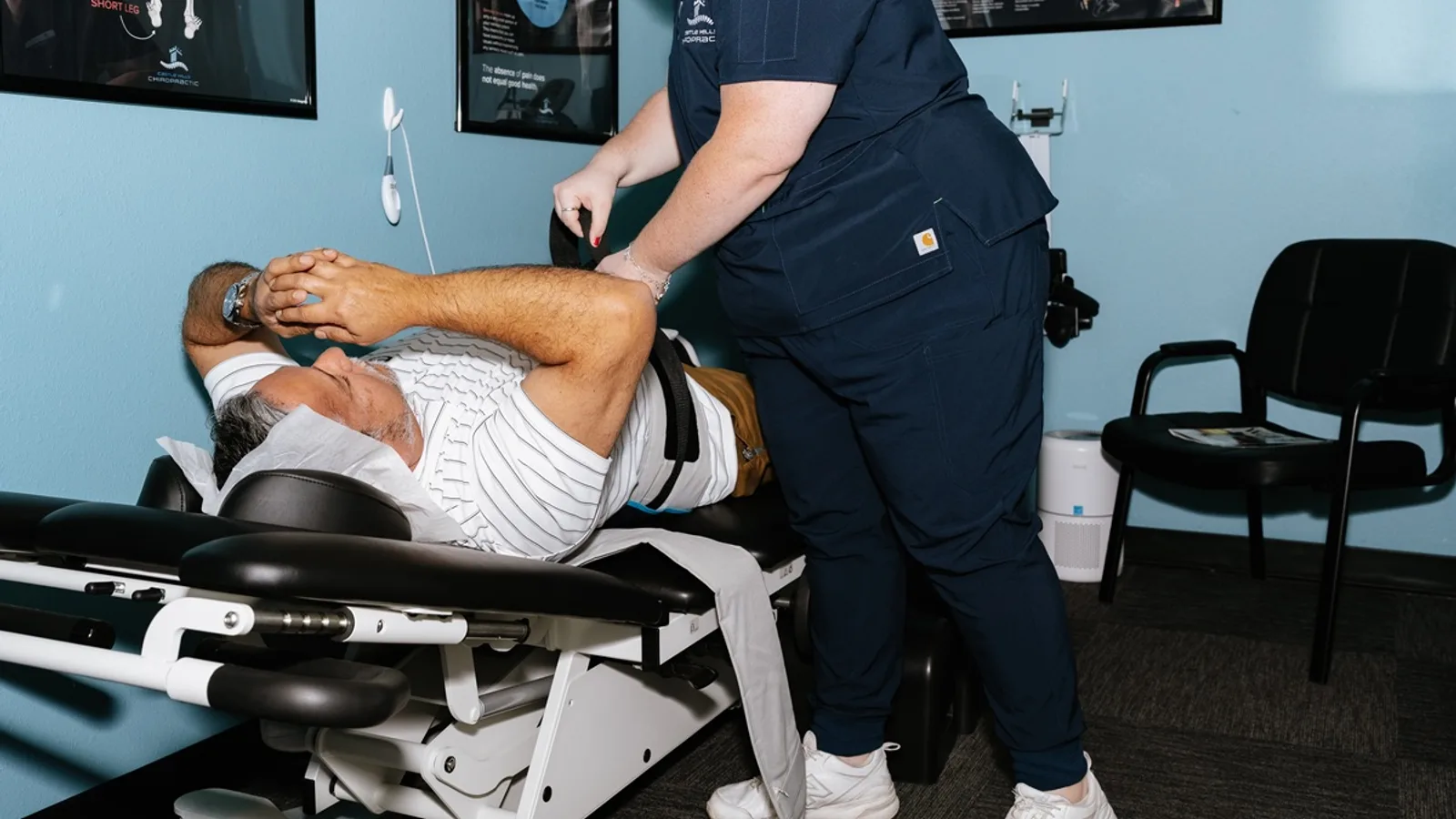
Chiropractic adjustments are a core component of care. These are precise, controlled movements applied to spinal segments or joints that are restricted or misaligned. The goal is to restore normal motion, reduce nerve interference, and help the surrounding muscles relax and function more efficiently. For athletes, this often translates to improved mobility, reduced pain, and a better overall sense of how the body is moving.
Beyond adjustments, chiropractic care for athletes may include soft tissue work to address muscle tension, rehabilitative guidance, and education about movement mechanics and posture habits that may be contributing to pain or performance limitations. It's a whole-body, whole-athlete approach.
Beyond Pain Relief: The Performance Benefits of Chiropractic Care
Here's something that surprises many athletes: chiropractic care isn't just about feeling better. It can genuinely support better athletic performance. This is one of the main reasons professional sports teams across nearly every major sport employ chiropractors as part of their healthcare staff.
When spinal joints move freely and the nervous system is communicating efficiently, the body coordinates movement more effectively. Research suggests that chiropractic adjustments can improve joint range of motion, which directly affects how an athlete can perform skills that require flexibility, rotation, or explosive movement. A swimmer with better thoracic rotation, a quarterback with more shoulder mobility, or a runner with improved hip extension — these are real, measurable physical advantages.
There is also evidence indicating that chiropractic care may help reduce recovery time between training sessions. When the musculoskeletal system is functioning optimally, inflammation and muscle tension tend to resolve more quickly. For athletes training frequently in San Antonio's competitive sports environment, that faster turnaround matters enormously.
Dr. Brent Johnson often works with athletes who initially came in for pain relief but ended up discovering improvements in areas they didn't expect — better balance, improved posture during competition, and reduced muscle fatigue. These benefits are consistent with what the broader chiropractic and sports medicine community has recognized for decades.
Practical Tips for Athletes to Support Their Spine
Chiropractic care works best when it's part of a broader commitment to physical wellness. Here are some practical habits that athletes throughout the San Antonio area can start implementing today to support spinal health and reduce injury risk.
Prioritize your warm-up and cool-down. Skipping these is one of the most common mistakes active people make. A proper warm-up prepares the joints and muscles for load, while a cool-down helps the body begin the recovery process. Dynamic movement before activity and static stretching after can make a meaningful difference in how your body handles training stress over time.
Pay attention to your core. A strong, functional core is one of the best things you can do for your spine. This doesn't mean just doing sit-ups — it means training the deep stabilizing muscles of the trunk that protect the lumbar spine during athletic movement. Exercises like planks, dead bugs, and bird dogs are often recommended in chiropractic and physical therapy settings for exactly this reason.
Watch your posture outside of training. Many athletes are meticulous in the gym but spend hours hunched over a phone or laptop. Poor posture habits off the field create tension and imbalances that carry into performance. If you're sitting for long periods, make sure your workstation is set up ergonomically and take regular movement breaks.
Don't ignore pain signals. Soreness is normal. Sharp, recurring, or worsening pain is not. Pushing through significant pain often makes underlying problems worse. Seeking an evaluation early — before a minor issue becomes a serious injury — is always the smarter play.
When Should an Athlete See a Chiropractor?
If you're an active person in San Antonio, there are several situations where scheduling a visit to Castle Hills Chiropractic makes good sense. The most obvious is when you're in pain — back pain, neck pain, joint stiffness, or recurring discomfort that doesn't resolve with rest are all clear signals that your body needs professional attention.
But you don't have to be in pain to benefit. Athletes who want to improve their range of motion, correct movement imbalances, or simply maintain optimal physical function throughout a season can benefit from regular chiropractic visits. Think of it like routine maintenance for your car — you don't wait for the engine to fail before you change the oil.
There are, however, some situations where chiropractic care alone isn't the right first step and a medical referral is appropriate. These include severe trauma (such as a fall or collision that results in immediate intense pain or neurological symptoms), suspected fracture, signs of significant nerve damage such as numbness, weakness, or loss of bladder or bowel control, and unexplained systemic symptoms like fever accompanying back pain. Dr. Brent Johnson is committed to ensuring every patient gets the right care — and that includes knowing when to refer out.
Chiropractic vs. Other Recovery Approaches for Athletes
Approach | Primary Focus | Drug-Free? | Addresses Root Cause? | Suited for Ongoing Maintenance? |
|---|---|---|---|---|
Chiropractic Care | Spinal alignment, joint mobility, nervous system function | Yes | Yes | Yes |
Pain Medication (OTC/Rx) | Symptom relief | No | No | Not recommended long-term |
Physical Therapy | Strength, mobility, rehabilitation | Yes | Often | Yes |
Massage Therapy | Soft tissue tension, relaxation | Yes | Partially | Yes |
Rest/RICE Method | Acute injury management | Yes | No | No |
Surgery | Structural repair | No | Yes (for specific conditions) | No |
Myths vs. Facts About Chiropractic Care for Athletes
Myth: Chiropractic care is only for people with back pain.
Fact: While back pain is one of the most common reasons athletes seek chiropractic care, the scope goes much further. Chiropractors also address neck pain, shoulder dysfunction, hip tightness, knee alignment issues, and overall biomechanical efficiency. Many athletes use chiropractic care proactively as part of their performance and recovery routine, well before any injury occurs.
Myth: Chiropractic adjustments are dangerous for athletes.
Fact: When performed by a licensed chiropractor, spinal adjustments are considered a safe and well-tolerated form of care. Serious adverse events are rare. In fact, chiropractic care is specifically sought out by many athletes because it is non-invasive and doesn't carry the risks associated with surgery or long-term medication use. As with any healthcare, a proper evaluation beforehand ensures that care is appropriate for each individual.
Myth: Once you start seeing a chiropractor, you have to go forever.
Fact: There is no requirement to continue care beyond your treatment goals. Some patients visit for a specific injury and are discharged once they've recovered. Others choose to maintain regular visits as part of their wellness routine — much like going to the gym. The frequency and duration of care is always a conversation between you and Dr. Brent Johnson, based on your personal goals and how your body responds.
Myth: Chiropractic care is not backed by evidence.
Fact: There is a meaningful and growing body of research supporting chiropractic care for conditions like lower back pain, neck pain, and musculoskeletal dysfunction. Organizations such as the American College of Physicians and the National Center for Complementary and Integrative Health have recognized spinal manipulation as a legitimate conservative care option. Evidence in the sports performance space continues to grow as well.
Myth: You should wait until the pain is severe before seeing a chiropractor.
Fact: Early intervention is almost always better. Minor misalignments and joint restrictions are much easier to address before they lead to muscle compensation patterns, chronic pain, or injury. Athletes in San Antonio who seek care at the first sign of discomfort typically recover faster and experience fewer setbacks than those who wait.
Final Thoughts from Castle Hills Chiropractic
Whether you're training for a triathlon, playing recreational soccer, grinding through CrossFit workouts, or simply trying to stay active and healthy as the years add up, your body deserves the same quality of care you put into your performance. Chiropractic care for athletes isn't a luxury — it's a smart, proactive investment in the longevity of your athletic life.
Here at Castle Hills Chiropractic, serving the Castle Hills community and the greater San Antonio area, Dr. Brent Johnson is passionate about helping athletes of all levels move well, feel their best, and get back to doing what they love. Whether you're managing existing back pain or looking to optimize how your body performs, our team is here to help with compassionate, individualized care that's grounded in solid chiropractic principles.
San Antonio is full of hardworking, determined, passionate athletes — and they deserve a chiropractic partner who takes their goals as seriously as they do. If you've been searching for a chiropractor near you in the San Antonio area, we'd love the opportunity to be part of your team.
Frequently Asked Questions
Can chiropractic care help with sports injuries?
Yes, chiropractic care is commonly used to help manage and recover from a wide range of sports injuries, particularly those involving the spine, joints, and soft tissues. Conditions like lower back strains, SI joint dysfunction, and neck stiffness often respond well to chiropractic treatment. A proper evaluation helps determine whether chiropractic care is appropriate for your specific injury.
How often should an athlete see a chiropractor in San Antonio?
The frequency of care depends on your individual needs, goals, and how your body is responding. Athletes dealing with an acute injury may need more frequent visits initially, while those using chiropractic care for maintenance might visit once or twice a month. Dr. Brent Johnson will work with you to develop a schedule that fits your training and recovery demands.
Is chiropractic care safe for young athletes?
Yes, chiropractic care can be safe and beneficial for young athletes when provided by a qualified chiropractor who takes a thorough patient history and adjusts techniques appropriately for age and development. Youth athletes in the San Antonio area dealing with growth-related musculoskeletal issues or sports injuries can often benefit from conservative chiropractic care.
Does chiropractic care actually improve athletic performance?
Research suggests that chiropractic care can support improvements in joint range of motion, movement efficiency, and recovery time — all of which contribute to better performance. While chiropractic care is not a guaranteed performance enhancer, many athletes notice meaningful improvements in how they move and feel when they incorporate it into their training routine.
What's the difference between seeing a chiropractor and a physical therapist for sports injuries?
Both chiropractors and physical therapists work with athletes on musculoskeletal issues, but they approach care differently. Chiropractic care emphasizes spinal and joint alignment, nervous system function, and manual adjustments. Physical therapy tends to focus more heavily on rehabilitative exercise and strength-based recovery. The two approaches are often complementary, and some patients benefit from both.
Is back pain from athletics normal, or should I be concerned?
Some muscle soreness after intense training is normal. However, recurring back pain, sharp pain, pain that radiates into the legs, or discomfort that doesn't improve with rest warrants a professional evaluation. These types of symptoms could indicate a spinal or joint issue that will benefit from chiropractic care or medical attention.
TL;DR Summary
Chiropractic care for athletes focuses on spinal alignment, joint mobility, and nervous system function to relieve pain and support better performance.
Back pain is extremely common in athletes and is often caused by spinal misalignment, muscle imbalances, or repetitive stress — all of which chiropractic care can help address.
Dr. Brent Johnson at Castle Hills Chiropractic offers individualized chiropractic care for active patients throughout San Antonio and the Castle Hills area.
Athletes can benefit from chiropractic care both reactively (after injury) and proactively (as part of a regular performance and wellness routine).
If you're experiencing persistent back pain, reduced mobility, or recurring sports injuries, scheduling a chiropractic evaluation is a smart, non-invasive first step.