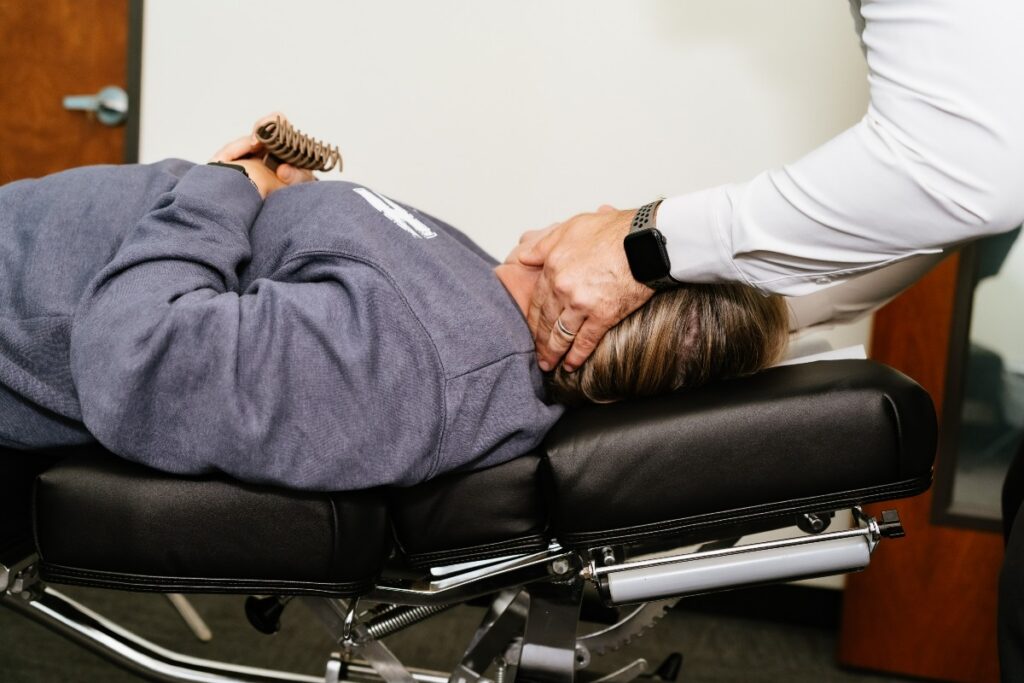

As a chiropractor, I often see patients who are unaware of how significantly their posture can influence their overall back health. The way you sit or stand may seem trivial, but poor posture can lead to misalignment of the spine, putting unnecessary strain on your muscles and ligaments. This can result in chronic pain and discomfort that disrupts your daily activities. What if I told you that by simply improving your posture, you could potentially alleviate that pain? Let’s take a closer look at how your everyday habits might be contributing to these issues, and how chiropractic care can help restore balance and function to your body.
Understanding Posture and Its Importance
As a local chiropractor, I want to emphasize how crucial good posture is for your overall health and well-being. Many people underestimate the importance of how they stand, sit, or move. When you maintain proper alignment of your spine and body, you significantly reduce strain on your muscles and ligaments.
Unfortunately, many individuals don’t recognize that poor posture can lead to discomfort and fatigue, making everyday activities much more difficult. By being intentional about your posture, you can help distribute your weight evenly across your body, which alleviates unnecessary pressure on your joints.
This is where chiropractic care can play a vital role in your life. Improving your posture can be as simple as engaging your core muscles and allowing your shoulders to relax. Whether you’re working at your desk or enjoying a walk, take the time to check in with your body to ensure it’s properly aligned.
Small adjustments—like keeping your feet flat on the ground or choosing a chair that supports your back—can lead to significant improvements.
Remember, maintaining good posture isn’t merely about looking good; it’s a fundamental aspect of your long-term health and comfort. As your chiropractor, I’m here to help guide you on this journey to better posture and overall wellness.
Let’s work together to enhance your quality of life through natural healing and alignment.
The Anatomy of Back Pain
As a local chiropractor, I want to shed some light on back pain, an issue that many people experience but may not fully understand. Back pain can be quite complex, originating from various parts of your body, particularly your spine. Your spine is composed of vertebrae, discs, muscles, and ligaments, all of which work together to support your posture and facilitate movement.
When any of these components become strained or injured, pain can result. For example, if a disc in your spine herniates, it can press on nearby nerves, leading to sharp discomfort or pain that radiates to other areas. Muscle strains, often caused by overdoing it or improper movement techniques, can result in stiffness and a nagging ache.
Additionally, ligaments may become inflamed, further adding to your discomfort.
By understanding the anatomy of back pain, you can better identify its sources and symptoms. This knowledge empowers you to make informed choices about treatment and prevention.
As a chiropractor, I emphasize the importance of recognizing how your body functions, which allows you to take proactive steps in alleviating pain and enhancing your quality of life. Together, we can explore natural healing methods and chiropractic adjustments that promote healing and support your overall well-being.
How Poor Posture Affects Spinal Alignment
As a local chiropractor, I want to help you understand how poor posture can significantly affect your spinal alignment and contribute to discomfort or pain.
When you slouch or hunch over, it disrupts the natural curvature of your spine, leading to misalignment. This misalignment puts unnecessary strain on your muscles and ligaments, forcing them to work harder to support your body. Over time, these compensatory movements can result in chronic pain and reduced flexibility.
If you often find yourself leaning forward or tilting your head down, you may also be experiencing tension in your neck and shoulders, which can further aggravate your spinal issues.
Your spine is designed to evenly distribute your body’s weight, but poor posture disrupts that balance, creating uneven pressure on your vertebrae and discs.
Improving your posture is essential for realigning your spine and alleviating pain. By being mindful of your body’s position throughout the day, you can promote better spinal health and enhance your overall well-being.
Common Postural Habits That Lead to Pain
As a local chiropractor, I often see patients who are unaware of how their everyday habits can significantly impact their spinal health. Have you ever found yourself slouched at your desk or hunched over your phone? This common posture can lead to discomfort and strain on your spine, as it forces your muscles to tighten and work harder than they should.
Another habit that many people don’t realize can cause issues is crossing your legs while sitting. This seemingly innocent position can create an imbalance in your hips and lower back, which may lead to chronic pain over time.
Similarly, if you tend to stand with your weight shifted to one side, you might be setting yourself up for discomfort in the long run.
Even your sleeping positions play a crucial role in maintaining good spinal alignment. Tossing and turning or using the wrong type of pillow can exacerbate alignment issues, contributing to pain and discomfort when you wake up.
These postural habits might appear harmless at first, but they can accumulate and lead to persistent back pain. By becoming more mindful of how you sit, stand, and sleep, you can make a significant difference in preventing discomfort and promoting better spinal health.
As your chiropractor, I encourage you to pay attention to these habits and consider how they might be affecting your overall well-being. Remember, small changes can lead to big improvements!
The Role of Ergonomics in Posture
As a local chiropractor, I want to emphasize the importance of ergonomics in your workspace for maintaining good posture.
When you set up your desk and chair, it’s crucial to adjust your chair height and desk level to fit your body properly. This simple adjustment can significantly reduce the strain on your back and help prevent discomfort.
By investing in an ergonomic workspace, you aren’t just creating a more comfortable environment, but you’re also supporting your spine and overall health.
Ergonomic Workspace Design
As a local chiropractor, I want to share the importance of an ergonomic workspace for your overall health and well-being. A thoughtfully designed workspace can significantly improve your posture and help prevent back pain, which is crucial for maintaining a healthy spine.
By making simple adjustments to your desk, chair, and computer setup, you can create an environment that supports your body’s natural alignment.
It’s essential to position your monitor at eye level. This will help you avoid unnecessary strain on your neck and promote better alignment. Additionally, ensure your keyboard is at a height that allows your elbows to rest comfortably at your sides, reducing tension in your shoulders and arms.
Investing in a chair that provides support for your lower back is vital. This support encourages a neutral spine position, which can alleviate discomfort and prevent long-term issues.
Keep frequently used items within easy reach to minimize twisting and bending, which can exacerbate strain on your back.
By incorporating these ergonomic elements into your workspace, you can maintain good posture throughout your workday. These adjustments not only enhance your comfort but also play a significant role in keeping back pain at bay.
Importance of Chair Height
As a local chiropractor, I want to emphasize the importance of chair height in promoting proper posture and overall spinal health while you work. Many people may not realize that sitting in a chair that’s too high or too low can lead to discomfort and even chronic back pain.
Here are some essential tips to ensure your chair height supports your body’s natural alignment:
- Feet Flat: Ensure that your feet are resting flat on the floor or on a footrest. This helps to distribute your weight evenly and reduces strain on your lower back.
- Knees at 90 Degrees: Aim for your knees to be level with or slightly below your hips. This position helps to maintain the natural curve of your spine.
- Support Your Back: Choose a chair that offers lumbar support. Proper support is vital for maintaining the natural curvature of your spine and preventing slouching.
- Screen Position: Adjust your chair so that your computer screen is at eye level. This minimizes neck strain and helps keep your spine aligned while you work.
By making these adjustments to your workspace, you can help prevent discomfort and promote better spinal health.
Exercises to Improve Posture
As a local chiropractor, I want to share how improving your posture can significantly reduce back pain and enhance your overall well-being. Many of my patients have found that incorporating specific exercises into their daily routines can effectively strengthen the muscles that support good posture.
One great exercise to start with is the wall angel. Simply stand against a wall, keeping your arms at a 90-degree angle, and slide them up and down while ensuring they maintain contact with the wall. This movement is fantastic for opening up your chest and strengthening your upper back.
Another effective exercise is the plank, which engages your core muscles—crucial for maintaining good posture. Aim to hold a plank position for 20-30 seconds, ensuring that your body forms a straight line from your head to your heels.
You can also practice the cat-cow stretch. While on all fours, alternate between arching your back and rounding it. This dynamic movement not only helps increase spinal flexibility but also enhances your awareness of your spinal alignment.
Lastly, don’t forget about shoulder blade squeezes. Pulling your shoulder blades together helps strengthen the muscles in your upper back.
By regularly performing these exercises, you can achieve lasting improvements in your posture, which is essential for your overall health.
If you have any questions or need assistance with these exercises, don’t hesitate to reach out. Your journey to better posture and well-being starts here!
Tips for Maintaining Good Posture Throughout the Day
As a chiropractor, I want to help you understand the importance of maintaining good posture throughout your day. One of the first steps you can take is to establish an ergonomic workstation that truly supports your body. This means adjusting your chair, desk, and computer screen to promote a natural alignment of your spine.
In addition to creating a supportive work environment, it’s crucial to practice mindful sitting techniques. Pay attention to how you sit—keep your feet flat on the ground, your back straight, and avoid slouching.
Don’t forget to incorporate regular stretch breaks into your routine. Taking time to stretch can help keep your muscles flexible and reduce tension, contributing to your overall comfort.
Ergonomic Workstation Setup
As a chiropractor, I want to emphasize the importance of creating an ergonomic workstation to support your overall health and well-being.
Proper posture is crucial in preventing discomfort and strain, particularly in your back and neck. Here are four key recommendations to help you establish an ergonomic workspace:
- Chair Height: It’s vital to adjust your chair so that your feet rest flat on the floor, with your knees aligned with your hips. This positioning helps maintain the natural curve of your spine and reduces strain.
- Monitor Position: Position your monitor at eye level, about an arm’s length away. This setup encourages you to sit back in your chair rather than leaning forward, which can lead to neck and shoulder tension.
- Keyboard and Mouse Placement: Keep your keyboard and mouse close to you, allowing your elbows to remain at a comfortable 90-degree angle. This alignment can help prevent strain in your wrists and forearms.
- Desk Organization: Organize your desk so that items you use frequently are easily accessible. This minimizes the need for awkward movements and reaching, which can contribute to discomfort over time.
By following these guidelines, you can create a workspace that not only enhances your productivity but also supports your spine health.
Mindful Sitting Techniques
As a local chiropractor, I want to emphasize the importance of mindful sitting techniques, even if you have an ergonomic workstation. Good posture is crucial in maintaining your spinal health, and it starts with how you sit.
Begin by ensuring you sit all the way back in your chair; this allows your back to receive the support it needs. Your feet should be flat on the floor, or you can use a footrest if necessary. It’s important that your knees are at or slightly below hip level—this helps to avoid unnecessary strain on your lower back, so try to avoid crossing your legs.
Next, position your computer screen at eye level. This will help prevent neck strain, which is a common issue I see in my practice. Remember to keep your shoulders relaxed and your elbows close to your body, ideally forming a 90-degree angle.
Engaging your core muscles can also provide additional support for your spine. Incorporating these mindful sitting techniques not only helps protect your back but also promotes better overall posture, which can lead to improved well-being.
If you have any questions or need personalized advice, feel free to reach out. Your spine will thank you!
Regular Stretch Breaks
As a chiropractor dedicated to your well-being, I want to emphasize the importance of incorporating regular stretch breaks into your daily routine, even if you have a well-designed ergonomic setup.
Stretching is vital for maintaining healthy posture and preventing discomfort. Here are some effective stretches I recommend:
- Neck Rolls: Gently roll your head from side to side. This simple movement can help alleviate tension that often builds up in the neck, especially if you spend long hours sitting.
- Shoulder Shrugs: Lift your shoulders towards your ears, hold them for a moment, and then release. This exercise can help loosen tight muscles in your shoulders and upper back.
- Upper Back Stretch: Interlace your fingers and extend your arms forward while rounding your upper back. This stretch is fantastic for counteracting the forward hunch that can occur from prolonged sitting.
- Hip Flexor Stretch: Stand up and take a step back with one foot while bending the front knee. This stretch targets the hip flexors, which can become tight from sitting and can contribute to lower back pain.
To make these stretches a regular part of your routine, I recommend setting a timer to remind yourself to take a break every hour.
Your body, especially your back, will thank you for it! Remember, maintaining mobility and flexibility is key to a healthy spine and overall wellness.
When to Seek Professional Help for Back Pain
As a local chiropractor, I often encounter patients who are unsure about when to seek professional help for back pain. It’s important to listen to your body; if your discomfort lasts for more than a few weeks, it’s time to consider a consultation. Severe pain that doesn’t improve with rest or over-the-counter medications is another signal that professional care might be necessary.
Be mindful of certain warning signs, such as numbness, tingling, or weakness in your legs, and any pain that radiates down your leg. These symptoms can indicate that a more serious issue is at play, and getting checked out is crucial. If your back pain arises after a fall or injury, don’t delay in seeking treatment.
Additionally, keep an eye out for unexplained weight loss, fever, or changes in bowel and bladder function—these are red flags that shouldn’t be ignored. Early intervention through chiropractic care can help prevent more serious complications down the road.
Trust your instincts; if something feels off, it’s always better to err on the side of caution and seek a professional opinion. Your health is invaluable, and taking proactive steps can lead to more effective and natural healing.
Conclusion
As a local chiropractor, I want to emphasize how poor posture can significantly contribute to back pain. When your posture is misaligned, it can strain your muscles and misalign your spine, leading to discomfort over time. Understanding the importance of proper alignment is crucial for your overall health.
By being mindful of your posture and incorporating ergonomic solutions into your daily routine, like adjusting your workspace and practicing good sitting habits, you can help alleviate and prevent back pain. Additionally, exercises designed to strengthen your core and improve flexibility can be incredibly beneficial in maintaining alignment.
If you find yourself dealing with persistent back pain, I encourage you to seek professional help. Chiropractic care focuses on natural healing and can effectively address your discomfort by realigning your spine and enhancing your overall well-being. Remember, taking steps to care for your posture today can lead to a healthier, pain-free tomorrow. Your back will thank you!