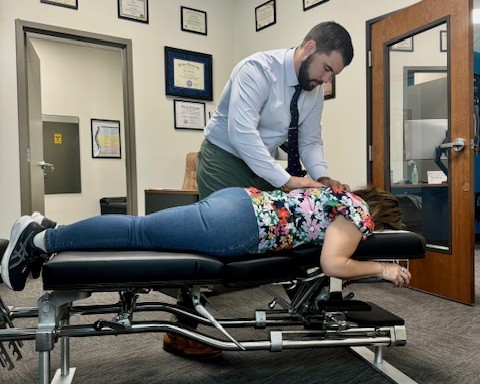

As a local chiropractor, I understand how debilitating back pain can be and the profound impact it can have on your daily activities. Many of my patients are surprised to learn that there are numerous effective remedies available that can help alleviate discomfort and enhance your overall wellness. From simple stretching exercises to various alternative therapies, a wide range of options can aid in easing your pain. Are you curious about which methods might be the most beneficial for you? Let’s delve into some of the top chiropractic and natural healing strategies for back pain relief that could significantly improve how you feel.
Stretching and Exercise
As your local chiropractor, I want to share how incorporating stretching and exercise into your daily routine can play a vital role in managing and alleviating back pain. Many patients are surprised to learn that regular stretching not only enhances flexibility but also helps reduce muscle tension and promotes better posture. This can significantly ease discomfort in your back.
For instance, simple stretches like the cat-cow or child’s pose can greatly enhance your spinal mobility, which is essential for overall back health.
In addition to stretching, I encourage you to engage in low-impact exercises such as walking or swimming. These activities are excellent for strengthening your core muscles, which provide crucial support to your spine. A strong core acts as a protective barrier against potential injuries and can help diminish existing pain.
I recommend aiming for at least 30 minutes of moderate activity most days of the week. However, it’s essential to listen to your body. If you experience any pain, don’t hesitate to modify your movements or reach out to a healthcare professional for guidance.
Remember, consistency is vital. By making stretching and exercise an integral part of your daily routine, you’re likely to see improvements in your back pain over time.
You have the power to take charge of your back health, and I’m here to support you on this journey!
Heat Therapy
As a local chiropractor, I often recommend heat therapy as a simple yet effective method to relieve back pain. This natural approach can enhance your healing process by increasing blood flow, relaxing tight muscles, and soothing discomfort.
Here are some benefits you may experience from incorporating heat therapy into your routine:
- Enhances flexibility by loosening tight muscles, which can help improve your range of motion.
- Reduces stiffness in your back, making it easier to move throughout the day.
- Promotes relaxation and helps to alleviate stress, contributing to your overall well-being.
- Improves circulation, which is essential for healing and recovery.
- Can be easily combined with other treatments or therapies for a holistic approach to pain management.
You can utilize various heat sources such as heating pads, warm towels, or even hot baths. I recommend applying heat for about 15-20 minutes at a time, allowing your skin to cool down before reapplying.
It’s crucial to listen to your body during this process; if you experience any discomfort, please stop immediately.
Heat therapy can be especially beneficial after a long day at work or following intense physical activity, and it serves as a wonderful complement to chiropractic care.
Cold Therapy
As a local chiropractor dedicated to helping you understand natural healing methods, I want to highlight the benefits of cold therapy for relieving back pain, particularly when inflammation and swelling are present.
By applying cold packs or ice wrapped in a cloth to the affected area, you can effectively numb the pain and reduce swelling. I recommend aiming for 15 to 20 minutes of application, allowing your skin to return to its normal temperature before reapplying to avoid any adverse effects.
You can easily use commercial cold packs, ice bags, or even a bag of frozen vegetables if you’re in a pinch. Just remember to avoid direct contact with ice to prevent frostbite. Cold therapy is particularly beneficial immediately following an injury or flare-up, so I encourage you to be proactive in your approach to managing pain.
Additionally, consider alternating between heat and cold therapy for an even more effective pain relief strategy.
It’s important to listen to your body and find what works best for you, as everyone’s response to cold therapy can vary. By incorporating these techniques into your self-care routine, you can enhance your healing process and support your overall well-being.
Over-the-Counter Pain Relief
When back pain strikes, it’s important to consider all your options for relief, and as a local chiropractor, I want to help you understand how over-the-counter (OTC) pain medications can play a role in your recovery journey.
While chiropractic care focuses on natural healing and addressing the root causes of pain, OTC medications can provide quick relief when needed. Here’s a brief overview of some common OTC options that might be helpful:
- Ibuprofen: This medication is known for its anti-inflammatory properties, which can help reduce swelling and ease pain in your back.
- Acetaminophen: A suitable choice if you have sensitivities to nonsteroidal anti-inflammatory drugs (NSAIDs), it can help alleviate pain without affecting inflammation.
- Naproxen: If you’re looking for longer-lasting pain relief, naproxen is a great option that can help keep you comfortable throughout the day.
- Aspirin: While it can be effective for managing mild to moderate pain, be cautious as it may cause stomach discomfort for some individuals.
- Topical analgesics: These creams or patches can be applied directly to the painful area, providing localized relief that can complement your chiropractic treatments.
Before taking any OTC medication, I encourage you to read the labels carefully and consult with me or another healthcare provider, especially if you have existing health conditions or are on other medications.
Understanding your body and how these medications interact with your health is key to finding the best approach for your situation.
While OTC pain relief can be beneficial in the short term, it’s essential to focus on addressing the underlying causes of your back pain through chiropractic care and other natural healing methods for long-term solutions.
Together, we can create a comprehensive plan to help you feel better and stay healthy.
Massage Therapy
As a local chiropractor, I want to share how massage therapy can complement chiropractic care in alleviating back pain. While many people think of over-the-counter medications as the only solution, integrating massage therapy can be a powerful approach to enhance your overall well-being.
Massage targets muscle tension and promotes relaxation, which can improve blood flow and reduce stiffness in your back. There are various techniques available, such as deep tissue, Swedish, and trigger point massage, each providing unique benefits tailored to your specific needs.
When you come in for a session, it’s essential to communicate clearly about the areas where you’re experiencing pain. This information allows the therapist to adjust their pressure and focus on specific knots or tight spots that may be contributing to your discomfort.
Regular massage sessions can significantly enhance your flexibility and range of motion, making everyday activities much easier and more enjoyable.
Remember, you don’t have to wait until your pain becomes unbearable. Preventative massages can be an excellent addition to your routine, helping to keep your back healthy and functioning optimally.
Proper Posture
As your local chiropractor, I want to emphasize the critical role that proper posture plays in preventing and alleviating back pain. Many patients are surprised to learn that simple adjustments to their daily habits can make a significant difference in their overall comfort.
By focusing on ergonomics and employing techniques for better alignment, you can greatly reduce the strain on your back.
Let’s take a closer look at how these adjustments can lead to lasting relief. It’s not just about sitting up straight; it’s about understanding how your body moves and how to support it effectively.
With the right posture, you can improve your body’s natural ability to heal and function optimally. Together, we can work towards a more pain-free life through awareness and practical changes that promote better spinal health.
Importance of Ergonomics
As a local Chiropractor, I want to emphasize the importance of maintaining good posture for your overall health and well-being. Many people don’t realize how critical ergonomics is in preventing back pain and promoting a healthier lifestyle.
By incorporating simple ergonomic practices into your daily routine, you can significantly alleviate strain on your back and improve your quality of life. Here are some essential tips to consider:
- Align Your Body: Aim to keep your head, shoulders, and hips in a straight line. This alignment helps distribute your body weight evenly and reduces stress on your spine.
- Foot Positioning: Make sure your feet are flat on the floor or on a footrest. This helps stabilize your body and supports proper posture.
- Chair Adjustment: Adjust your chair so it supports your lower back. A chair that provides good lumbar support can help maintain the natural curve of your spine.
- Screen Height: Position your computer screen at eye level to prevent unnecessary strain on your neck. This simple adjustment can make a big difference in how you feel throughout the day.
- Regular Breaks: Don’t forget to take regular breaks to stretch and change positions. This practice can help reduce muscle tension and improve circulation.
By following these ergonomic tips, you can take proactive steps towards better spinal health and overall wellness.
If you have any questions or need further guidance, feel free to reach out. Your spine will thank you!
Techniques for Alignment
As your local chiropractor, I want to emphasize the importance of proper alignment for your back health and overall comfort. Many people may not realize how crucial it’s to maintain a neutral spine when sitting or standing. It’s essential to keep your shoulders relaxed and aligned over your hips, ensuring that your ears are in line with your shoulders.
When it comes to sitting, I recommend using a chair that provides adequate support for your lower back. Additionally, it’s important to adjust your workstation—your monitor should be at eye level, and your feet should rest flat on the ground to promote better posture.
If you often find yourself hunching over your phone, try holding it at eye level to reduce strain on your neck and back.
During any physical activities, make sure to engage your core muscles; they play a vital role in supporting your spine. I also encourage you to regularly check in with your posture throughout the day. Even small adjustments can lead to significant improvements in your back health.
Ergonomic Adjustments
As a local chiropractor, I want to emphasize the importance of making ergonomic adjustments in your workspace to alleviate back pain.
One of the first steps is to choose an office chair that provides adequate support for your lower back. This can make a significant difference in your comfort levels throughout the day.
Additionally, it’s crucial to adjust your desk height so that your elbows are positioned at a comfortable angle while you work.
These simple yet effective changes can greatly enhance your overall comfort and help reduce strain on your body, allowing for a more productive and pain-free work experience.
Office Chair Selection
As a local chiropractor, I want to emphasize the importance of choosing the right office chair for your overall health and well-being.
The chair you sit in during your workday can significantly affect your comfort, posture, and even your spinal health. An ergonomic chair is designed to provide support for your back and encourage proper alignment.
When selecting an office chair, here are some key features to look for:
- Adjustable Seat Height: This allows you to position your legs correctly, reducing strain on your knees and hips.
- Lumbar Support: A chair with good lumbar support helps maintain the natural curve of your spine, which is crucial for preventing discomfort and injury.
- Seat Depth Adjustment: This feature ensures that your thighs receive adequate support while allowing your back to rest against the chair’s backrest.
- Adjustable or Removable Armrests: Armrests can help alleviate shoulder strain, particularly if they can be adjusted to your preferred height.
- Breathable Fabric: A chair made from breathable materials can help keep you cool and comfortable, allowing you to focus on your work rather than your discomfort.
Taking the time to select the right office chair can help minimize back pain and improve your overall work experience.
Remember, your comfort is essential for maintaining concentration and efficiency throughout your day.
If you have any questions about how your chair or workspace might be impacting your health, please feel free to reach out to me for guidance.
Desk Height Adjustment
As a chiropractor, I often emphasize the importance of creating a workspace that supports your body’s natural alignment, and desk height is a crucial factor in this equation.
While many people focus on selecting the perfect ergonomic chair, the right desk height is equally vital for your comfort and posture. An appropriate desk height allows your forearms to rest parallel to the floor while typing, which can significantly reduce strain on your shoulders and back. Ideally, your elbows should form a 90-degree angle.
If your desk is set too high, you may find yourself hunching over, leading to discomfort and potential long-term issues. Conversely, if it’s too low, you might strain your neck, which can also lead to pain.
To find the right adjustment, ensure your feet are flat on the ground and your knees are at a right angle. Taking the time to set up your desk correctly can greatly alleviate back pain and enhance your productivity.
A well-adjusted workspace is a step towards better ergonomics and comfort, supporting your overall health and well-being.
Yoga and Mindfulness
As a local chiropractor, I want to share how incorporating yoga and mindfulness into your daily routine can significantly alleviate back pain and enhance your overall well-being.
These natural practices not only improve flexibility and strength but also promote relaxation, which is essential for easing tension in your back.
Here are some key benefits of yoga and mindfulness that can aid in back pain relief:
- Increased Flexibility: Engaging in gentle stretches can help loosen tight muscles in your back, promoting better mobility.
- Improved Posture: Yoga emphasizes proper alignment, which can reduce strain on your spine and help prevent injuries.
- Stress Reduction: Mindfulness techniques are effective in lowering stress levels, a common contributor to muscle tension and discomfort.
- Enhanced Body Awareness: Practicing mindfulness helps you become more attuned to your body’s signals, allowing you to recognize and address tension before it leads to pain.
- Pain Management: Regular engagement in these practices can diminish the perception of pain and improve your ability to cope with discomfort.
By integrating yoga and mindfulness into your lifestyle, you can support your chiropractic care and promote a healthier, pain-free back.
Let’s work together to achieve your wellness goals!
Acupuncture
As a local chiropractor, I want to introduce you to an intriguing method that can complement your back pain management: acupuncture.
This natural healing technique focuses on stimulating specific points on your body to relieve tension and promote healing.
Let’s delve into how acupuncture works, its benefits for alleviating back pain, and what you can expect during a treatment session.
How Acupuncture Works
As a local chiropractor, I understand that many individuals may have doubts about alternative therapies, but I want to share with you the benefits of acupuncture, particularly for alleviating back pain.
This time-honored practice involves the insertion of thin needles into specific points on the body, which helps to stimulate the natural flow of energy. By focusing on these acupoints, acupuncture works to restore balance within your body, ultimately promoting healing.
Here’s how acupuncture can be beneficial:
- Stimulates Endorphin Release: This process can significantly help in reducing your perception of pain.
- Improves Blood Circulation: Enhanced blood flow means better delivery of nutrients and oxygen to your tissues, supporting recovery.
- Reduces Muscle Tension: By relaxing tight muscles, acupuncture can help ease discomfort and improve mobility.
- Modulates Inflammation: It can assist in reducing swelling in areas that may be causing you pain.
- Promotes Relaxation: By alleviating stress, acupuncture addresses a key factor that can contribute to your pain levels.
Incorporating acupuncture into your wellness routine can complement chiropractic care, leading to a more holistic approach to your health.
If you’re curious about how these therapies can work together for your back pain, I’d be happy to discuss it further with you!
Benefits for Back Pain
As a local chiropractor, I often encounter patients seeking effective ways to manage their back pain, and I want to share with you one valuable option: acupuncture. This ancient practice can be a beneficial complement to your chiropractic care. By targeting specific points in your body, acupuncture promotes natural healing and can help alleviate your discomfort.
Many of my patients have reported experiencing reduced inflammation and increased blood flow, which can significantly ease tension in your back muscles. After a few sessions, you might notice a decrease in pain levels and an improvement in your overall mobility.
Moreover, acupuncture can also help to reduce stress and promote relaxation, which is essential for coping with chronic pain. Incorporating this holistic approach into your routine, alongside chiropractic adjustments, may not only provide relief but also enhance your overall well-being.
If you haven’t considered acupuncture as part of your treatment plan, I encourage you to explore it as a natural and effective remedy for back pain. Together, we can work towards achieving a healthier, pain-free life.
Treatment Session Overview
When you come in for your chiropractic session, the first step will be a one-on-one consultation with me, your chiropractor. We’ll discuss your specific back pain concerns and your overall health history. This initial conversation is crucial as it allows us to tailor a personalized treatment plan that addresses your unique needs.
During the session, you can expect the following:
- A soothing atmosphere designed to promote relaxation
- A thorough assessment of your pain and health background
- A hands-on adjustment technique that may involve gentle manipulation of your spine and joints
- Advice on post-treatment care, including stretches and exercises to support your recovery
- A follow-up plan to regularly monitor your progress and make any necessary adjustments to your treatment
My goal is to help you understand the benefits of chiropractic care as a natural approach to healing and maintaining your overall health.
Essential Oils and Herbal Remedies
As a local chiropractor, I want to introduce you to the benefits of essential oils and herbal remedies for managing back pain. These natural approaches can provide soothing relief without the side effects often associated with pharmaceuticals.
For instance, essential oils such as lavender, peppermint, and eucalyptus can be particularly effective. You can apply them topically or use a diffuser to create a calming atmosphere at home. Just remember, when applying them directly to your skin, it’s important to dilute the oils with a carrier oil like coconut or jojoba to prevent any irritation.
In addition to essential oils, herbal remedies like turmeric and ginger are known for their anti-inflammatory properties, which can be beneficial in reducing pain. You can enjoy these herbs in the form of teas, supplements, or by adding them to your meals for added flavor and health benefits.
Before starting any new treatment, I always recommend consulting with a healthcare professional to ensure it’s right for you.
Combining these natural remedies with gentle stretching or yoga can further enhance your relief and promote overall wellness. By exploring these options, you’re taking an important step toward managing your back pain in a natural and effective way, and I’m here to support you on that journey.
Conclusion
As a local chiropractor, I want to share some effective remedies that can greatly assist you in managing back pain. Incorporating these approaches into your daily routine can lead to significant improvements. Simple stretches, applying heat or cold, and exploring massage therapy can each offer unique benefits tailored to your needs.
Additionally, don’t underestimate the power of mindfulness and making ergonomic adjustments in your work and home environment to support your spine. It’s essential to listen to your body and be aware of what it’s telling you. If you’re ever in doubt, consulting with a healthcare professional is a wise step.
By embracing these natural healing methods, you’ll be on the path to not only finding relief from back pain but also enhancing your overall well-being. Remember, chiropractic care focuses on the body’s natural ability to heal itself, and with the right tools and techniques, we can work together to support your journey to better health.