
If you’ve been diagnosed with a herniated disc, you’ve probably been told to rest, take medication, and wait it out. Maybe you’ve tried injections or are considering surgery. Yet months later, you’re still struggling with the same pain, numbness, or weakness that brought you to the doctor in the first place. You’re not alone. Many patients here in Castle Hills find that conventional herniated disc treatments provide only temporary relief—or worse, they actually prolong recovery and create new problems. Understanding why certain approaches fall short can help you make better decisions about your care and explore conservative options that address the root cause rather than just masking symptoms.
This article will walk you through the most common herniated disc treatments, explain why many of them backfire, and show you what research suggests actually works for long-term recovery. Whether you’re dealing with lower back pain, sciatica, or neck issues, the information here can help you take control of your healing journey.
What is a herniated disc? A herniated disc occurs when the soft, gel-like center of a spinal disc pushes through a tear in the tougher outer layer, potentially pressing on nearby nerves. This can cause localized pain, radiating discomfort, numbness, tingling, or weakness in the arms or legs depending on which disc is affected.
Table of Contents
- Understanding Herniated Discs and Why Treatment Matters
- Why Prolonged Rest and Immobilization Backfire
- The Medication Trap: Temporary Relief, Long-Term Problems
- Injection Limitations and Dependency Risks
- When Surgery Creates More Problems Than It Solves
- How Chiropractic Care Addresses Herniated Discs Differently
- Why Movement and Proper Mechanics Matter More Than Rest
- Practical Steps to Support Your Recovery
- When to Seek Chiropractic Evaluation
- Treatment Approaches Comparison
- Myths vs. Facts About Herniated Disc Treatment
- Final Thoughts
- Frequently Asked Questions
- TL;DR: Key Takeaways
Understanding Herniated Discs and Why Treatment Matters
Your spinal discs act as shock absorbers between the vertebrae, allowing your spine to bend, twist, and handle daily stress. Each disc has a tough outer ring called the annulus fibrosus and a softer inner core called the nucleus pulposus. When excessive force, repetitive strain, or degenerative changes weaken the outer ring, the inner material can bulge or rupture through—this is a herniation.
Not all herniations cause symptoms. Research indicates that many people walking around without any pain have disc herniations visible on MRI. The problem arises when the herniated material compresses or irritates a nerve root, causing inflammation and nerve dysfunction. This can lead to sharp pain in the back or neck, radiating pain down the leg or arm, numbness, tingling, or muscle weakness.
The key issue with many conventional treatments is that they focus exclusively on symptom suppression rather than addressing the mechanical dysfunction, inflammation patterns, and movement compensations that perpetuate the problem. Here in Castle Hills, Dr. Brent Johnson sees patients every week who have been through multiple treatment attempts without addressing these underlying factors. The result is a frustrating cycle of temporary relief followed by recurring flare-ups.
Understanding why certain treatments fail helps you avoid the same pitfalls and choose approaches that support genuine healing and functional restoration.
Why Prolonged Rest and Immobilization Backfire
One of the most common recommendations after a herniated disc diagnosis is to rest and avoid activity. While brief rest during acute flare-ups can be appropriate, prolonged immobilization creates more problems than it solves.
When you stop moving, several harmful changes occur. Muscles that support your spine begin to weaken and atrophy within days. Spinal joints become stiff, reducing normal range of motion. Blood flow to injured tissues decreases, slowing healing. Perhaps most importantly, the nervous system becomes hypersensitive, lowering your pain threshold and making you more vulnerable to future episodes.
Research has consistently shown that extended bed rest for back pain leads to longer recovery times, increased disability, and higher risk of chronic pain compared to staying active within tolerance. The spine is designed to move. Discs receive nutrition through movement—when you bend, twist, and move normally, fluid and nutrients flow in and out of the disc tissue. Immobility starves the disc of this essential nourishment.
Another problem with prolonged rest is the development of fear-avoidance behavior. When patients are told to avoid activity, they often become afraid of normal movements, leading to guarded posture, muscle tension, and movement patterns that actually increase stress on the injured disc. This psychological component can be just as problematic as the physical changes.
At Castle Hills Chiropractic, the focus is on appropriate movement and controlled loading rather than prolonged rest. Strategic movement helps maintain disc nutrition, preserve muscle function, and prevent the downward spiral of deconditioning and chronic pain.
The Medication Trap: Temporary Relief, Long-Term Problems
Pain medications are often the first line of treatment for herniated discs. While they can provide short-term relief, they come with significant drawbacks that many patients aren’t fully informed about.
Over-the-counter NSAIDs like ibuprofen reduce inflammation and pain, but long-term use carries risks including stomach ulcers, kidney damage, cardiovascular problems, and interference with tissue healing. Research suggests that NSAIDs may actually slow the healing of soft tissue injuries by disrupting the natural inflammatory process that initiates repair.
Prescription pain medications, including opioids and muscle relaxants, present even greater concerns. These drugs mask pain without addressing the underlying mechanical problem. They can impair balance and coordination, increasing fall risk. Opioids carry significant addiction potential and have contributed to a national health crisis. Muscle relaxants often cause drowsiness and don’t actually relax specific problem muscles—they create a generalized sedative effect.
Perhaps the biggest problem with relying on medication is the false sense of improvement it creates. When pain is masked, patients often resume activities that further stress the injured disc, leading to additional damage. The medication prevents the body’s natural feedback system from warning you about harmful movements and positions.
Medications also don’t address the biomechanical dysfunction, muscle imbalances, and joint restrictions that contributed to the herniation in the first place. When the medication wears off, patients find themselves back where they started—or worse.
Conservative care approaches like chiropractic focus on restoring proper mechanics and reducing nerve irritation naturally, without the side effects and dependency risks associated with long-term medication use.
Injection Limitations and Dependency Risks
Epidural steroid injections have become a popular option for herniated disc pain, particularly when nerve compression causes radiating symptoms. While these injections can provide temporary relief for some patients, they have significant limitations and risks that deserve careful consideration.
Steroid injections work by delivering powerful anti-inflammatory medication directly into the epidural space around the spinal cord and nerve roots. The goal is to reduce swelling and inflammation, thereby decreasing nerve irritation. For some patients, this provides a window of reduced pain that allows them to participate in rehabilitation.
However, the relief is often short-lived. Studies show that while many patients experience initial improvement, the benefits typically diminish within weeks to months. The injection does nothing to address the mechanical cause of the herniation or the movement dysfunctions that stress the disc. As a result, many patients require repeated injections, each carrying its own risks.
Multiple epidural injections can lead to complications including tissue weakening, bone density loss, immune system suppression, elevated blood sugar, and increased infection risk. The injections themselves carry procedural risks such as nerve damage, bleeding, headache, and in rare cases, paralysis or death.
Another concern is that steroid injections may mask serious progressive neurological problems. If numbness or weakness is worsening but pain is suppressed by the injection, critical warning signs may be missed until permanent nerve damage occurs.
Many patients in Castle Hills come to Dr. Brent Johnson after multiple rounds of injections have failed to provide lasting relief. The pattern is predictable: initial improvement followed by return of symptoms, leading to more injections and increasing frustration. This cycle prevents patients from addressing the actual biomechanical problems perpetuating their condition.
When Surgery Creates More Problems Than It Solves
When other treatments fail, surgery is often presented as the final solution for herniated discs. While surgery can be appropriate in specific cases—particularly when progressive neurological deficits threaten permanent damage—it’s frequently recommended too quickly and for conditions that would respond well to conservative care.
The most common surgical procedures for herniated discs include microdiscectomy, laminectomy, and spinal fusion. Each procedure removes, trims, or stabilizes spinal structures to relieve nerve compression. While modern techniques have improved outcomes, surgery still carries substantial risks and limitations.
First, surgery addresses only the current herniation—it doesn’t fix the movement patterns, muscle imbalances, and biomechanical dysfunctions that led to the disc herniation in the first place. Studies show that patients who undergo disc surgery without addressing these underlying factors have high recurrence rates. Adjacent segment disease is also common, where discs above or below the surgical site herniate within years of the initial surgery due to increased stress transfer.
Surgical complications can include infection, bleeding, nerve damage, chronic pain at the surgical site, failed back surgery syndrome, and in cases of fusion, permanent loss of spinal mobility. Even successful surgeries often leave patients with lingering symptoms or new problems related to altered spinal mechanics.
Perhaps most concerning is evidence that many patients undergo unnecessary surgery. Research published in medical journals has shown that a significant percentage of patients scheduled for disc surgery improve with conservative care alone when given adequate time and appropriate treatment. The natural history of many disc herniations involves gradual resorption—the body breaks down and absorbs the herniated material over months, reducing nerve compression without surgical intervention.
At Castle Hills Chiropractic, the approach is to exhaust appropriate conservative options before considering surgery. Many patients who were told surgery was their only option experience significant improvement through specific chiropractic adjustments, targeted rehabilitation, and correction of movement dysfunction. Surgery can be valuable in the right situations, but it should be a last resort after conservative measures have been thoroughly explored.
How Chiropractic Care Addresses Herniated Discs Differently
Chiropractic care takes a fundamentally different approach to herniated discs by focusing on restoring proper spinal mechanics, reducing nerve irritation, and supporting the body’s natural healing capacity. Rather than simply masking pain or removing tissue, chiropractors address the mechanical dysfunction that contributed to the herniation and perpetuates symptoms.
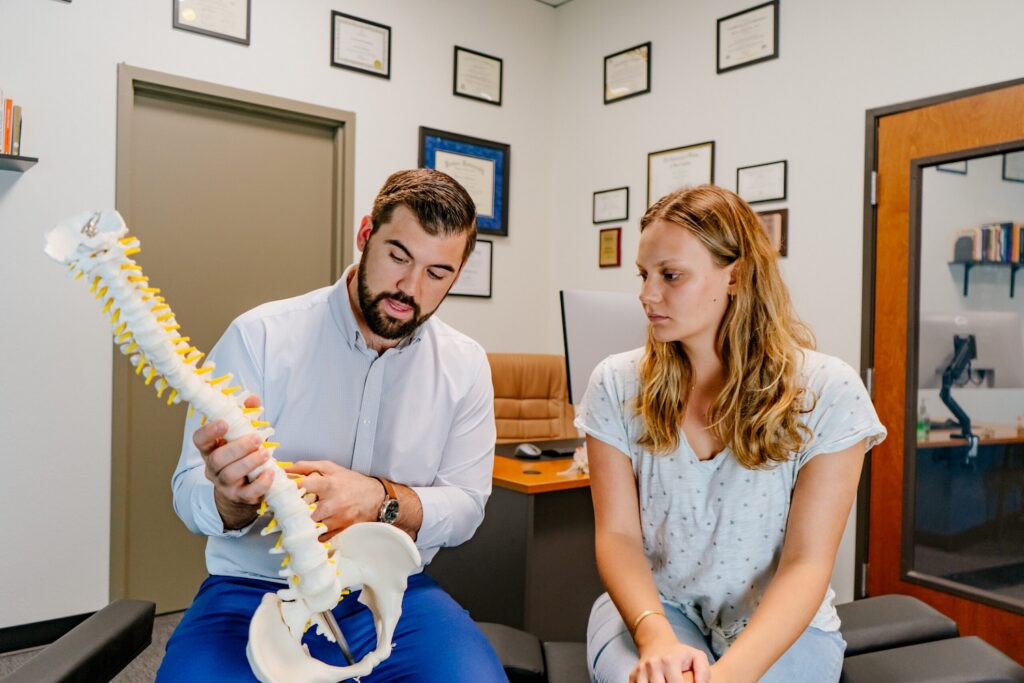
The chiropractic evaluation begins with a thorough assessment of spinal alignment, joint mobility, muscle balance, posture, and movement patterns. Dr. Brent Johnson examines not just where you hurt, but how your entire spine and pelvis move together. Often, restrictions in one area create compensatory stress elsewhere, contributing to disc breakdown.
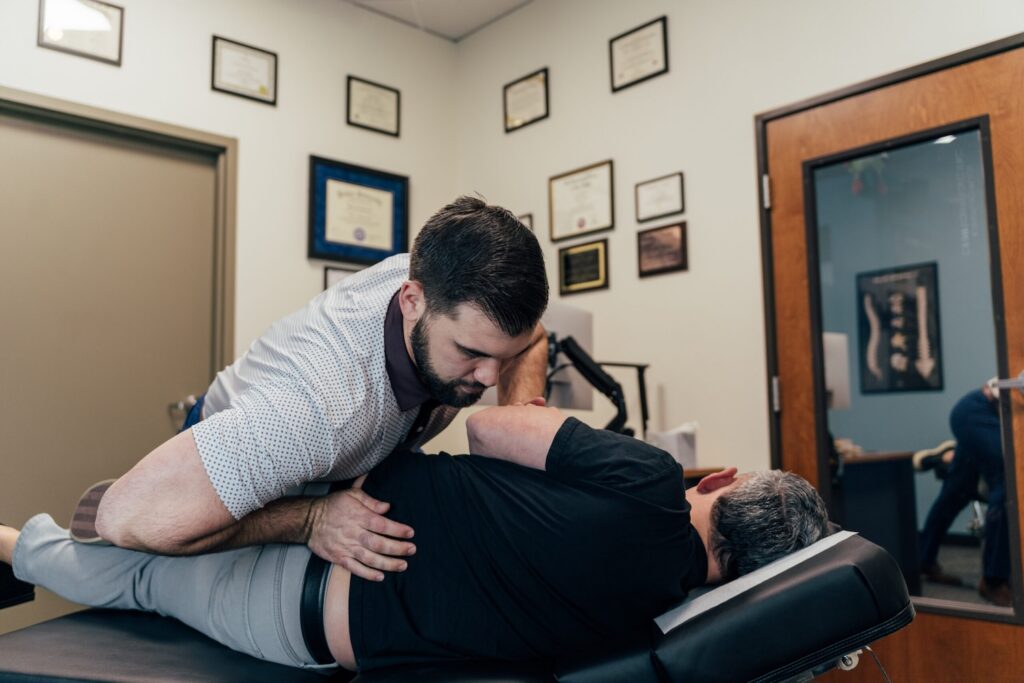
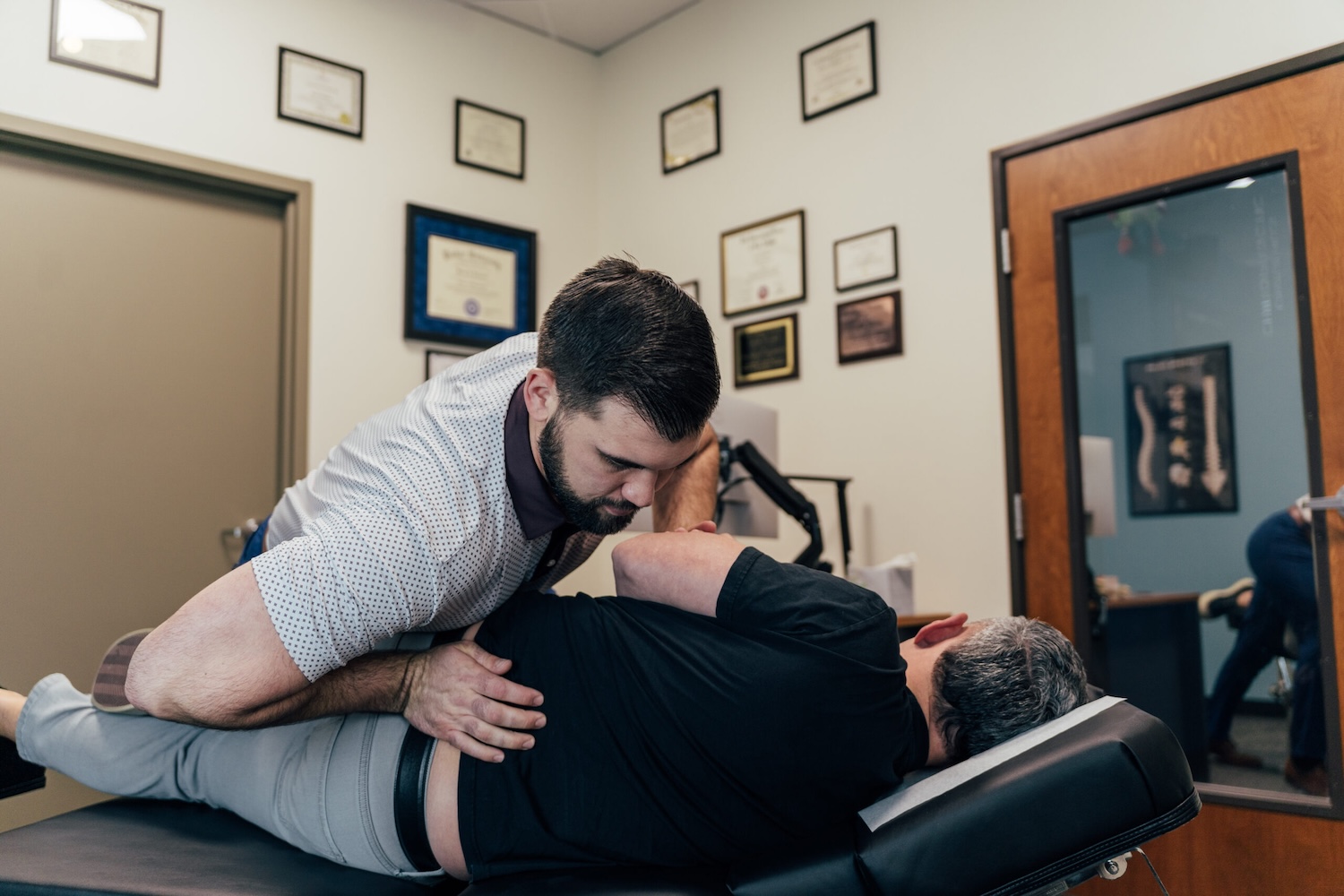
Specific chiropractic adjustments restore normal joint motion to restricted spinal segments. This improved mobility reduces abnormal stress on discs, decreases muscle tension, and can help create space for compressed nerves. Adjustments also influence the nervous system, reducing pain signaling and improving body awareness.
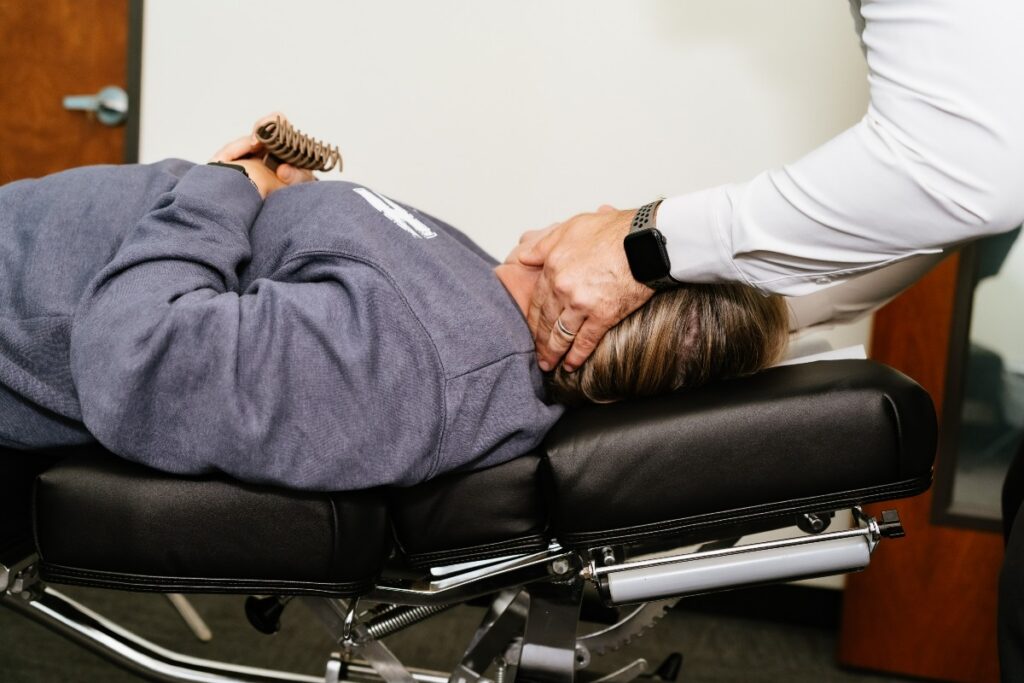
For herniated discs, chiropractors may use specialized techniques and tables designed to apply gentle traction and decompression forces. These approaches can reduce pressure within the disc, potentially allowing herniated material to migrate away from the nerve root. Flexion-distraction technique, for example, uses a specialized table to gently stretch the spine while the chiropractor applies specific contacts to the affected segment.
Beyond adjustments, comprehensive chiropractic care includes rehabilitation exercises, postural correction, ergonomic advice, and education about proper movement mechanics. This multi-faceted approach addresses all the factors contributing to disc problems rather than focusing narrowly on one aspect.
Research suggests that chiropractic care can be effective for many patients with herniated discs, particularly those with radiculopathy and sciatica. Studies have shown significant improvements in pain, function, and quality of life with chiropractic treatment. The evidence indicates that chiropractic care is generally safe when performed by licensed practitioners using appropriate techniques and screening.
At Castle Hills Chiropractic, treatment plans are individualized based on each patient’s specific presentation, history, and goals. Some patients experience rapid improvement while others require longer-term care. The key is addressing the root cause rather than chasing symptoms.
Why Movement and Proper Mechanics Matter More Than Rest
One of the most important concepts in modern herniated disc care is that appropriate movement promotes healing rather than hindering it. The old model of strict rest has been replaced by an understanding that controlled, progressive movement is essential for recovery.
Spinal discs don’t have their own blood supply in adulthood. They receive nutrition through a process called imbibition—movement creates pressure changes that pump fluid, oxygen, and nutrients into the disc while removing waste products. When you stop moving, this vital exchange process slows dramatically, starving the disc of what it needs to heal.
Movement also maintains muscle strength and endurance. The deep spinal stabilizers—multifidus, transversus abdominis, and others—provide crucial support for injured discs. These muscles atrophy rapidly during periods of inactivity, leaving your spine vulnerable and unstable. Maintaining and strengthening these stabilizers helps protect the healing disc from excessive stress.
Proper movement mechanics are equally important. Many herniated discs occur not from a single traumatic event but from repetitive stress in poor positions—bending and twisting while lifting, prolonged sitting with rounded posture, repetitive forward bending, or asymmetrical loading. Learning proper lifting technique, maintaining neutral spine position during daily activities, and avoiding problematic movement patterns reduces recurrent stress on healing discs.
The key is distinguishing between helpful movement and harmful movement. Sharp, shooting pain that increases with certain movements suggests ongoing nerve irritation—these movements should be temporarily avoided or modified. Dull, achy discomfort that eases with gentle movement often indicates stiffness and muscle guarding that improves with activity.
Progressive loading is another important principle. You don’t go from complete rest to full activity overnight. Instead, you gradually increase movement demands, allowing tissues to adapt and strengthen. This might start with simple walking, progress to specific core exercises, and eventually return to more demanding activities as tolerance improves.
Dr. Brent Johnson works with patients to identify their specific movement limitations and create progressive rehabilitation programs that restore function without aggravating symptoms. The goal is to get you moving correctly as soon as possible while respecting tissue healing timeframes.
Practical Steps to Support Your Recovery
Whether you’re currently dealing with a herniated disc or want to prevent future problems, several practical strategies can support spinal health and reduce disc stress. These recommendations complement professional care and help you take an active role in your recovery.
Pay attention to sitting posture. Prolonged sitting increases disc pressure significantly, particularly when slouched forward. Use a chair with good lumbar support, sit with your weight evenly distributed, keep your feet flat on the floor, and maintain the natural curve in your lower back. Stand and walk briefly every 20 to 30 minutes to reduce cumulative stress.
Learn proper lifting mechanics. Bend at your hips and knees rather than rounding your back. Hold objects close to your body. Avoid twisting while lifting—pivot your feet instead. When possible, use your legs rather than your back to generate lifting force. These simple adjustments dramatically reduce disc stress during daily activities.
Sleep position matters. Side sleeping with a pillow between your knees helps maintain spinal alignment and reduces torque on your lower back. If you sleep on your back, placing a pillow under your knees can reduce lumbar stress. Avoid stomach sleeping, which forces your neck into rotation and increases lower back extension.
Stay active with low-impact movement. Walking, swimming, and stationary cycling maintain cardiovascular fitness and spinal mobility without excessive impact. Gentle stretching focused on hip flexors, hamstrings, and piriformis muscles can reduce lower back stress. Avoid high-impact activities, deep forward bending, or heavy lifting during the acute healing phase.
Maintain a healthy weight. Excess body weight increases mechanical stress on spinal discs, particularly in the lower back. Even modest weight loss can significantly reduce disc loading and improve symptoms for overweight patients.
Manage inflammation naturally. While chronic medication use has drawbacks, supporting your body’s natural anti-inflammatory mechanisms can aid healing. Adequate hydration, anti-inflammatory foods like fatty fish and colorful vegetables, quality sleep, and stress management all influence inflammatory processes.
Address ergonomics at work. If your job involves prolonged sitting or repetitive movements, ergonomic modifications can reduce cumulative disc stress. Adjust monitor height, keyboard position, and chair settings. Take regular movement breaks. Request accommodations if needed to protect your spine during the healing process.
When to Seek Chiropractic Evaluation
Knowing when to seek professional evaluation is important for optimal outcomes with herniated discs. While some disc problems resolve with time and self-care, others benefit significantly from early intervention with conservative care.
Consider seeking chiropractic evaluation if you experience back or neck pain that radiates into your arm or leg, particularly if accompanied by numbness, tingling, or the sensation of pins and needles. These symptoms suggest nerve involvement that benefits from specific treatment to reduce compression and irritation.
Progressive weakness in an arm or leg requires prompt evaluation. Difficulty lifting your foot, weakening grip strength, or inability to rise from a chair due to leg weakness may indicate significant nerve compression that needs immediate attention. While these symptoms don’t always require surgery, they should be evaluated quickly to determine appropriate care.
Pain that persists beyond a few weeks despite rest and self-care measures warrants professional assessment. While acute episodes sometimes resolve spontaneously, persistent symptoms suggest underlying mechanical problems that benefit from specific treatment. Early intervention often prevents the transition from acute to chronic pain.
Recurring episodes of back or neck pain, even if individual episodes resolve, indicate biomechanical dysfunction that should be addressed. Patients who experience repeated disc problems benefit from identifying and correcting the movement patterns, muscle imbalances, and joint restrictions contributing to recurrent injuries.
Red flags that warrant immediate medical evaluation include loss of bowel or bladder control, progressive numbness in the groin or inner thighs, severe weakness in both legs, or trauma such as a fall or accident. These symptoms may indicate serious conditions like cauda equina syndrome that require emergency medical attention.
At Castle Hills Chiropractic, Dr. Brent Johnson performs thorough evaluations to determine whether chiropractic care is appropriate for your specific condition. In some cases, additional imaging, specialist consultation, or medical co-management provides the best outcome. The goal is always to match you with the right care at the right time.
Treatment Approaches Comparison
| Treatment Approach | Primary Focus | Timeframe | Limitations |
|---|---|---|---|
| Extended Bed Rest | Pain reduction through immobilization | Days to weeks | Muscle atrophy, stiffness, prolonged recovery, increased chronic pain risk |
| Pain Medications | Symptom suppression | Hours to days | Side effects, dependency risk, doesn’t address cause, may slow healing |
| Steroid Injections | Reduce inflammation around nerves | Weeks to months | Temporary relief, repeat injections needed, procedural risks, doesn’t fix mechanics |
| Surgery | Remove herniated material or fuse segments | Permanent structural change | Surgical risks, high recurrence rate, adjacent segment problems, doesn’t address biomechanics |
| Chiropractic Care | Restore proper mechanics and nerve function | Weeks to months | Requires active participation, not appropriate for all cases, variable response time |
Myths vs. Facts About Herniated Disc Treatment
Myth: You should avoid all activity until your herniated disc heals
Fact: While avoiding movements that cause sharp nerve pain is wise, complete immobility actually slows healing by reducing disc nutrition and causing muscle atrophy. Controlled, appropriate movement promotes recovery and prevents chronic problems. The key is distinguishing between productive movement that supports healing and harmful stress that aggravates symptoms.
Myth: Once you have a herniated disc, you’ll need surgery eventually
Fact: Most herniated discs improve with conservative care and time. Research shows that the body often resorbs herniated disc material over months, reducing nerve compression naturally. Surgery is necessary only in specific cases, such as progressive neurological deficits or severe, unrelenting pain that doesn’t respond to appropriate conservative treatment. Many patients in Castle Hills, TX avoid surgery entirely through consistent conservative care.
Myth: Pain medication helps your disc heal
Fact: Pain medications only mask symptoms—they don’t repair damaged disc tissue or restore normal biomechanics. While appropriate short-term pain management can help you function during acute episodes, long-term medication use carries significant risks and prevents you from addressing the mechanical problems causing your symptoms. Some research suggests NSAIDs may actually interfere with tissue healing processes.
Myth: Chiropractic adjustments will make a herniated disc worse
Fact: When performed by a qualified chiropractor using appropriate techniques and screening protocols, chiropractic care is generally safe for herniated discs. Evidence indicates that specific chiropractic approaches can reduce symptoms and improve function for many disc patients. Chiropractors are trained to identify contraindications and modify techniques based on individual presentation. At Castle Hills Chiropractic, careful evaluation ensures treatment is matched to each patient’s specific condition.
Myth: If an MRI shows a herniated disc, that’s definitely what’s causing your pain
Fact: Studies consistently show that many people with disc herniations visible on MRI have no symptoms whatsoever. Correlation isn’t causation—just because an imaging study shows a structural abnormality doesn’t mean that’s the source of your pain. Comprehensive clinical evaluation, including how your symptoms behave with different movements and positions, provides more accurate information about what’s actually driving your problem than imaging alone.
Final Thoughts
Understanding why conventional herniated disc treatments often fall short empowers you to make informed decisions about your care. The cycle of prolonged rest, medications, injections, and ultimately surgery fails many patients because it focuses on symptom suppression rather than addressing the mechanical dysfunction, movement compensations, and biomechanical stress patterns that perpetuate disc problems.
Conservative approaches that emphasize proper spinal mechanics, controlled movement, and functional restoration offer a different path—one that supports your body’s natural healing capacity while correcting the underlying problems that led to the herniation. This approach requires patience, active participation, and consistent effort, but it provides lasting improvements for many patients who have exhausted other options.
Here in Castle Hills, Texas, Dr. Brent Johnson and the team at Castle Hills Chiropractic work with patients every day who are frustrated by treatments that haven’t worked or concerned about the limitations and risks of conventional approaches. If you’re dealing with a herniated disc and looking for a conservative, non-surgical option that addresses the root cause of your problem, chiropractic care may provide the solution you’ve been searching for. The focus is always on restoring function, reducing pain naturally, and helping you return to the activities you love without dependence on medications or unnecessary procedures.
Frequently Asked Questions
How long does it take for a herniated disc to heal with chiropractic care?
Recovery timeframes vary based on the severity of the herniation, duration of symptoms, overall health, and consistency with recommended care. Many patients notice improvement within the first few weeks, but complete resolution of symptoms and functional restoration typically takes several weeks to months. Some patients experience rapid relief while others require longer-term management.
Can chiropractic care help if I’ve already had injections or been told I need surgery?
Yes, many patients benefit from chiropractic care even after other treatments have failed or surgery has been recommended. Conservative care should be thoroughly explored before proceeding to more invasive options. Dr. Brent Johnson evaluates each case individually to determine whether chiropractic treatment is appropriate or whether medical co-management or referral would better serve your specific situation.
Will I need to keep coming to a chiropractor forever for a herniated disc?
Treatment plans are individualized based on your condition and goals. Initial care focuses on reducing symptoms and restoring function. Some patients transition to periodic maintenance care to prevent recurrence, while others graduate from care once they’ve achieved their goals. The frequency and duration of care depends on factors like severity, chronicity, lifestyle demands, and your response to treatment.
Are there any herniated disc cases where chiropractic care isn’t appropriate?
Certain conditions require immediate medical or surgical intervention, including progressive neurological deficits like severe or worsening weakness, loss of bowel or bladder control, or cauda equina syndrome. Chiropractors are trained to identify these red flags and refer appropriately. A thorough evaluation determines whether conservative chiropractic care is suitable for your specific situation.
What’s the difference between a bulging disc and a herniated disc?
A bulging disc involves the disc material extending symmetrically beyond the normal disc space without rupture of the outer layer. A herniated disc involves a tear or rupture in the outer disc layer with the inner gel-like material protruding through, often pressing on nearby nerves. Herniated discs are more likely to cause nerve symptoms like radiating pain, numbness, or weakness, though both conditions can benefit from conservative chiropractic care.
Can exercises help with a herniated disc, or should I avoid working out?
Appropriate, targeted exercises are crucial for herniated disc recovery and prevention of future problems. However, not all exercises are beneficial—some can aggravate symptoms. Core stabilization exercises, specific stretches, and progressive strengthening help support the healing disc and prevent recurrence. Your chiropractor can guide you on which movements to embrace and which to avoid based on your specific presentation and stage of healing.
TL;DR: Key Takeaways
- Extended bed rest weakens muscles, stiffens joints, and actually prolongs recovery from herniated discs—controlled movement promotes healing.
- Pain medications, injections, and surgery focus on symptom suppression without addressing the biomechanical dysfunction that caused the herniation, leading to high recurrence rates.
- Chiropractic care addresses root causes by restoring proper spinal mechanics, reducing nerve irritation, and supporting natural healing capacity.
- Most herniated discs improve with conservative care—surgery should be reserved for progressive neurological deficits or cases unresponsive to appropriate conservative treatment.
- Active participation through proper movement mechanics, targeted exercises, and lifestyle modifications is essential for lasting recovery from disc problems.