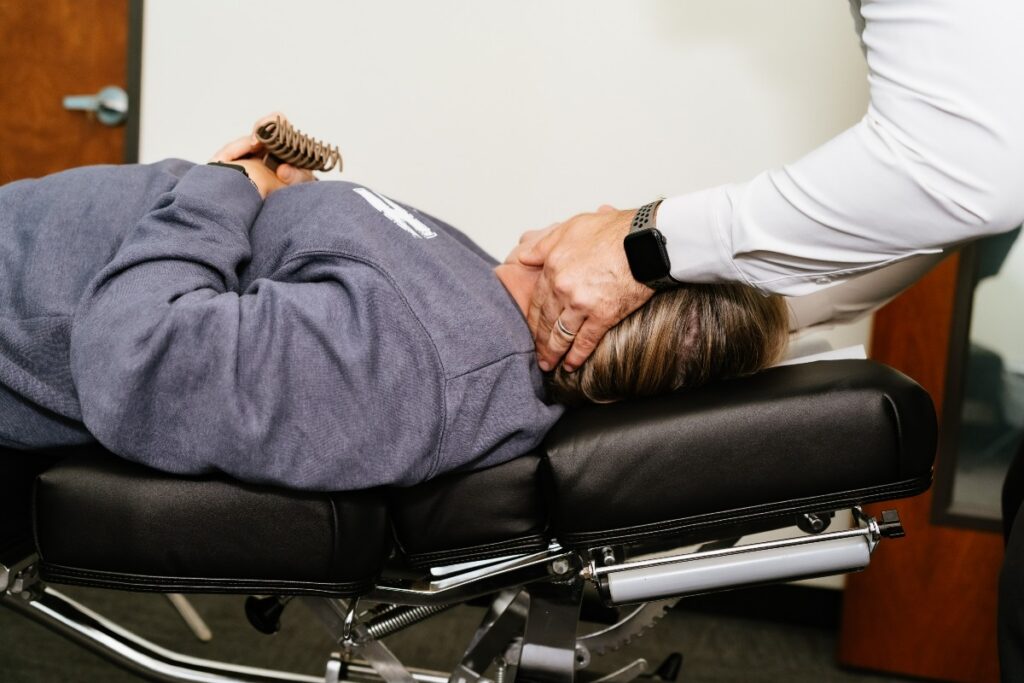

As a local chiropractor, I want to emphasize the importance of gentle techniques for the well-being of infants and toddlers, as they are crucial for their emotional and physical development. Practices such as gentle adjustments, infant massage, and soothing movements can provide a sense of security and comfort that is similar to the nurturing environment of the womb. By creating a calming atmosphere and being responsive to your child's cues, you not only foster trust but also strengthen the bond between you and your little one.
You might wonder what specific chiropractic approaches can enhance your child's growth in this nurturing setting. The answer lies in exploring a range of natural healing strategies that go beyond traditional methods. For instance, gentle spinal adjustments can help improve your child's overall well-being by supporting their nervous system and promoting better sleep. Additionally, techniques like infant massage can aid in digestion and relaxation. By incorporating these gentle practices into your routine, you can ensure your child thrives in a supportive and healthy environment.
Understanding Gentle Parenting
As a chiropractor, I understand that many parents are looking for effective ways to nurture their infants and toddlers, and I believe that gentle parenting aligns beautifully with the principles of natural healing. This compassionate philosophy emphasizes empathy, respect, and understanding in your interactions with your little ones, which can also positively influence their physical health and well-being.
Building a strong emotional connection with your child is essential, as it helps them feel secure and loved. In my practice, I often see how emotional well-being can affect physical health. Gentle parenting encourages parents to respond to their child's needs with warmth and sensitivity, avoiding punitive measures. Instead, by using positive reinforcement and open communication, you can guide their behavior in a way that fosters both emotional and physical development.
Creating a safe space for your child to express their feelings without fear of judgment is crucial. This approach not only fosters trust but also encourages them to explore their emotions and develop resilience—qualities that can positively impact their overall health. Just as I work to create a safe and comfortable environment in my practice, you can do the same at home.
Gentle parenting also involves setting boundaries respectfully. Teaching your child the difference between acceptable and unacceptable behavior is essential for their growth, much like how I guide patients in understanding their bodies. By modeling kindness and understanding, you set a powerful example for your child, which can also influence their physical health and posture as they grow.
Additionally, I want to highlight the importance of self-care in this parenting style. When you prioritize your own emotional and physical well-being, you're better equipped to nurture your child. Remember, gentle parenting doesn't mean being permissive; it's about fostering a loving environment that promotes cooperation and understanding.
As you embrace this approach, you may notice a positive shift in your relationship with your child, leading to a more harmonious family dynamic and contributing to their overall health.
Incorporating gentle parenting principles can harmonize beautifully with chiropractic care, as both focus on nurturing well-being in a holistic manner. Together, we can support your child's growth and development in a loving and healthy way.
Soothing Techniques for Babies
Soothing a fussy baby can indeed seem daunting, but as a chiropractor, I want to share some natural techniques that can contribute to your little one's comfort and well-being.
First off, consider swaddling your baby in a soft, breathable blanket. This method mimics the snug environment of the womb, providing a sense of security and comfort. It's important to ensure that the swaddle isn't too tight, allowing your baby's hips to move freely, which is essential for their developing joints.
Gentle rocking or swaying can also be incredibly beneficial. Holding your baby in your arms while gently swaying side to side or using a rocking chair can create a calming rhythm that many infants find soothing. If you're feeling fatigued, a baby swing is a wonderful alternative that can help provide that same comforting motion.
In addition, utilizing white noise can be an effective tool. Sounds like a vacuum cleaner, a fan, or a white noise machine can replicate the sounds your baby experienced in utero, helping them feel more at ease. Soft music or lullabies can also enhance this soothing environment.
Don't forget the importance of skin-to-skin contact. Holding your baby close to your chest not only assists in regulating their temperature but also builds a nurturing bond, which is vital for their emotional development.
Finally, consider giving your baby a warm bath. The soothing effect of warm water can help relax tense muscles and promote a sense of calm, making it easier for them to drift off to sleep.
Incorporating these gentle techniques aligns with a holistic approach to your baby's health and well-being. As a chiropractor, I believe in the power of natural healing and nurturing practices to help your little one thrive.
Effective Communication Strategies
When discussing chiropractic care with new patients, it's important to focus on non-verbal cues, as this can help convey trust and understanding.
Using clear and simple language makes it easier for patients who may not be familiar with the concepts of chiropractic and natural healing.
Let's delve into how these communication strategies can improve your experience and enhance your understanding of the benefits of chiropractic care.
Non-Verbal Cues
As a chiropractor, I want to emphasize the importance of understanding non-verbal cues, especially when it comes to infants and toddlers. These young ones communicate their feelings and needs through body language, facial expressions, and gestures long before they can verbalize them.
By being attuned to these cues, we can enhance our interactions with them and better support their well-being.
Here are some key non-verbal signals to observe:
- Eye contact: A child's gaze can indicate curiosity, trust, or even discomfort. This is crucial in assessing their comfort level during treatment.
- Facial expressions: A smile can signify happiness, while a frown or furrowed brow may suggest pain or confusion. Recognizing these signs can guide us in our approach to their care.
- Gestures: When a child reaches out, it often means they want to be held or comforted. Conversely, if they push away, it might indicate a need for space or discomfort with their surroundings.
- Body posture: An open and relaxed posture suggests a sense of safety, while stiff or tense body language can point to anxiety or discomfort. These cues can help us adjust our techniques to better suit their needs.
- Vocalizations: The sounds they make, from coos to cries, can express a spectrum of emotions—from joy to frustration. Understanding these vocal signals is key in providing effective support.
By paying attention to these non-verbal cues, we can foster a deeper connection with children and ensure that they receive the compassionate care they deserve.
This is a vital part of not just chiropractic care, but natural healing as a whole.
Simple Language Use
Understanding body signals is key for good health, especially for those new to chiropractic care. It's important to use simple language that everyone can understand. Instead of saying, "You may have muscle tension affecting your mobility," try, "Your back feels tight!" This makes it easier for you to connect my words with how you feel.
Also, I'll repeat important ideas often. This helps you remember and understand better. If you mention a sore spot, I might say, "Your back hurts! Let's help it feel better!" This not only acknowledges your feelings but also helps introduce new ways to think about your health.
I will always speak with warmth and enthusiasm. My positive energy will help you feel more comfortable and encourage you to ask questions. When you share your thoughts or concerns, I'll smile and support you. This builds your confidence and invites more conversation about your health.
Finally, be patient with yourself. Take your time to understand what I say and feel free to respond in your own way. Simple language, along with my supportive approach, creates a strong foundation for your journey to better health.
Creating a Calm Environment
As a local chiropractor, I understand the importance of creating a calm environment not only for your little ones but for the entire family.
One way to promote relaxation is through soothing soundscapes, which can help minimize distractions and promote a sense of tranquility.
Additionally, consider utilizing soft lighting options to enhance the atmosphere, making your space feel warm and inviting.
These simple adjustments can significantly contribute to your family's overall comfort and well-being, aligning with the principles of natural healing that we embrace in chiropractic care.
Soothing Soundscapes
Creating soothing soundscapes can be an essential part of fostering a peaceful environment, especially for families seeking natural healing methods. As a chiropractor, I understand that stress and anxiety can have a significant impact on overall health and well-being.
By integrating gentle sounds into your home, you can help promote relaxation for both you and your child. Here are some techniques to create the perfect auditory atmosphere:
- Soft lullabies: Calming melodies can help ease tension and encourage restful sleep, which is vital for your child's development.
- Nature sounds: Incorporating gentle rain, ocean waves, or rustling leaves can create a serene space that supports emotional balance and well-being.
- White noise: A consistent low hum can effectively mask disruptive sounds, providing a comforting backdrop that aids relaxation.
- Gentle instrumental music: Soft piano or harp tunes can help soothe the nervous system, promoting a sense of calm for everyone in the household.
- Your own voice: Speaking softly or reading a story can't only provide comfort but also strengthen the bond between you and your child.
Experimenting with these soundscapes can reveal what resonates best with your family. A serene auditory environment can help your little one feel secure, while also enhancing the quality of your shared moments.
Whether it's during playtime, nap time, or bedtime, these soothing sounds can create a tranquil haven that fosters relaxation and happiness. Embrace the serenity these techniques bring as part of a holistic approach to health and wellness!
Soft Lighting Options
Soft lighting can significantly enhance the calming environment that's crucial for both physical and mental well-being. As a local chiropractor, I often emphasize the importance of creating a tranquil space not just for relaxation but also for healing.
When you're establishing a soothing atmosphere, consider using soft, warm lights that replicate the gentle glow of a sunset, which can be beneficial for your overall health.
It's essential to avoid harsh, bright lights, as they can be overstimulating and may lead to increased tension and discomfort in the body. Instead, opt for table lamps with dimmable features or lampshades in soft colors to create the right ambiance.
Incorporating string lights or nightlights with adjustable brightness can also help create a cozy space that supports your body's natural rhythms.
Smart bulbs are another excellent option. They allow you to easily change colors and adjust brightness, which can help signal to your body when it's time to wind down. Soft yellows or warm whites can be particularly effective in promoting relaxation, making it easier for your body to transition into a restful state.
Consistency in lighting is key. Sudden changes in brightness can disrupt your body's natural sense of security and may lead to physical discomfort.
By maintaining a soft glow, you're not just creating a peaceful environment, but also promoting a space where you can feel safe and calm, ready for recovery and rejuvenation.
This holistic approach to your surroundings can complement the benefits of chiropractic care, enhancing your overall health and well-being.
Building Secure Attachments
Building secure attachments in infants and toddlers is crucial for their emotional well-being, much like how maintaining a healthy spine is essential for overall health. As a chiropractor, I understand the importance of nurturing not just the physical aspects of a child's development but also their emotional and relational foundations.
Just as consistent care and attention to spinal health can lead to a greater sense of well-being, your presence and responsiveness as a caregiver play a vital role in nurturing strong bonds with your little ones.
Here are some ways to foster those secure attachments, paralleling the principles of natural healing and holistic care:
- Respond promptly to your child's cries or cues, much like how we address misalignments in the spine. This shows them that their needs are important and helps build trust.
- Establish routines that provide predictability and safety, similar to how regular chiropractic adjustments can create stability in your body's function.
- Engage in eye contact during interactions; this connection is akin to the trust we build with our patients through effective communication and care.
- Use soothing tones and gentle words, just as we create a calm environment in the clinic to promote healing.
- Be physically present, holding or cuddling your child, which can be as comforting as a gentle adjustment that alleviates tension and promotes closeness.
These nurturing actions not only help your child feel secure but also convey a powerful message: they're deserving of love and care.
By creating a stable and supportive environment, you empower them to explore the world with confidence, knowing they can always return to the safety of your embrace—just as regular chiropractic care provides a foundation for a healthy, active life.
Each moment spent nurturing this attachment is akin to investing in your child's long-term health and ability to form healthy relationships in the future.
Remember, it's the small, consistent gestures, much like the regular adjustments we recommend for maintaining spinal health, that make a significant impact. Your efforts today will help cultivate emotional resilience in your child tomorrow, enabling them to navigate life's challenges with a secure base.
Mindful Touch and Massage
As a local chiropractor, I want to emphasize the incredible benefits of mindful touch and gentle massage, particularly in strengthening the bond with your child while promoting their overall well-being. Incorporating these techniques into your daily routine can create an atmosphere of trust and security, which is essential for healthy development.
To begin, find a quiet and comfortable space where both you and your child can unwind. A soft mat or blanket can provide a cozy setting for this experience. Start with gentle strokes along their arms or legs, being attentive to their responses. Observing how your child reacts to your touch can guide you in adjusting your techniques to best suit their comfort and needs.
While you massage, maintain eye contact and share a warm smile. This connection not only reinforces your presence but also reassures your child that they're loved and secure. If you choose to use a gentle oil or lotion, ensure it's safe for their sensitive skin, as this can enhance the soothing nature of the experience.
Incorporate rhythmic movements during the massage, allowing your hands to glide smoothly across their body. You may also consider singing a soft lullaby or speaking to them in a calm voice, further enriching this bonding moment.
Positive Discipline Approaches
As a local chiropractor, I understand that discipline is an essential aspect of parenting, particularly for infants and toddlers. Just as we emphasize healing and wellness in our practice, positive discipline approaches focus on teaching rather than punishing, creating a nurturing environment that fosters security and understanding in your little ones.
By guiding your child with kindness, you're laying the groundwork for positive behavior and emotional well-being, much like how we strive to promote holistic health in our patients.
Here are some gentle yet effective strategies to consider:
- Set clear expectations: Just as we provide our patients with clear treatment plans, kids thrive on routine and structure. Clearly communicate what behaviors are acceptable and which are not.
- Use redirection: When your child is veering towards challenging behavior, gently guide them towards a more positive activity, similar to how we redirect patients to healthier lifestyle choices.
- Praise good behavior: Acknowledge and celebrate the moments when your child behaves well. This positive reinforcement is akin to recognizing progress in chiropractic care, encouraging them to continue these behaviors.
- Model appropriate behavior: Children are observant and learn by watching. Demonstrate how to express feelings and resolve conflicts constructively, just as we model healthy habits and self-care practices in our office.
- Stay calm and composed: Your emotional responses can greatly influence your child's reactions. By remaining calm, you create a safe space for them, much like how we aim to provide a soothing environment for our patients to heal.
Incorporating these positive discipline strategies can't only support your child's development but also create a harmonious household, much like how holistic health practices can lead to overall wellness for the entire family.
Encouraging Independent Play
Creating a supportive environment for your child to engage in independent play is much like fostering a healthy spine and body through chiropractic care. Just as a nurturing atmosphere allows your child to explore their world confidently, regular chiropractic adjustments help maintain a well-aligned spine, enhancing overall well-being and allowing for optimal movement and exploration.
To encourage independence in play, think of it as setting up a safe space for your child's development, similar to how we create a comfortable and healing environment in our clinic. Provide a dedicated area for play that's filled with age-appropriate toys and materials. This space should be inviting and free from excessive distractions, much like a serene treatment room that promotes relaxation and focus.
Start by introducing solo playtime gradually, akin to how we ease patients into new exercises for their back health. You might sit nearby, attending to your own tasks while keeping an eye on your child, just as we guide patients through their journey to wellness. As your child gains confidence, you can step back further, allowing them to explore their interests independently, which parallels how we encourage patients to take charge of their own health.
Celebrating your child's efforts during independent play is essential, much like we celebrate our patients' progress in their chiropractic journey. Acknowledging their creativity and perseverance not only boosts their confidence but also reinforces the idea that it's perfectly fine to engage alone—just as we emphasize the importance of self-care in maintaining spinal health.
Finally, it's crucial to respect their playtime by not interrupting unless necessary. Children often weave intricate narratives during play that are vital for their development, similar to how we respect the healing process in our patients. By giving them space while assuring them of your support if needed, you're helping them build a strong sense of independence and confidence, just as we aim to empower our patients to take control of their health.
Conclusion
As a local chiropractor, I want to share how incorporating gentle techniques into your care for infants and toddlers can significantly enhance their emotional and physical well-being. By utilizing soothing methods and promoting effective communication, we can create an environment that fosters secure attachments and supports healthy growth.
Mindful touch is essential in our practice; it not only aids in their physical development but also nurtures their emotional needs. Positive discipline and encouragement of independent play are also vital components of a holistic approach to their care.
When you prioritize these nurturing strategies, you not only support their overall development but also strengthen the bond you share with them. This lays the foundation for a loving and trusting relationship as they continue to grow. By understanding the role of gentle chiropractic techniques and natural healing, you can make a positive impact on your child's journey toward wellness.