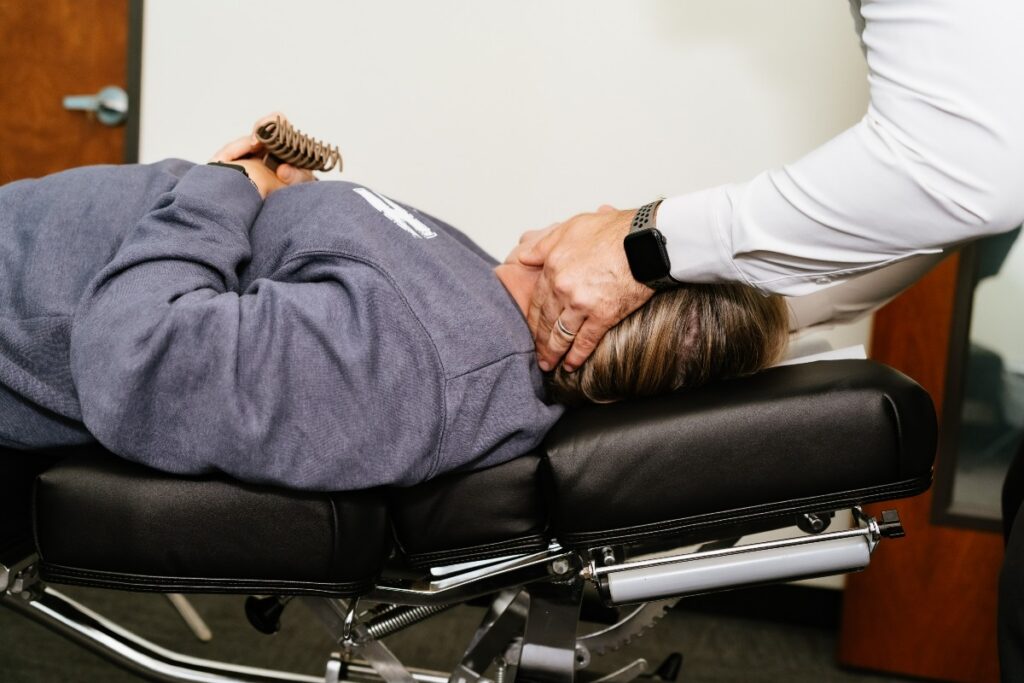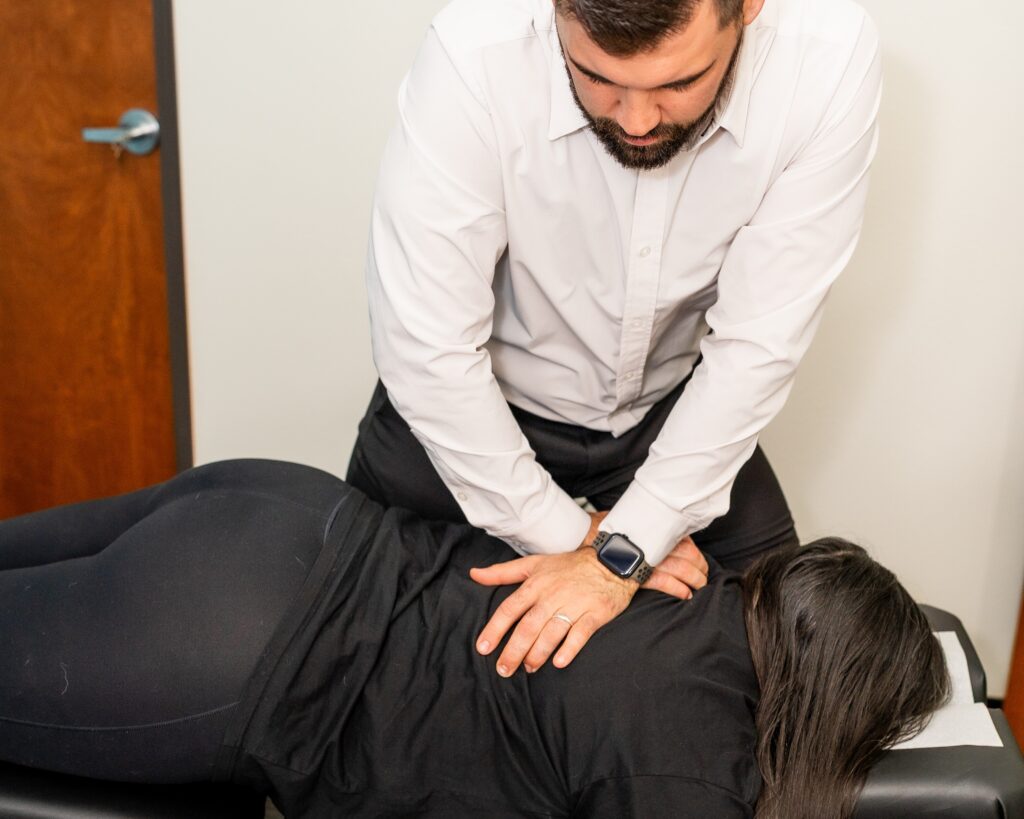

If you're experiencing back pain, I want you to know that you're not alone—many individuals deal with this challenge daily. As a local chiropractor, I can assure you that there are effective strategies rooted in natural healing that can provide you with quick relief. By incorporating techniques such as targeted stretching, strengthening exercises, and maintaining proper posture, you can alleviate discomfort and enhance your mobility.
One of the key aspects of chiropractic care is understanding how to utilize heat and cold therapy effectively. These methods can significantly alter your approach to managing pain and promote faster recovery. Are you curious about how these insights can transform your daily routine? Finding the right combination of these techniques could very well be your pathway to a pain-free life. Let's work together to unlock your body's potential for healing!
Stretching Techniques
As a local chiropractor, I want to emphasize how stretching techniques can be a powerful tool in managing and alleviating back pain. By incorporating regular stretching into your daily routine, you can significantly enhance your flexibility and strengthen the muscles that support your spine. This proactive approach not only helps relieve existing discomfort but also plays a crucial role in preventing future issues.
Let's start with some basic stretches that can make a big difference. One of my favorites is the cat-cow stretch. To perform this, get on your hands and knees. As you inhale, arch your back, allowing your belly to drop toward the floor. Then, as you exhale, round your back, tucking your chin to your chest. This gentle movement increases spinal flexibility and warms up your back muscles, preparing them for the day ahead.
Another beneficial stretch is the child's pose. For this, kneel on the floor, sit back on your heels, and stretch your arms forward on the ground. Holding this position gently lengthens your spine and helps relieve tension in your back, which many of my patients find particularly soothing.
The seated forward bend is also an excellent choice. Sit on the floor with your legs extended in front of you, and slowly reach toward your toes while keeping your back straight. This stretch targets your hamstrings and lower back, promoting relaxation and reducing tightness.
Don't overlook the standing side stretch, either. Stand tall, reach one arm overhead, and lean to the opposite side. This movement opens up your sides and alleviates tightness in your back, contributing to overall comfort.
Lastly, I can't stress enough the importance of deep breathing while you stretch. Inhale through your nose, allowing your abdomen to expand, and then exhale through your mouth. This deep breathing technique not only helps your muscles relax but also maximizes the benefits of each stretch.
Proper Posture Tips
As a local chiropractor, I want to emphasize the importance of maintaining proper posture to help prevent back pain. It's essential to be mindful of how you position yourself, whether you're sitting or standing.
When sitting, ensure that your chair is adjusted to support your lower back effectively. Your feet should be flat on the floor to provide a stable base. This simple adjustment can significantly enhance your comfort and spinal alignment.
When standing, practice keeping your shoulders back and your weight evenly distributed to maintain proper alignment. This not only helps alleviate strain on your back but also promotes overall well-being.
Chair Ergonomics Essentials
As a local Chiropractor, I want to emphasize the importance of maintaining good posture while sitting to prevent back pain. By following some essential chair ergonomics, you can significantly enhance your comfort and reduce strain on your back.
Here are four practical tips to help you achieve proper chair ergonomics:
- Adjust Your Chair Height: It's crucial that your feet rest flat on the ground, with your knees positioned at or slightly below hip level. This adjustment helps distribute your weight evenly and supports spinal alignment.
- Support Your Lower Back: Look for a chair that offers lumbar support, or consider using a cushion to maintain the natural curve of your spine. This support helps alleviate pressure on your back and can prevent discomfort over time.
- Position Your Screen Correctly: Ensure that your monitor is at eye level and approximately an arm's length away from you. This positioning helps you avoid leaning forward or straining your neck, which can lead to tension and pain.
- Keep Your Arms Supported: Your elbows should stay close to your body and form a 90-degree angle. If your chair has armrests, use them to allow your shoulders to relax, reducing the risk of strain.
By incorporating these chair ergonomics into your daily routine, you can create a healthier workspace that supports your overall well-being.
If you have any questions or need further guidance, feel free to reach out!
Standing Posture Guidelines
As a chiropractor, I want to emphasize that maintaining proper posture is crucial not only when you're sitting but also while standing. The way you align your body can significantly reduce strain and help prevent back pain, which is something I see frequently in my practice.
To start, make sure your feet are shoulder-width apart. This stance allows for even weight distribution between both legs, providing stability for your spine. Engaging your core muscles is also important; this support helps to protect your lower back and keeps your pelvis in a neutral position.
It's essential to avoid locking your knees. Instead, keep them slightly bent to maintain flexibility and prevent unnecessary tension. Your shoulders should be relaxed and pulled back to promote good alignment, while your chin should remain parallel to the ground—this helps keep your head and neck aligned with your spine.
If you find yourself standing for extended periods, try shifting your weight from one foot to the other or use a small footrest to change up your stance.
And let's not overlook the importance of your footwear. Choosing supportive shoes can make a big difference in absorbing shock and maintaining comfort throughout the day.
Heat Therapy Benefits
As a local chiropractor, I want to share with you the incredible benefits of heat therapy for managing back pain. Many of my patients have found that effective relief often involves natural methods, and heat therapy is a standout option. When you apply heat to your back, it can't only soothe discomfort but also improve your mobility.
Let me explain how heat therapy works and how you can incorporate it into your wellness routine:
- Improved Blood Circulation: One of the primary benefits of heat therapy is that it promotes blood flow to the affected area. This increased circulation delivers essential nutrients to your muscles and tissues, which can help speed up the healing process and reduce stiffness.
- Muscle Relaxation: The warmth from heat therapy is excellent for relaxing tight muscles. Many of my patients report immediate relief from pain and discomfort, allowing for greater mobility and comfort in their daily activities.
- Pain Relief: Heat can stimulate the sensory receptors in your skin, effectively blocking the pain signals that travel to your brain. This natural pain relief mechanism can make a significant difference in managing your back pain without relying solely on medications.
- Stress Reduction: Additionally, the soothing effects of heat therapy can help alleviate stress and tension, which often contribute to back pain. Taking time to unwind with a heating pad or enjoying a warm bath can enhance your overall well-being and promote relaxation.
To get started with heat therapy, you can use a heating pad, a warm towel, or indulge in a hot bath. Just a quick note: be mindful of the time you spend applying heat—generally, it's best to limit it to no more than 20 minutes at a time to prevent burns.
With regular use, heat therapy can become a valuable part of your back pain relief routine, complementing the chiropractic care I provide.
If you have any questions or would like to learn more about how chiropractic care and heat therapy can work together to improve your health, feel free to reach out!
Cold Therapy Application
As a local chiropractor, I want to share with you how cold therapy can be an effective solution for managing back pain.
Utilizing ice packs can significantly reduce inflammation and help numb sharp pain, providing you with the relief you deserve.
It's essential to understand the right techniques for applying cold therapy to maximize its benefits.
Let's take a closer look at how you can incorporate this natural healing method into your pain management routine.
Ice Pack Benefits
As a local chiropractor, I often recommend the use of ice packs for patients experiencing back pain, especially after a long day of physical activity or prolonged sitting.
Cold therapy is a natural and effective way to alleviate discomfort, and I'd like to share some of the key benefits of using an ice pack on your back:
- Reduces Inflammation: When you apply an ice pack, it helps constrict blood vessels in the area, which can significantly decrease swelling and inflammation. This is particularly beneficial after an injury or a long day on your feet.
- Numbs Pain: The cold sensation from the ice dulls the nerve endings, providing immediate pain relief. This can make it easier for you to move and engage in your daily activities without discomfort.
- Decreases Muscle Spasms: If you often experience tight muscles or spasms in your back, cold therapy can help relax those areas. By reducing muscle tension, you can minimize the frequency and intensity of these spasms.
- Promotes Faster Recovery: By addressing pain and inflammation, using an ice pack can help speed up your recovery time. This means you'll be able to return to your normal activities more quickly and with less discomfort.
Using an ice pack is a straightforward and effective method for managing back pain.
Just a quick reminder: always wrap the ice pack in a cloth to protect your skin from frostbite.
Incorporating ice therapy into your pain relief routine can make a significant difference in your overall comfort and well-being. I encourage you to give it a try and experience the benefits firsthand!
If you have any questions or need additional guidance, feel free to reach out during your next visit.
Application Techniques
As a local chiropractor, I want to share with you how incorporating cold therapy into your pain management routine can be a simple yet effective step towards relief.
Understanding the right application techniques can significantly enhance its benefits for your overall well-being.
First, let's talk about choosing the right ice pack. Options like gel packs, frozen vegetables, or even homemade ice packs can work wonders.
Just remember to wrap your cold source in a thin cloth—this is crucial to protect your skin from frostbite as you apply the cold.
When you're ready to use the cold pack, place it directly on the area where you're feeling pain. Aim for about 15 to 20 minutes of application.
This duration is important because it allows the cold to numb the area effectively, while minimizing any risk of skin damage. You can repeat this cold therapy every hour, particularly within the first 48 hours after a flare-up of back pain.
While you're applying cold therapy, it's essential to find a comfortable position. Whether you prefer sitting or lying down, ensure your back is well-supported to maximize comfort.
If you notice an increase in pain or discomfort during the application, don't hesitate to remove the ice pack right away.
By incorporating these techniques into your pain management routine, you can take an active role in your healing process.
Strengthening Exercises
As a local chiropractor, I want to emphasize the importance of strengthening exercises in managing back pain and preventing future complications.
These exercises specifically target your core muscles, which play a vital role in stabilizing and supporting your spine. By incorporating them into your daily routine, you can't only alleviate discomfort but also enhance your posture and promote a healthier back overall.
Here are four effective exercises that I recommend for my patients:
- Planks: Begin in a push-up position, ensuring your body forms a straight line from head to heels. Engage your core and hold this position for 20-30 seconds. As you grow stronger, you can gradually increase the duration. Planks are excellent for building core strength and stability.
- Bird-Dogs: Start on all fours with your hands positioned directly under your shoulders and knees beneath your hips. Extend your right arm forward while simultaneously extending your left leg backward, keeping your back flat. Hold briefly before switching sides. Aim for 10-15 repetitions on each side. This exercise helps improve balance and coordination, which are essential for spinal health.
- Bridges: Lie on your back with your knees bent and feet flat on the floor. Push through your heels to lift your hips towards the ceiling, squeezing your glutes at the top of the movement. Hold for a few seconds before lowering back down. Repeat this 10-15 times. Bridges are fantastic for strengthening the lower back and gluteal muscles.
- Dead Bugs: Lie on your back with your arms pointing straight up and knees bent at a 90-degree angle. Gradually lower your right arm and left leg towards the floor, ensuring your back remains pressed against the ground. Return to the starting position and switch sides. Complete 10-15 repetitions. This exercise engages your core while promoting stability, which is crucial for a healthy spine.
By integrating these strengthening exercises into your routine, you can significantly enhance your back's strength and resilience.
Mindfulness and Relaxation
As a local chiropractor, I understand that after a long day, finding ways to practice mindfulness and relaxation is essential for managing back pain and enhancing your overall well-being. When you become more attuned to your body and mind, you can significantly alleviate the tension that often contributes to discomfort.
To start, I encourage you to set aside a few minutes each day for breathing exercises. Inhale deeply through your nose, allowing your abdomen to rise, and then exhale slowly through your mouth. This simple yet effective technique can calm your nervous system and reduce muscle tension, paving the way for a more relaxed state.
Incorporating meditation into your daily routine can also be beneficial. You don't need to spend hours meditating; even just five to ten minutes can yield positive results. Focus on your breath or visualize a serene landscape. If your mind begins to wander, gently bring your attention back to your breath. This practice fosters a sense of peace and can help alleviate stress-related back pain.
Additionally, gentle yoga is an excellent way to merge mindfulness with physical movement. I recommend exploring poses that promote relaxation and stretch your back, such as Child's Pose or Cat-Cow. These movements not only enhance flexibility but also encourage a mindful connection between your body and mind, which is vital for your healing process.
Lastly, never underestimate the benefits of a warm bath or a soothing massage. Both can effectively release muscle tension and provide a moment of tranquility in your busy life.
Professional Treatments
As a local chiropractor dedicated to helping our community, I want to emphasize the importance of professional treatments in managing back pain effectively.
It's crucial to understand that you don't have to endure discomfort alone; seeking expert guidance can lead you to personalized solutions tailored to your unique situation.
Here are four professional treatments that can make a significant difference in your recovery:
- Chiropractic Care: At our practice, we specialize in spinal alignment to alleviate pain and restore function. Through gentle adjustments, we can help relieve discomfort, improve mobility, and enhance your overall well-being. Regular chiropractic sessions can be a game-changer in your journey to a pain-free life.
- Physical Therapy: Collaborating with a licensed physical therapist can complement your chiropractic care. They can develop a customized exercise regimen that strengthens your back, enhances flexibility, and teaches you proper body mechanics to prevent future injuries.
- Massage Therapy: Incorporating therapeutic massage into your treatment plan can greatly benefit your recovery. A licensed massage therapist can work on areas of tension, promoting relaxation and improved circulation, which is essential for healing.
- Acupuncture: As an additional option, acupuncture can be an effective complementary therapy. This ancient technique involves the insertion of fine needles into specific points on the body to stimulate healing and relieve pain. Many of our patients find it beneficial for addressing their back issues.
I encourage you to consult with healthcare professionals, including chiropractors, to determine the best treatment options for your specific needs.
By combining these professional therapies with self-care practices, you can experience a faster return to a pain-free life.
Taking the first step toward treatment could be the key to reclaiming your mobility and enhancing your overall quality of life.
Conclusion
As a local chiropractor dedicated to your well-being, I want to share with you seven powerful strategies that can help relieve your back pain and enhance your overall mobility. First and foremost, incorporating regular stretching into your daily routine can significantly alleviate tension in your muscles. It's also crucial to maintain proper posture throughout your day, as this can prevent unnecessary strain on your back.
Another key aspect of back pain relief is strengthening your core muscles. A strong core supports your spine and helps maintain balance. Additionally, don't underestimate the effectiveness of heat and cold therapy—applying these can soothe soreness and reduce inflammation.
Mindfulness practices, such as meditation or deep breathing exercises, can also play a vital role in managing pain and promoting relaxation. If you find that you're still struggling with discomfort, seeking professional chiropractic treatments may provide the targeted care you need for a more effective recovery.
With commitment to these natural healing strategies, you'll not only feel more comfortable but also regain the confidence to engage fully in your daily activities. Remember, your journey to better health starts with understanding and taking proactive steps!