
When it comes to back pain, a one-size-fits-all approach rarely works. You might find that your specific symptoms and lifestyle factors markedly influence your experience of discomfort. Tailored treatments can directly address these unique aspects, leading to more effective management strategies. By considering what's truly at the root of your pain, you can engage more fully in your recovery. But, what exactly does this personalized approach entail, and how can it change the way you cope with your back pain?
Understanding Back Pain
When you experience back pain, it's important to understand what might be causing it. Back pain can stem from a variety of factors, and identifying the root cause is essential for effective treatment. Common culprits include muscle strains, ligament sprains, herniated discs, and even poor posture. You might find that your pain is exacerbated by certain activities or prolonged sitting.
Understanding your lifestyle is key. If you often lift heavy objects or engage in repetitive motions, those actions might be contributing to your discomfort. Additionally, stress and anxiety can manifest physically, tightening your muscles and leading to pain. Pay attention to any patterns; for instance, does your pain worsen after a long day at work or after a specific activity?
Another factor to reflect on is your physical condition. Are you active, or do you lead a more sedentary lifestyle? Weak core muscles can lead to poor spinal support, resulting in pain. You should also be aware of any previous injuries that could be affecting your back now.
Lastly, age plays a role in back pain. As you get older, the spine undergoes natural wear and tear, which can lead to various issues.
Understanding these aspects of your back pain will empower you to seek the right solutions and consult with professionals who can help tailor your treatment plan effectively. Recognizing these factors is the first step toward relief and recovery.
The Importance of Personalization
Personalizing your treatment for back pain is vital for achieving lasting relief. Everyone's experience with back pain is unique, shaped by factors such as lifestyle, body mechanics, and individual health conditions. By tailoring your approach, you can address the specific issues that contribute to your discomfort, rather than applying a one-size-fits-all solution.
When you personalize your treatment, you're more likely to engage in strategies that resonate with your body's needs. For instance, if you have a sedentary job, incorporating exercises that strengthen your core and improve posture can be incredibly beneficial. On the other hand, if you're active in sports, focusing on flexibility and recovery techniques might be more appropriate.
Moreover, understanding your pain triggers allows you to make informed decisions about your treatment plan. Whether it's stress, poor posture, or overexertion during workouts, identifying the root causes can help you implement effective strategies to mitigate pain. Consulting with healthcare professionals who understand your personal history and lifestyle is important in this process. They can guide you in selecting methods ranging from physical therapy and chiropractic care to lifestyle adjustments and pain management techniques.
Ultimately, personalized treatment fosters a sense of ownership over your health. You're not just treating symptoms; you're actively participating in your recovery. This engagement can enhance your motivation and commitment to the process, leading to more effective management of your back pain and a better quality of life.
Common Causes of Back Pain
When you experience back pain, it often stems from common issues like muscle strains or sprains.
Herniated discs and nerve problems can also contribute greatly to your discomfort.
Understanding these causes is the first step toward finding the right treatment for you.
Muscle Strains and Sprains
Muscle strains and sprains are some of the most common culprits behind back pain, often resulting from everyday activities like lifting heavy objects or sudden movements.
When you overexert yourself or twist your body awkwardly, the muscles and ligaments in your back can stretch or tear, leading to discomfort and limited mobility.
You might experience sharp pain, muscle stiffness, or even swelling in the affected area. It's crucial to listen to your body; ignoring the signs can worsen the injury.
Common triggers include poor posture, improper lifting techniques, or even a lack of warm-up before physical activity.
To prevent strains and sprains, focus on strengthening your core and back muscles through regular exercise. Incorporating flexibility training can also help you maintain a healthy range of motion.
If you do experience a strain or sprain, applying ice and resting the area can aid recovery.
Consulting a healthcare professional for tailored treatment options is important. They can assess the severity of your injury and recommend the best course of action, ensuring you get back to your daily activities without enduring chronic pain.
Taking proactive steps now can save you from greater issues later on.
Herniated Discs and Nerve Issues
After addressing muscle strains and sprains, it's important to contemplate how herniated discs and nerve issues can contribute to back pain. Herniated discs occur when the soft cushion between your vertebrae bulges or breaks, pressing on nearby nerves. This can lead to sharp, shooting pain, numbness, or weakness in your back, legs, or arms.
You might experience these symptoms when you engage in everyday activities like lifting, bending, or even sitting for extended periods.
It's vital to recognize that herniated discs aren't always the sole problem; nerve issues can arise from other conditions too. For example, spinal stenosis or degenerative disc disease can also pinch your nerves, leading to discomfort and mobility challenges.
Identifying the root cause of your back pain is important for effective treatment. Tailored solutions, such as physical therapy, medication, or in some cases, surgery, can help relieve your symptoms and restore function.
Impact of Lifestyle Factors
Lifestyle factors play an essential role in the development and management of back pain. Understanding how your daily habits affect your spine can empower you to make better choices for your health.
Here are four key lifestyle factors to take into account:
- Exercise: Regular physical activity strengthens your core and back muscles, providing better support for your spine. Aim for a mix of strength training, flexibility exercises, and aerobic activities.
- Posture: Poor posture, whether sitting or standing, can contribute to back pain. Be mindful of how you position your body throughout the day. Using ergonomic furniture can greatly help maintain proper alignment.
- Weight Management: Carrying excess weight puts additional strain on your back. Maintaining a healthy weight through diet and exercise can alleviate pressure on your spine, reducing the risk of injury and pain.
- Stress Levels: High stress can lead to muscle tension, particularly in the back and neck. Incorporating relaxation techniques, such as yoga or meditation, into your routine can help manage stress and reduce pain.
Diagnostic Approaches
Identifying the root cause of back pain is essential for effective treatment, and various diagnostic approaches can help pinpoint the issue. When you first consult a healthcare professional, they'll usually start with a thorough medical history. This step helps them understand your symptoms, lifestyle, and any previous injuries or conditions that might contribute to your pain.
Next, a physical examination is often performed. Your doctor will assess your posture, flexibility, and strength, as well as the specific areas where you're experiencing discomfort. They may ask you to perform certain movements to evaluate how your back responds.
If these initial assessments don't provide a clear answer, your doctor might recommend imaging tests. X-rays can reveal structural issues, while MRI and CT scans offer a more detailed view of soft tissues, such as discs and nerves. These images can help detect herniated discs, spinal stenosis, or other underlying problems.
In some cases, your doctor may suggest nerve conduction studies or electromyography (EMG) to evaluate the electrical activity in your muscles and the health of your nerves. This information can help determine if nerve compression is contributing to your pain.
Ultimately, combining these diagnostic approaches allows for a more accurate understanding of your back pain. With this knowledge, you'll be better equipped to receive tailored treatments that address your specific needs, ensuring a more effective path toward relief and recovery.
Customized Treatment Options
When it comes to treating back pain, customized treatment options are essential for achieving lasting relief. Every individual's pain experience is unique, which means a one-size-fits-all approach often falls short. You need options that cater to your specific condition, lifestyle, and preferences.
Here are four customized treatment options you might consider:
- Physical Therapy: A tailored physical therapy program can help you strengthen your back muscles, improve flexibility, and correct posture. Your therapist will design exercises specifically for your needs.
- Medication Management: Depending on your symptoms, your healthcare provider might recommend a personalized medication plan. This could include over-the-counter pain relievers or prescription medications, adjusted to your pain levels and medical history.
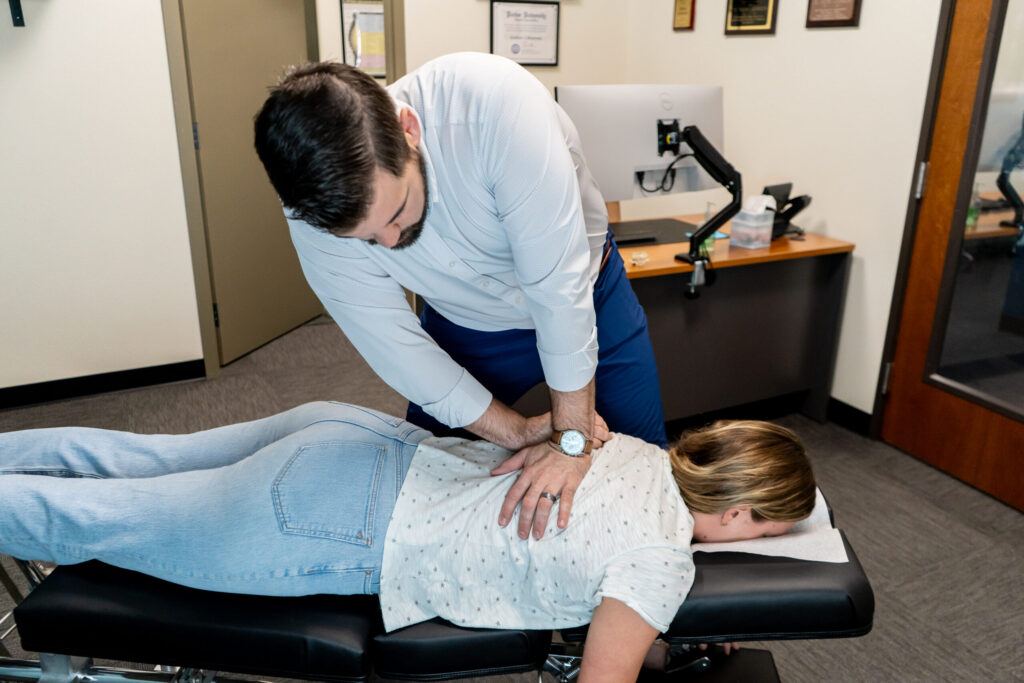
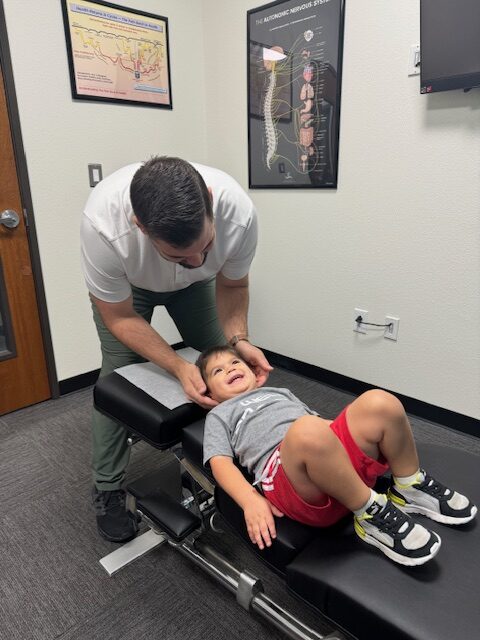
- Chiropractic Care: If you experience alignment issues, a chiropractor can create a treatment plan that includes spinal manipulations and adjustments. These personalized sessions can help alleviate pain and restore mobility.
- Lifestyle Modifications: Simple changes in your daily routine can make a significant difference. This might involve ergonomic adjustments at your workplace, a tailored exercise regimen, or dietary changes aimed at reducing inflammation.
Benefits of Tailored Therapies
Tailored therapies offer significant advantages for managing back pain, making it easier for you to find relief that truly works. One major benefit is the personalized approach. Instead of a one-size-fits-all solution, tailored therapies consider your unique symptoms, lifestyle, and medical history. This means the treatment you receive is specifically designed for your needs, increasing its effectiveness.
Another advantage is the ability to target the root cause of your pain. With tailored therapies, practitioners can identify the specific issues affecting your back, whether it's muscle strain, disc problems, or posture-related issues. By addressing these underlying causes, you're more likely to experience long-lasting relief.
Moreover, tailored therapies often combine multiple modalities, such as physical therapy, chiropractic adjustments, and even mindfulness techniques. This holistic approach can enhance your recovery, as it addresses both the physical and emotional aspects of pain.
You'll also benefit from better monitoring and adjustments throughout your treatment. With ongoing assessments, your healthcare provider can tweak your therapy as needed, ensuring you're always on the best path to recovery. This adaptability keeps your treatment relevant and effective.
Finally, knowing that your therapy is designed just for you can boost your motivation and commitment to the process. When you see progress and experience relief, it's easier to stay engaged and follow through with your treatment plan.
In short, tailored therapies empower you to take control of your back pain and improve your quality of life.
Case Studies and Success Stories
Now, let's explore some real-life success stories that highlight the impact of individualized treatment approaches for back pain.
You'll see how tailored therapies have transformed lives, helping people regain their mobility and enjoy daily activities again.
These case studies demonstrate the effectiveness of personalized care in managing and overcoming back pain.
Individualized Treatment Approaches
Explore the transformative power of individualized treatment approaches for back pain through compelling case studies and success stories. Each person's experience with back pain is unique, and tailored strategies often lead to remarkable improvements in quality of life.
Consider these four examples of individualized treatment approaches:
- Comprehensive Assessment: One patient underwent a thorough evaluation that identified specific muscle imbalances, leading to a targeted exercise regimen that alleviated pain and improved mobility.
- Personalized Physical Therapy: Another individual benefited from a customized physical therapy plan focusing on their specific lifestyle and work-related issues, resulting in significant pain reduction and enhanced daily function.
- Mindfulness and Stress Management: A different case showed that incorporating mindfulness techniques into the treatment plan helped a patient manage chronic pain, highlighting the importance of addressing mental well-being alongside physical symptoms.
- Nutritional Adjustments: Finally, one success story involved dietary changes that reduced inflammation and improved overall health, demonstrating how holistic approaches can be essential in managing back pain.
These tailored strategies not only provide relief but also empower you to take control of your back pain journey.
Real-Life Success Examples
Real-life success stories illustrate how individualized treatment approaches can make a significant difference in managing back pain.
Take Sarah, for example. After struggling with chronic lower back pain for years, she sought a tailored treatment plan that combined physical therapy, acupuncture, and lifestyle changes. Within months, she noticed remarkable improvements and could return to her favorite activities.
Then there's Mike, who faced persistent back pain due to a herniated disc. Instead of opting for surgery, he worked closely with a pain specialist to develop an extensive program that included targeted exercises, medication management, and mindfulness techniques.
Mike's dedication led to a significant reduction in pain and improved functionality.
Lastly, consider Jenna, whose back pain stemmed from poor posture at work. By implementing ergonomic adjustments and engaging in a personalized strengthening regimen, she transformed her daily routine.
Jenna now enjoys a pain-free life, attributing her success to the tailored approach that addressed her specific needs.
These stories show that individualized treatments not only alleviate pain but also empower you to reclaim your life.
Tailored strategies are essential for effective back pain management, making all the difference in your journey to recovery.
Working With Healthcare Professionals
Collaborating with healthcare professionals is fundamental for effectively managing back pain. When you work with experts, you can tailor your treatment to your specific needs, ensuring the best possible outcomes.
Here are some key steps to take when partnering with healthcare providers:
- Choose the Right Professionals: Start by identifying the healthcare specialists who focus on back pain, such as physical therapists, chiropractors, or pain management doctors. Each has unique insights that can help you.
- Communicate Openly: Be honest about your symptoms, medical history, and lifestyle. This information is essential for your provider to create a personalized treatment plan. Don't hold back; every detail counts.
- Set Clear Goals: Work with your healthcare team to establish realistic and measurable goals. Whether it's reducing pain, improving mobility, or enhancing your quality of life, having clear objectives will guide your treatment.
- Follow Through with Recommendations: Once your healthcare professionals recommend a treatment plan, it's critical to stick with it. This might include exercises, medication, or lifestyle changes. Consistency is key to achieving the results you want.
Moving Forward With a Plan
Having a solid plan in place is essential for effectively managing your back pain. You need to take a proactive approach that combines various strategies tailored to your specific needs. Start by setting realistic goals. Whether it's improving your mobility, reducing pain, or increasing your strength, clear objectives will help you stay focused.
Next, incorporate a routine that includes physical therapy, exercises, and stretches recommended by your healthcare provider. Regular movement is important, as it helps maintain flexibility and strengthens the muscles supporting your spine. Don't hesitate to ask your therapist for modifications if certain activities cause discomfort.
In addition to physical activities, consider integrating mindfulness practices such as meditation or yoga. These techniques can reduce stress and help you develop a better relationship with your body, which is essential when managing chronic pain.
Stay in close communication with your healthcare team. Regular check-ins can help you assess your progress and make necessary adjustments to your plan. If something isn't working, be open to exploring alternative treatments, whether it's medication, acupuncture, or chiropractic care.
Lastly, keep a pain journal. Documenting your experiences can provide valuable insights into your triggers and responses to various treatments. This information can help you and your healthcare team fine-tune your approach, ultimately leading to a more effective management plan.
Conclusion
In summary, tailored treatments for back pain are essential for finding relief and improving your quality of life. By understanding your unique situation and addressing the specific causes of your discomfort, you can engage in a more effective healing process. Collaborating with healthcare professionals and incorporating personalized strategies will empower you to take control of your back pain. Remember, a customized approach not only alleviates pain but also promotes long-term well-being and resilience in your daily activities.