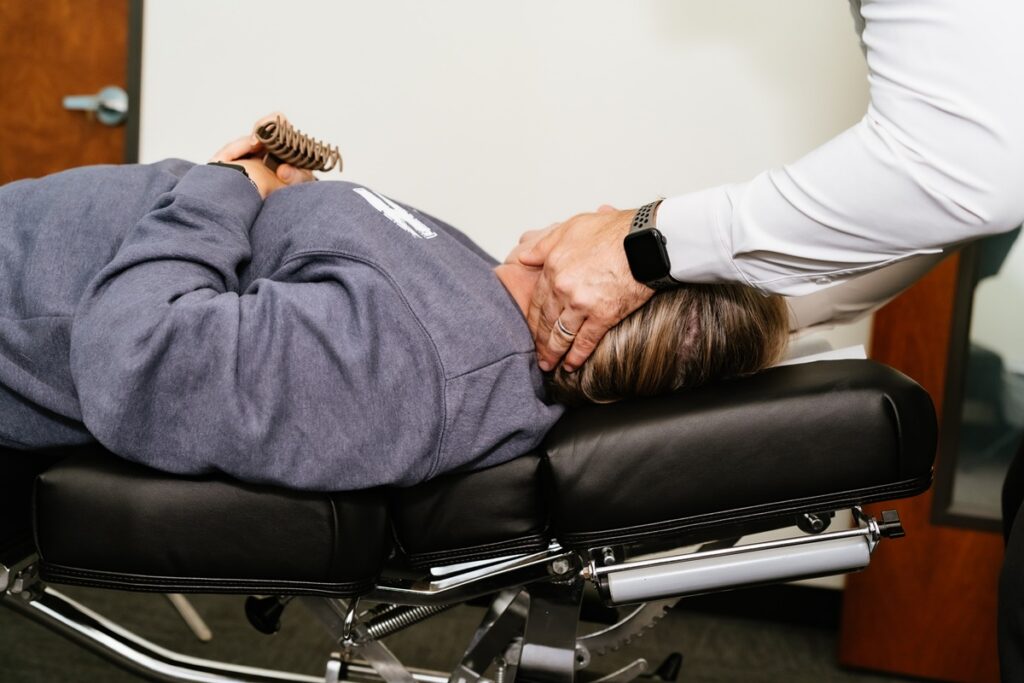

You might not realize just how much your posture impacts your back health. When you slouch or hunch over, it places unnecessary strain on your spine, leading to discomfort and pain. By simply adjusting how you sit or stand, you can maintain a neutral spine that helps distribute weight evenly, alleviating pressure and promoting better spinal health. This not only eases pain but also improves your overall stability and energy levels.
As a chiropractor, I encourage you to focus on your posture throughout the day. Here are some practical tips to help you improve your posture and support your spine:
- Sit Properly: When sitting, keep your feet flat on the floor, your knees at a right angle, and your back supported by your chair. Consider using a small cushion or lumbar roll to help maintain the natural curve of your lower back.
- Stand Tall: When standing, distribute your weight evenly on both feet. Keep your shoulders back and relaxed, and avoid locking your knees. Imagine a string pulling you up from the top of your head to encourage an upright position.
- Take Breaks: If you sit for long periods, take regular breaks to move around. Stretching your legs and doing gentle back exercises can help relieve tension.
- Engage Your Core: Strengthening your core muscles can provide better support for your spine. Simple exercises like planks and bridges can help.
- Stay Mindful: Be conscious of your posture throughout your daily activities. Whether you’re working, driving, or even using your phone, make an effort to maintain good posture.
Curious about how to implement these changes effectively? Chiropractic care can help by addressing any underlying issues and providing personalized guidance on maintaining optimal posture for your health. Let’s work together to alleviate your pain and enhance your well-being naturally!
Key Takeaways
Why Good Posture Alleviates Low Back Pain
As a local chiropractor, I want to share how maintaining good posture can significantly help relieve low back pain and promote overall health.
- Spinal Alignment: Good posture helps keep your spine aligned, which is crucial for reducing strain on your lower back. When your spine is in proper alignment, it can help prevent discomfort and pain in the lumbar region.
- Balanced Weight Distribution: When you sit or stand with good posture, your body distributes weight evenly across your vertebrae. This balanced distribution minimizes unnecessary stress on your muscles and ligaments, reducing the risk of injury and pain.
- Enhanced Circulation: Proper posture improves blood circulation, which ensures that your muscles receive adequate oxygen. This boost in circulation helps reduce fatigue and stiffness, making it easier to stay active and engaged in your daily activities.
- Optimal Movement Patterns: Keeping a neutral spine allows for better movement patterns. When you move correctly, it decreases the likelihood of injuries and promotes quicker recovery if you do experience discomfort.
- Core Engagement: Good posture encourages the engagement of your core muscles, which play a vital role in stabilizing your spine. This support can significantly alleviate discomfort in your lower back.
Tips for Maintaining Good Posture:
- Mind Your Sitting Position: When sitting, keep your feet flat on the ground, your knees at a right angle, and your back straight against the chair. Use a small cushion for extra lumbar support if needed.
- Stand Tall: When standing, distribute your weight evenly on both feet, keeping your shoulders back and your head aligned over your spine.
- Take Breaks: If you’re sitting for long periods, take breaks every 30 minutes to stretch and adjust your posture. Simple stretches can help relieve tension and keep your muscles engaged.
- Strengthen Your Core: Incorporate exercises that strengthen your core muscles, as a strong core supports good posture and a healthy spine.
- Consider Chiropractic Care: Regular visits to a chiropractor can help maintain your spinal health and posture. Chiropractic adjustments can relieve tension, improve alignment, and support your journey to natural wellness.
By incorporating these tips and focusing on good posture, you can take proactive steps towards alleviating low back pain and enhancing your overall health. Remember, chiropractic care is a natural and effective way to achieve and maintain optimal wellness.
Understanding Posture and Its Impact on the Spine
Your posture significantly impacts your spinal health, whether you’re sitting, standing, or moving. Good posture helps align your spine, ensuring weight is distributed evenly across your vertebrae. This reduces unnecessary strain on your muscles and ligaments, ultimately leading to less discomfort and pain. On the other hand, slouching or leaning forward creates imbalances that can contribute to issues down the road.
To maintain optimal spinal health, it’s important to keep a neutral spine, which allows your body to stay in the best position for balance and coordination. Being mindful of your posture throughout the day can make a real difference. If you spend a lot of time at a desk, make simple adjustments like raising your chair or screen height to avoid hunching over. Remember to take regular breaks to stretch and move around; your body will thank you!
Strengthening your core muscles is also essential for supporting good posture. A strong core provides stability to your spine, helping you maintain that ideal alignment. Regular chiropractic care can further enhance your spinal health by addressing misalignments and promoting natural healing.
The Mechanics of Low Back Pain
Understanding the mechanics of low back pain is crucial for managing and preventing it effectively. Your lower back, also known as the lumbar spine, is made up of vertebrae, discs, muscles, and ligaments that work together to support your body’s weight and allow for movement. When you experience low back pain, it often stems from strain, injury, or wear and tear on these components.
Common causes of low back pain include muscle imbalances, overexertion, and improper lifting techniques, which can put unnecessary stress on your spine, leading to inflammation and discomfort. Sometimes, nerve compression can occur when vertebrae shift or discs herniate, causing pain that may radiate down your legs.
It’s also important to consider your body’s biomechanics—essentially, how you move and carry yourself. Misalignment or poor movement patterns can worsen pain and slow down recovery. This is where chiropractic care shines! Chiropractors are trained to assess your spinal alignment and movement patterns, helping to restore balance and function to your body.
To support a healthier back and reduce your risk of pain, here are some tips you can incorporate into your daily life:
- Practice Good Posture: Whether sitting at a desk or standing, ensure your posture supports your spine. Keep your shoulders back and your feet flat on the ground.
- Lift Properly: When lifting heavy objects, always bend your knees and keep the object close to your body. Avoid twisting your back.
- Stay Active: Regular exercise strengthens your core muscles, offering better support to your spine. Consider low-impact activities like walking, swimming, or yoga.
- Stretch Regularly: Incorporate stretching into your routine to improve flexibility and prevent muscle tightness.
- Stay Mindful of Your Movements: Pay attention to how you move throughout the day. Small adjustments in your daily habits can make a big difference.
By understanding the mechanics of low back pain and taking proactive steps, you can make informed choices that support your overall health. Chiropractic care is a natural and effective way to address low back pain, promoting healing and wellness without the need for medications or surgeries.
If you’re experiencing discomfort, consider visiting a chiropractor to explore how they can help you achieve optimal health and a pain-free life.
How Poor Posture Contributes to Discomfort
Poor posture can significantly contribute to discomfort in your back and body, as it puts unnecessary strain on your muscles, ligaments, and spine. When you slouch or lean forward, your body has to work harder to maintain balance, which can lead to muscle fatigue and tension. This misalignment can cause your spine to curve in ways it shouldn’t, resulting in pain that can travel from your lower back all the way up to your neck.
Moreover, poor posture can restrict blood flow and oxygen to your muscles, which can heighten feelings of fatigue and discomfort. You may find yourself frequently shifting positions or experiencing stiffness after sitting for long periods. Over time, these habits can lead to chronic pain and even injuries that can interfere with your daily life.
Ignoring your posture can create a cycle of discomfort that’s challenging to escape. By understanding how your everyday habits contribute to these issues, you can take proactive steps toward a healthier, pain-free lifestyle. Chiropractic care is an excellent way to address and improve your posture, helping to alleviate discomfort and enhance your overall well-being.
Here are a few simple tips to help you improve your posture and reduce discomfort:
- Stay Mindful: Regularly check in with your posture throughout the day. Make sure your shoulders are back, and your head is aligned with your spine.
- Take Breaks: If you sit for long periods, take short breaks every 30 minutes. Stand up, stretch, and move around to relieve tension.
- Strengthen Your Core: Engage in exercises that strengthen your core muscles. A strong core can help support your spine and improve your posture.
- Create an Ergonomic Workspace: If you work at a desk, ensure your setup is ergonomic. Your chair should support your lower back, and your computer screen should be at eye level.
- Consider Chiropractic Adjustments: Regular visits to a chiropractor can help correct misalignments, relieve pain, and improve your posture, leading to better overall health.
Simple Posture Corrections for Relief
Simple posture corrections can greatly enhance your comfort and overall well-being, and as a chiropractor, I believe these adjustments are essential for natural healing.
Start by optimizing your workspace to create a supportive environment for your spine. Choose a chair that offers solid lower back support, ensuring your feet rest flat on the floor. Position your computer screen at eye level to prevent unnecessary neck strain.
When standing, remember to distribute your weight evenly on both feet and keep your knees slightly bent to avoid locking them. Engaging your core muscles is key to supporting your spine and maintaining a healthy posture.
While seated, focus on keeping your back straight and resist the urge to slouch. If you find it challenging to maintain good posture, consider using a cushion for added lumbar support.
It’s important to regularly check in with your posture throughout the day. You might find it helpful to set reminders on your phone to prompt you to adjust your position and stay mindful of how you hold your body.
Incorporating these simple posture corrections into your daily routine can lead to immediate relief from low back pain and discomfort. By prioritizing your spinal health and making these adjustments, you can feel more comfortable and focused in your daily activities.
Long-term Benefits of Maintaining Good Posture
Maintaining good posture is crucial for your long-term health and can significantly enhance your quality of life. As a chiropractor, I want to emphasize how proper alignment can alleviate discomfort and promote overall wellness. When you consistently sit and stand correctly, you minimize strain on your spine and muscles, which can help you avoid chronic pain, especially in the lower back. By prioritizing your posture, you’re not just preventing discomfort but actively enhancing your physical health.
Good posture also has a wonderful effect on your energy levels and circulation. When you align your body correctly, you allow for better blood flow, which can make you feel more alert and energized throughout your day. Plus, with proper alignment, it becomes easier to take deep breaths, ensuring your body gets the oxygen it needs to function at its best.
Another great benefit of maintaining good posture is the boost it can give to your confidence and self-esteem. Standing tall and sitting straight helps you project a more assertive and positive image, which can improve how you feel about yourself.
Over time, focusing on good posture can improve your balance and coordination, which is essential for preventing injuries. By making posture a priority, you’re investing in your long-term well-being, setting the stage for a healthier, more active lifestyle.
Here are some simple tips to help you maintain good posture:
- Be Mindful: Regularly check in with your body throughout the day. Are you slouching? Try to correct it.
- Ergonomic Setup: If you spend long hours at a desk, ensure your chair and computer are set up to promote good posture.
- Strengthening Exercises: Incorporate exercises that strengthen your core muscles, as a strong core supports good posture.
- Stretch Regularly: Take breaks to stretch your body throughout the day to prevent stiffness and encourage alignment.
- Chiropractic Care: Regular visits to a chiropractor can help keep your spine aligned and address any issues before they become chronic.
Conclusion
Maintaining good posture is essential for alleviating low back pain, and as a chiropractor, I can’t emphasize this enough. When you keep your spine aligned and engage your core muscles, you significantly reduce strain on your muscles and discs, which can lead to better stability and improved circulation throughout your body.
Simple adjustments to your posture can have a lasting impact on your comfort and overall well-being. Here are a few tips to help you adopt better posture and, in turn, alleviate low back pain:
- Be Mindful of Your Sitting Position: When sitting, ensure that your feet are flat on the ground, your knees are at a right angle, and your back is straight. Consider using an ergonomic chair that supports your lower back.
- Strengthen Your Core: Engaging in exercises that strengthen your core can provide better support for your spine. This can include activities like planks and bridges, which are great for building stability.
- Take Movement Breaks: If you find yourself sitting for long periods, make a conscious effort to stand up, stretch, and move around every 30 minutes. This helps to relieve tension and promotes better blood flow.
- Ergonomic Setup: If you work at a desk, ensure that your workstation is set up ergonomically. Your computer screen should be at eye level, and your keyboard should be positioned to allow your elbows to stay close to your body.
- Mind Your Footwear: Wearing supportive shoes can help maintain proper alignment and reduce strain on your back. Avoid high heels or overly flat shoes that lack support.
Remember, these simple changes can lead to long-term benefits, helping you avoid discomfort and fatigue. As a chiropractor, I encourage you to prioritize your spinal health and consider regular chiropractic adjustments. This natural approach can help align your spine, enhance your posture, and promote overall wellness. Your back will thank you, and you’ll feel more energized and comfortable in your daily activities!