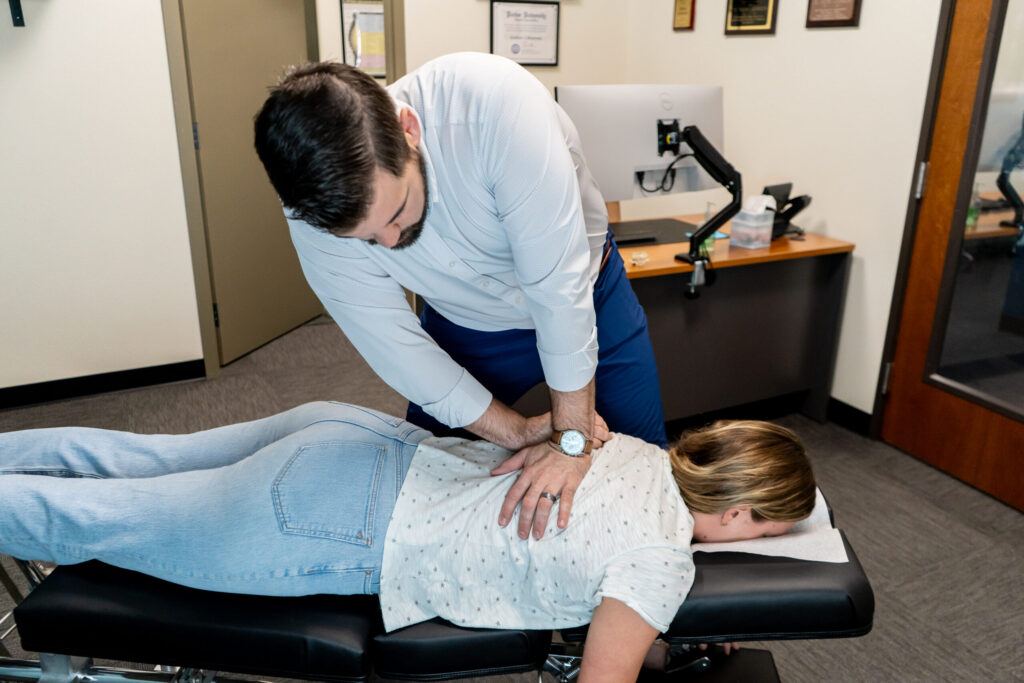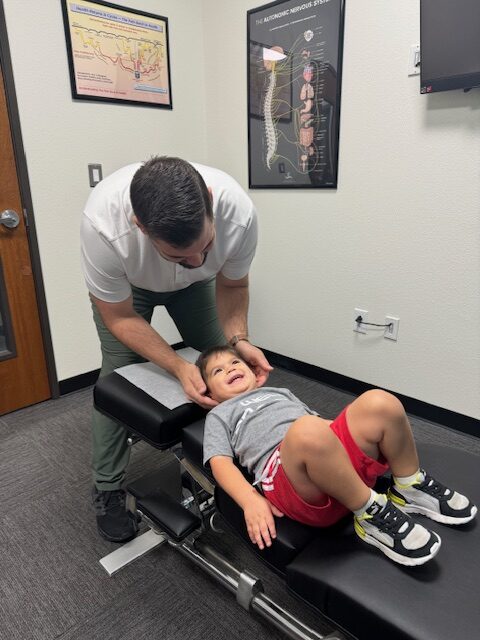

When it comes to treating neck injuries, many people often envision aggressive techniques that promise quick fixes. As a local chiropractor, I want to share why opting for gentle methods can actually lead to better healing outcomes. These gentle approaches focus on your comfort and align with your body's natural recovery process, which can help minimize pain and discomfort during your healing journey.
Instead of resorting to harsh treatments, techniques like soft tissue therapy and gentle stretching can provide not only physical relief but also contribute to your emotional well-being. By nurturing your body with these gentle methods, you may discover a more holistic path to recovery.
So, what makes these gentle techniques so advantageous compared to more aggressive treatments? Gentle chiropractic care aims to restore balance and promote healing without causing additional strain or discomfort. This can lead to a more sustainable recovery, allowing you to regain mobility and strength in a way that feels safe and supportive. If you're curious about how gentle chiropractic methods can help with your neck injury, I'd be happy to discuss your options and create a personalized care plan that works for you.
Understanding Neck Injuries
As a local chiropractor, I want to help you understand the importance of neck health and how common neck injuries can affect your overall well-being. Many people are unaware that neck injuries can develop gradually, often stemming from accidents, poor posture, or repetitive strain. You may not fully recognize the impact of an injury until you start to feel pain or discomfort. That's why it's crucial to educate yourself about the different types of neck injuries and their symptoms.
One of the most prevalent injuries I see in my practice is whiplash, which often occurs when the head is suddenly jerked forward and then backward, typically as a result of a car accident. Whiplash can lead to a variety of symptoms, including stiffness, headaches, and a limited range of motion. Recognizing these signs early on can help you seek the appropriate care.
Another common issue is muscle strain, which can occur from overexertion, awkward sleeping positions, or even prolonged use of your smartphone. If you find yourself experiencing localized pain, muscle spasms, or tenderness, it could be a sign of a muscle strain that needs attention.
Additionally, nerve compression issues may arise from herniated discs or degenerative conditions, leading to radiating pain, tingling, or numbness in the arms.
As you navigate your daily life, it's important to listen to your body. If you notice any persistent discomfort, please don't ignore it. Early intervention is key to preventing further complications and can significantly speed up your recovery process. Be vigilant for signs that indicate it's time to consult a professional, such as severe pain, weakness, or loss of mobility.
By understanding neck injuries and their symptoms, you can take proactive steps toward seeking treatment. Chiropractic care focuses on natural healing methods that can help alleviate pain and restore function.
The Importance of Gentle Techniques
As a local chiropractor, I want to share with you the importance of gentle techniques when it comes to treating neck injuries. Many people may not be familiar with how these approaches can significantly enhance your recovery process.
Gentle techniques prioritize minimizing strain and discomfort, which allows your body to heal more effectively. By using these methods, you can reduce inflammation and promote circulation—two key factors in healing.
When you avoid using excessive force, you can prevent further aggravation of your injury, making it easier to progress through rehabilitation. Gentle techniques also create an atmosphere of relaxation, both physically and mentally. Pain can often lead to increased stress, which can disrupt your healing journey.
By opting for gentle methods, you foster a soothing environment that helps your body respond positively to treatment. Your body deserves a compassionate approach to healing.
Gentle techniques may include stretching, mobilization exercises, and various therapeutic modalities that don't involve aggressive manipulation. These methods not only help you understand your body's limitations but also encourage gradual improvement over time.
As you become more confident in your movements, you'll find it easier to return to your daily activities. Ultimately, embracing gentle techniques supports not just your physical healing, but also your emotional well-being.
By prioritizing gentleness over aggression, you're taking a vital step toward a healthier recovery. I encourage you to consider these approaches as a fundamental part of your journey, ensuring that your neck has the best opportunity to heal properly.
If you have any questions about these techniques or how chiropractic care can assist you, please feel free to reach out.
Benefits of Soft Tissue Therapy
As a local chiropractor, I want to share with you the incredible benefits of soft tissue therapy, especially for those of you who are recovering from neck injuries. This therapy focuses on the muscles, tendons, and ligaments around your neck, helping to promote healing and alleviate pain. By targeting these soft tissues, you can experience enhanced mobility and reduced stiffness, both of which are essential for your recovery journey.
One of the standout benefits of soft tissue therapy is its ability to boost blood circulation. Better blood flow means that essential nutrients and oxygen reach the affected areas more efficiently, which can significantly speed up the healing process. Additionally, this therapy aids in flushing out toxins from your body, further supporting your recovery. You may notice a decrease in inflammation and swelling, leading to greater comfort overall.
Soft tissue therapy is also highly effective in relieving muscle tension. When you're in pain, your body naturally tightens up, creating a cycle of discomfort that can be hard to break. By releasing this tension, you'll not only feel immediate relief but also enjoy long-term benefits as your body learns to relax and regain its natural movement.
Plus, this therapy can enhance your posture, which is vital for preventing future neck injuries.
Another wonderful aspect of soft tissue therapy is its ability to alleviate stress and anxiety. The gentle techniques used during the sessions can have a calming effect, helping you feel more relaxed both physically and mentally. This holistic approach addresses not just the physical components of your neck injury but also supports your emotional well-being, making it an important part of your healing process.
If you're unfamiliar with chiropractic care and natural healing, I encourage you to consider how soft tissue therapy can be a valuable addition to your recovery plan. Together, we can work towards restoring your health and well-being!
Gentle Stretching for Recovery
As a local chiropractor, I want to emphasize the importance of incorporating gentle stretching into your recovery plan, especially if you're new to chiropractic care and natural healing. Gentle stretching can significantly enhance the benefits of soft tissue therapy, which is a cornerstone of our practice. It helps improve flexibility, reduce muscle tension, and increase blood flow to the areas that need it most. This combination not only accelerates your healing process but also helps you regain mobility more effectively.
When you begin gentle stretching, it's essential to listen to your body. Start with slow, controlled movements that feel comfortable. For example, simple neck stretches—like tilting your head side to side or gently rotating it—can be very effective. Aim to hold each stretch for about 15-30 seconds, allowing your muscles to relax and release tension. Performing these stretches a few times throughout the day can keep your neck feeling more comfortable and mobile.
Gentle stretching can also help alleviate the stiffness that often comes with neck injuries. By regularly incorporating these stretches into your routine, you can maintain a better range of motion as your neck heals. Remember, consistency is vital; making stretching a daily habit will lead to the best results.
Before you start any new stretching regimen, especially after a neck injury, it's crucial to consult with a healthcare professional or physical therapist. They can provide you with specific stretches tailored to your individual needs and ensure that you're practicing them safely.
Mindfulness Practices in Healing
As a local chiropractor, I want to highlight the significant role mindfulness practices can play in your healing journey, especially when recovering from neck injuries.
Incorporating techniques such as breath awareness, visualization, and body scan meditation can greatly enhance your connection to your body and promote relaxation.
These mindfulness methods not only help alleviate tension but also contribute to a more effective recovery process.
Breath Awareness Techniques
As a chiropractor dedicated to helping you heal from neck injuries, I want to introduce you to the powerful benefits of breath awareness techniques. These practices can be incredibly effective in fostering relaxation and reducing tension, which are essential components of managing neck pain.
To begin, find a comfortable position—whether that's seated or lying down. Close your eyes and take a deep breath in through your nose, allowing your abdomen to expand fully. Hold that breath for a moment, and then exhale slowly through your mouth.
As you engage in this breathing exercise, pay close attention to the rhythm of your inhalations and exhalations. Notice how your body feels with each breath, and allow any tension in your neck and shoulders to gently dissipate. If you find your thoughts drifting, simply and kindly guide your focus back to your breath.
This practice not only enhances your awareness of physical sensations but also strengthens the connection you have with your body.
Incorporating breath awareness techniques into your daily routine can significantly support your recovery journey. Whether you set aside a few minutes or more for these practices, each session contributes to an overall sense of well-being.
This won't only help you manage your symptoms but also make it easier for you to navigate the healing process with greater ease. Remember, natural healing is a journey, and I'm here to support you every step of the way.
Visualization for Healing
As a local chiropractor, I want to share with you how visualization techniques can play a significant role in your recovery from neck injuries. Many patients are unaware that engaging the mind through positive imagery can facilitate healing and alleviate pain.
Imagine your neck muscles loosening and the tension dissipating. Visualize the healing process as fresh blood circulates to the affected area, delivering essential nutrients to promote recovery.
To begin, find a calm space where you can either sit or lie down comfortably. Close your eyes and take a few deep breaths to ground yourself. Picture a warm, soothing light surrounding your neck, relieving discomfort and encouraging relaxation.
As you concentrate on this light, pay attention to how your body feels—notice how the tension decreases with each breath.
Additionally, envision yourself participating in activities you love, free from pain. This positive mental imagery can help redirect your focus away from discomfort and towards healing. Regularly practicing these visualization techniques can enhance your overall well-being and support your physical recovery.
At our chiropractic practice, we believe in the powerful connection between the mind and body. By tapping into this through visualization, you can significantly contribute to your healing journey.
Body Scan Meditation
As a local chiropractor dedicated to helping my patients recover from injuries, I want to introduce you to an effective technique known as body scan meditation. This practice complements chiropractic care and can significantly support your recovery, especially if you're dealing with neck injuries.
Body scan meditation encourages you to become more aware of your body, allowing you to connect with various sensations and areas of tension. By focusing on different parts of your body, you can pinpoint where you may be holding stress or discomfort, particularly in the neck region.
To get started with a body scan, find a comfortable position, whether sitting or lying down. Close your eyes and take a few deep breaths to center yourself. Begin at the top of your head and gently guide your awareness down to your toes. As you concentrate on each area, take note of any sensations you feel—whether they're tightness, warmth, or relaxation—without passing any judgment.
If you encounter tension, visualize it dissolving with each breath you exhale.
Incorporating body scan meditation into your routine can be incredibly beneficial. Regular practice not only helps to reduce anxiety but also promotes relaxation, both of which are essential for the healing process.
It allows you to attune to your body's needs, making it easier to address discomfort with gentle self-care practices.
Reducing Pain and Discomfort
As a local chiropractor, I want to emphasize the importance of addressing neck injuries with effective pain relief strategies that can assist in your recovery.
It's crucial to explore natural methods that not only alleviate discomfort but also support your body's healing process.
By integrating gentle chiropractic techniques and holistic approaches, you can enhance your recovery journey and promote overall well-being.
Let's work together to find the best solutions for your neck pain, ensuring that you feel empowered and informed every step of the way.
Natural Pain Relief Methods
As a local chiropractor, I often see patients seeking natural pain relief methods for neck injuries, and I want to share some effective techniques that can help alleviate discomfort without relying on medication.
You may be surprised at how simple practices can significantly reduce your pain and enhance your overall well-being.
One of the most effective strategies is the application of heat or cold packs to the affected area. Heat therapy can relax tense muscles, which is essential for easing discomfort, while cold packs can numb sharp pain and help reduce inflammation.
Additionally, incorporating gentle stretching exercises into your routine can promote better mobility and relieve stiffness in your neck.
Essential oils, such as lavender or peppermint, can also play a beneficial role in your healing process. A few drops in a diffuser or diluted in a carrier oil for massage can provide soothing effects that enhance your relaxation.
Mindfulness practices, including meditation and deep breathing exercises, can be invaluable in managing pain. These techniques not only help reduce stress but also promote relaxation, which is key to your recovery.
It's also crucial to consider your posture. Adjusting your workstation ergonomically or being mindful of how you sit can prevent further strain on your neck, allowing your body to heal more effectively.
By integrating these natural pain relief methods into your daily routine, you can take an active role in your health and well-being.
If you have any questions or would like to explore chiropractic care further, please feel free to reach out.
Enhanced Recovery Process
As a local chiropractor, I want to emphasize the importance of a thorough recovery process for alleviating pain and discomfort from neck injuries. When you choose gentle techniques, you're not just addressing immediate pain; you're laying the groundwork for a more comprehensive healing experience.
Methods like gentle stretching and mindfulness practices are essential because they promote blood circulation, which is crucial for speeding up recovery by delivering vital nutrients to the injured area.
Incorporating gentle movements into your daily routine can help prevent stiffness and enhance flexibility. Many of my patients find that these techniques significantly reduce tension in the neck and shoulders, which can often lead to persistent discomfort.
Furthermore, integrating relaxation strategies such as deep breathing and meditation can help you manage your pain perception more effectively, making it easier to cope with any discomfort you may face during your recovery journey.
I encourage you to consider these natural healing approaches as part of your path to wellness. Together, we can work on a personalized plan that supports your recovery and promotes long-term health.
Promoting Natural Healing Processes
As a local chiropractor, I want to share some valuable insights about promoting natural healing processes, especially during your recovery from neck injuries. Your body is inherently capable of healing itself, and by supporting this natural ability, you can achieve better outcomes and overall well-being.
Gentle techniques such as soft tissue therapy, gentle stretching, and targeted exercises can significantly enhance blood flow, reduce tension, and facilitate the natural repair of damaged tissues. These approaches are integral to chiropractic care and can help restore your neck's function.
Listening to your body is fundamental in this process. If you experience discomfort during specific activities, it's essential to adjust your approach accordingly. Incorporating mindfulness practices, such as meditation or deep breathing, can assist in managing stress and promoting relaxation. This relaxation supports your body's healing efforts.
Nutritional support also plays a critical role in your recovery. A balanced diet, rich in vitamins, minerals, and anti-inflammatory foods, can strengthen your immune system and provide the necessary nutrients for tissue repair. Staying hydrated is equally vital, as it helps maintain the elasticity and flexibility of your muscles and ligaments.
Rest is another crucial element of your healing journey. While it's important to engage your neck gently, allowing it time to rest and recover is essential. Overexertion can impede your progress toward healing.
Finally, I encourage you to seek professional guidance. As a chiropractor, I can create a personalized recovery plan tailored to your body's specific needs.
Comparing Gentle and Aggressive Treatments
As a local chiropractor, I want to help you understand the important differences between gentle and aggressive treatments for neck injuries, as this knowledge can significantly influence your recovery journey.
Gentle techniques, such as chiropractic adjustments, physical therapy, and gentle stretching, prioritize your body's natural healing processes. These methods are designed to promote healing and restore function without putting undue stress on your system. By focusing on reducing inflammation, relieving tension, and gradually improving mobility, gentle treatments allow you to recover at a pace that suits your body's needs.
In contrast, aggressive treatments often involve invasive procedures, high-impact therapies, or strong medications aimed at providing quick relief. While these approaches can yield immediate results in certain cases, they may come with increased risks of side effects and complications. You might find that aggressive interventions lead to more pain or discomfort during recovery, as your body may struggle to adapt to their intensity.
Opting for gentle treatments emphasizes long-term healing and sustainability. This approach helps you build a strong foundation of strength and flexibility, which is key to preventing future injuries.
On the other hand, while aggressive methods may offer short-term relief, they can sometimes overlook underlying issues, potentially leading to further complications down the line.
Ultimately, the choice between gentle and aggressive treatments should be tailored to your specific injury and personal preferences. It's essential to consult with a healthcare professional, like me, who can guide you in making an informed decision that aligns with your needs.
Success Stories and Evidence
As a local chiropractor, I want to share with you the incredible success stories of patients who've experienced remarkable recoveries from neck injuries through gentle techniques. Many individuals have turned to natural healing methods, including chiropractic care, physical therapy, and yoga, and the results are truly inspiring.
Take Sarah, for example. After a car accident, she struggled with chronic neck pain and found that aggressive treatments weren't providing her with the relief she needed. When she made the switch to gentle techniques, particularly chiropractic care and consistent physical therapy, she began to see significant improvements in her mobility and pain levels within just a few weeks.
Sarah is now passionate about sharing her journey to encourage others to consider these gentler options for their neck injuries.
Another patient, John, experienced debilitating tension headaches caused by neck strain. After participating in yoga classes that focused on relaxation and gentle stretching, he not only found relief from his headaches but also experienced an overall enhancement in his well-being.
John's success story illustrates the holistic benefits that gentle techniques, like chiropractic care, can provide.
Research backs up these personal experiences, showing that gentle methods often lead to better long-term outcomes compared to more aggressive approaches. Many patients report an improved quality of life and decreased pain after embracing these natural healing techniques.
By choosing gentle treatments for neck injuries, you're not just seeking immediate relief; you're making an investment in a healthier, more balanced future.
If you're unfamiliar with chiropractic care, I invite you to explore how it can play a vital role in your recovery and overall health journey.
Conclusion
As your local chiropractor, I want to emphasize the importance of choosing gentle techniques for neck injuries in your healing journey. When you opt for methods like soft tissue therapy and gentle stretching, you're not just alleviating pain—you're actively supporting your body's natural ability to heal itself. These compassionate approaches can significantly enhance your mobility and overall emotional well-being, giving you an excellent chance for a complete recovery.
It's essential to understand that healing doesn't have to be aggressive or painful. In fact, gentle techniques can be incredibly effective and nurturing. Your body deserves this kind of care, and as we work together, I will guide you through these gentle methods to ensure you feel safe and supported on your path to wellness. Let's embrace a healing process that respects your body and promotes long-lasting recovery.