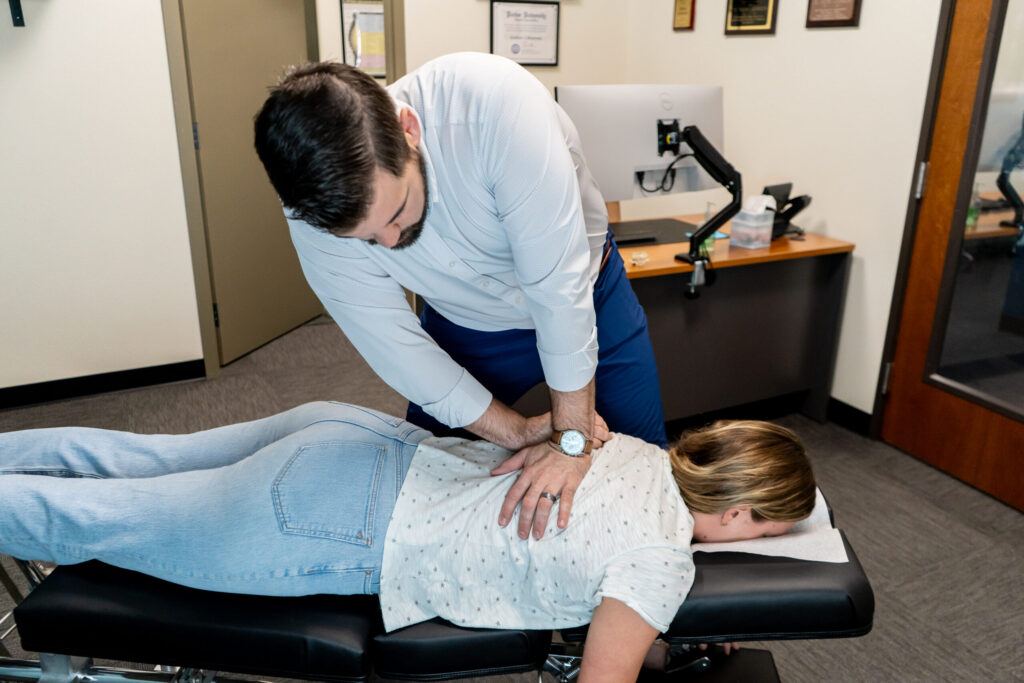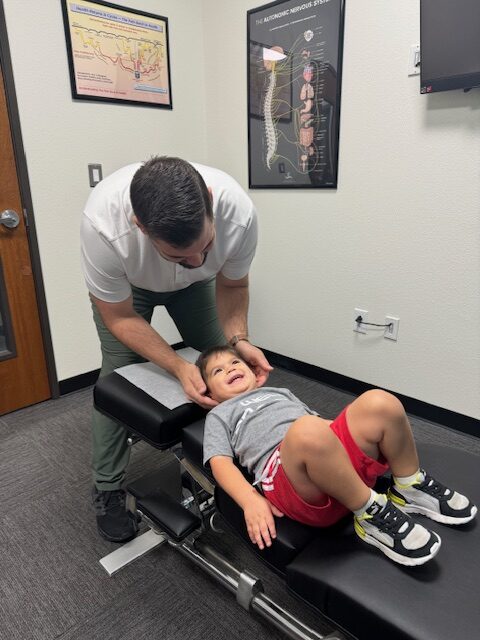

You might be surprised to learn that many athletes, in their pursuit of peak performance, often overlook essential recovery support. This oversight stems from a belief that relentless training is the only path to success, while factors like nutrition, mental health, and adequate rest take a backseat. The pressure to excel, amplified by social media and competitive culture, can lead to a stigma around prioritizing recovery. As a result, crucial practices get neglected, increasing the risk of injuries and burnout. But what's really at stake when you ignore these recovery essentials?
Misplaced Priorities in Training
Training hard is fundamental for athletes, but focusing solely on physical performance can lead to misplaced priorities. You might push your limits in the gym, hoping to gain strength, speed, or endurance. While aiming for peak performance is admirable, neglecting other essential aspects of your training can hinder your progress and even put you at risk for injuries.
Often, you might find yourself prioritizing long hours of practice and intense workouts over important components like nutrition, mental health, and rest. These elements are just as significant as the time you spend sweating it out. If you ignore proper nutrition, your body won't recover effectively, and your energy levels will plummet. Without the right fuel, your performance will suffer, no matter how many hours you train.
Additionally, mental health plays a significant role in your overall performance. You may overlook stress management techniques, dismissing them as secondary to physical training. However, a clear mind can improve focus and motivation, both critical for achieving your goals.
Lastly, you might underestimate the importance of rest and recovery. If you're constantly pushing yourself without giving your body time to heal, you risk burnout and injuries that can sideline you for weeks or months.
Balancing physical training with proper nutrition, mental health practices, and adequate recovery time is important. By realigning your priorities, you'll not only enhance your athletic performance but also guarantee long-term success in your athletic journey.
Misunderstanding Recovery Needs
Many athletes underestimate the complexity of their recovery needs, often believing that simply resting between workouts is enough. This misconception can lead to serious setbacks in performance and overall well-being. Recovery isn't just about taking time off; it's a multifaceted process that requires attention to various physical and mental aspects.
You might think that sleeping more or skipping a training session will suffice, but recovery involves active strategies like nutrition, hydration, and stress management. When you neglect these elements, you risk not only your performance but also your long-term health. For instance, a lack of proper nutrition can hinder muscle repair, while inadequate hydration can lead to fatigue and decreased focus.
Moreover, mental recovery is just as important as physical recuperation. Stress and anxiety can accumulate, affecting your motivation and focus. Ignoring this aspect might leave you feeling burned out, even if your body is technically rested. Engaging in mindfulness practices or relaxation techniques can help you manage these mental hurdles.
It's essential to recognize that recovery is an ongoing process, not a one-time event. By understanding your specific recovery needs and implementing a thorough strategy, you'll set yourself up for success.
Don't fall into the trap of thinking that rest alone will solve everything. Embrace a holistic approach to recovery, and you'll see significant improvements in your performance and overall health.
Influence of Competition Culture
In today's competition culture, you often feel immense pressure to perform, pushing you to prioritize winning over your well-being.
This mindset can lead to a serious misunderstanding of how critical recovery is for your long-term success.
Recognizing the value of recovery isn't just beneficial; it's essential for sustaining peak performance.
Pressure to Perform
Amid the intense atmosphere of competitive sports, athletes often feel an overwhelming pressure to perform at their best. This pressure can stem from various sources, including coaches, fans, and even personal expectations.
You might find yourself caught in a relentless cycle of pursuing perfection, where any sign of weakness could feel like a setback. This competitive environment can lead you to prioritize performance over vital recovery, which can ultimately hinder your long-term success.
Consider the following factors that contribute to this pressure:
- Expectations from coaches: You may feel that your worth is tied to your performance.
- Fan engagement: The cheers and boos can amplify anxiety about delivering results.
- Social media scrutiny: Constant online comparisons can make you doubt your abilities.
- Team culture: The ethos within your team might glorify pushing through pain, sidelining recovery.
- Self-inflicted stress: You might set unrealistic goals, driving yourself to the brink.
Recognizing these pressures is significant. It's important to balance performance demands with the recovery support necessary for sustained success.
Misunderstanding Recovery Importance
The competitive culture surrounding sports often leads to a significant misunderstanding of recovery's role in an athlete's performance. You might think pushing through pain and fatigue is the hallmark of dedication. In reality, neglecting recovery can undermine your efforts and hinder your progress. Many athletes equate toughness with constant training, forgetting that recovery is just as essential for peak performance.
When you prioritize competition over recovery, you risk burnout and injuries. Your muscles need time to repair, and your mind needs a break to maintain focus and motivation. The pressure to always be "on" can create a false narrative that resting equates to weakness. This mindset can be detrimental, leading to overtraining and decreased performance.
It's imperative to shift your perspective: recovery isn't an option; it's a necessity. Embracing rest, proper nutrition, and mental downtime can enhance your resilience and performance.
Time Constraints and Scheduling
Many athletes face significant time constraints when it comes to incorporating recovery support into their training routines. With packed schedules filled with practices, competitions, and other commitments, it's easy to overlook recovery as an important component of performance.
You might think that setting aside time for recovery is a luxury, but it's actually a necessity for your long-term success and health.
Balancing your training and recovery can feel overwhelming, but it's important to prioritize both. Here are some common scheduling challenges you might encounter:
- Training Sessions: Intense workouts can take up a large chunk of your day, leaving little time for recovery.
- Competitions: Frequent events can lead to back-to-back scheduling, making recovery even more vital.
- Work or School: Academic or job responsibilities can further limit your available time.
- Family and Social Commitments: Personal obligations can cut into your recovery time, adding to the stress.
- Mental Fatigue: Juggling multiple demands can drain your mental energy, making recovery feel like another chore.
Finding a balance is key. Try integrating recovery practices into your daily routine, like stretching or foam rolling right after workouts.
You can even schedule short recovery sessions, such as meditation or ice baths, to maximize your limited time.
Lack of Education on Recovery
Despite its crucial role in athletic performance, recovery often suffers from a lack of education among athletes. You might focus on workouts, drills, and competition strategies, but if you don't know how to recover properly, all that effort can go to waste. Recovery isn't just about taking a day off. It involves understanding your body's needs, implementing effective techniques, and recognizing the signs of fatigue.
Many athletes assume they'll figure it out as they go, but that can lead to injuries and burnout. You might think rest is enough, but recovery encompasses nutrition, hydration, sleep, and even mental health practices. Without proper education, you risk neglecting these essential components.
Consider how often you hear about training regimens, yet how often do you hear discussions focused on recovery techniques? This education gap can leave you unprepared to optimize your performance. You could benefit immensely from learning about strategies like active recovery, foam rolling, or the importance of sleep cycles.
Moreover, misinformation can mislead you into believing that recovery is a sign of weakness when, in fact, it's a crucial aspect of athletic success. You deserve to be equipped with knowledge about how to support your body effectively after intense training or competition.
Overemphasis on Physical Performance
An intense focus on physical performance can overshadow the importance of recovery in an athlete's routine. You might find yourself fixated on hitting personal records or perfecting your technique, but this often leads to neglecting essential recovery practices.
When you prioritize performance above all else, you risk injury, burnout, and a decline in overall well-being. Recovery isn't just a break; it's a critical part of your training that supports and enhances performance.
Think about these aspects that can help you balance performance and recovery:
- Muscle Repair: Recovery allows your muscles to repair and grow stronger after intense workouts.
- Injury Prevention: Adequate rest and recovery can greatly reduce the risk of injuries that can sideline you for weeks or months.
- Mental Clarity: Taking time to recover helps clear your mind, boosting focus and motivation when you return to training.
- Energy Restoration: Recovery replenishes your energy levels, ensuring you're ready for your next session.
- Long-Term Success: Prioritizing recovery contributes to sustainable performance, allowing you to compete at your best over the long haul.
Psychological Barriers to Recovery
When you think about recovery, it's easy to overlook the psychological hurdles you face.
Fear of weakness, stigma around mental health, and pressure to perform can all weigh heavily on you, making it tough to fully heal.
Acknowledging these barriers is the first step toward overcoming them.
Fear of Weakness
As athletes push through injuries, the fear of weakness often looms large, hindering their recovery journey. This fear can manifest in various ways, causing you to overlook essential support systems that could facilitate healing. You might worry that seeking help or taking a break will be seen as a sign of fragility, which can lead to prolonged pain and setbacks.
Recognizing this fear is the first step to overcoming it. Consider these points:
- Vulnerability: Acknowledging your injury doesn't make you weak; it shows strength in self-awareness.
- Support: Seeking help from professionals can enhance your performance, not diminish it.
- Long-term Gains: Prioritizing recovery helps you return stronger and more resilient.
- Mental Fortitude: Embracing recovery is part of the athlete's journey, showcasing your commitment to the sport.
- Community: Realizing that many athletes face similar fears can help you feel less isolated in your struggle.
Stigma Around Mental Health
The pressure to perform at a high level often creates an environment where mental health struggles are dismissed or stigmatized. You might feel that admitting to mental health issues could be seen as a sign of weakness, which can prevent you from seeking the support you need. This stigma can be particularly strong in sports, where toughness and resilience are celebrated.
When you're surrounded by teammates and coaches who emphasize physical prowess, it's easy to overlook the importance of mental well-being. You might worry that acknowledging your struggles will lead to judgment or affect your standing on the team. This fear can isolate you, making it harder to open up about what you're experiencing.
It's essential to recognize that mental health is just as important as physical health. By breaking the stigma, you not only help yourself but also encourage others to seek help.
Creating an environment where mental health is openly discussed can foster a culture of support. Don't let the fear of judgment keep you from prioritizing your well-being; the benefits of recovery far outweigh the risks of seeking help.
Pressure to Perform
Experiencing intense pressure to perform can create significant psychological barriers to recovery. You might feel like you have to push through injuries or fatigue, fearing that any sign of weakness could jeopardize your place on the team or your standing in your sport.
This mindset often leads to neglecting essential recovery practices, impacting your long-term performance.
Here are some common pressures athletes face:
- Fear of Losing: The anxiety about losing your position or opportunities can overshadow the importance of recovery.
- Expectations from Coaches: You might feel obligated to meet your coach's expectations, even at the expense of your health.
- Influence of Peers: Seeing teammates ignore their own recovery needs can pressure you to do the same.
- Personal Goals: High personal standards can lead you to prioritize performance over well-being.
- Media Attention: Public scrutiny can amplify stress, making you less likely to admit when you need a break.
Recognizing and addressing these pressures is vital.
Prioritizing recovery isn't just about rest; it's about setting yourself up for sustained success.
Ignoring Early Signs of Fatigue
How often do you brush off those initial signs of fatigue during training? Maybe you feel a slight heaviness in your limbs or you're not hitting your usual numbers, yet you push through. It's easy to convince yourself that this is just part of the process, but ignoring those early indicators can lead to bigger problems down the line.
You might think that pushing through fatigue shows resilience, but it can actually set you back. Those subtle signs—like decreased focus or sluggishness—are your body's way of telling you it needs a break. By dismissing them, you risk overtraining, increased injury risk, and long-term burnout.
The more you ignore fatigue, the more it compounds, ultimately affecting your performance and overall well-being. Recognizing and acknowledging these early signs is essential. When you dismiss fatigue, you're not just sidelining your recovery; you're hindering your progress.
Take a moment to listen to your body. It's not a weakness to take a step back. In fact, it's a smart strategy for sustainable training. If you continue to overlook fatigue, you might find yourself in a cycle of diminishing returns, where each workout leaves you feeling worse instead of better.
Learn to gauge when your body needs rest. Embracing recovery as part of your training regimen can lead to long-term gains, ensuring that you're not just training hard but training smart. Your body will thank you in the long run.
Benefits of Prioritizing Recovery
Ignoring early signs of fatigue can lead to a downward spiral in your training. When you push through exhaustion, you risk not only your performance but also your long-term health.
Prioritizing recovery, on the other hand, can have profound benefits for your athletic journey. It's not just about taking a break; it's about enhancing your overall effectiveness as an athlete.
Here's why you should make recovery a priority:
- Improved Performance: Recovery allows your muscles to repair, leading to better strength and endurance in your next training session.
- Injury Prevention: Giving your body time to heal reduces the risk of chronic injuries that can sideline you for weeks or months.
- Mental Clarity: A proper recovery routine helps clear your mind, boosting focus and motivation for your workouts.
- Better Sleep Quality: Prioritizing recovery often leads to improved sleep patterns, which are vital for both mental and physical health.
- Enhanced Mood: Recovery can lower stress levels and improve your overall mood, making you more enjoyable to be around and more effective in training.
Conclusion
In today's competitive environment, it's easy to overlook recovery, but prioritizing it is essential for your long-term success. By shifting your focus from just training hard to integrating effective recovery strategies, you can enhance your performance, prevent injuries, and boost your mental well-being. Don't let the pressure to perform overshadow the importance of rest, nutrition, and mental health. Embrace recovery as a key component of your training regimen, and you'll set yourself up for sustainable success.