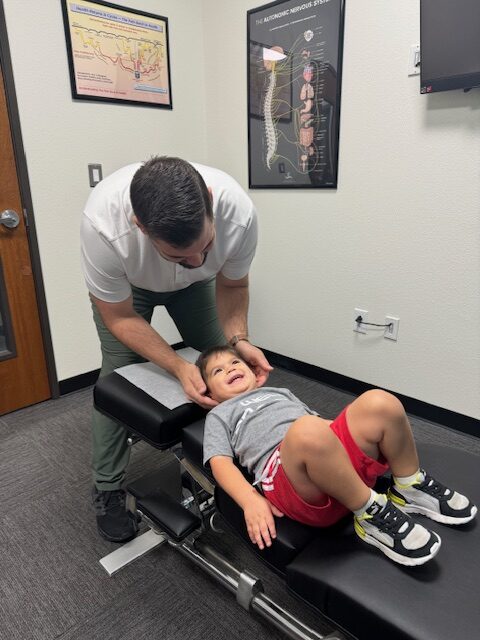

As a local chiropractor, I understand that if you’re experiencing back pain, you’re certainly not alone. Many individuals face discomfort that can interfere with everyday activities. The good news is that there are natural approaches to relieve this pain without the need for medications. Through adjustments, stretches, and lifestyle changes, we can effectively address your back issues. Are you interested in learning about the most effective strategies to integrate into your daily routine? Let’s delve into ten practical ways to alleviate your back pain naturally.
Practice Regular Stretching Exercises
As a local chiropractor, I want to share the importance of incorporating regular stretching exercises into your daily routine to help alleviate back pain naturally. Stretching is a powerful tool that enhances flexibility, increases blood circulation, and relieves muscle tension—all of which are essential for maintaining a healthy spine.
Committing just a few minutes each day to stretching can significantly benefit key areas that often contribute to discomfort, such as your lower back, hamstrings, and hip flexors. I recommend starting with gentle stretches, such as the cat-cow or child’s pose, to ease tension and promote mobility.
As you become more comfortable, you can gradually introduce deeper stretches like the standing forward bend or figure-four stretch. Always listen to your body; it’s crucial not to push yourself into pain.
For the best results, aim to stretch at least three to four times a week. You’ll likely notice a reduction in stiffness and an improvement in your overall range of motion.
Maintain Good Posture
As a local chiropractor, I want to emphasize the importance of maintaining good posture for a healthy back. One of the first steps you can take is to create an ergonomic workspace that supports your body’s natural alignment.
Additionally, strengthening your core muscles plays a crucial role in providing stability and support for your spine.
I also encourage you to adopt mindful sitting habits; being aware of your posture throughout the day can greatly enhance your comfort levels. Small adjustments, like keeping your feet flat on the ground and your back against the chair, can make a significant difference in how you feel.
Remember, taking care of your posture isn’t just about aesthetics—it’s about ensuring your body functions optimally and preventing discomfort in the long run.
Let’s work together to promote your well-being through these simple yet effective practices!
Ergonomic Workspace Setup
As a local chiropractor, I want to emphasize how crucial your workspace setup is for maintaining good posture and overall comfort. Many people don’t realize the impact their environment has on their musculoskeletal health.
To foster an ergonomic workspace, start by adjusting your chair’s height so that your feet rest flat on the floor, with your knees positioned at or slightly below hip level. This simple adjustment can significantly improve your spinal alignment.
Your desk should be set up so that when you sit, your elbows remain close to your body and form a 90-degree angle. This position helps to reduce strain on your shoulders and neck.
It’s also essential that your monitor is at eye level; ideally, you shouldn’t have to tilt your head up or down to see the screen, as this can lead to neck strain over time.
Investing in a supportive chair that offers lumbar support for your lower back is another key component of an ergonomic setup. Proper support helps maintain the natural curve of your spine and can prevent discomfort.
Lastly, ensure that your keyboard and mouse are within easy reach to avoid unnecessary stretching, which can lead to repetitive strain injuries.
By making these adjustments to your workspace, you can dramatically enhance your posture and help alleviate back pain, allowing you to work more comfortably and efficiently.
Strengthen Core Muscles
As your local chiropractor, I want to emphasize that maintaining good posture isn’t just about having the right setup at your workspace; it’s equally important to strengthen your core muscles.
Many people think of the core as just the abdominal muscles, but it actually encompasses a group of muscles around your abdomen, back, and pelvis. When these muscles are strong, they provide essential support for your spine, allowing you to sit or stand with proper alignment.
To effectively strengthen your core, I recommend incorporating exercises such as planks, bridges, and abdominal twists into your weekly routine. Aim for at least three sessions a week, ensuring that you focus on your form and control during each exercise.
As your core muscles become more engaged and stronger, you’ll likely notice a significant improvement in your posture throughout the day.
By prioritizing core strength, you not only enhance your posture but also reduce the risk of experiencing back pain. Strong core muscles contribute to overall stability and balance, which can greatly improve your daily activities.
Mindful Sitting Habits
As a chiropractor, I want to emphasize that good posture isn’t just about how you sit; it’s about being mindful of your body’s alignment throughout your daily activities.
When seated, it’s important to pay attention to how your spine is positioned. Slouching can lead to discomfort and back pain, which is why I encourage you to adopt a sitting position that supports your natural spinal curve.
To help you maintain good posture while sitting, consider these essential tips:
- Feet Position: Ensure your feet are flat on the ground or use a footrest. This supports proper alignment and reduces strain.
- Alignment Check: Aim to align your ears, shoulders, and hips in a straight line. This alignment helps to distribute your body weight evenly, minimizing stress on your spine.
- Chair Height Adjustment: Adjust your chair height so that your knees are bent at a right angle. This helps maintain optimal pelvic positioning and supports your lower back.
Remember, being mindful of your posture can greatly contribute to your overall well-being and prevent discomfort.
If you have any questions about maintaining proper alignment or want to learn more about how chiropractic care can support your health, feel free to reach out!
Apply Heat or Cold Therapy
As a local chiropractor, I want to share the benefits of applying heat or cold therapy for alleviating back pain. Both of these methods can effectively target inflammation and muscle tension, which are common issues many of my patients face.
When it comes to heat therapy, I often recommend using a heating pad or a warm towel on the affected area. This can help to relax tight muscles and improve blood circulation, which is essential for promoting healing. I suggest applying heat for about 15-20 minutes at a time, but be cautious not to burn your skin. It’s all about finding that sweet spot of comfort.
On the flip side, cold therapy is excellent for reducing swelling and numbing sharp pain. An ice pack or even a bag of frozen vegetables wrapped in a cloth can work wonders. Just like with heat, apply it to your back for 15-20 minutes, allowing your skin to return to its normal temperature between sessions.
You can use both heat and cold therapy interchangeably based on what feels best for your body. It’s important to listen to your body’s signals and provide it with the appropriate care it needs.
With consistent application of these therapies, you may find not only relief from your current discomfort but also a way to prevent future issues. Remember, your well-being is a priority, and I’m here to help guide you on your journey to natural healing!
Incorporate Yoga Into Your Routine
As a local chiropractor, I want to emphasize how incorporating yoga into your routine can significantly aid in relieving back pain.
Many patients may not realize that certain yoga poses can effectively strengthen your core and enhance flexibility, both of which are crucial for maintaining a healthy back.
By committing to a regular yoga practice, you can’t only alleviate discomfort but also experience long-term benefits that contribute to your overall well-being.
It’s a natural approach that complements chiropractic care, and I’m here to guide you in integrating these practices for optimal health.
Benefits of Yoga
As a local chiropractor, I often see patients who struggle with back pain. One effective method that can significantly alleviate discomfort and enhance flexibility is yoga.
Integrating yoga into your wellness routine can provide numerous benefits that contribute to a healthier back and overall well-being.
- Increased strength: Engaging in yoga helps to strengthen your core muscles, which are essential for providing robust support to your spine. A strong core can lead to better spinal alignment and reduced pain.
- Improved posture: Regular yoga practice encourages you to maintain proper body alignment, which helps to reduce unnecessary strain on your back. Good posture is vital for preventing and managing back pain.
- Stress relief: The meditative components of yoga play a crucial role in lowering stress levels. Since stress can contribute to muscle tension and pain, incorporating yoga can be a natural way to promote relaxation and reduce discomfort.
Recommended Poses
As a local chiropractor, I want to share some effective yoga poses that can help alleviate back pain and enhance your overall flexibility. Incorporating these poses into your daily routine can be a natural way to support your spine and improve your well-being.
Begin with the Cat-Cow stretch, a great way to enhance your spinal mobility. This gentle movement helps to warm up your back and can ease any stiffness you may be experiencing.
Next, transition into Child’s Pose. This restorative pose provides a calming stretch for your lower back, making it an excellent choice for relaxation and relief.
The Downward-Facing Dog is another beneficial pose, as it not only lengthens your spine but also helps to relieve tension throughout your body.
Moving on to Warrior I, this pose is fantastic for building core strength and promoting stability, which is essential for maintaining a healthy spine.
Finally, the Seated Forward Bend allows for a deep stretch along your back and hamstrings, further supporting your back health.
While practicing these poses, it’s crucial to listen to your body. Hold each position for a few breaths, focusing on your alignment and deep breathing.
By regularly incorporating these yoga poses into your routine, you may experience significant relief from discomfort and improved back health.
Establishing a Routine
As a local chiropractor dedicated to your health and wellness, I want to share how establishing a consistent yoga routine can greatly enhance your journey toward back pain relief and overall well-being.
Integrating yoga into your daily life not only helps stretch and strengthen your back but also promotes mindfulness and relaxation, which are essential for healing.
Here are some practical steps to get started:
- Set a Specific Time: Find a time each day that suits your schedule, whether it’s in the morning, during your lunch break, or in the evening. Consistency is crucial for reaping the benefits of yoga.
- Create a Comfortable Space: Choose a quiet and comfortable area in your home where you can practice without interruptions. Having a designated space makes it easier to establish a routine and commit to your practice.
- Begin with Short Sessions: If you’re new to yoga, start with just 10-15 minutes daily. As you become more familiar with the poses and your body adapts, you can gradually extend your practice time.
With commitment and regular practice, you’ll likely see significant improvements in your back pain and overall health.
Use Essential Oils for Relief
As a local chiropractor, I want to share how essential oils can be a natural and effective complement to your back pain relief journey. Many patients are surprised to learn about the soothing properties of oils such as lavender, eucalyptus, and peppermint. These oils can help ease discomfort and promote relaxation.
To incorporate essential oils into your routine, start by diluting a few drops of your preferred oil in a carrier oil like coconut or jojoba oil. Gently massage this blend into the areas where you’re experiencing pain. This method not only aids in alleviating discomfort but also enhances your overall sense of well-being.
Another effective approach is aromatherapy. Using a diffuser to disperse essential oils into the air can help you breathe in their calming scents, which may reduce stress and tension—factors that often exacerbate back pain.
Additionally, adding a few drops of essential oil to a warm bath can create a soothing experience, helping to relieve muscle tightness and promote relaxation.
Before trying any new essential oil, remember to conduct a patch test on your skin to avoid any irritation. With regular use, essential oils can serve as a valuable tool in your comprehensive back pain relief strategy alongside chiropractic care.
If you have any questions about how to integrate these natural remedies into your healing process, feel free to reach out during your next visit!
Try Acupuncture
If you’re exploring alternative methods for relieving back pain, I encourage you to consider acupuncture as part of your treatment plan.
This ancient healing practice is designed to target specific areas of pain and has garnered scientific backing for its effectiveness.
Many of my patients have found acupuncture to be a valuable complement to their chiropractic care, enhancing their overall pain management and promoting natural healing.
It’s an approach that aligns well with our philosophy of treating the body holistically, and it may offer you the relief you’ve been searching for.
Ancient Healing Technique
As a local chiropractor, I often encounter individuals seeking ways to relieve their back pain through modern methods.
However, I want to introduce you to an ancient healing practice that has stood the test of time: acupuncture. This traditional Chinese therapy, which involves the insertion of thin needles into specific points on the body, has proven effective for many in promoting healing and alleviating pain.
Here are some benefits of acupuncture that I encourage you to consider:
- Reduces inflammation: By targeting specific pain points, acupuncture can help decrease swelling and discomfort, providing relief where you need it most.
- Enhances circulation: Improved blood flow is crucial for quicker healing and can help relax tense muscles, contributing to a more comfortable experience.
- Balances energy: Acupuncture aims to restore the natural flow of energy in your body, which may lead to an overall sense of well-being.
If you’re exploring natural alternatives for back pain relief, I invite you to consider acupuncture as a valuable option.
It could complement your chiropractic care and enhance your journey towards better health.
Give it a try and see how it can work for you!
Targeted Pain Relief
As a local chiropractor, I want to introduce you to one of the many effective methods for achieving targeted pain relief for your back: chiropractic care. Unlike traditional approaches that often rely on medications, chiropractic treatment focuses on the body’s natural ability to heal itself.
Through precise adjustments and manipulations of the spine and surrounding areas, we aim to restore proper alignment, reduce muscle tension, and improve overall mobility.
Many patients find that regular chiropractic sessions not only alleviate back pain but also enhance their overall well-being. This holistic approach promotes better blood circulation and helps to alleviate tension in the muscles, leading to a significant reduction in discomfort.
You don’t have to wait for chronic pain to occur; preventative care through chiropractic adjustments can help maintain your health and prevent future issues.
With minimal side effects and a focus on natural healing, chiropractic care is a safe and effective option for many individuals. If you’re interested in exploring how chiropractic treatment can be tailored to meet your specific needs, I encourage you to schedule a consultation.
Together, we can discover the benefits of targeted pain relief through chiropractic care!
Scientific Evidence Support
As your local chiropractor, I want to share some insights into the various methods available for relieving back pain, particularly the role of acupuncture—a treatment that has garnered significant attention in the realm of natural healing.
There’s a growing body of scientific evidence that suggests acupuncture can be an effective option for managing back pain and improving overall wellness. Here are some important points to consider:
- Pain Reduction: Research indicates that many individuals experience a notable reduction in back pain intensity after undergoing acupuncture sessions. This can be a valuable complement to chiropractic care.
- Enhanced Functionality: Patients often report improved mobility and daily function post-treatment. This means you may find it easier to engage in activities you enjoy, which is essential for overall health.
- Minimal Side Effects: One of the advantages of acupuncture is its safety profile. It typically has fewer adverse effects compared to various medications, making it a suitable option for many patients seeking natural relief.
Incorporating acupuncture into your pain management strategy, alongside chiropractic adjustments, may provide you with a holistic approach to alleviating back pain.
I encourage you to explore this natural treatment method and see how it can work for you!
Engage in Low-Impact Aerobic Activities
As a chiropractor dedicated to helping you relieve back pain and enhance your overall well-being, I want to emphasize the importance of engaging in low-impact aerobic activities. These exercises can significantly contribute to your pain relief efforts, especially when practiced consistently.
Gentle activities such as walking, swimming, and cycling aren’t only easy on your joints, but they also improve blood circulation and flexibility, which are crucial for spinal health.
By participating in low-impact aerobic exercises, you can also strengthen your core muscles. A strong core supports your spine, reducing strain and discomfort. I recommend aiming for at least 150 minutes of moderate aerobic activity each week.
It’s important to note that you don’t have to complete it all in one go; breaking your activity into shorter sessions throughout the day can be just as beneficial. Always pay attention to your body and adjust your routine if you feel any discomfort—taking breaks or modifying your activities is perfectly fine.
Incorporating these low-impact workouts into your daily life can’t only lift your spirits but also promote a healthier lifestyle overall. Remember, consistency is vital.
Find activities that you enjoy, and make them a regular part of your routine. Your back will truly appreciate the effort, and you’ll be on your way to a healthier, pain-free life!
Consider Chiropractic Adjustments
If you’re experiencing back pain, I want to share how chiropractic adjustments can truly transform your well-being.
As a chiropractor, my primary focus is on properly aligning your spine, which can alleviate pressure on your nerves and significantly enhance your overall mobility. These adjustments not only target pain relief but also support your body’s natural healing processes.
Let’s explore some of the key benefits of chiropractic care:
- Pain Relief: Through precise adjustments, we can help reduce discomfort in your back, neck, and other areas of your body, allowing you to enjoy life more fully.
- Improved Functionality: Regular chiropractic visits can significantly enhance your range of motion and flexibility, making daily activities easier and more enjoyable.
- Holistic Approach: I emphasize a comprehensive approach to health. Alongside adjustments, I provide valuable lifestyle advice, including ergonomic practices and stretching techniques, to promote long-term wellness and prevent future issues.
I invite you to learn more about how chiropractic care can support your journey to better health and help you reclaim your vitality.
Focus on Strengthening Core Muscles
As a local chiropractor, I want to emphasize that while chiropractic adjustments can offer quick relief for back pain, the key to long-term back health lies in strengthening your core muscles.
Many people think a strong core is just about achieving those well-defined six-pack abs, but it actually involves the entire group of muscles surrounding your abdomen, lower back, and pelvis. By focusing on these crucial areas, you can significantly enhance your stability and provide essential support for your spine.
To begin your journey toward a stronger core, I recommend incorporating exercises such as planks, bridges, and pelvic tilts into your weekly routine. These exercises are effective because they engage multiple muscle groups, helping to promote balance and decrease strain on your back.
Aim to perform these exercises at least two to three times a week, and as you build strength, gradually increase the intensity of your workouts.
Additionally, it’s vital to pay attention to your posture during everyday activities. Whether you’re sitting at a desk or lifting heavy objects, ensuring proper alignment can greatly protect your back.
Remember, a strong core acts like a natural brace for your spine, which can help reduce the risk of injury and alleviate discomfort. By prioritizing core strength, you’re laying a solid foundation for sustained back health.
I’m here to guide you through this process and support you on your journey to wellness!
Explore Herbal Remedies
As a chiropractor dedicated to helping you find relief from back pain, I want to share some natural alternatives that can complement traditional treatments. Herbal remedies can play a significant role in managing discomfort and reducing inflammation.
Here are a few that I often recommend to my patients:
- Turmeric: This vibrant yellow spice is renowned for its powerful anti-inflammatory properties. Incorporating turmeric into your meals or taking it as a supplement can be a great way to help ease your back pain.
- Ginger: Another fantastic option is ginger. This root not only helps reduce muscle soreness but also promotes better circulation. You might consider enjoying a warm cup of ginger tea or adding fresh ginger to your meals for added benefits.
- Willow Bark: Often called “nature’s aspirin,” willow bark has been used for centuries to alleviate pain. It’s available in various forms, including tea or capsules, and can be an effective natural remedy for back pain relief.
Before you start any herbal remedies, it’s essential to have a discussion with a healthcare professional, especially if you’re currently taking other medications.
By exploring these natural options alongside chiropractic care, you can discover the most effective path to relief and wellness for your back pain.
Conclusion
As a local chiropractor, I want to share some natural methods that can help alleviate back pain and enhance your overall well-being. Incorporating practices like regular stretching, maintaining proper posture, and engaging in yoga can significantly support your spine health. Additionally, exploring herbal remedies can provide further relief, and chiropractic adjustments can be a crucial part of your journey towards better back health. It’s important to understand that consistency is vital—by making these practices a regular part of your lifestyle, you’re likely to experience a noticeable reduction in discomfort and an improvement in your quality of life. Remember, I’m here to guide you through these natural healing methods and support you on your path to wellness.