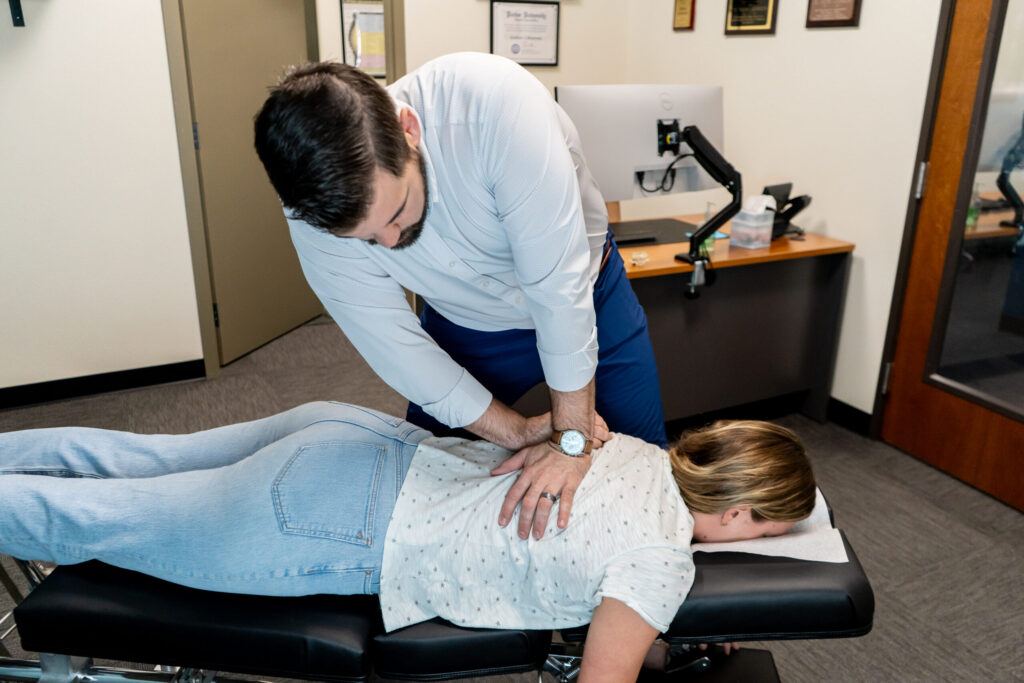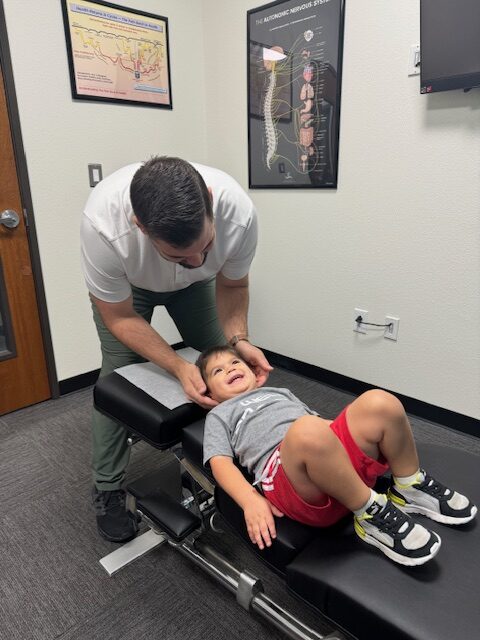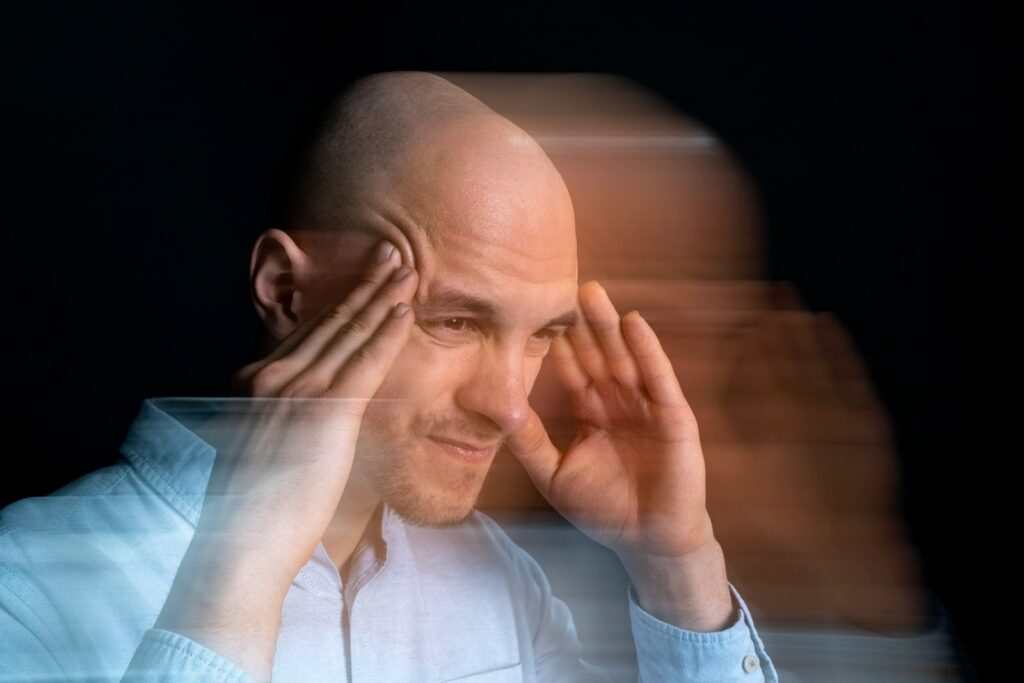

You might not realize how your physical state influences your mental well-being, but small adjustments could be the answer to managing anxiety. Posture, for instance, plays an essential role in how you carry stress, affecting your confidence and overall mindset. By exploring simple techniques like mindful breathing and intentional body alignment, you can access a deeper sense of calm. What if these adjustments could reshape not just your body, but also the way you experience everyday challenges? The connection between how you hold yourself and how you feel might just surprise you.
Understanding Anxiety and Its Triggers
Anxiety can strike at any moment, often triggered by specific situations or thoughts. You might find yourself feeling overwhelmed in crowded places, anxious about upcoming deadlines, or nervous during social interactions. Understanding these triggers is the first step toward managing your anxiety effectively.
Your mind can work overtime, replaying scenarios and worrying about what could go wrong. These spirals often stem from past experiences or fears about the future. For instance, a missed deadline could lead you to worry excessively about your competence, creating a cycle of self-doubt and anxiety. Recognizing these thought patterns is important. Once you identify what sets off your anxiety, you can start to address it.
Physical sensations also play a role in how you experience anxiety. You might notice increased heart rate, sweating, or muscle tension when anxiety kicks in. These symptoms can reinforce your fear, making it feel like an insurmountable obstacle. It's crucial to remember that these reactions are natural responses to perceived threats, even if they aren't always warranted.
Additionally, external factors such as work stress, personal relationships, or financial concerns can amplify your anxiety. It's significant to create a supportive environment that helps you mitigate these stressors.
The Role of Posture
How does your posture influence your anxiety levels? You mightn't realize it, but the way you carry yourself can notably impact how you feel. When you slouch or hunch your shoulders, it can send signals to your brain that contribute to feelings of stress and unease. On the other hand, standing tall with an open chest can foster a sense of confidence and calm. This connection between posture and emotional state is backed by research, showing that body language plays an essential role in how you perceive and react to stress.
When you sit or stand with good posture, you're not only promoting better physical health but also cultivating a more positive mental state. Engaging your core and aligning your spine can help you feel more grounded and in control. If you find yourself feeling anxious, take a moment to check in with your posture. Are your shoulders tense? Is your back hunched? Adjusting your body can lead to an immediate shift in how you feel.
Moreover, being aware of your posture throughout the day can help you manage anxiety more effectively. Simple adjustments, like rolling your shoulders back or taking a deep breath while standing tall, can serve as quick reminders to stay present and centered.
Breathing Techniques for Calm
When faced with overwhelming emotions, focusing on your breath can serve as a powerful anchor for calm. Breathing techniques can help you regain control, reduce anxiety, and promote relaxation. One effective method is the 4-7-8 technique.
Start by inhaling quietly through your nose for a count of four. Hold that breath for seven counts, then exhale completely through your mouth for eight counts. Repeat this cycle four times. This technique not only calms your nervous system but also helps you focus your mind.
Another method you can try is diaphragmatic breathing. Place one hand on your chest and the other on your abdomen. As you breathe in deeply through your nose, make sure your diaphragm expands, pushing your hand outward. Exhale slowly through your mouth, allowing your abdomen to fall. This practice encourages full oxygen exchange, promoting relaxation.
If you find yourself in a stressful moment, you might want to use box breathing. Inhale through your nose for four counts, hold for four counts, exhale through your mouth for four counts, and then hold again for four counts. Repeat this pattern several times to create a sense of rhythm and stability.
Incorporating these techniques into your daily routine can foster a sense of calm. Set aside a few minutes each day to practice, and you'll likely find it easier to navigate life's challenges.
Physical Adjustments and Mental Health
When you focus on your body alignment, you might notice a reduction in anxiety levels.
Simple stress relief techniques, like stretching or adjusting your posture, can greatly impact your mental health.
Understanding the mind-body connection can help you harness physical adjustments to promote overall well-being.
Body Alignment and Anxiety
Many people underestimate the connection between body alignment and anxiety, yet their relationship is significant. When your body is misaligned, it can manifest as physical tension, which often leads to increased feelings of anxiety.
Imagine how your posture affects your mental state—slouching can create a sense of defeat, while standing tall can boost your confidence.
Consider these imagery-inducing aspects of body alignment:
- A stiff neck that signals stress, causing you to feel trapped in a cycle of worry.
- Rounded shoulders that draw you inward, leaving you feeling vulnerable and anxious about the world around you.
- Uneven hips that contribute to discomfort, distracting your mind and amplifying feelings of unease.
Stress Relief Techniques
Physical adjustments can markedly alleviate stress and improve mental health. By focusing on your posture, you'll find that simply sitting up straight can enhance your mood and energy levels. It's amazing how a small change can shift your mindset.
Stretching regularly can also help release tension that's built up in your muscles, providing immediate stress relief. Incorporating gentle yoga or Pilates into your routine can align your body and mind, fostering relaxation.
In addition to physical adjustments, breathing exercises can be a game changer. Taking deep breaths helps activate your body's relaxation response, easing anxiety and promoting a sense of calm. Try inhaling for four counts, holding for four, and exhaling for four—repeat this several times, and you'll feel the difference.
Moreover, engaging in regular physical activity not only strengthens your body but also releases endorphins, natural mood lifters that combat stress. Whether it's a brisk walk or a workout at the gym, find what you enjoy and make it a habit.
Mind-Body Connection
The connection between your body and mind plays an essential role in your overall well-being. When you experience physical discomfort, it can create a ripple effect on your mental health. Conversely, emotional stress can lead to physical tension. Understanding this relationship helps you address both aspects effectively.
Consider how physical adjustments can enhance your mental state:
- Deep breaths: Each inhale brings in calm, while each exhale releases tension.
- Gentle stretches: They awaken your muscles, promoting relaxation and clarity.
- Posture adjustments: Standing tall can boost your confidence and reduce anxiety.
Exercises to Reduce Anxiety
When anxiety creeps in, you can use specific exercises to regain your calm.
Breathing techniques, mindfulness meditation, and physical movement all play crucial roles in reducing anxiety.
Let's explore how these practices can help you feel more centered and relaxed.
Breathing Techniques for Calm
Breathing techniques offer a simple yet powerful way to calm your mind and reduce anxiety. By focusing on your breath, you can create a sense of peace and clarity, even in stressful situations.
Here are a few techniques you can try right now:
- Deep belly breathing: Place your hand on your abdomen and feel it rise and fall as you take slow, deep breaths. This engages your diaphragm and promotes relaxation.
- 4-7-8 breathing: Inhale for a count of four, hold for seven, and exhale for eight. This rhythmic pattern helps slow your heart rate and induces a sense of calm.
- Box breathing: Visualize a square as you breathe. Inhale for four counts, hold for four, exhale for four, and hold again for four. This technique stabilizes your breath and focuses your mind.
Incorporating these techniques into your daily routine can help you manage anxiety more effectively. You can do these exercises anywhere—at home, in the office, or even in traffic.
The key is consistency; make them a habit, and you'll soon find a greater sense of tranquility in your life.
Mindfulness Meditation Practices
While anxiety can feel overwhelming, mindfulness meditation practices provide effective exercises to help you regain control and cultivate inner peace. One simple practice is to focus on your breath. Sit comfortably, close your eyes, and take deep, slow breaths. Notice the sensation of air filling your lungs and gently releasing it. If your thoughts wander, acknowledge them without judgment, then return your focus to your breath.
Another powerful technique is body scan meditation. Lie down or sit comfortably, and mentally scan your body from head to toe. Notice any areas of tension or discomfort, and consciously relax those muscles. This helps you connect with your physical self and release anxiety stored in your body.
You can also try guided meditations, which are widely available through apps and online platforms. These recordings lead you through calming visualizations, helping redirect your thoughts and promote relaxation.
Establish a daily routine of mindfulness meditation, even if it's just for a few minutes. Over time, these practices can considerably decrease anxiety levels, allowing you to respond to stressors with greater clarity and calmness.
Embrace these moments of stillness to nurture your mental well-being.
Physical Movement Benefits
Incorporating physical movement into your routine can greatly enhance your ability to manage anxiety. When you engage in regular exercise, your body releases endorphins, which are natural mood lifters. You'll likely find that even short bursts of activity can help you feel more centered and less overwhelmed by daily stressors.
Consider these effective exercises to reduce anxiety:
- Walking in nature: Feel the fresh air and listen to the rustling leaves as you take long strides, grounding yourself with each step.
- Yoga: Focus on your breath and stretch your body, allowing tension to melt away as you flow through poses that promote mindfulness.
- Dancing: Turn up your favorite music and let loose, feeling the rhythm pulse through you, liberating your mind from anxious thoughts.
Each of these activities not only boosts your physical health but also fosters emotional resilience.
By making physical movement a regular part of your life, you'll likely notice a significant decrease in anxiety levels, creating a calmer and more balanced mindset.
The Science Behind Body-Mind Connection
Understanding the intricate relationship between your body and mind can greatly impact your overall well-being. This connection isn't just a philosophical concept; it's backed by science. When you experience stress or anxiety, your body reacts physically. You may notice increased heart rate, muscle tension, or even digestive issues. These responses illustrate how tightly linked your mental state is to your physical health.
Research shows that your brain communicates with your body through the nervous system and hormones. When you're anxious, your brain releases stress hormones like cortisol, which can lead to inflammation and other health problems. Conversely, positive mental states can trigger beneficial responses, like the release of endorphins, which promote relaxation and well-being.
Your body's posture and movements can also influence your mental state. Standing tall and maintaining an open posture can boost your confidence and reduce feelings of anxiety.
Similarly, physical activities like yoga or tai chi blend movement with mental focus, enhancing this body-mind connection.
Mindfulness and Body Awareness
Mindfulness practices can greatly enhance your body awareness, helping you tune into the signals your body sends. By focusing your attention on the present moment, you'll begin to notice sensations, emotions, and thoughts that often go unnoticed. This heightened awareness allows you to recognize when stress and anxiety creep in, giving you the ability to respond more effectively.
You might start with simple techniques, such as:
- Breath Observation: Feel your chest rise and fall as you take deep, calming breaths. Notice the air filling your lungs and the subtle pauses between inhalation and exhalation.
- Body Scans: Gradually move your attention from head to toe, noticing how each part of your body feels without judgment. This practice can reveal tension you may be holding unconsciously.
- Mindful Movement: Engage in gentle activities like yoga or tai chi, paying attention to how your body moves and how it feels in each position. You'll cultivate a deeper connection between your mind and body.
As you practice mindfulness, you'll likely find it easier to identify physical signs of anxiety, such as tight shoulders or shallow breathing. This awareness opens the door to calming techniques that can help you regain control and foster a sense of peace.
Daily Practices for Lasting Change
How can daily practices transform your relationship with anxiety? By incorporating simple yet effective habits into your routine, you can create an environment where anxiety doesn't hold as much power over you.
Start your day with a few minutes of deep breathing. This practice helps ground you, setting a calm tone for the hours ahead. Focus on inhaling deeply through your nose, holding for a moment, and exhaling slowly through your mouth.
Next, consider adding movement to your daily routine. Whether it's a brisk walk, yoga, or dancing in your living room, engaging in physical activity releases endorphins, which improve your mood and reduce stress. Aim for at least 30 minutes a day, and feel the difference in your anxiety levels.
Incorporating mindfulness techniques can also be a game-changer. Spend a few minutes focusing on your senses. Notice what you see, hear, and feel around you. This practice pulls you away from anxious thoughts and helps you stay present.
Lastly, establish a gratitude practice. Each evening, jot down three things you're grateful for. This simple action shifts your focus from worries to positive aspects of your life, promoting a more balanced perspective.
Seeking Professional Guidance
Often, seeking professional guidance can be an essential step in managing anxiety effectively. You don't have to navigate this challenging landscape alone. A trained therapist or counselor can offer you personalized strategies tailored to your unique experiences. By working together, you'll reveal the roots of your anxiety and develop coping mechanisms that resonate with you.
Imagine sitting in a warm, inviting office, where you feel safe to share your thoughts and feelings. Picture a professional who listens intently, guiding you through the process of understanding your triggers. The experience can be transformative, allowing you to:
- Explore your emotions: Investigate the complexities of your feelings, gaining clarity and perspective.
- Learn coping techniques: Discover practical tools and exercises that help you manage anxiety in real-time.
- Build a support system: Strengthen your connections with others while fostering a sense of community and belonging.
Engaging with a professional can also provide you with accountability. You'll have someone to check in with as you implement changes in your daily life. This support can reassure you that progress is possible, even when it feels overwhelming.
Conclusion
Incorporating physical adjustments into your daily routine can greatly enhance your mental well-being. By being mindful of your posture and practicing breathing techniques, you can effectively manage anxiety and foster a sense of calm. Remember, it's not just about the body; the connection between mind and body is powerful. Stay committed to these practices, and don't hesitate to seek professional guidance when needed. You have the tools to access lasting tranquility and emotional balance.