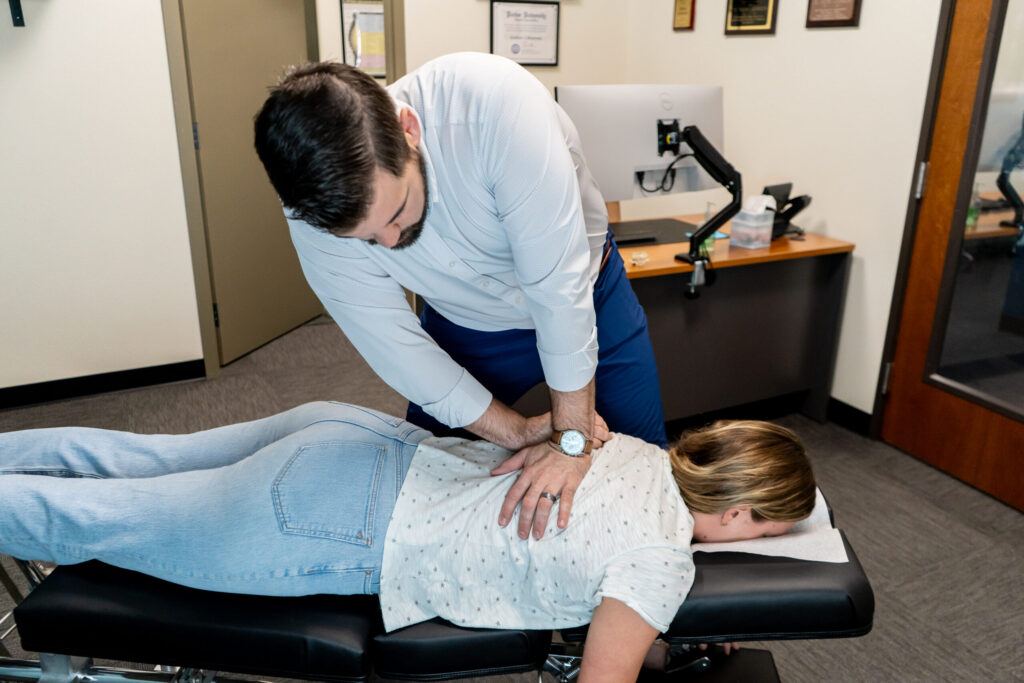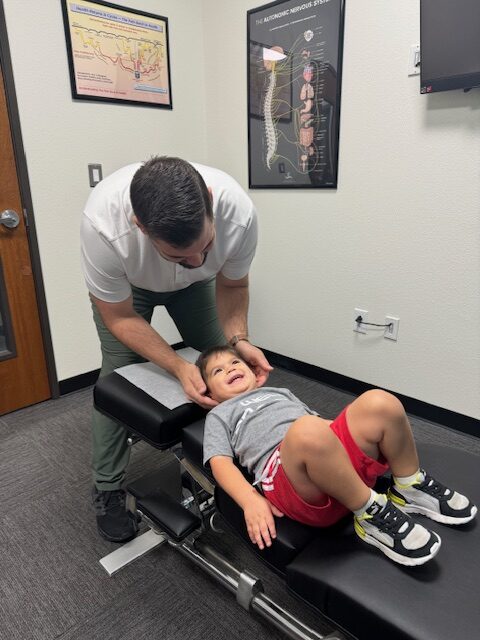

When you think about enhancing your mobility, it's easy to overlook the critical role that expert care plays in your journey. Tailored treatment plans, developed by professionals who understand your unique challenges, can make a significant difference in your progress. By focusing on rehabilitation techniques like strength training and balance exercises, you can regain your confidence and independence. But what does this process really look like, and how can you begin to access these benefits for yourself? The answers might surprise you.
Understanding Mobility Challenges
Many people face mobility challenges that can significantly impact their daily lives. These challenges can stem from various factors, including age, injury, illness, or disability. If you're experiencing difficulty moving around, it can affect your independence, mental well-being, and overall quality of life. You might find simple tasks, like getting out of bed or going for a walk, becoming increasingly intimidating.
Understanding the specific nature of your mobility issues is vital. You may have trouble with balance, strength, or coordination, which can lead to falls or injuries. It's important to recognize how these challenges impact not just your physical capabilities but also your emotional state. Feeling frustrated or isolated is common when facing mobility issues.
You may also notice that certain environments exacerbate these challenges. Uneven surfaces, stairs, or crowded spaces can make you feel uncomfortable and hinder your ability to navigate effectively. Identifying these obstacles helps you develop strategies to cope and adapt.
Moreover, you may find that your mobility challenges can create a ripple effect in your daily routine. Engaging with friends or participating in activities you once enjoyed may feel less feasible. Acknowledging these changes is the first step toward seeking solutions.
The Role of Expert Care
Expert care plays an essential role in overcoming mobility challenges and enhancing your quality of life. When you seek help from professionals, you're not just getting treatment; you're gaining access to specialized knowledge and experience that can greatly improve how you move and function daily.
Expert caregivers understand the complexities of mobility issues, whether they're age-related, injury-based, or due to chronic conditions. These professionals assess your unique situation, identifying specific barriers that hinder your mobility. They provide valuable insights into your physical limitations and the most effective strategies to address them.
With their expertise, you can navigate your options more effectively, ensuring that you receive the support that's right for you. Moreover, expert care involves a collaborative approach. You'll work alongside physical therapists, occupational therapists, and other specialists who can guide you through exercises and techniques tailored to your needs.
This teamwork fosters a supportive environment where you're empowered to take an active role in your recovery process. Additionally, expert care offers ongoing education. You'll learn about proper body mechanics, assistive devices, and lifestyle changes that can enhance your mobility.
This knowledge not only helps you feel more confident but also encourages you to take charge of your well-being.
Personalized Treatment Plans
Creating a personalized treatment plan means you'll get a rehabilitation program tailored just for you.
Your individual assessment helps identify your specific needs, ensuring your recovery journey is effective and focused.
This approach not only enhances your mobility but also boosts your confidence in the healing process.
Tailored Rehabilitation Programs
Tailored rehabilitation programs are designed specifically for your unique needs, guaranteeing that each step of your recovery is effective and focused. Whether you're recovering from surgery, an injury, or managing a chronic condition, these programs take into account your personal goals, lifestyle, and physical capabilities.
When you engage in a tailored rehabilitation program, you'll work closely with skilled professionals who create a plan that suits you best. This personalized approach means exercises and therapies target your specific areas of concern, helping you regain strength, flexibility, and mobility more efficiently.
You'll find that your program includes a variety of techniques, from therapeutic exercises to manual therapy and even modalities like ultrasound or electrical stimulation. This diverse range of strategies not only keeps your rehabilitation interesting but also guarantees that you're addressing multiple facets of your recovery.
As you progress, your rehabilitation team will continuously adjust your program based on your improvements and feedback. This ongoing support encourages you to stay motivated and committed to achieving your mobility goals.
Ultimately, a tailored rehabilitation program empowers you to reclaim your independence and enhance your quality of life.
Individual Assessment Techniques
To guarantee your rehabilitation journey is effective, individual assessment techniques play an essential role in crafting personalized treatment plans. These techniques help evaluate your unique needs, strengths, and limitations, making sure your recovery is tailored specifically to you.
Initially, a thorough evaluation takes place, wherein your healthcare provider gathers information about your medical history, current physical condition, and personal goals. This step is vital for understanding your specific situation.
Next, functional assessments may be performed to gauge your mobility, strength, and endurance. By identifying areas that require improvement, your provider can focus on the right interventions.
Additionally, your emotional and psychological well-being is considered, as these factors greatly impact your recovery. Collaborative discussions with you about your preferences and lifestyle also shape your treatment plan. This way, you're not just a passive participant; you're actively involved in your rehabilitation.
Finally, regular reassessments throughout your journey make certain that your treatment plan remains aligned with your evolving needs. By utilizing individual assessment techniques, you can set out on a more effective path to enhanced mobility and overall well-being.
Rehabilitation Techniques for Mobility
Many effective rehabilitation techniques can greatly enhance your mobility after an injury or surgery.
To start, range of motion exercises play a vital role. These exercises help maintain and improve flexibility in your joints, allowing you to move more freely. Simple stretches can be incorporated into your daily routine, gradually increasing their intensity as you progress.
Strength training is another essential technique. Building muscle strength not only supports your injured area but also improves overall stability. You can use resistance bands, weights, or even your body weight to engage in targeted exercises. Remember to focus on proper form to avoid further injury.
Balance training is key in your rehabilitation journey. Activities like standing on one leg or using a balance board can enhance your stability and coordination, making daily activities easier. Don't hesitate to ask a professional for guidance on specific balance exercises that suit your needs.
Functional mobility training is also important. This involves practicing movements you perform in daily life, such as walking, climbing stairs, or getting in and out of a chair. Repetition in these activities builds confidence and prepares your body for real-life scenarios.
Lastly, incorporating aquatic therapy can be beneficial. The buoyancy of water reduces stress on your joints, allowing you to perform exercises with less pain. Whether it's swimming or using water resistance tools, this technique can greatly aid your recovery.
Benefits of Physical Therapy
Physical therapy offers numerous benefits that can considerably enhance your recovery process. Whether you're recovering from an injury, surgery, or managing a chronic condition, physical therapy provides targeted treatment to help you regain strength and mobility. You'll work closely with a licensed therapist who customizes a program based on your specific needs and goals.
One of the primary advantages of physical therapy is pain relief. Through various techniques like manual therapy, exercises, and modalities such as heat or electrical stimulation, you can alleviate pain and reduce inflammation. This can lead to improved function and a better quality of life.
Additionally, physical therapy focuses on restoring movement. You'll engage in exercises designed to increase your flexibility, strength, and endurance. As you progress, you'll notice enhanced mobility, which allows you to perform daily activities with ease.
Another significant benefit is the education you receive about your body and its mechanics. Your therapist will guide you through proper body mechanics and posture, helping you avoid future injuries. This education empowers you to take control of your recovery and overall health.
Lastly, physical therapy fosters a supportive environment. You'll have a dedicated professional by your side, encouraging you throughout your journey. This positive reinforcement can greatly boost your motivation and commitment to the rehabilitation process.
Nutrition's Impact on Mobility
Nutrition plays an essential role in maintaining and enhancing mobility. What you eat directly influences your energy levels, muscle strength, and overall physical performance. A balanced diet helps you stay active and agile, while poor nutrition can lead to fatigue and decreased mobility.
To support your mobility, focus on incorporating lean proteins, whole grains, healthy fats, and a variety of fruits and vegetables into your meals. Proteins, such as chicken, fish, and legumes, provide the building blocks for muscle repair and growth, ensuring your body remains strong. Whole grains offer sustained energy, keeping you active throughout the day. Healthy fats, like those found in avocados and nuts, support joint health and reduce inflammation.
Don't forget to stay hydrated! Water is essential for maintaining joint lubrication and overall bodily functions. Dehydration can lead to fatigue and muscle cramps, hindering your ability to move freely. Aim to drink plenty of water throughout the day, especially before and after physical activity.
Additionally, certain nutrients can further enhance mobility. Omega-3 fatty acids, found in fish and flaxseeds, can help reduce joint stiffness. Calcium and vitamin D are critical for bone health, which plays a significant role in your ability to move comfortably.
Technology in Mobility Enhancement
As you focus on maintaining your mobility through proper nutrition, technology can also play a notable role in enhancing your physical capabilities. From wearable devices to advanced rehabilitation equipment, tech innovations are designed to support and improve your mobility.
Wearable fitness trackers can monitor your activity levels, heart rate, and even sleep patterns. By providing real-time data, these devices help you set achievable goals and stay motivated. You'll find that many trackers are equipped with features that remind you to move, encouraging more active habits throughout your day.
Smartphone apps further enhance your mobility journey. You can find a range of options designed for exercise, stretching, and rehabilitation. These apps often include guided workouts tailored to your specific needs, helping you stay consistent and focused. Some even offer virtual coaching, providing you with expert advice right at your fingertips.
For those requiring more specialized support, advanced mobility aids like robotic exoskeletons and smart wheelchairs are revolutionizing the way individuals regain independence. These tools are engineered to assist with balance and movement, making daily tasks more manageable.
Additionally, telehealth services allow you to connect with physical therapists and mobility experts from the comfort of your home. This access to professional guidance guarantees you're using the right techniques and tools for your individual situation.
Incorporating technology into your mobility enhancement plan can notably boost your physical capabilities and overall quality of life. Embrace these innovations, and take control of your mobility journey today!
Success Stories and Testimonials
Success stories and endorsements highlight the transformative impact that enhanced mobility solutions have had on individuals' lives. You might find inspiration in the experiences of others who, like you, faced challenges in mobility but found renewed freedom through expert care.
Take, for example, Sarah, who struggled for years with arthritis. After consulting with mobility specialists, she began a personalized therapy plan that included advanced assistive devices and tailored exercises. Today, she enjoys long walks in the park, something she thought she'd never do again.
Then there's Mark, a veteran who faced mobility issues after an injury. With the help of expert guidance and innovative mobility solutions, he regained his independence. Mark shares how adaptive technology changed his life, allowing him to participate actively in his community and family events. His story is a powerful reminder that with the right support, you too can overcome obstacles.
Additionally, endorsements from families often highlight the emotional impact of enhanced mobility. They express gratitude for the renewed joy in their loved ones' lives. Imagine the relief of being able to assist your aging parent in regaining their mobility, allowing them to engage in daily activities and social events.
These success stories serve as a confirmation to the effectiveness of enhanced mobility solutions. They remind you that you're not alone in your journey. With expert care, you can access your potential for mobility, experiencing life more fully and actively.
Steps to Get Started
Experiencing the inspiring journeys of individuals like Sarah and Mark can motivate you to take the first steps toward enhancing your own mobility.
Whether you're facing challenges related to age, injury, or chronic conditions, it's vital to take action. Here's how to get started.
First, assess your current situation. Take a moment to evaluate your mobility limitations and identify specific goals. Do you want to walk longer distances, regain strength, or improve balance? Knowing your objectives will guide your next steps.
Next, consult a healthcare professional. Schedule an appointment with a physical therapist or an orthopedic specialist who understands your needs. They'll assess your condition and create a personalized plan tailored to your goals. This professional guidance is important for ensuring you follow safe and effective methods.
Once you've got a plan, commit to regular practice. Consistency is key in any mobility improvement program. Set aside time each day for exercises, stretches, or activities that align with your goals.
Consider joining a group or finding a workout buddy to keep you motivated.
Finally, track your progress. Keep a journal or use an app to note your achievements and challenges. Celebrate small victories along the way, as they'll help maintain your motivation.
Enhancing your mobility is a journey, but with these steps, you're well on your way to a more active and fulfilling life.
Embrace the process, and remember, every small step counts!
Conclusion
To sum up, enhancing your mobility is achievable with the right expert care tailored just for you. By embracing personalized treatment plans and utilizing effective rehabilitation techniques, you can regain your confidence and independence. Don't underestimate the power of nutrition and technology in your journey. Remember, many have successfully transformed their lives, and you can too. So take the first step today—reach out for guidance and access a more active, fulfilling life!