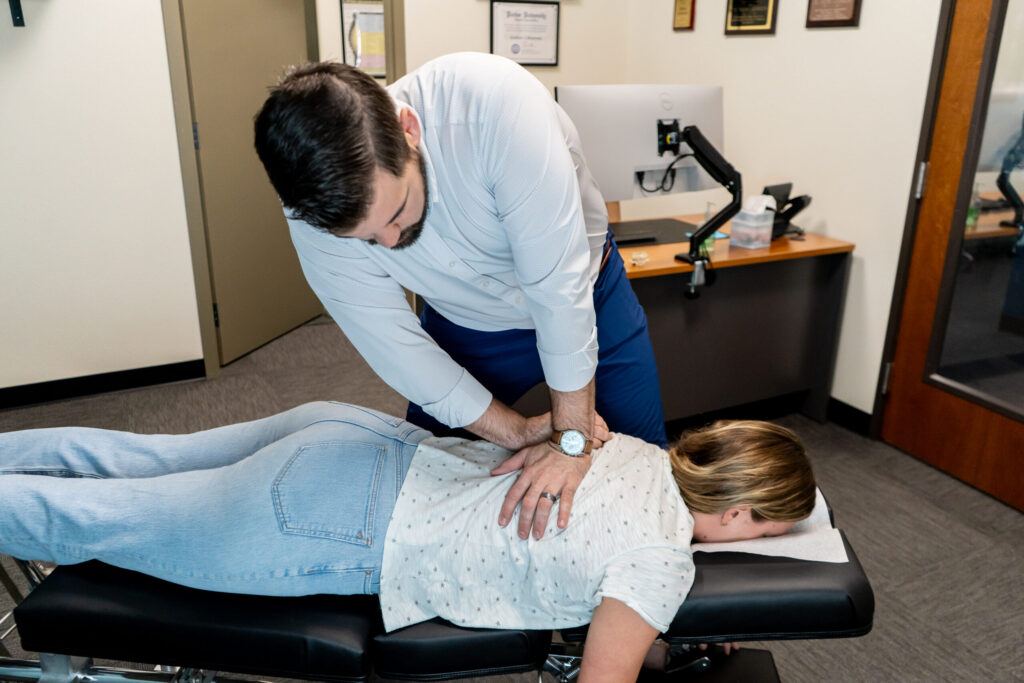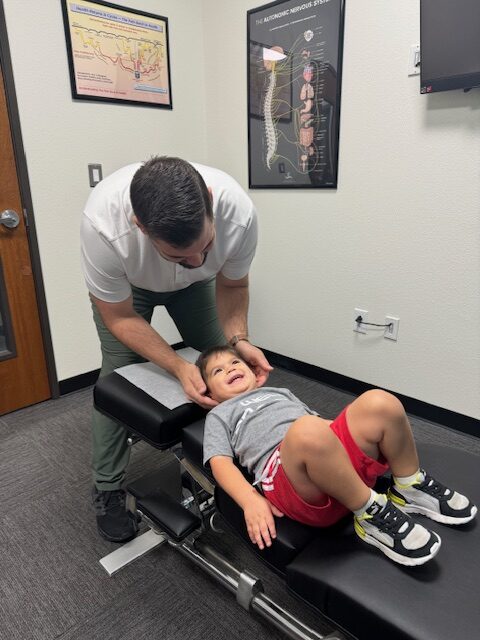

As a local chiropractor, I understand that migraine discomfort can be incredibly challenging to manage. Many of my patients have found that identifying and understanding their migraine triggers is a crucial step in finding relief. In my practice, I emphasize the importance of a holistic approach, which includes exploring lifestyle changes, natural remedies, and chiropractic care as effective options for alleviating migraine symptoms.
You might be surprised to learn how chiropractic adjustments can help reduce the frequency and intensity of migraines. By aligning the spine and relieving tension in the nervous system, we can often address some of the underlying issues contributing to your migraine pain. Additionally, I encourage my patients to consider other natural healing methods, such as dietary adjustments, stress management techniques, and regular exercise, which can all play a significant role in managing migraines.
Let’s work together to develop a comprehensive strategy tailored to your needs. By incorporating chiropractic care and making informed lifestyle choices, you can take significant steps toward managing your migraines more effectively. If you have any questions about how chiropractic care can help you, feel free to reach out.
Understanding Migraine Triggers
As a local chiropractor, I often see patients who struggle with migraines and are seeking natural ways to find relief. One of the first steps in managing migraines is understanding what might be triggering them. Common triggers can include stress, dietary choices, and hormonal fluctuations. For instance, some patients notice that they experience migraines after consuming processed foods, aged cheeses, or excessive caffeine.
I encourage my patients to keep a migraine diary. This can be a powerful tool in identifying personal triggers. By noting when headaches occur and what you ate or did leading up to the episode, we can gain valuable insights into patterns and potential causes.
Additionally, environmental factors like changes in weather—especially shifts in barometric pressure—can also impact migraine frequency. You mightn’t realize it, but bright lights, loud noises, or strong odors can be quite provocative as well.
Even your sleep habits play a crucial role; both too much and too little sleep can contribute to migraine occurrences.
Lifestyle Modifications for Migraine Prevention
As a local chiropractor dedicated to natural healing, I understand that managing migraines can be quite challenging. However, by incorporating some lifestyle modifications, you can significantly reduce their frequency and intensity. One of the first steps is to identify and avoid your triggers, which may include specific foods or stressors that can lead to headaches.
Regular physical activity is crucial; it not only helps alleviate stress but also enhances your overall well-being. Prioritizing sleep is vital as well—establishing a consistent sleep schedule can play a key role in preventing migraines.
Here are some effective lifestyle changes you can adopt to support your health and potentially minimize migraine occurrences:
- Maintain a consistent sleep schedule: Aim to go to bed and wake up at the same time every day to regulate your body’s internal clock.
- Stay hydrated: Drinking plenty of water is essential to prevent dehydration, which can trigger headaches.
- Practice stress management: Techniques such as meditation, deep breathing, or yoga can help reduce stress levels.
- Limit caffeine intake: Be mindful of your caffeine consumption, as excessive amounts can lead to headaches.
- Eat regular meals: Avoid skipping meals to maintain stable blood sugar levels and help prevent migraines.
As your chiropractor, I’m here to guide you on your journey toward a healthier lifestyle and to explore natural methods of managing migraines. Together, we can develop a personalized plan that fits your needs.
Natural Remedies and Their Effectiveness
As your local chiropractor, I want to share some insights about natural remedies that can help alleviate migraines.
Many patients find that exploring options like herbal supplements and essential oils can be beneficial in managing their discomfort.
These natural treatments may align well with your health goals and personal preferences.
Let’s delve into how these remedies can complement your journey towards relief and overall well-being.
Herbal Supplements Benefits
If you’re dealing with migraine discomfort, I encourage you to consider exploring herbal supplements as a natural approach to relief.
Many of my patients have discovered that certain herbs can effectively alleviate symptoms or even reduce the frequency of their migraine attacks. Here are some options you might want to look into:
- Feverfew: This herb has a reputation for helping to lessen the frequency of migraines, making it a popular choice among those who suffer from them.
- Butterbur: Research indicates that butterbur can potentially reduce both the intensity and duration of migraines, providing much-needed relief.
- Ginger: Known for its anti-nausea properties, ginger can be particularly helpful for managing the nausea that often accompanies migraines.
- Peppermint: When applied topically, peppermint oil may relieve tension and headaches, offering a soothing effect.
- Lavender: With its calming properties, lavender can promote relaxation and help with stress relief, which is beneficial since stress is a common migraine trigger.
As always, I recommend consulting with a healthcare provider or a qualified herbalist before starting any new herbal regimen.
Individual responses to herbs can vary widely, and it’s important to ensure that any new treatment aligns safely with your overall health plan.
Essential Oils Usage
As a local chiropractor, I want to share some insights about managing migraine discomfort that extend beyond traditional treatments. While many patients may be familiar with herbal remedies, I encourage you to consider the benefits of essential oils as well. These concentrated extracts from plants—like peppermint, lavender, and eucalyptus—can provide significant relief for migraine symptoms.
Incorporating essential oils into your wellness routine is simple. You can inhale them directly for immediate effects or dilute them with a carrier oil for topical use. For example, massaging diluted peppermint oil onto your temples can help ease tension and improve circulation, which may alleviate some migraine pain.
Lavender oil is another excellent option; it’s renowned for its calming properties and can help reduce stress, a common trigger for migraines.
It’s important to remember to patch-test any oil you decide to use to ensure you don’t have an adverse reaction. While essential oils aren’t a cure-all, they can be a valuable addition to your migraine management toolkit, offering a natural approach to soothe discomfort.
As you explore different ways to enhance your health, consider how chiropractic care and natural remedies like essential oils can work together to support your overall well-being.
Over-the-Counter Medications: What You Need to Know
As a local chiropractor, I understand that many of you may seek quick relief from migraine discomfort, and over-the-counter (OTC) medications can sometimes seem like an easy solution. While these medications can provide temporary relief, it’s essential to consider all your options for managing migraines, especially from a natural healing perspective.
- Acetaminophen: This can be effective for mild to moderate pain, but it’s worth noting that relying on it long-term may not address the underlying issues causing your migraines.
- Ibuprofen: As an anti-inflammatory, it can help reduce swelling and pain. However, it’s important to understand that inflammation can often be a symptom of deeper musculoskeletal issues.
- Aspirin: While many find it effective, be cautious as it can irritate your stomach. It’s crucial to consider the impact of medications on your overall health.
- Combination medications: These often contain caffeine, which can enhance pain relief but may also lead to rebound headaches if used too frequently.
- Nausea medications: If nausea accompanies your migraines, these can help manage symptoms, but they don’t address the root cause of the headaches.
I encourage you to read the labels carefully and follow the recommended dosages if you choose to use OTC medications.
However, I also recommend exploring chiropractic care and natural healing techniques. Chiropractic adjustments can help alleviate tension in the neck and spine, which may be contributing to your migraines.
If your migraines persist or worsen, please consult with a healthcare professional, like myself, who focuses on holistic approaches.
Together, we can explore natural and effective treatments tailored to your specific needs. Remember, your health is a journey, and there are many paths to finding relief.
Prescription Treatments and Medical Interventions
When over-the-counter options aren’t providing the relief you need, it’s essential to explore other avenues for managing your migraines, and that’s where chiropractic care comes into play.
As a local chiropractor, I want to help you understand how natural healing methods can be a powerful alternative for alleviating your discomfort.
Chiropractic adjustments focus on aligning your spine and improving your overall nervous system function, which can play a significant role in reducing the frequency and intensity of migraines.
In addition to spinal adjustments, we can also discuss other natural therapies, such as lifestyle modifications, nutritional support, and stress management techniques tailored to your unique needs.
Let’s delve into these holistic approaches together and see how chiropractic care can empower you to take control of your well-being and find lasting relief from migraines.
Types of Prescription Medications
While many individuals find relief through lifestyle changes and over-the-counter options, it’s important to know that prescription medications can offer a more targeted approach to managing migraine discomfort.
However, as a local chiropractor, I want to emphasize that there are also natural healing methods that can be effective in reducing the frequency and intensity of migraines.
Here are some common types of prescription medications you might hear about, but I encourage you to explore natural alternatives as well:
- Triptans: These are specifically designed to relieve migraine symptoms, but chiropractic adjustments may help alleviate some of the underlying tension contributing to these headaches.
- Ergots: Used for treating acute attacks if triptans aren’t effective. However, we often see patients who experience fewer headaches through regular spinal adjustments and holistic care.
- Preventive medications: Such as beta-blockers or antidepressants can reduce migraine frequency, but our chiropractic approach focuses on addressing the root causes, like misalignments in the spine.
- CGRP inhibitors: A newer class of drugs aimed at preventing migraines. In contrast, chiropractic care can promote overall wellness and may help prevent migraines by improving spinal health.
- Anticonvulsants: Sometimes prescribed to help manage migraine symptoms, but many patients find that lifestyle modifications, stress management, and chiropractic adjustments can be effective alternatives.
I encourage you to consult with your healthcare provider about these medications, but also consider discussing how chiropractic care and natural healing methods can support your overall well-being and potentially reduce your reliance on medication.
Your health is a journey, and we’re here to help guide you through it!
Injections for Migraine Relief
As your local chiropractor, I want to share some insights into how we can address migraine pain through natural healing methods, including the potential role of injections. For those seeking immediate relief from migraines, injections can be an option worth considering. There are several types of injections available, each targeting different aspects of migraine discomfort.
For example, triptans are commonly used to alleviate acute migraine attacks, providing rapid relief from pain and associated symptoms. Another option is corticosteroid injections, which can help reduce inflammation and offer longer-lasting relief.
For individuals who experience chronic migraines, Botox injections might be suggested as a preventive measure to help reduce the frequency of attacks.
While injections can be effective, I encourage you to consider the broader scope of natural treatments available through chiropractic care. Techniques such as spinal adjustments, massage therapy, and lifestyle modifications can also play a significant role in managing migraines.
It’s essential to consult with a healthcare provider to determine the best approach tailored to your needs. By exploring both injection options and chiropractic solutions, you can find effective ways to manage and alleviate your migraine discomfort naturally.
Alternative Medical Therapies
As your local chiropractor, I’m here to help you explore effective ways to alleviate migraine discomfort through natural healing methods. While chiropractic care can play a significant role in managing your migraines, there are also several alternative medical therapies that can complement our approach.
These therapies often take a holistic view, addressing both the symptoms you feel and the underlying causes of your migraines. Here are some valuable options to consider:
- Acupuncture: This ancient practice involves the insertion of thin needles at specific points on your body to relieve pain and promote overall wellness. Many patients report significant improvements in their migraine symptoms after acupuncture sessions.
- Herbal Supplements: Natural options like butterbur and feverfew have been shown to help reduce the frequency and intensity of migraines. It’s important to discuss these with your healthcare provider to ensure they’re safe for you.
- Cognitive Behavioral Therapy (CBT): Stress and anxiety are common migraine triggers. CBT can help you develop coping strategies to manage these emotions, potentially leading to a reduction in the frequency of your migraines.
- Biofeedback: This technique involves using sensors that provide real-time feedback on physiological functions, teaching you how to control aspects like muscle tension and heart rate. Many patients find that biofeedback can help reduce the severity and frequency of their migraines.
- Nutritional Therapy: Adjusting your diet can be a powerful way to identify and eliminate potential migraine triggers. Working with a nutritionist can help you create a personalized eating plan that supports your overall health and well-being.
By incorporating these alternative therapies into your wellness routine, you can take a comprehensive approach to managing your migraines.
If you have any questions about how these options can work alongside chiropractic care, feel free to reach out!
The Role of Alternative Therapies
When traditional treatments aren’t offering the relief you need, it may be time to explore alternative therapies, especially those offered by chiropractic care. Many individuals find that chiropractic adjustments can provide significant relief from migraine discomfort.
By focusing on spinal alignment and nervous system function, chiropractic care may help reduce the frequency and intensity of migraines for some patients.
In addition to adjustments, I often recommend incorporating natural therapies such as herbal supplements like butterbur or feverfew. Some studies indicate that these can aid in preventing migraines.
Mindfulness practices, including yoga and meditation, are also beneficial. These techniques can help manage stress, which is a common trigger for migraines.
Moreover, biofeedback is a valuable tool that teaches you to gain control over physiological functions, potentially alleviating headache pain.
While alternative therapies have the potential to provide relief, it’s crucial to discuss any new treatments with your healthcare provider. This ensures that they align with your existing migraine management plan and help mitigate any risks.
I encourage you to explore these options with an open mind; together, we can find the approach that works best for you in your journey toward better health and well-being.
Developing a Personalized Migraine Management Plan
As a local chiropractor, I want to share the importance of developing a personalized migraine management plan tailored to your unique needs. Migraines can be debilitating, but understanding your specific triggers and symptoms is key to finding relief.
Here’s how you can create an effective strategy with a natural healing approach:
- Identify Triggers: Start by maintaining a diary to log any food, stressors, or environmental factors that seem to prompt your migraines. This knowledge is vital in understanding what to avoid.
- Consult a Professional: Collaborating with a healthcare provider, including a chiropractor, can help you explore the best natural therapies and adjustments that may alleviate your symptoms without relying solely on medication.
- Incorporate Lifestyle Changes: Emphasize the importance of regular exercise, proper hydration, and consistent sleep patterns. These lifestyle modifications can significantly reduce the frequency and intensity of your migraines.
- Explore Alternative Therapies: Consider incorporating chiropractic care, acupuncture, yoga, or mindfulness practices into your routine. These holistic approaches can help relieve tension and promote overall wellness.
- Regularly Review Your Plan: Your journey to managing migraines is ongoing. Regularly reassess your plan and make necessary adjustments based on what works best for you.
By taking this proactive approach, you can empower yourself to manage your migraines effectively and enhance your overall quality of life through natural healing methods.
Conclusion
As a local chiropractor, I want to emphasize the importance of understanding your migraine triggers and how making specific lifestyle changes can significantly alleviate your discomfort. Many patients are surprised to learn about the effectiveness of natural remedies and over-the-counter options in managing migraines. However, it’s crucial to consult with your healthcare provider to tailor a plan that suits your individual needs.
Chiropractic care can play an important role in your migraine management. Techniques such as spinal adjustments and other hands-on therapies can help reduce tension and improve overall function, which may contribute to fewer migraine episodes. Additionally, exploring complementary therapies like acupuncture can also be beneficial.
Developing a personalized management plan that incorporates chiropractic care, along with any necessary prescription medication, is essential. With the right strategies and support, you can take control of your migraines and enhance your quality of life. Remember, you don’t have to face this challenge alone—let us help guide you toward a more comfortable and fulfilling life.