
When you're dealing with a sports injury, knowing the best treatments can make all the difference in your recovery. From effective physical therapy techniques to the strategic use of ice and heat, there's a range of options that can help alleviate pain and restore function. You might also find that advanced recovery technologies and alternative treatments offer unique benefits. Understanding these methods not only aids in your current recovery but also prepares you to avoid future setbacks. Curious about which treatments stand out the most, and how they can specifically benefit you?
Physical Therapy Techniques
Utilizing a variety of physical therapy techniques can considerably enhance your recovery from sports injuries. You'll find that these methods not only alleviate pain but also restore strength and flexibility to affected areas.
One effective technique is manual therapy, where your therapist uses their hands to manipulate soft tissues and joints. This can help reduce stiffness and improve your range of motion.
Another vital aspect is therapeutic exercises. A personalized exercise program tailored to your injury will help you regain strength and function. Your therapist will guide you through specific movements that target the injured area, ensuring you perform them correctly to avoid further damage. This proactive approach is essential for long-term recovery.
Additionally, you might benefit from balance and coordination training. These exercises are particularly important if your injury has affected your stability. By working on these skills, you'll not only recover faster but also reduce the risk of future injuries.
Don't underestimate the role of education in your recovery. Your therapist will teach you about your injury, the healing process, and strategies for preventing future issues. This knowledge empowers you to take an active role in your rehabilitation.
Finally, incorporating modalities like ultrasound or electrical stimulation can further enhance your healing process. These techniques promote blood flow and reduce inflammation.
Ice and Heat Therapy
How can ice and heat therapy aid in your recovery from sports injuries? These two techniques are among the simplest yet most effective methods for managing pain and promoting healing.
When you apply ice to an injured area, it helps reduce swelling and numbs sharp pain. This is particularly useful within the first 48 hours after an injury. You can use a cold pack or a bag of frozen peas wrapped in a towel for about 15-20 minutes at a time. Remember to give your skin a break between applications to prevent frostbite.
On the other hand, heat therapy is beneficial for chronic injuries and muscle stiffness. Applying heat increases blood flow, which brings vital nutrients to the injured area and aids in the healing process. You can use a heating pad, warm towel, or even take a warm bath. Just like with ice therapy, limit your sessions to 15-20 minutes to avoid overheating your skin.
It's essential to listen to your body. If ice causes too much discomfort, it might be better to switch to heat, and vice versa.
Timing also matters; ice is generally more effective immediately after an injury, while heat is better suited for long-term recovery and muscle relaxation.
Medications and Pain Relief
Pain relief medications play an essential role in managing discomfort after a sports injury. When you're dealing with pain, it's important to choose the right medication to help you recover effectively. Over-the-counter options like nonsteroidal anti-inflammatory drugs (NSAIDs) such as ibuprofen or naproxen can be quite effective. They not only relieve pain but also reduce inflammation, making them a great first choice for many injuries.
If your pain is more severe, your doctor might prescribe stronger pain relief medications. Opioids can be an option, but they come with a risk of dependency, so they should only be used under strict medical supervision. It's vital to follow your healthcare provider's advice regarding dosage and duration to avoid potential complications.
Additionally, topical pain relief creams and patches can offer localized relief without the systemic effects of oral medications. These can be particularly useful for muscle strains or joint pain. Always read the instructions carefully and consult with a pharmacist if you have any questions.
Remember to combine medications with other treatments, like rest and physical therapy, for the best results. While medications can help manage pain, they're most effective when used as part of a thorough recovery plan.
Don't hesitate to reach out to a healthcare professional if you're unsure about which medication is right for your situation or if you have any concerns about side effects. Taking control of your pain management can greatly speed up your recovery and get you back in the game.
Alternative Treatments
Alternative treatments can offer valuable options for managing sports injuries, especially when traditional methods like medications aren't sufficient or desired. Many athletes find relief through holistic approaches that focus on the body's natural healing capabilities.
One effective alternative treatment is acupuncture. This ancient practice involves inserting thin needles into specific points on your body to stimulate healing. It can help reduce pain and improve mobility, making it worthwhile if you're dealing with chronic discomfort.
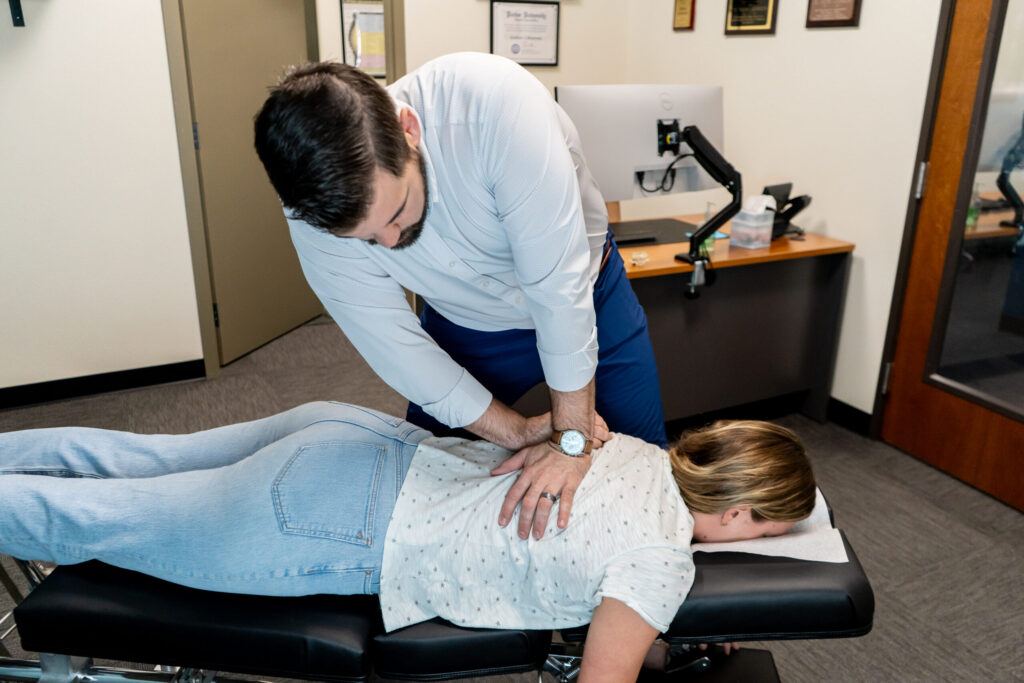
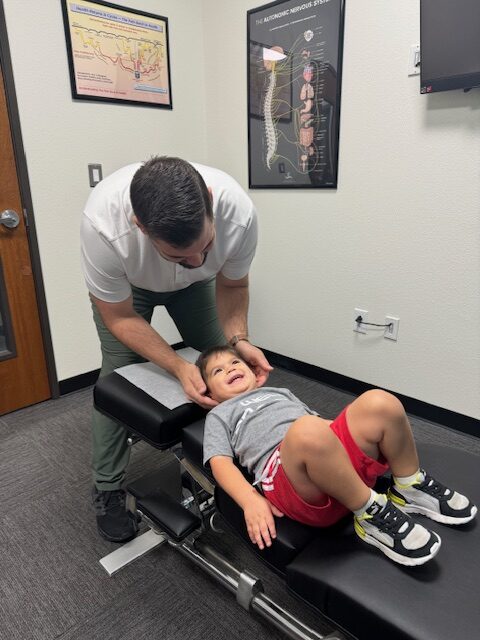
Another popular option is chiropractic care. By realigning your spine and joints, chiropractors can alleviate pain and improve your overall function. Regular adjustments can enhance your performance and prevent future injuries, which is essential for serious athletes.
Physical therapy is also a key player in alternative treatments. A qualified therapist can tailor a program to your specific needs, utilizing methods like manual therapy, ultrasound, and therapeutic exercises. This personalized approach can help you recover more quickly and effectively.
Additionally, practices like yoga and tai chi promote flexibility and strength while reducing stress. These mind-body techniques can enhance your overall well-being, making you more resilient to injuries.
Lastly, don't overlook the power of nutrition. A balanced diet rich in anti-inflammatory foods can support your recovery process. Supplements like omega-3 fatty acids and turmeric may also provide significant benefits.
Exploring these alternative treatments can empower you to take control of your recovery and get back to doing what you love. Each approach offers unique benefits, so consider what resonates best with you.
Advanced Recovery Technologies
Many athletes are turning to advanced recovery technologies to enhance their healing processes and boost performance. These innovative approaches can greatly shorten recovery times and help you get back to your game quicker than traditional methods.
One popular option is cryotherapy, which exposes your body to extremely cold temperatures for a short period. This helps reduce inflammation and pain, promoting faster recovery.
If you're looking for a non-invasive way to relieve soreness, consider infrared therapy. This technology uses infrared light to penetrate your skin, increasing blood flow and aiding in muscle recovery.
Compression therapy is another effective method. By applying controlled pressure to your limbs, this technology improves circulation and reduces swelling. You might've seen athletes using compression sleeves or boots, and there's a reason for that—they work.
Additionally, electrical stimulation devices can help with muscle recovery. By sending small electrical pulses to your muscles, they encourage contraction and relaxation, enhancing recovery.
Finally, virtual reality (VR) is emerging as a unique tool for rehabilitation. It can simulate real-life movements and scenarios, helping you regain confidence and coordination post-injury.
Incorporating these advanced recovery technologies into your routine can optimize your healing process. Whether you're recovering from an injury or looking to boost your performance, these tools can offer the edge you need.
Stay informed, and consider which of these technologies might fit best into your recovery plan.
Conclusion
In summary, finding the right treatment for sports injuries is essential for your recovery and performance. By combining physical therapy techniques, ice and heat therapy, and advanced recovery technologies, you can effectively manage pain and restore strength. Don't forget to explore alternative treatments and stay informed about injury management to prevent future issues. Remember, taking proactive steps now will help you bounce back stronger and keep you in the game longer.