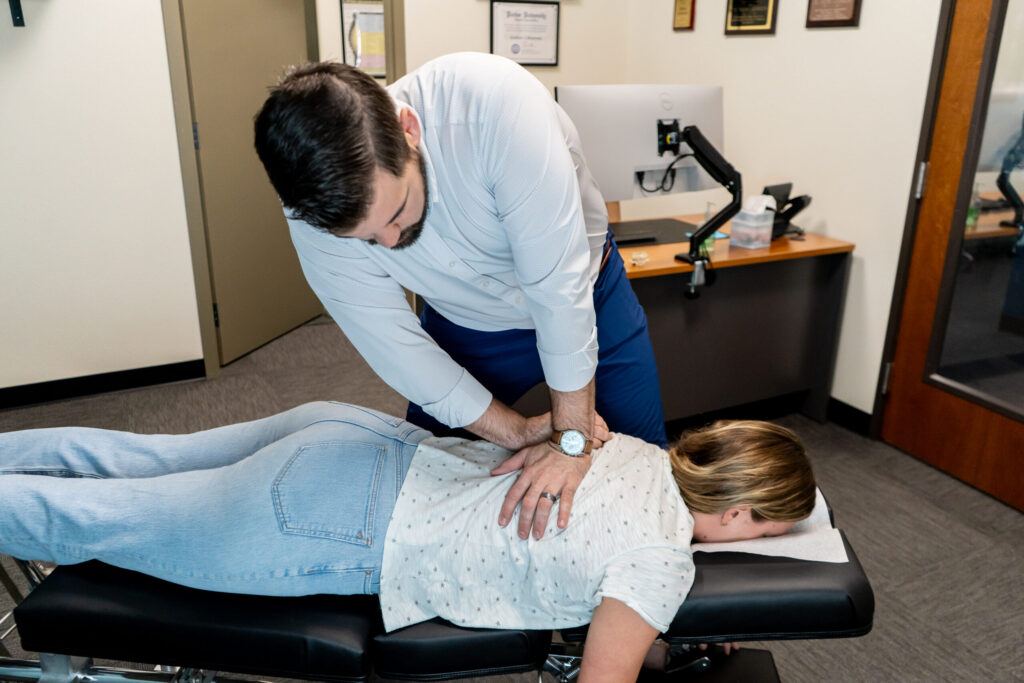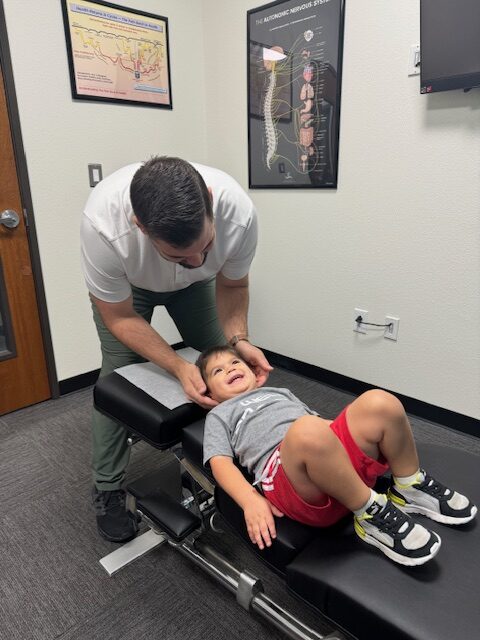

As a local chiropractor dedicated to helping our community, I understand how debilitating lower back pain can be and how it can disrupt your daily life. Many people come to me in search of effective treatments that truly provide relief. It's essential to know that there are numerous options available, ranging from simple at-home remedies like heat therapy to professional treatments such as chiropractic care and acupuncture.
Chiropractic care focuses on the relationship between the spine and the nervous system, aiming to enhance your body's natural healing abilities. By addressing misalignments in the spine through gentle adjustments, we can alleviate pain, improve mobility, and promote overall wellness.
In addition to chiropractic adjustments, I encourage exploring complementary therapies that can enhance your healing journey. Each person is unique, and what works for one individual may differ for another. Therefore, it's important to find a treatment combination that suits your specific needs.
If you're curious about how chiropractic care and other natural healing methods can help you manage and relieve your lower back pain, I invite you to join me in this journey towards improved health and well-being. Together, we can discover the best path for your recovery.
Understanding Lower Back Pain
As a local chiropractor, I often meet patients who are unfamiliar with the intricacies of lower back pain and the natural healing methods we can use to address it. Lower back pain is a prevalent issue that many individuals face at some stage in their lives. It's crucial to understand the various causes of this pain to find effective relief through chiropractic care.
One common source of lower back pain is muscle strain, which can occur after lifting heavy objects or performing repetitive motions. Additionally, poor posture—whether while sitting at a desk or standing—can significantly contribute to discomfort in the lower back region. As a chiropractor, I emphasize the importance of maintaining a proper posture to alleviate and prevent pain.
Sometimes, more complex underlying conditions, such as herniated discs or spinal stenosis, may be the culprits behind your discomfort. These conditions can lead to nerve compression, causing severe symptoms that may radiate down into your legs. If you have been experiencing persistent pain, it's essential to be aware of any accompanying signs, like numbness or weakness, as these may require a professional evaluation to determine the best course of action.
Your lifestyle choices also greatly impact the health of your lower back. Engaging in regular exercise and maintaining a healthy weight can help reduce strain on your spine and alleviate pain. It's important to recognize that stress can lead to muscle tension, exacerbating your discomfort. As a chiropractor, I often work with patients to develop strategies for managing stress and promoting relaxation.
To better understand your lower back pain, I encourage you to keep a journal detailing when the pain occurs and the activities you were engaged in at the time. This practice can help identify patterns and triggers, allowing you to avoid actions that might worsen your condition in the future.
At-Home Remedies
As a chiropractor dedicated to your well-being, I want to share some valuable at-home remedies for managing lower back pain.
Many patients are surprised to learn that simple techniques can provide significant relief. One effective method is heat therapy, which can help relax tight muscles and alleviate tension.
Additionally, incorporating stretching exercises into your routine can enhance flexibility and further reduce discomfort.
These natural approaches not only support your recovery but can also play a vital role in your overall pain management strategy.
Let's explore how integrating these remedies can make a positive impact on your journey to wellness.
Heat Therapy Benefits
As a local chiropractor, I often recommend heat therapy as a natural and effective method for alleviating lower back pain, and I'm here to help you understand how it works. When you apply heat to your lower back, it increases blood flow to the area, which can help relax tight muscles and relieve discomfort.
You have several options to choose from, such as heating pads, hot water bottles, or even warm towels, all of which can provide soothing warmth and significantly improve your pain levels.
To safely incorporate heat therapy into your routine, it's important to ensure that your heat source isn't too hot, as this can cause burns. I typically suggest applying heat for about 15 to 20 minutes at a time.
You might also discover that alternating between heat and cold therapy can maximize the benefits, providing even greater relief.
If you have access to a heating pad, look for one with adjustable settings. This way, you can find the temperature that feels most comfortable for you.
I encourage my patients to integrate heat therapy into their daily lives, such as using it before bedtime. This practice can help relax your muscles and promote better sleep, which is essential for overall health.
Remember to stay hydrated while using heat therapy, as it can lead to dehydration.
Stretching Exercises Techniques
As a local chiropractor, I want to share the importance of incorporating stretching exercises into your daily routine to enhance flexibility and alleviate lower back pain. Many of my patients experience discomfort due to tight muscles, and stretching can be a simple yet effective way to relax these areas.
I recommend starting with gentle movements, such as the cat-cow pose. This involves alternating between arching and rounding your back, which can help mobilize your spine and release built-up tension.
Another stretch to consider is the child's pose. To perform this, kneel on the floor, sit back on your heels, and stretch your arms forward. This position gently stretches the back and can provide immediate relief for many individuals.
Holding each stretch for 20-30 seconds while focusing on your breath can enhance relaxation and effectiveness. For instance, the seated hamstring stretch is particularly beneficial. Sit on the floor with one leg extended and the other bent, and gently reach toward your toes to feel the stretch in your lower back and hamstrings.
Lastly, I encourage you to try the standing forward bend. Stand with your feet hip-width apart, bend at the hips, and allow your torso to hang down. This stretch can help lengthen your spine and alleviate tension in your back.
Integrating these stretches into your daily routine can significantly contribute to your overall well-being and complement the chiropractic care you receive. Remember, a flexible body is key to maintaining a healthy spine!
Physical Therapy
When it comes to addressing lower back pain, chiropractic care offers a unique and holistic approach to recovery that sets it apart from many other treatments. We focus on improving your body's alignment, function, and overall health, helping you regain mobility while alleviating discomfort. By working with a chiropractor, you'll receive a personalized treatment plan that addresses your specific needs and the root causes of your pain.
During your visits, we employ a variety of techniques to restore proper alignment and function to your spine and surrounding muscles. This often includes gentle adjustments that target not only the lower back but also other areas of your body that play a role in spinal health.
Additionally, you'll learn about proper posture and body mechanics, which are crucial for preventing future injuries.
We may also utilize complementary therapies, such as massage, stretching, and rehabilitative exercises, to help reduce inflammation and relieve pain. These methods work in tandem with spinal adjustments to enhance your overall healing experience.
One of the most valuable aspects of chiropractic care is the education you receive throughout the process. You'll gain a deeper understanding of your condition, learn effective pain management strategies, and discover lifestyle changes that can lead to long-term relief.
By becoming an active participant in your recovery, you'll feel empowered to take charge of your health and well-being.
Ultimately, chiropractic care provides a comprehensive approach to managing lower back pain, equipping you with the knowledge and tools you need for effective healing. If you're experiencing persistent pain, I encourage you to reach out and explore how chiropractic care can be a beneficial option for your recovery.
Chiropractic Care
As a local chiropractor, I want to share how chiropractic care can be a transformative solution for individuals experiencing lower back pain. My focus is on diagnosing and treating musculoskeletal disorders, with a particular emphasis on spinal alignment.
When you come to my office, I'll conduct a comprehensive assessment to understand your unique situation. This tailored approach can lead to significant relief and enhance your overall well-being.
Here are three key benefits you may experience with chiropractic care:
- Pain Relief: I utilize spinal manipulation and various techniques to help alleviate pain. By adjusting misaligned vertebrae, I can reduce pressure on your nerves and support your body's natural healing processes.
- Improved Mobility: Regular chiropractic adjustments can enhance your range of motion. This is especially beneficial if you've been sidelined from certain activities due to discomfort. The adjustments can help restore proper movement and flexibility, enabling you to participate in daily activities without experiencing pain.
- Preventative Care: Chiropractic care isn't solely about addressing existing pain; it's also focused on prevention. By maintaining proper spinal alignment, you can mitigate the risk of future issues. Many of my patients find that routine visits help them remain active and pain-free in the long run.
Integrating chiropractic care into your pain management strategy can lead to a healthier spine and a more vibrant lifestyle.
If you're struggling with lower back pain, I encourage you to reach out to me to discover how chiropractic techniques can empower you to take charge of your health and well-being.
Acupuncture
As a local chiropractor, I often see patients who are looking for effective ways to manage lower back pain. Many individuals explore complementary therapies alongside chiropractic care, and one popular option is acupuncture. This ancient Chinese practice involves inserting thin needles into specific points on the body to stimulate the flow of energy, known as "qi." Many of my patients report that acupuncture can help alleviate pain, ease muscle tension, and enhance overall well-being.
When you visit an acupuncturist, they'll evaluate your condition and customize the treatment to fit your unique needs. While you may feel a slight prick when the needles are inserted, most people experience minimal discomfort. Sessions typically last about 30 to 60 minutes, and many clients find themselves feeling relaxed during the process—some even drift off to sleep!
Research indicates that acupuncture can be effective for treating lower back pain. It may encourage the release of endorphins, which are your body's natural pain relievers, and improve blood circulation. Consequently, after several sessions, you might notice improved flexibility and a decrease in pain intensity.
It's crucial to consult with a qualified acupuncturist and discuss your lower back pain history before starting any treatments. They can advise you on the number of sessions that may be necessary for optimal results.
Many of my patients find that combining acupuncture with chiropractic adjustments or physical therapy can significantly enhance their recovery process.
If you're seeking a holistic approach to managing your lower back pain, I encourage you to consider acupuncture as a complementary therapy. It might just provide the relief you've been searching for, working in harmony with the chiropractic care I provide to help you achieve your wellness goals.
Medications
When it comes to managing lower back pain, it's essential to explore all available options, including those offered by chiropractic care. As your local chiropractor, I want to help you understand how natural healing methods, along with certain medications, can contribute to your relief strategy.
While medications can aid in reducing inflammation, alleviating pain, and improving mobility, they aren't the only solution. It's crucial to work with a healthcare provider who understands your unique situation to find the most appropriate approach for you.
Let's take a look at three common types of medications that some patients may consider in conjunction with chiropractic care:
- Nonsteroidal Anti-Inflammatory Drugs (NSAIDs): Over-the-counter options like ibuprofen and naproxen can be effective for reducing inflammation and pain. These medications may provide relief as you participate in chiropractic adjustments and physical therapy, allowing your body to heal more effectively.
- Muscle Relaxants: If your back pain is accompanied by muscle spasms, your healthcare provider may suggest muscle relaxants. These medications can help alleviate muscle tension, promoting more comfortable movement and enhancing the benefits of your chiropractic treatments.
- Topical Analgesics: Creams or patches infused with menthol, capsaicin, or other pain-relieving ingredients can be applied directly to the painful area. These topical treatments offer localized relief and can complement the adjustments and therapies we perform in our office, without the side effects that may come with oral medications.
It's important to follow your healthcare provider's guidance regarding the appropriate dosage and duration of any medication.
While medications can provide valuable support, they're often most effective when combined with the holistic approaches of chiropractic care, such as spinal adjustments, exercises, and lifestyle modifications.
Together, we can work toward restoring your quality of life and helping your body heal naturally.
Massage Therapy
As a local chiropractor, I want to emphasize the importance of incorporating massage therapy as part of your holistic approach to managing lower back pain. It can be a highly effective complementary treatment that not only aids in your recovery but also enhances your overall well-being.
When you integrate massage therapy into your routine, you can expect to experience benefits such as reduced muscle tension, improved circulation, and increased flexibility. These positive effects directly address some of the underlying causes of discomfort in your back.
In a massage therapy session, a skilled therapist employs various techniques aimed at relieving tight muscles and promoting a sense of relaxation. This hands-on approach is particularly beneficial as it helps break up adhesions and scar tissue that may be contributing to your pain.
You may find that targeted pressure applied to specific areas can significantly alleviate discomfort, making it easier for you to move and carry out daily activities.
Another advantage of regular massage therapy is its ability to encourage the release of endorphins, which are your body's natural painkillers. By reducing your perception of pain, you may notice an enhancement in your mood and overall sense of well-being.
Additionally, the soothing effects of massage can help you manage stress—something that frequently exacerbates chronic pain issues.
To truly maximize the benefits of massage therapy, I encourage you to discuss your specific lower back concerns with your therapist. They can customize their techniques to suit your unique needs, whether that involves deep tissue work or gentler approaches tailored to your comfort level.
Incorporating massage therapy into your back pain management plan can lead to significant improvements in your condition. So, I strongly recommend that you consider booking a session. It could be a vital step toward feeling better and reclaiming your mobility in conjunction with chiropractic care.
Heat and Cold Therapy
As a local chiropractor, I want to share some valuable insights on how heat and cold therapy can significantly help relieve lower back pain.
These techniques aren't only simple but can also be easily incorporated into your daily routine to promote healing and comfort. When applied correctly, heat and cold therapy can reduce inflammation, enhance circulation, and alleviate muscle tension, all of which are key components in managing back pain.
Here's how you can effectively use heat and cold therapy for lower back pain relief:
1. Heat Therapy: Applying heat is an excellent way to relax tight muscles and increase blood flow to the affected area.
You can utilize a heating pad, a warm towel, or even take a warm bath. Aim for an application time of 15 to 20 minutes, ensuring the source of heat is warm, but not too hot, to avoid burns.
2. Cold Therapy: Cold therapy is particularly effective for reducing inflammation and numbing sharp pain.
You can use an ice pack or even a bag of frozen vegetables wrapped in a cloth. Apply it for about 15 to 20 minutes, allowing your skin to return to a normal temperature before you reapply. This method is especially beneficial after physical activities that may aggravate your back.
3. Alternating Treatments: For the best results, consider alternating between heat and cold therapy.
Start with cold therapy to minimize swelling, and then switch to heat to promote relaxation and healing. This combined approach can be particularly effective for those dealing with chronic pain.
Always listen to your body. If either method seems to intensify your pain, I recommend discontinuing its use and consulting with a healthcare professional.
Your well-being is our top priority, and we're here to support your journey toward recovery and better health through natural healing methods.
Lifestyle Changes
As a local chiropractor, I want to share how simple lifestyle changes can significantly improve your management of lower back pain. One of the first things to consider is your posture. Whether you're sitting, standing, or walking, maintaining good posture is essential to minimize strain on your back.
If you find yourself working long hours at a desk, an ergonomically designed workstation can make a world of difference. Ensure that your chair supports your lower back and that your feet rest flat on the floor.
Staying active is another important factor. Regular exercise helps strengthen your core muscles, which play a vital role in supporting your spine. Aim for low-impact activities such as walking, swimming, or cycling. Even short walks throughout your day can have a positive impact.
Additionally, incorporating stretching exercises, especially for your hamstrings and hip flexors, can enhance your flexibility and alleviate tension in your back.
It's also crucial to pay attention to your weight. Carrying excess weight places additional strain on your back, which can lead to chronic pain. By adopting a balanced diet and striving to maintain a healthy weight, you can significantly lower your risk of experiencing back pain.
Quality sleep is another essential component of recovery. Invest in a supportive mattress and use pillows that promote proper spinal alignment. Sleeping on your side with a pillow between your knees can help relieve pressure on your lower back and improve your overall comfort.
Lastly, don't overlook the role of stress management in your wellness journey. Stress can cause muscle tension and worsen pain. Incorporating relaxation techniques such as yoga, meditation, or deep-breathing exercises into your routine can help you manage stress effectively.
Surgical Options
When conservative treatments haven't brought you relief from lower back pain, it's important to explore all your options before considering surgery.
As a chiropractor, I believe in the body's natural ability to heal itself, and I often encourage patients to think about less invasive methods first.
However, if you find that your pain persists despite chiropractic adjustments, physical therapy, or lifestyle changes, discussing surgical options with your healthcare provider may be necessary.
Here are three common surgical options that some may consider for lower back pain relief:
- Discectomy: This procedure involves the removal of a part of a herniated disc that's putting pressure on a nerve. By relieving that pressure, many patients experience significant pain reduction and improved mobility.
- Laminectomy: This surgery removes the lamina, which is the bony arch of the vertebra. By creating more space for the spinal cord and nerves, it can alleviate the pressure associated with conditions like spinal stenosis.
- Spinal Fusion: In this procedure, two or more vertebrae are fused together to create stability in the spine. This option is often considered for conditions such as degenerative disc disease or spondylolisthesis, where there's a concern about spinal instability.
Before moving toward any surgical solution, I encourage you to consider the benefits of chiropractic care and other holistic approaches to support your healing journey.
Always consult with your healthcare provider to find the best approach tailored to your individual needs.
Conclusion
As a local chiropractor, I want to share with you the various ways to manage lower back pain effectively. It's important to understand that there are many treatment options available that can be tailored to your specific needs. By integrating at-home remedies with professional chiropractic care, you can find significant relief and enhance your overall quality of life.
In addition to chiropractic adjustments, I encourage you to consider lifestyle changes that can promote long-term wellness. Simple adjustments in your daily routine, such as proper posture, regular exercise, and stretching, can make a big difference in preventing future pain.
If your discomfort continues despite these efforts, I recommend consulting with a healthcare professional who can help you explore additional options. Remember, taking proactive steps toward your health today can lead to a more comfortable and fulfilling future. Embrace the journey of natural healing with chiropractic care, and let's work together to achieve your wellness goals.