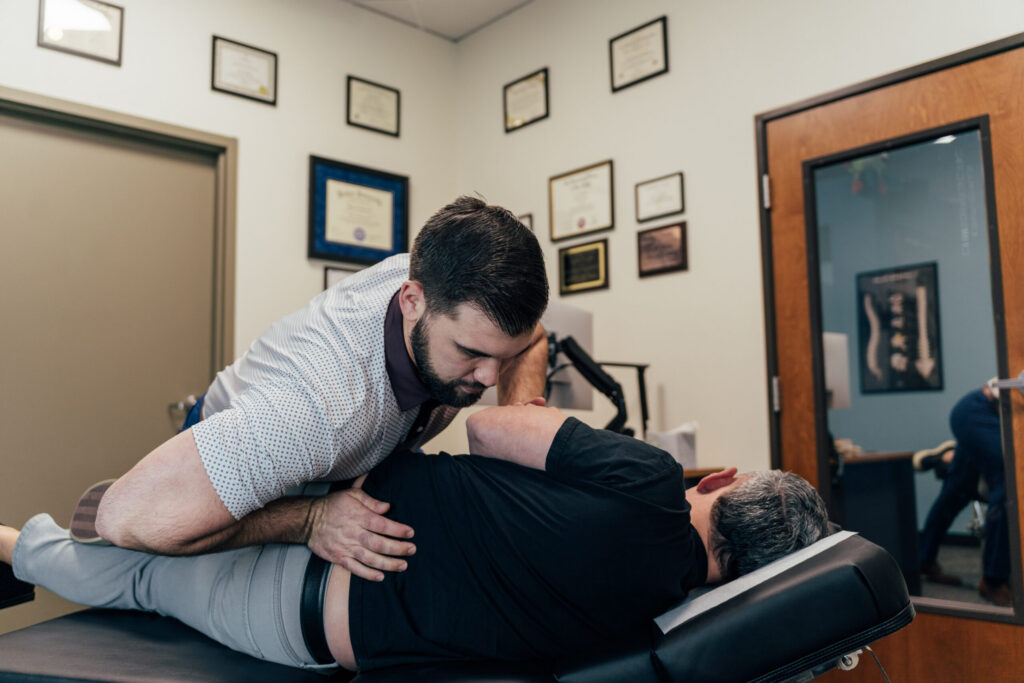

As a local chiropractor, I often see patients who struggle with lower back pain, which can be both frustrating and debilitating. It’s not uncommon for everyday activities to become a challenge, impacting your overall quality of life. The good news is that there are effective, natural techniques to help alleviate this discomfort.
In my practice, I focus on a holistic approach that includes various stretching and strengthening exercises, along with lifestyle modifications tailored to your individual needs. By incorporating these methods, you can take an active role in managing and reducing your pain.
Let’s explore some of the best strategies that can support your back health and help you feel better in the long run. With the right guidance and commitment, you can regain control over your daily activities and enhance your overall well-being.
Understanding the Causes of Lower Back Pain
As a local chiropractor, I want to help you understand the various factors that can contribute to lower back pain, so you can find effective relief and improve your overall well-being.
One of the most common causes of lower back pain is muscle strain, which often occurs from improper lifting techniques or sudden movements that put stress on your back.
If you spend long hours sitting, poor posture can significantly contribute to your discomfort. Additionally, issues like herniated discs, where the cushioning between your vertebrae slips out of place, can lead to pain and restricted mobility.
Conditions such as arthritis or spinal stenosis may also result in chronic pain that affects your daily life.
Lifestyle choices play a crucial role too. Factors like obesity and a lack of physical activity can exacerbate lower back issues, making it even more important to maintain a healthy lifestyle.
Moreover, stress and anxiety can manifest physically, leading to muscle tension in your lower back that can be alleviated through chiropractic adjustments and natural healing methods.
If you’ve experienced an accident or sustained an injury, that could also be a source of your pain.
By recognizing these underlying causes, you can take proactive steps toward relief and prevention.
As a chiropractor, I’m here to guide you through natural healing options that can help restore your spinal health and improve your quality of life.
Stretching Techniques for Immediate Relief
As a local chiropractor, I understand that lower back pain can be quite uncomfortable. One effective way to find immediate relief is through some gentle seated stretches. These stretches can help alleviate tension in your back and promote better overall flexibility.
Another technique I often recommend is the standing forward bend, which can further ease tightness in your lower back. Let’s take a closer look at these techniques to help you feel better quickly and enhance your natural healing process.
Gentle Seated Stretches
As a local chiropractor, I want to share with you the benefits of gentle seated stretches for alleviating lower back pain and enhancing mobility. Many of my patients find that when they sit down to stretch, it becomes easier to concentrate on their breathing and gradually ease into each movement.
Begin by sitting up straight in your chair, which helps align your spine. Reach your arms overhead and lean to one side, allowing yourself to feel a stretch in your side and lower back. Hold this position for a few deep breaths, then switch to the other side. This simple action promotes flexibility and helps relieve tension in the spine.
Next, place your right ankle on your left knee and gently press down on your right knee while leaning forward a bit. This stretch can help open up the hips and lower back, areas that often hold tension.
Lastly, consider trying some seated forward bends. Allow your upper body to relax over your legs, which can provide a soothing stretch to your back.
These gentle stretches aren’t just beneficial for immediate relief; they also contribute to your overall flexibility and well-being. Incorporating these movements into your daily routine can be an effective complement to chiropractic care and natural healing practices.
Standing Forward Bend
As a local chiropractor, I want to share a powerful stretch that can bring immediate relief for your lower back discomfort: the standing forward bend. Many of my patients have found that incorporating this stretch into their daily routine can significantly improve their overall well-being.
To perform the standing forward bend, start by standing tall with your feet hip-width apart. Take a deep breath in, and as you exhale, gently hinge at your hips and bend forward. Allow your upper body to hang down, and if necessary, keep your knees slightly bent to avoid strain. Hold this position for about 15 to 30 seconds, focusing on your breath to further enhance relaxation.
As you hold the stretch, you should feel a gentle elongation along your spine and hamstrings, which can help increase flexibility and alleviate tension. When you’re ready to rise, engage your core muscles and slowly roll back up to a standing position.
This stretch isn’t only simple but can also be practiced at any time throughout your day, making it an excellent tool for managing lower back pain naturally.
I encourage you to integrate the standing forward bend into your routine and observe how it complements your chiropractic care, promoting a healthier spine and overall body alignment.
Strengthening Exercises to Support Your Back
As a local chiropractor, I want to emphasize the importance of strengthening exercises in supporting your back and preventing pain. Focusing on your core and back muscles is vital for building a solid foundation that protects your spine.
I recommend starting with simple exercises such as planks and bridges, which engage multiple muscle groups. Aim for three sets of 10 to 15 repetitions, and as you grow stronger, gradually increase the intensity of your workouts.
Incorporating exercises like bird-dogs and supermans can greatly enhance stability and strength in your lower back. These movements not only improve coordination and balance but also reinforce the muscles that support your spine, making them crucial for overall spinal health.
Additionally, pelvic tilts are a great way to strengthen your abdominal muscles while reducing pressure on your lower back.
It’s essential to listen to your body during these exercises; if you feel any pain, stop immediately. Consistency is key to success, so I encourage you to incorporate these strengthening exercises into your routine at least three times a week for optimal results.
Your back will truly thank you for the care and attention you provide it! Remember, maintaining a strong and healthy back is a vital part of your overall well-being.
Posture Correction Strategies
As your local chiropractor, I want to share some valuable insights on how to effectively relieve lower back pain through posture correction strategies.
It’s essential to make ergonomic adjustments to your workspace; this means ensuring your chair, desk, and computer setup promote a healthy alignment of your spine. Additionally, practicing mindful sitting techniques can significantly alleviate strain on your back.
Remember to sit up straight, with your feet flat on the floor and your back supported.
When it comes to lifting objects, using proper mechanics is crucial. Always bend at your knees and keep the object close to your body to avoid unnecessary strain on your lower back.
By implementing these simple yet effective changes, you’ll not only support your back but also enhance your overall comfort and well-being.
If you have any questions or need personalized guidance, feel free to reach out to me. I’m here to help you on your journey to better health!
Ergonomic Workspace Adjustments
As a local chiropractor, I want to emphasize how crucial your workspace setup is for your overall health, especially when it comes to maintaining good posture and preventing lower back pain. Many people underestimate the impact of their work environment on their bodies.
First, ensure that your chair is appropriately adjusted. Your feet should rest flat on the floor, and your knees should be aligned with your hips. This position helps to support your spine and can significantly reduce strain on your lower back.
Next, consider the height of your desk. It should be at elbow height, allowing your arms to hang comfortably at your sides. This alignment is essential for avoiding tension in your shoulders and neck.
I also recommend using a chair that offers lumbar support, as this will help maintain the natural curve of your spine and promote better posture throughout the day.
It’s equally important to position your computer screen at eye level. This adjustment will prevent you from leaning forward or straining your neck, both of which can lead to discomfort and pain over time.
Additionally, keep items you use frequently within easy reach to avoid unnecessary twisting and reaching, which can further exacerbate any existing issues.
Lastly, I encourage you to regularly assess and adjust your workspace. An ergonomically friendly setup can go a long way in promoting good posture and minimizing discomfort, allowing you to work more efficiently and comfortably.
If you have any questions or would like personalized advice on your workspace setup, feel free to reach out—I’m here to help you on your journey to better health!
Mindful Sitting Techniques
As your local chiropractor, I want to emphasize how vital your sitting posture is to your overall comfort and spinal health, even if you have an ergonomic workspace.
Adopting mindful sitting techniques can significantly enhance your well-being and help alleviate lower back pain. Here are some essential strategies to consider:
- Keep your feet flat on the floor. If they don’t reach, using a footrest can make a big difference in your comfort.
- Align your hips and knees at a 90-degree angle. This alignment promotes stability and helps distribute your weight evenly.
- Sit back in your chair and make sure your back is fully supported by the backrest. This support is crucial for maintaining the natural curve of your spine.
- Engage your core muscles. Strengthening these muscles provides additional support to your spine, helping to prevent discomfort.
- Take regular breaks. Stand up, stretch, or take a short walk every so often. This practice can help combat stiffness and rejuvenate your body.
Incorporating these techniques into your daily routine can lead to better posture and reduced pain over time.
If you have any questions or would like to discuss how chiropractic care can further support your health, feel free to reach out!
Proper Lifting Mechanics
As a chiropractor, I want to emphasize the importance of proper lifting mechanics to help you stay healthy and avoid injuries, especially when handling heavy objects.
It’s crucial to understand how to lift correctly to protect your back and maintain overall wellness.
Begin by standing with your feet shoulder-width apart to provide a stable base. It’s vital to bend at your hips and knees rather than your back. Keep your chest lifted and your spine in a neutral position throughout the lift.
When you grip the object, make sure it’s firm, and as you begin to lift, engage your core muscles. This action supports your back and helps maintain proper alignment.
Always remember to lift with your legs—push through your heels as you rise. If you ever find yourself facing a load that feels too heavy, don’t hesitate to ask for assistance or utilize lifting aids. Your safety is paramount; it’s always better to seek help than to risk an injury.
By practicing these techniques consistently, you can help maintain a healthy back and avoid discomfort in your daily activities.
As your chiropractor, I’m here to support you in your journey towards better health and natural healing.
Lifestyle Changes for Long-Term Relief
As a local chiropractor, I want to share how making certain lifestyle changes can lead to long-term relief from lower back pain. Embracing healthier habits not only strengthens your back but also enhances your overall well-being.
Here are some practical adjustments you can consider:
- Stay Active: It’s essential to incorporate regular exercise into your routine. Focus on activities that build core strength and improve flexibility, as these are crucial for supporting your spine.
- Maintain a Healthy Weight: Carrying excess weight can place additional strain on your back. A balanced diet, rich in nutrients, can help you achieve and maintain a healthy weight, which in turn reduces pressure on your spine.
- Practice Good Posture: Be mindful of your posture throughout the day—whether you’re sitting, standing, or moving. Proper alignment can significantly reduce strain on your spine and help prevent pain.
- Limit Sedentary Time: If your job requires long periods of sitting, make it a habit to take breaks. Stand up, stretch, and move around to keep your muscles engaged and reduce stiffness.
- Sleep Smart: Investing in a supportive mattress is vital for your spinal health. Additionally, find a sleeping position that promotes spinal alignment, which can greatly affect how you feel throughout the day.
By integrating these changes into your lifestyle, you can support your body’s natural healing processes and enjoy lasting relief from back pain.
If you have any questions or need personalized guidance, feel free to reach out!
Heat and Cold Therapy Methods
As your local chiropractor, I want to share some effective ways to manage lower back pain through heat and cold therapy methods. These techniques can be a great complement to the lifestyle changes we discuss in our sessions.
Heat therapy is a fantastic option for relieving pain. Using a warm towel or a heating pad can help increase blood flow to the affected area, relax tight muscles, and alleviate stiffness. I recommend applying heat for 15 to 20 minutes at a time, but please be cautious to avoid any burns on your skin.
On the flip side, cold therapy is excellent for reducing inflammation and numbing sharp pain. You can easily use ice packs or even a bag of frozen peas wrapped in a cloth. Just like with heat, apply the cold for about 15 to 20 minutes and allow your skin to return to its normal temperature between sessions.
I encourage you to consider using both methods in combination, as they can be quite effective together. Just remember to listen to your body—everyone responds differently to these therapies.
If your pain continues or worsens, please don’t hesitate to reach out for further evaluation and treatment options tailored to your needs. Your well-being is my priority!
Alternative Therapies: Acupuncture and Massage
As a local chiropractor, I want to share some valuable insights about alternative therapies like acupuncture and massage, especially for those of you dealing with lower back pain.
These therapies not only complement chiropractic care but can also play a significant role in your overall healing process. They aim to restore balance and relieve tension within your body, leading to enhanced mobility and reduced discomfort.
Here are some benefits of incorporating acupuncture and massage into your pain management routine:
- Stimulates blood flow: By enhancing circulation, these therapies promote healing and reduce inflammation in the affected areas.
- Releases endorphins: Both acupuncture and massage trigger the release of natural painkillers in your body, which can alleviate discomfort and elevate your mood.
- Reduces muscle tension: Massage therapy specifically targets tight muscles, providing immediate relief and allowing for better movement.
- Enhances flexibility: Engaging in both acupuncture and massage can improve your range of motion and overall physical function, which is crucial for a healthy spine.
- Promotes relaxation: By reducing stress, these therapies can contribute to lower back pain relief, helping to calm both your mind and body.
Integrating acupuncture and massage into your wellness routine can empower you to take control of your healing journey.
Together with chiropractic care, these natural healing methods can support your body’s ability to heal and thrive. If you’re interested in learning more, feel free to reach out for guidance on how to get started!
When to Seek Professional Help
As a local chiropractor, it’s important to understand when seeking professional help for lower back pain is necessary, especially if you’ve been considering natural therapies like acupuncture and massage.
If your discomfort lingers for more than a few weeks, it’s a good idea to reach out to a healthcare provider, such as a chiropractor. Ignoring symptoms like leg weakness, numbness, or difficulty standing can lead to more serious issues that need prompt attention.
Be especially vigilant if your pain is accompanied by fever, unexplained weight loss, or loss of bowel or bladder control—these are signs that require immediate care.
If you notice that your pain is worsening despite trying home treatments, or if it’s beginning to interfere with your daily activities, it’s crucial to get a professional evaluation. A chiropractor can help diagnose underlying problems and recommend tailored treatment plans that align with your health goals.
Conclusion
As a local chiropractor, I want to share some effective techniques that can help you relieve lower back pain and enhance your overall well-being. Understanding the underlying causes of your discomfort is the first step toward healing. By incorporating stretching and strengthening exercises into your daily routine, along with maintaining good posture, you can build a stronger, healthier back.
I also recommend using heat and cold therapy as a simple yet effective way to achieve immediate relief from pain. Additionally, consider exploring alternative therapies such as acupuncture or massage, which can provide further benefits in your healing journey.
If your pain persists despite these efforts, it’s crucial to seek professional help. Chiropractic care focuses on restoring proper function to your spine and nervous system, which can lead to significant improvements in your condition. Remember, prioritizing your spinal health is key, and with the right approach, you’ll start to feel the difference in no time!