
If you're struggling with chronic back pain, you've likely considered various treatment options, but have you explored the top non-invasive solutions available? From physical therapy to acupuncture, these methods focus on addressing the root causes of your discomfort rather than just masking the symptoms. By incorporating techniques like mindfulness and spinal decompression, you might find a path to relief that suits your lifestyle. As you contemplate these options, you'll want to understand how each approach can uniquely benefit you and what steps to take next.
Physical Therapy
Physical therapy often plays an essential role in managing chronic back pain. When you experience discomfort, a physical therapist can assess your condition and tailor a program specifically for you. This personalized approach helps address the underlying issues contributing to your pain, rather than just masking the symptoms.
During your sessions, you'll engage in various exercises designed to strengthen your back muscles and improve flexibility. These targeted movements can enhance your posture, which is vital for alleviating strain on your spine.
You'll also learn how to perform daily activities safely, reducing the risk of injury and preventing further pain. Your therapist might incorporate manual therapy techniques, such as massages or joint mobilization, to promote blood flow and ease tightness in your muscles.
These hands-on methods can provide immediate relief, making it easier for you to participate in your exercise program. In addition to physical exercises, your therapist will likely educate you about proper body mechanics and ergonomics.
This knowledge empowers you to make informed choices about your movements, whether you're lifting heavy objects or sitting at your desk. You'll discover that small adjustments can lead to significant improvements in your comfort levels.
Acupuncture
In addition to physical therapy, acupuncture offers a complementary approach for managing chronic back pain. This ancient practice involves inserting thin needles into specific points on your body to stimulate healing. Many people find it effective in reducing pain and improving overall well-being.
When you visit an acupuncturist, they'll assess your condition and tailor the treatment to your specific needs. You might feel a slight pinch as the needles go in, but most experience little to no discomfort. Sessions typically last 30 to 60 minutes, and you may notice relief after just one treatment or require multiple sessions for lasting effects.
Research suggests that acupuncture can help alleviate various types of pain, including back pain, by promoting blood flow and releasing endorphins—your body's natural painkillers. It can also help reduce inflammation and improve mobility, which is particularly beneficial when combined with physical therapy.
You might be curious about how often you should go for treatments. While it varies from person to person, many find weekly sessions effective, gradually tapering off as they experience improvement. It's crucial to communicate openly with your acupuncturist about your pain levels and any changes you notice.
If you're considering acupuncture as part of your pain management plan, make sure to consult with your healthcare provider first. They can help you determine if this holistic approach is suitable for your specific situation and guide you toward a qualified practitioner.
Chiropractic Care
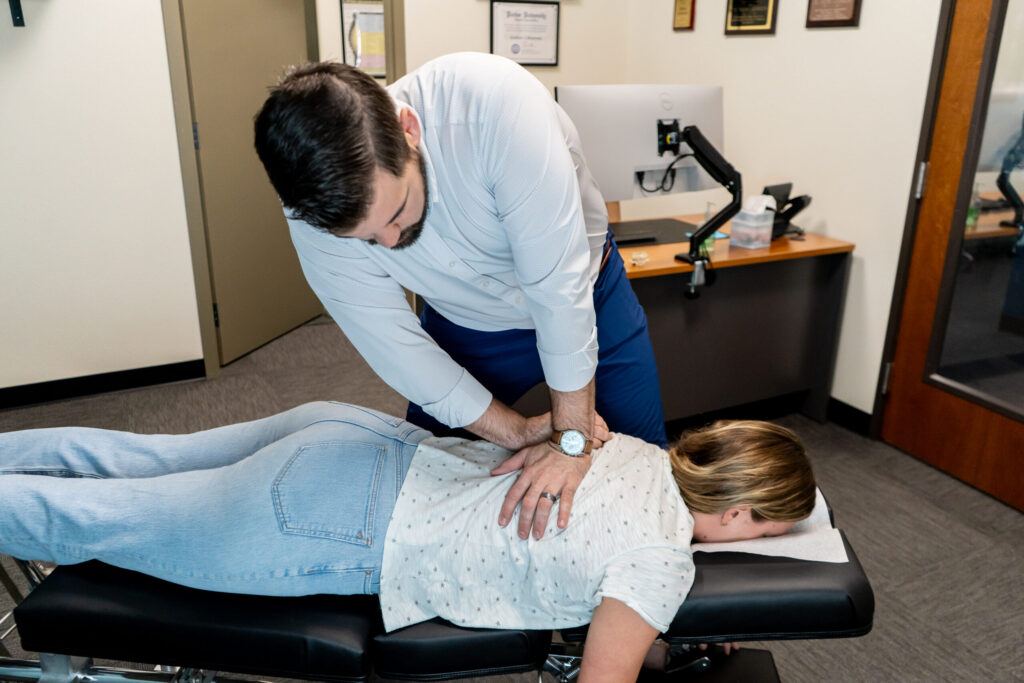
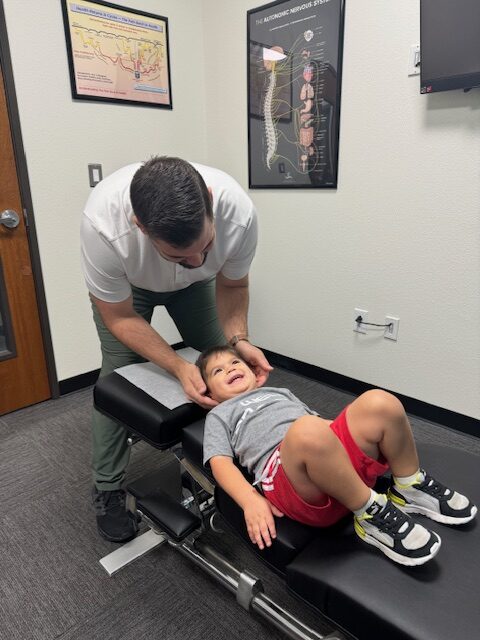
Chiropractic care offers a range of benefits for managing chronic back pain, helping you improve your mobility and reduce discomfort.
You'll find various techniques used in treatment, from spinal adjustments to soft tissue therapy, all aimed at promoting healing.
Exploring these options might just lead you to a pain-free life.
Benefits of Chiropractic Adjustments
When it comes to managing chronic back pain, many find relief through chiropractic adjustments. These adjustments focus on realigning your spine and improving your overall function, which can greatly reduce discomfort. You might notice that regular chiropractic care not only alleviates pain but also enhances your mobility, allowing you to engage in daily activities with greater ease.
Moreover, chiropractic adjustments can help restore your body's natural balance. By addressing misalignments, you're less likely to experience muscle tension and stress, both of which can exacerbate pain. This holistic approach encourages your body to heal itself, promoting long-term wellness rather than just temporary relief.
Another key benefit is the reduction of inflammation. Many people with chronic back pain experience inflammation that contributes to discomfort. Through adjustments, you can potentially decrease this inflammation, leading to less pain and improved quality of life.
Finally, chiropractic care often includes personalized advice on lifestyle changes and exercises. This guidance can empower you to take an active role in managing your back pain, fostering a sense of control over your health and well-being.
Embracing chiropractic adjustments might just be the solution you need for lasting relief.
Techniques Used in Treatment
Many techniques are employed in chiropractic care to effectively treat chronic back pain. One of the most common methods is spinal manipulation, where your chiropractor uses their hands to apply controlled force to specific joints, helping restore proper alignment and mobility. This technique can alleviate pain and improve function.
Another technique is mobilization, which involves gentle movements and stretches to increase the range of motion in your back. This is especially helpful if you're dealing with stiffness or tightness.
Your chiropractor may also incorporate soft tissue therapy, using massage or myofascial release to address muscle tension and improve circulation.
Additionally, your treatment plan might include rehabilitative exercises tailored to strengthen your core and back muscles. These exercises can enhance stability and prevent future pain episodes.
Lastly, some chiropractors use modalities such as electrical stimulation or ultrasound therapy to reduce inflammation and promote healing in the affected areas.
Massage Therapy
Massage therapy can be a game-changer for your chronic back pain, offering both relaxation and relief.
By targeting specific muscle groups, various techniques can help reduce tension and improve circulation.
Let's explore the benefits and methods that might work best for you.
Benefits of Massage Therapy
Therapeutic touch can work wonders for chronic back pain, offering a range of benefits that go beyond mere relaxation.
When you incorporate massage therapy into your pain management routine, you're not just indulging; you're actively promoting healing and well-being.
Here are three key benefits that you can experience:
1. Reduced Muscle Tension: Massage helps to relieve tightness in your muscles, allowing for greater flexibility and improved posture.
By reducing this tension, you can alleviate some of the pressure on your spine.
2. Enhanced Circulation: The strokes and pressure applied during massage therapy improve blood flow to the affected areas.
This increased circulation can help deliver essential nutrients and oxygen to your muscles, speeding up recovery and reducing inflammation.
3. Stress Relief: Chronic back pain often comes with emotional stress.
Massage therapy can lower cortisol levels and boost the production of endorphins, helping you feel more relaxed and less anxious about your pain.
Techniques for Pain Relief
When it comes to managing chronic back pain, certain techniques in massage therapy can offer significant relief. One effective method is deep tissue massage, which targets the deeper layers of muscle and connective tissue, helping to release tension and alleviate pain. You might find that this technique not only reduces discomfort but also enhances your overall mobility.
Another approach is trigger point therapy, where the therapist applies pressure to specific areas of tightness, releasing knots in the muscles. This can be particularly beneficial if you experience localized pain or stiffness.
Sports massage is also a great option if you're active; it focuses on preventing and treating injuries while promoting flexibility.
Don't overlook the benefits of Swedish massage, which employs long, flowing strokes to promote relaxation and improve circulation. This technique can help reduce stress, which is often a contributing factor to chronic pain.
Incorporating these massage techniques into your pain management routine can lead to lasting benefits. Be sure to communicate your needs with your therapist, ensuring they tailor the session to address your specific pain points effectively.
Mindfulness and Meditation
How can mindfulness and meditation transform your experience of chronic back pain? By incorporating these practices into your daily routine, you can cultivate a deeper awareness of your body and emotions, allowing you to manage pain more effectively.
Mindfulness helps you stay present, reducing anxiety and stress that often exacerbate discomfort. Meditation can shift your focus away from pain, creating a sense of calm and acceptance.
Here are three key benefits of mindfulness and meditation for chronic back pain:
- Enhanced Pain Management: Mindfulness teaches you to observe your pain without judgment, which can reduce the emotional impact it has on your life. This shift in perspective helps you respond to pain more skillfully rather than reacting with fear or frustration.
- Improved Body Awareness: Through meditation, you learn to tune into your body, recognizing tension or discomfort without becoming overwhelmed. This heightened awareness can guide you in adjusting your posture or engaging in gentle movement, promoting healing.
- Stress Reduction: Chronic pain often stems from or is worsened by stress. Mindfulness practices can lower your stress levels, which may, in turn, alleviate some of the physical symptoms you experience. When your mind is calmer, your body can relax, and pain may lessen.
Incorporating mindfulness and meditation into your life doesn't require extensive time or resources. By committing to just a few minutes each day, you can start to notice positive changes in how you experience and cope with chronic back pain.
Spinal Decompression Therapy
Spinal decompression therapy offers a non-invasive approach to alleviate chronic back pain by gently stretching the spine. This therapy works by creating negative pressure within the spinal discs, which can help relieve pressure on nerves and promote the movement of healing nutrients into the discs. If you're struggling with persistent back pain, this treatment could be a viable option worth considering.
During a spinal decompression session, you'll lie on a specialized table that adjusts to apply controlled traction to your spine. This process helps to separate the vertebrae, providing relief from conditions such as herniated discs, sciatica, or degenerative disc disease. Many patients report feeling immediate relief, while others notice improvements over several sessions.
It's essential to consult with a healthcare professional to determine if spinal decompression therapy is suitable for your specific condition. They'll evaluate your medical history, perform necessary examinations, and discuss your treatment goals.
You may need multiple sessions to achieve ideal results, but many people find it a worthwhile investment in their well-being. Additionally, spinal decompression therapy can often be combined with other non-invasive treatments, like physical therapy or chiropractic care, to enhance overall effectiveness.
With minimal risks and side effects, it's a promising option for those seeking relief from chronic back pain without resorting to surgery or medication. If you're ready to explore solutions for your discomfort, consider discussing spinal decompression therapy with your doctor today.
Conclusion
Incorporating these non-invasive solutions into your routine can make a significant difference in managing chronic back pain. By engaging in physical therapy, exploring acupuncture, or trying chiropractic care, you're taking proactive steps toward relief. Don't forget the benefits of massage therapy, mindfulness, and spinal decompression as well. Embracing these methods can not only reduce your reliance on medications but also promote long-term wellness. Start your journey to a pain-free life today!