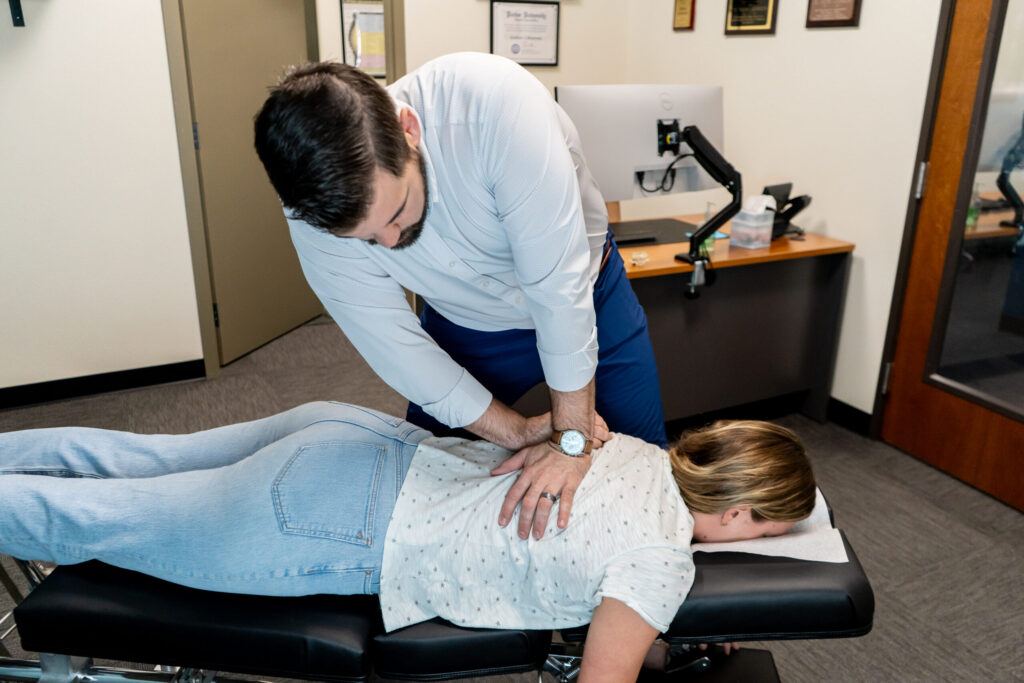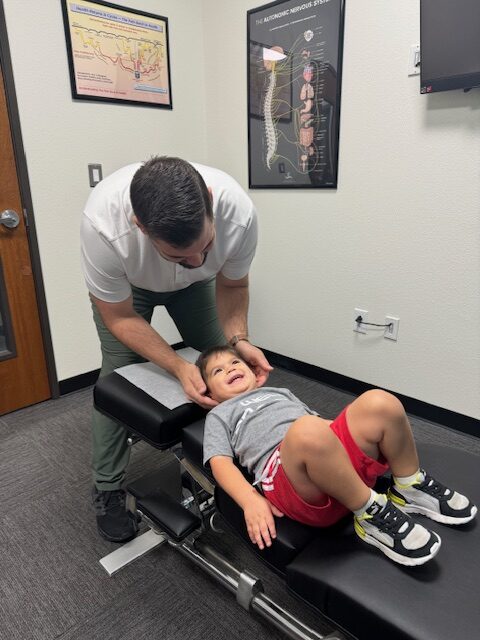

As a chiropractor, I understand how prevalent neck pain can be, and you’re certainly not alone in this struggle. Many individuals experience discomfort and tension in their necks, often due to factors such as poor posture or prolonged desk work. The good news is that there are effective home techniques that can help relieve this pain naturally.
Incorporating simple stretching exercises into your daily routine can significantly enhance your comfort levels. These stretches can help alleviate tension and improve flexibility in the neck area. Additionally, understanding how to properly utilize heat and cold therapy can be beneficial. Applying a warm compress can relax tight muscles, while cold therapy can reduce inflammation and numb sharp pain.
I encourage you to explore these practical approaches to neck pain relief, and remember that chiropractic care can also provide personalized strategies tailored to your specific needs. Together, we can create a comprehensive plan to help you achieve lasting relief and improve your overall well-being.
Understanding the Causes of Neck Pain
As a local chiropractor, I want to help you understand the various factors that can lead to neck pain and how we can work together for effective relief.
One of the most common causes is poor posture, especially if you find yourself hunched over a computer or smartphone for long periods. This can place unnecessary strain on your neck muscles, resulting in discomfort.
Another factor to consider is muscle tension, which often stems from stress or a lack of movement. If you’ve recently suffered an injury, such as whiplash from a car accident, that could also be contributing to your pain.
Additionally, sleeping in awkward positions or using a pillow that doesn’t provide adequate support can further exacerbate neck issues.
Sometimes, ongoing discomfort can be linked to degenerative conditions like arthritis, which can affect the joints in your neck.
By pinpointing the specific cause of your neck pain, we can tailor a treatment approach that’s most effective for you. Chiropractic care focuses on natural healing methods, and with a bit of awareness regarding your habits and lifestyle, we can work together to alleviate that nagging pain and improve your overall well-being.
Stretching Exercises to Alleviate Neck Tension
As a local chiropractor, I often see patients who experience tension in their necks, which can be quite discomforting.
One of the simplest yet most effective ways to alleviate this tension is through gentle stretching exercises. By incorporating movements that focus on your neck, shoulders, and upper back, you can significantly relieve discomfort and enhance your overall mobility.
Let me share some effective stretches that you can easily do at home to help ease that tightness.
Regularly practicing these stretches can complement your chiropractic care and support your body’s natural healing processes. It’s all about nurturing your body and promoting a healthier, pain-free lifestyle.
Gentle Neck Stretches
As a local chiropractor, I want to share with you some gentle neck stretches that can be incredibly beneficial for relieving tension and enhancing flexibility. These stretches are simple and can be easily incorporated into your daily routine.
Begin by finding a comfortable seated position, ensuring your back is straight. Gently tilt your head to one side, allowing your ear to move closer to your shoulder. Hold this position for 15-30 seconds before switching to the other side. This stretch helps release tightness in the neck muscles.
Next, try gently turning your head to look over one shoulder. Hold this position for the same duration, then switch to the opposite side. This movement can improve your range of motion and help alleviate stiffness.
Another effective stretch is the chin tuck. Pull your chin back toward your neck while keeping your shoulders relaxed. This exercise not only helps strengthen the muscles in your neck but also promotes better posture, which is essential for overall health.
Finally, interlace your fingers behind your head and gently press forward. You should feel a nice stretch in the back of your neck. This technique can help counteract the effects of prolonged sitting or poor posture.
I recommend incorporating these stretches into your daily routine for optimal relief and increased mobility. Remember, regular practice can make a significant difference in how you feel.
If you have any questions or need further guidance, feel free to reach out to me!
Shoulder and Upper Back
As a local chiropractor, I want to share some effective ways to alleviate neck tension by focusing on your shoulders and upper back. Many people overlook these areas, but they play a crucial role in overall neck health.
One simple technique is shoulder rolls. To perform this exercise, gently lift your shoulders towards your ears, then roll them back and down. Aim for about 10 repetitions. This movement helps to release built-up tension in the shoulder area, which can often contribute to neck discomfort.
Another beneficial stretch is the doorway stretch. Stand in a doorway and place your arms at a 90-degree angle against the door frame. Step forward slightly to feel a stretch across your chest and shoulders. Hold this position for 20 to 30 seconds. This stretch helps open up the chest, which can relieve pressure on the neck.
Additionally, don’t forget about your upper back! You can stretch this area by interlocking your fingers and reaching forward, rounding your upper back. Hold this stretch for about 20 seconds while taking deep breaths. This exercise promotes relaxation and can help ease tightness that may be affecting your neck.
Incorporating these stretches into your daily routine can make a significant difference in how your neck feels. As we focus on natural healing and maintaining a balanced body, these simple practices can contribute to your overall well-being.
The Benefits of Heat Therapy
As a local chiropractor, I often see patients struggling with neck pain, and one effective method I recommend is heat therapy. Many people may not realize how beneficial applying heat can be for alleviating discomfort. When you apply warmth to the affected area, it increases blood flow, which promotes healing and reduces stiffness in the muscles and joints. You might consider using a heating pad, a warm towel, or even enjoying a hot shower to provide relief for your aching neck.
The warmth from heat therapy works to relax tense muscles, allowing you to experience less discomfort and increased mobility. Additionally, heat can stimulate the release of endorphins—your body’s natural painkillers—which can enhance your mood and overall sense of well-being.
Whether you’re coming home after a long day or gearing up for a busy one, incorporating heat therapy into your routine can offer quick and soothing relief.
It’s important, however, to monitor the temperature to prevent burns. Regularly using heat therapy can significantly impact how you manage your neck pain, providing you with the comfort and mobility you need to go about your daily activities.
If you have any questions about incorporating heat therapy into your pain management routine or how chiropractic care can further support your healing, feel free to ask during your next visit.
Cold Therapy: When and How to Use It
As a local chiropractor, I want to share with you the incredible benefits of cold therapy for relieving neck pain, particularly after experiencing an injury or dealing with inflammation.
Understanding the right techniques for application and the recommended duration of use can greatly enhance the effectiveness of this natural healing method.
Let’s dive into how cold therapy can be a valuable tool in your recovery process and the guidelines to ensure you get the most out of it.
Benefits of Cold Therapy
As a local chiropractor, I want to share with you how cold therapy can be a powerful ally in managing neck pain, particularly following an injury or during a flare-up. Many of my patients have found great relief using this natural method.
Here are some key benefits you might experience:
- Reduces Inflammation: Cold therapy works by constricting blood vessels, which can help decrease swelling in the affected area. This is crucial for recovery and helps you feel more comfortable.
- Numbs Pain: The cold sensation can provide immediate relief by temporarily numbing the pain. This can be particularly helpful if you’re dealing with sharp or intense discomfort.
- Decreases Muscle Spasms: Applying cold can relax tight muscles, which helps prevent further strain and allows for better mobility. This is an important aspect of healing and maintaining a healthy spine.
- Enhances Recovery: After physical activity, using cold therapy can accelerate your recovery process by minimizing tissue damage. This means you can get back to your daily activities quicker and with less discomfort.
Incorporating cold therapy into your wellness routine can complement the chiropractic care you receive, promoting a more holistic approach to your health.
If you’re interested in learning more, feel free to ask during your next visit!
Application Techniques Explained
As a local chiropractor, I want to share some valuable insights on how to effectively use cold therapy for managing neck pain. Many of my patients have found great relief from incorporating this simple technique into their routine.
First and foremost, it’s important to use a cold pack or ice wrapped in a cloth to protect your skin from frostbite.
To begin, apply the cold source directly to the painful area of your neck. Focus on the base and the sides of your neck, as this is where tension tends to accumulate.
Ideally, you should keep the ice on for about 15-20 minutes at a time, allowing your skin to return to its normal temperature in between applications. This can be done several times a day, particularly after activities that tend to aggravate your neck pain.
Always remember to avoid placing ice directly on your skin, and pay attention to how your body reacts. If at any point you feel discomfort, it’s best to remove the ice immediately.
Duration and Frequency Guidelines
As your local chiropractor, I want to share some important information about managing neck pain with cold therapy. Understanding the right duration and frequency of this treatment can significantly aid in your recovery process. Here’s how to effectively incorporate cold therapy into your routine:
- Apply cold packs to the affected area for 15-20 minutes at a time. This duration is crucial to prevent any potential skin damage while still providing relief.
- Use cold therapy every 1-2 hours during the first 48 hours following your injury. This consistent application can help reduce inflammation and numb the pain effectively.
- Take breaks between applications to allow your skin to return to its normal temperature. This helps ensure that you’re using cold therapy safely and comfortably.
- Limit the use of cold therapy to the first 48 hours post-injury. After this period, it may be beneficial to switch to heat therapy, which can help relax muscles and improve circulation for continued relief.
By following these guidelines, you can maximize the benefits of cold therapy while minimizing any risks associated with its use.
Always listen to your body and adjust your approach as necessary to ensure comfort and effectiveness. If you have any questions or need further assistance, feel free to reach out during your next visit. Your journey to healing is our priority!
Proper Posture Techniques for Daily Activities
As a chiropractor, I often see how posture can play a significant role in neck pain and overall discomfort.
It’s crucial to understand that maintaining proper posture can be a simple yet effective way to prevent these issues. When sitting, ensure your back is straight, shoulders are relaxed, and your feet are flat on the floor. Position your screen at eye level to help avoid unnecessary strain on your neck.
If you find yourself standing for extended periods, remember to distribute your weight evenly on both feet and avoid locking your knees, which can lead to added tension.
When walking, keep your head held high and your shoulders back. This alignment can significantly reduce neck tension and improve your overall posture.
If you need to lift something, always bend at your knees rather than your waist, and hold the object close to your body to minimize strain.
Even during daily activities like washing dishes or cooking, it’s essential to be mindful of your posture. Keep your neck in alignment with your spine and don’t forget to take breaks to stretch.
By adopting these simple yet effective techniques, you can cultivate healthier posture habits that may alleviate neck pain and enhance your well-being.
Ergonomic Adjustments for Your Workspace
As a local chiropractor, I want to emphasize that maintaining proper posture is just the starting point for your comfort and overall health.
Making specific ergonomic adjustments to your workspace can significantly improve your comfort levels and help alleviate neck pain. Here are four key adjustments I recommend:
- Monitor Height: It’s important to position your monitor at eye level. This adjustment will help you avoid unnecessary strain on your neck by preventing you from having to tilt your head up or down.
- Chair Support: Choose a chair that provides adequate support for your lower back. A good chair should also allow your feet to rest flat on the floor, which is essential for maintaining proper posture.
- Keyboard Position: Position your keyboard at elbow height. This small change can prevent strain on your wrists and neck, ensuring that your arms are comfortably aligned while you work.
- Frequent Breaks: Remember to take short breaks every hour. These breaks are vital for stretching and changing your position, which can help reduce muscle fatigue and tension.
By making these ergonomic adjustments, you can create a healthier workspace that supports your body and reduces discomfort.
If you have any questions or need further guidance on how to implement these changes, feel free to reach out to me. Your well-being is my priority!
Using Essential Oils for Pain Relief
As a local chiropractor, I often see patients seeking relief from neck pain, and I’m here to share some natural options that can complement your chiropractic care.
Essential oils, for example, can be a wonderful addition to your pain relief routine. Oils like lavender, peppermint, and eucalyptus are well-known for their anti-inflammatory and analgesic properties, making them popular choices for alleviating discomfort.
To use these oils, simply dilute a few drops in a carrier oil, such as coconut or jojoba oil. Then, gently massage the mixture into your neck and shoulders. This not only helps ease the pain but also promotes relaxation, which is essential for healing.
You might also consider adding essential oils to a warm bath or using a diffuser to inhale their soothing aromas.
Everyone’s body reacts differently, so I encourage you to experiment with various oils to discover which ones work best for you. Just remember to perform a patch test first to ensure you don’t have any sensitivities.
Incorporating essential oils into your wellness routine can enhance your overall well-being and work in harmony with the chiropractic treatments we provide.
If you’re curious about natural remedies for pain management, I invite you to explore these options alongside your chiropractic care. Let’s work together to find the best approach for your health!
Mindfulness and Relaxation Techniques
As a local chiropractor, I often see patients who aren’t aware of the powerful benefits that mindfulness and relaxation techniques can have on alleviating neck pain.
These practices aren’t just about managing symptoms; they play a crucial role in reducing stress and tension, which can lead to a more relaxed neck and improved overall health.
Here are four effective techniques that I encourage my patients to incorporate into their daily routines:
- Deep Breathing: I recommend setting aside a few minutes each day to focus on your breath. Inhale deeply through your nose, hold it for a moment, and then exhale slowly through your mouth. This simple technique can help calm your mind and reduce tension in your neck.
- Progressive Muscle Relaxation: This method involves tensing and then relaxing each muscle group, starting from your toes and moving up to your neck and shoulders. It’s an excellent way to release built-up tension and promote relaxation in areas that may be contributing to your discomfort.
- Meditation: Taking just 5-10 minutes in a quiet space to meditate can significantly benefit your overall well-being. Focus on your breath or a calming mantra to help center your thoughts and reduce anxiety, which can often manifest as physical tension in the neck.
- Gentle Yoga: I encourage my patients to incorporate neck-specific stretches and poses into their routine. These gentle movements can improve flexibility and relieve stiffness in the neck area, complementing the care you receive in my office.
The Importance of Staying Hydrated
As a local chiropractor, I want to emphasize the critical role that hydration plays in maintaining your overall musculoskeletal health.
Staying properly hydrated is key to ensuring your muscles function optimally, which can significantly help in alleviating neck pain. When your body is lacking sufficient water, your muscles can become tense and more susceptible to discomfort and strain.
I encourage you to strive for the recommended daily water intake, as this simple habit can support your healing process and contribute to relieving that persistent neck pain.
Hydration and Muscle Function
As a local chiropractor, I want to take a moment to emphasize the importance of proper hydration for your overall muscle health, especially when it comes to neck tension and discomfort. Many people may not realize how crucial water is for our body’s muscle function. Here’s why staying hydrated is vital:
- Improved Muscle Performance: Water plays a key role in transporting essential nutrients to your muscles, which enhances their overall performance. When your muscles are well-nourished, they function more effectively, reducing the likelihood of tension.
- Reduced Muscle Cramping: Staying hydrated helps prevent cramps, which can lead to strain and pain in your neck area. When your muscles are well-hydrated, they’re less prone to cramping, allowing for smoother movement.
- Enhanced Recovery: Proper hydration is essential for recovery after physical activity. When you replenish your fluids, it helps speed up the healing process and minimizes soreness, making it easier for you to engage in your daily activities without discomfort.
- Increased Flexibility: Well-hydrated muscles are more flexible, which is important for maintaining a full range of motion and decreasing the risk of injuries. Flexibility is key to supporting your spine and neck health.
By prioritizing hydration, you’re taking a proactive step toward better muscle function and overall wellness.
Water Intake Recommendations
As a local chiropractor, I often see patients who underestimate the importance of proper hydration for their overall health and well-being. Staying adequately hydrated is crucial, not just for your general health, but specifically for maintaining muscle function in areas like your neck.
I recommend aiming for at least eight 8-ounce glasses of water daily, but it’s important to remember that everyone’s needs can differ based on factors such as activity levels, climate, and individual health conditions.
If you lead an active lifestyle or live in a warmer environment, you might find that you require more water to stay hydrated. It’s essential to listen to your body; signs like thirst, a dry mouth, or dark urine can signal that you may be dehydrated.
Additionally, incorporating hydrating foods—such as fruits and vegetables—into your diet can also contribute to your overall fluid intake.
By making hydration a priority, you can help reduce stiffness and tension in your neck and other areas, which can aid in managing and alleviating pain.
When to Seek Professional Help
As a local chiropractor, I want to emphasize the importance of knowing when to seek professional help for neck pain. While many cases can be managed with at-home care, there are specific situations where it’s essential to consult a healthcare provider, especially if you’re unfamiliar with chiropractic care and natural healing.
Here are some signs to watch for:
- Severe Pain: If you’re experiencing intense neck pain that doesn’t improve with rest or over-the-counter pain relievers, it’s crucial to get a professional evaluation. Chiropractic adjustments can often help alleviate this type of discomfort.
- Numbness or Tingling: The presence of numbness, tingling, or weakness in your arms or hands could indicate that nerves are being affected. This is a clear sign that you should seek help, as chiropractors are trained to address these issues effectively.
- Injury: If your neck pain follows a recent injury, such as a fall or car accident, don’t hesitate to reach out for an assessment. Proper evaluation is key to ensuring you don’t have any underlying issues that could worsen without intervention.
- Chronic Pain: If your neck pain persists for more than a few weeks despite your efforts at home, it’s time to consult a chiropractor. We specialize in diagnosing and treating chronic pain conditions through natural healing methods.
Seeing a chiropractor can provide you with a comprehensive diagnosis and a tailored treatment plan, which can help prevent potential complications down the line.
Don’t wait too long to seek help—your health is invaluable, and we’re here to support you on your journey to wellness!
Conclusion
As a local chiropractor, I want to share some effective home techniques that can significantly alleviate your neck pain and enhance your overall comfort. Understanding the common causes of neck pain is crucial. Many times, it stems from poor posture, stress, or repetitive strain. By incorporating targeted stretching exercises into your daily routine, you can help release tension and improve flexibility in your neck.
Additionally, utilizing heat or cold therapy can provide immediate relief. Heat can relax tight muscles, while cold therapy can reduce inflammation. Remember, maintaining good posture throughout the day is essential, as it can prevent further strain on your neck. Staying hydrated is also important, as proper hydration supports overall muscle health.
If you find that your neck pain persists or worsens despite these home techniques, I encourage you to seek professional help. Chiropractic care can offer personalized treatment plans to address your specific needs. With a little awareness and commitment to your neck health, you can take proactive steps toward a more comfortable, pain-free life.