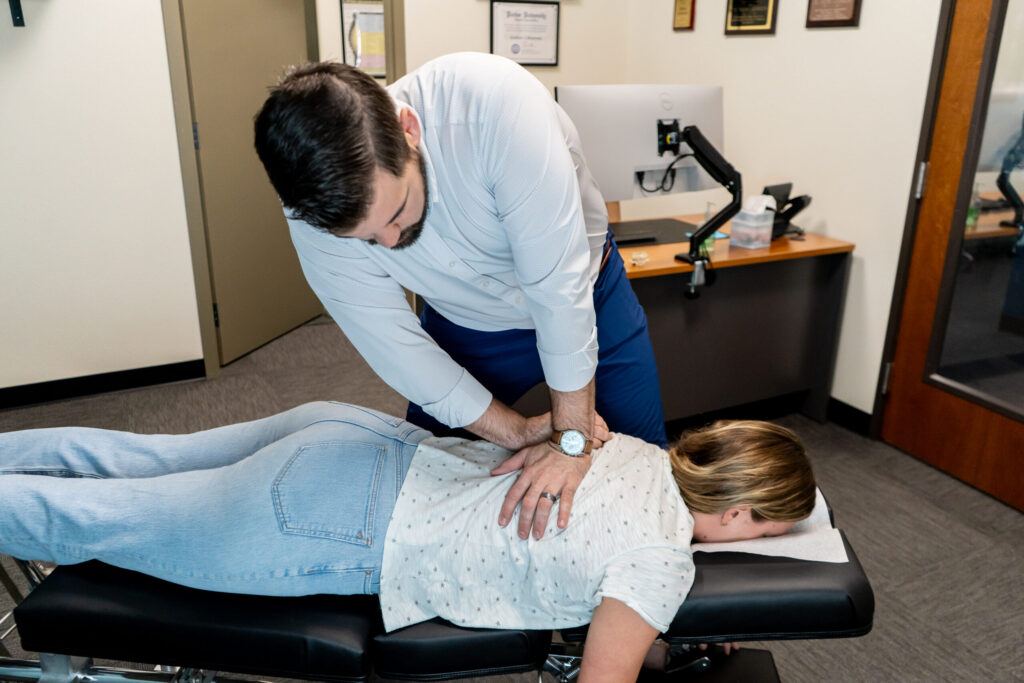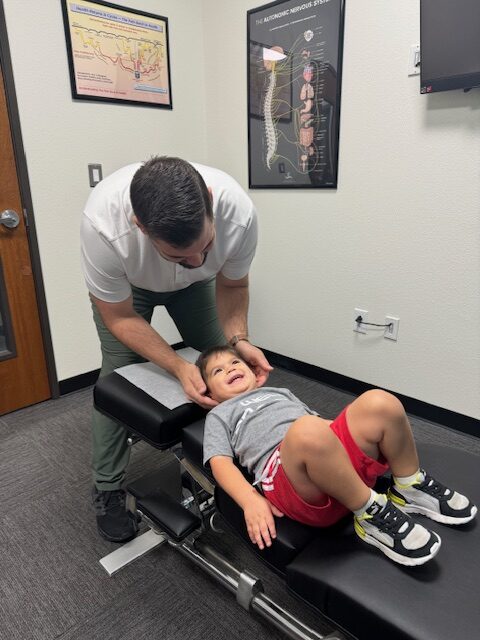

As a local chiropractor, I understand how debilitating lower back pain can be and the profound impact it can have on your daily activities. Fortunately, there are numerous treatments available that not only alleviate discomfort but also enhance your overall well-being. While many people are familiar with conventional options, I want to shed light on the benefits of chiropractic care and natural healing methods.
Chiropractic adjustments can realign your spine, relieve pressure on nerves, and promote better mobility, leading to significant pain relief. Additionally, therapies like physical therapy and acupuncture can complement chiropractic care, providing a holistic approach to healing. By understanding the various treatments available—such as massage therapy, exercise programs, and lifestyle modifications—you can make informed decisions about your health.
As we delve into these top 10 treatments, I hope to provide you with valuable insights that will guide you toward a more comfortable, pain-free life. Remember, the journey to wellness is a collaborative effort, and I'm here to support you every step of the way.
Stretching Exercises
As a local chiropractor, I want to emphasize the importance of incorporating stretching exercises into your daily routine to help alleviate lower back pain. Stretching is a natural and effective way to improve flexibility, increase blood flow, and reduce muscle tension around your spine. Just a few minutes of stretching each day can significantly enhance your overall back health.
I recommend starting with gentle stretches that specifically target your lower back and hamstrings. Simple exercises like the child's pose and seated forward bend can work wonders. These stretches not only relieve tightness but also promote proper posture, which is crucial for preventing further discomfort.
As you go through these stretches, pay attention to your breathing. Inhale deeply to lengthen your spine and exhale slowly as you deepen your stretch. This mindful combination of movement and breath can greatly enhance relaxation and reduce tension.
Additionally, don't overlook the importance of stretching your hip flexors and quadriceps. Incorporating stretches like a standing quad stretch or a lunge with a twist can help alleviate tightness in these areas, which often contribute to lower back pain.
Consistency is vital—aim to stretch at least three to four times a week to achieve the best results. Always listen to your body and be mindful of its limits. If you experience any pain during a stretch, ease back and adjust the position. It's crucial to respect your body's signals to avoid injury.
Over time, you'll likely notice improved mobility and a reduction in discomfort. By making stretching a regular part of your routine, you're taking proactive steps toward a healthier, pain-free back, which aligns perfectly with the principles of chiropractic care and natural healing.
Physical Therapy
As a local chiropractor, I want to share how chiropractic care can be a transformative solution for those dealing with lower back pain. When you visit our clinic, you can expect a personalized treatment plan designed specifically for your individual needs. This plan often includes a combination of spinal adjustments, exercises, and lifestyle recommendations aimed at enhancing your overall well-being.
During your visits, I'll guide you through gentle adjustments that focus on aligning your spine and improving your body's function. These adjustments help relieve pressure on your nerves, reduce muscle tension, and promote better movement, all of which contribute to alleviating lower back pain.
I'll also teach you about proper body mechanics to ensure you're moving correctly during your daily activities, which can further reduce discomfort. In addition to spinal adjustments, I may suggest complementary therapies such as heat, cold therapy, or therapeutic exercises to help manage inflammation and ease pain.
Education on posture and ergonomics is also a crucial part of our approach, providing you with practical tools to manage your pain effectively at home or in the workplace.
One of the greatest benefits of chiropractic care is that it empowers you to take an active role in your healing process. You'll learn to recognize triggers that may exacerbate your pain and how to adjust your lifestyle accordingly to minimize discomfort.
With dedication and regular visits, chiropractic care can lead to significant improvements in your quality of life, allowing you to return to the activities you enjoy without the burden of pain. If you're seeking relief from lower back pain, I encourage you to consider the natural healing benefits of chiropractic care.
Chiropractic Care
As your local chiropractor, I want to share with you the benefits of chiropractic care, particularly how it can effectively address lower back pain through spinal manipulation techniques.
Many patients find that by receiving regular adjustments, they not only alleviate discomfort but also enhance their overall mobility.
Understanding these benefits is essential in determining if chiropractic treatment is the right path for your health journey.
I encourage you to explore how natural healing methods can improve your well-being and help you lead a more active, pain-free life.
Spinal Manipulation Techniques
As a local chiropractor, I want to take a moment to educate you about spinal manipulation techniques and how they can provide effective relief from lower back pain. Many people come to us seeking natural solutions to their discomfort, and spinal manipulation is a hands-on approach that focuses on realigning your spine to enhance your overall mobility.
When you visit my practice, I'll carefully assess your condition to determine the best treatment plan tailored specifically to your needs. Each session may involve a variety of techniques, ranging from high-velocity thrusts to gentler methods, depending on your comfort level and pain intensity.
Many of my patients experience immediate relief as we work to release tension in their muscles and joints. The goal of spinal manipulation isn't just to relieve pain but also to improve your body's overall function. By restoring proper alignment, we can reduce nerve irritation and enhance blood flow, which promotes healing.
It's normal to feel some soreness after a session, but most of my patients find that this discomfort is temporary and quickly outweighed by the benefits they experience.
It's important to me that you feel comfortable and informed throughout your treatment. I encourage open communication about any specific concerns or preferences you may have regarding your care.
Together, we can create a personalized plan that effectively addresses your lower back pain and helps you return to your daily activities with greater ease and confidence. If you have any questions about chiropractic care or natural healing, please don't hesitate to ask!
Benefits of Regular Adjustments
As a local chiropractor, I want to share with you the incredible benefits of incorporating regular adjustments into your health routine. Many people aren't familiar with how chiropractic care can enhance their quality of life, so let me break it down for you. Here are four key advantages to consider:
- Pain Relief: One of the most significant benefits of regular adjustments is pain relief. If you're suffering from lower back pain, chiropractic care can effectively reduce muscle tension and improve joint function, helping you feel more comfortable and mobile.
- Improved Mobility: Our bodies can become misaligned over time, leading to restrictions in movement. By addressing these misalignments through chiropractic adjustments, we can enhance your range of motion. This means that everyday activities, whether it's playing with your kids or enjoying a walk, become much easier and more enjoyable.
- Better Posture: Poor posture is a common issue that many people face, often resulting in back strain and discomfort. Consistent adjustments can help correct these imbalances, promoting better posture and reducing the risk of future pain.
- Stress Reduction: Did you know that chiropractic care can also help reduce stress? Regular adjustments promote relaxation and can significantly lower your stress levels. This not only benefits your physical health but also enhances your mental clarity and overall well-being.
By making regular adjustments a part of your health regimen, you're not just treating existing issues; you're also taking proactive steps to prevent future problems.
Prioritizing your spinal health is an investment in a more active, pain-free lifestyle. It allows you to fully engage in the activities you love and enjoy life to the fullest.
If you have any questions about how chiropractic care can benefit you, feel free to reach out—I'm here to help!
Massage Therapy
As a local chiropractor, I want to share how massage therapy can be an excellent complement to your chiropractic care, especially for alleviating lower back pain.
By promoting relaxation and enhancing circulation, massage therapy can play a vital role in your healing journey. There are various techniques available that can specifically target areas of discomfort, ultimately enhancing your overall well-being.
It's also important to understand the recommended frequency and duration of your massage sessions, as this knowledge can empower you to maximize the benefits and achieve lasting relief.
Together with chiropractic adjustments, massage therapy can support your body's natural healing processes.
Benefits of Massage Therapy
As a local chiropractor, I often emphasize the importance of holistic approaches to health, particularly when it comes to managing lower back pain. One effective method that I frequently recommend is massage therapy, which offers numerous benefits that can significantly enhance your healing journey.
Many people are surprised by how beneficial this hands-on technique can be in alleviating discomfort and supporting overall wellness. Here are four key advantages of incorporating massage therapy into your routine:
- Pain Relief: Massage therapy effectively reduces muscle tension and can alleviate lower back pain, offering you immediate relief that can complement your chiropractic treatments.
- Improved Circulation: Engaging in massage therapy enhances blood flow to your back and surrounding areas. This increased circulation not only promotes healing but also ensures that essential nutrients reach your muscles, fostering recovery.
- Reduced Stress and Anxiety: Chronic pain is often exacerbated by stress and anxiety. Massage therapy provides a relaxing experience that can help calm your mind and body, thereby improving your overall pain tolerance and quality of life.
- Increased Flexibility: Regular massage sessions can enhance your range of motion and flexibility. This improvement allows you to participate in daily activities more freely and comfortably, supporting the adjustments and care you receive from chiropractic treatments.
By integrating massage therapy with chiropractic care, you can optimize your healing and work towards a healthier, pain-free life.
If you're curious about how these therapies can work together for your specific needs, feel free to reach out for more information!
Techniques for Pain Relief
As a local chiropractor, I want to share how various techniques in massage therapy can significantly enhance your pain relief journey. Many of my patients find that deep tissue massage effectively targets the underlying muscles and fascia, which helps release tension and alleviate pain, particularly in the lower back area.
When a skilled therapist applies firm pressure, they can break up muscle knots and improve circulation, ultimately promoting the healing process.
Another technique I often recommend is trigger point therapy. This approach involves applying pressure to specific tight areas within your muscles, which can reduce referred pain and help restore normal function.
Additionally, myofascial release is a beneficial method that focuses on easing restrictions in the connective tissue surrounding your muscles. This gentle technique can lead to considerable relief and increased mobility.
Swedish massage is also a valuable option, offering a more gentle touch that still aids in relaxing muscles and enhancing blood flow. By combining these techniques, you can experience a customized treatment tailored to your specific needs.
It's essential to communicate openly with your therapist about what feels comfortable and what does not.
Frequency and Duration
As a local chiropractor, I want to share some important insights about massage therapy and its role in relieving lower back pain. Understanding the frequency and duration of your sessions can significantly improve your recovery and overall comfort. Here are some key points to consider:
- Session Frequency: It's beneficial to start with weekly sessions. This consistency allows your muscles and tissues to adapt and aids in the healing process.
- Session Duration: Each of your massage sessions should ideally last between 60 to 90 minutes. This timeframe enables the therapist to thoroughly address specific problem areas.
- Duration of Treatment: I recommend committing to a treatment plan for at least four to six weeks. This duration allows you to see noticeable improvements and helps establish a regular routine for your recovery.
- Personalization: Remember, everyone's body responds differently to treatment. It's important to communicate with your therapist about your pain levels and progress so adjustments can be made to your frequency and duration of sessions as needed.
Heat and Cold Therapy
As your local chiropractor, I want to share with you the benefits of heat and cold therapy for managing lower back pain. These natural methods can effectively address pain and inflammation, allowing you to find relief and enhance your mobility.
When you apply heat, it works to increase blood flow to the affected area, which promotes healing and helps to relax tight muscles. You might consider using a heating pad, a hot water bottle, or even enjoying a warm bath to harness these benefits. Just remember to wrap any heat source in a cloth to protect your skin from burns, and keep each session to about 15-20 minutes.
On the flip side, cold therapy is fantastic for reducing inflammation and numbing sharp pain. Ice packs or gel packs are excellent tools for this purpose. When you apply cold, it constricts the blood vessels, effectively reducing swelling. For optimal results, apply the cold pack for 15-20 minutes as well, ensuring you use a cloth barrier to safeguard your skin.
Timing is crucial when utilizing these therapies. If you're dealing with a recent injury, I recommend starting with cold therapy for the first 48 hours. After that, you can transition to heat to further promote healing. Alternating between heat and cold can also provide significant relief, making this approach quite versatile.
Always listen to your body. If either heat or cold intensifies your pain, stop using it immediately.
Over-the-Counter Medications
As a local chiropractor, I often see patients struggling with lower back pain, and I want to share some insights about managing this discomfort effectively.
Over-the-counter medications can provide quick relief, but it's important to understand how they work and how to use them safely. Common options like NSAIDs (nonsteroidal anti-inflammatory drugs) and acetaminophen can be helpful, but knowing the correct dosage and potential side effects is crucial to avoid complications.
While these medications may alleviate pain temporarily, I encourage you to consider holistic approaches as well. Chiropractic care focuses on addressing the root cause of your pain, promoting natural healing, and improving your overall well-being.
By incorporating spinal adjustments and other natural therapies, you can't only manage your pain more effectively but also enhance your body's ability to heal itself.
Let's explore how combining these methods can lead to a more sustainable solution for your back pain.
Common OTC Pain Relievers
As a local chiropractor, I often see patients seeking relief from lower back pain, and one of the first steps many consider is using common over-the-counter (OTC) pain relievers.
While these medications can offer temporary relief by reducing inflammation and alleviating discomfort, I encourage you to also explore natural healing methods that can address the root causes of your pain.
However, if you're considering OTC options, here are four popular choices to be aware of:
- Ibuprofen: This non-steroidal anti-inflammatory drug (NSAID) is commonly used to reduce inflammation and provide pain relief. It's often recommended for acute back pain and can help you feel more comfortable while you seek out chiropractic treatment.
- Acetaminophen: While it doesn't have anti-inflammatory properties, acetaminophen effectively reduces pain levels and is generally gentler on the stomach compared to NSAIDs. This can be a good option for those who experience stomach sensitivity.
- Naproxen: Another NSAID, naproxen offers longer-lasting relief than ibuprofen, making it beneficial for managing chronic pain. However, it's important to remember that addressing the underlying issues with chiropractic care can lead to more sustainable results.
- Aspirin: This classic pain reliever also possesses anti-inflammatory properties, making it a viable option for lower back pain. However, it may not be suitable for everyone due to potential side effects, so it's essential to be mindful of your individual health conditions.
Before starting any OTC medication, I highly recommend consulting with your healthcare provider or chiropractor.
Together, we can determine the best approach for your specific situation.
Remember, while OTC pain relievers can be a helpful short-term solution, incorporating chiropractic care and natural healing practices can lead to long-term relief and improved well-being.
Take that first step toward a healthier back today!
Dosage and Safety Tips
As a local chiropractor dedicated to promoting natural healing and overall wellness, I want to share some important information about managing lower back pain, particularly when it comes to over-the-counter (OTC) medications. Understanding the appropriate dosage and safety tips is crucial for effective pain management.
When considering OTC pain relievers like ibuprofen or acetaminophen, it's essential to adhere to the instructions provided on the label. For adults, the standard dosage for ibuprofen is typically 200-400 mg every 4-6 hours, with a daily limit of 1,200 mg unless otherwise advised by a healthcare professional.
Acetaminophen, on the other hand, generally allows for up to 1,000 mg every 6 hours, with a maximum of 3,000 mg per day.
It's also important to take your individual health conditions into account. If you have liver issues, it's best to steer clear of acetaminophen. Conversely, if you struggle with stomach problems or high blood pressure, you should exercise caution with ibuprofen. Staying hydrated and taking these medications with food can help minimize any potential stomach irritation.
I advise against mixing different OTC medications without consulting a healthcare provider first, as this can lead to serious side effects. If your pain persists for more than a few days or worsens, it's vital to seek professional medical advice.
While self-medicating might seem convenient, prioritizing your safety is essential to ensure effective relief from lower back pain.
Remember, chiropractic care focuses on addressing the root causes of pain and promoting natural healing. If you're interested in exploring alternatives to medication, I encourage you to consider a holistic approach that includes chiropractic adjustments, exercise, and lifestyle modifications.
Your health and well-being are my top priorities!
Prescription Medications
Managing lower back pain is a common concern, and as a local chiropractor, I want to help you understand your options, including the use of prescription medications. While I primarily focus on natural healing methods, it's important to recognize that some individuals may require additional support through medication.
Here's a brief overview of common types of prescription medications that may come into play:
- Narcotics: These are strong pain relievers, such as oxycodone or hydrocodone, often prescribed for severe pain. While they can provide relief, they come with a risk of addiction and are typically recommended for short-term use. I encourage exploring natural alternatives first, as they can often be effective without the risks associated with narcotics.
- Muscle Relaxants: Medications like cyclobenzaprine or methocarbamol can help ease muscle spasms that contribute to lower back pain. However, they may cause drowsiness, so it's essential to use caution if you need to drive or operate machinery. Chiropractic adjustments and physical therapy can often help with muscle tension without the need for these medications.
- Anti-inflammatory Drugs: Prescription-strength nonsteroidal anti-inflammatory drugs (NSAIDs), such as naproxen or diclofenac, can help reduce inflammation and alleviate pain. While they can be effective, I always recommend discussing the potential for natural anti-inflammatory options with your healthcare provider or me, as they might suit your needs without side effects.
- Antidepressants: Certain antidepressants, like amitriptyline, can be prescribed to manage chronic pain by changing how pain is perceived. If you're also dealing with symptoms of depression, it's vital to address both issues holistically. Chiropractic care can support your overall well-being and address both physical and emotional pain.
Before considering any new medication, I strongly advise consulting your healthcare provider. They can guide you through the benefits and potential side effects and help you find the best approach for your lower back pain.
I also encourage you to explore chiropractic treatments, which focus on natural healing methods to address the root causes of pain and improve your overall health. Together, we can create a personalized plan that works for you.
Acupuncture
As a local chiropractor, I want to share with you the benefits of natural healing methods, including acupuncture, which can be an effective therapy for lower back pain. This ancient practice involves the insertion of thin needles into specific points on the body to stimulate the nervous system and promote natural healing.
You may be surprised to learn that acupuncture can help reduce inflammation, enhance circulation, and trigger the release of endorphins—your body's natural pain relievers.
When you visit an acupuncturist, they'll assess your condition and identify the most effective points to target for your lower back pain. Many patients find the experience to be quite calming and report feeling relaxed during the session.
While some may notice a reduction in pain after just one visit, a series of treatments often leads to the most significant improvement.
Although the precise mechanisms of acupuncture are still being studied, research has demonstrated its effectiveness in alleviating various types of pain, including lower back pain.
If you're looking for a drug-free alternative, acupuncture is certainly worth considering as part of your overall health strategy.
It's important to remember that everyone's response to acupuncture can differ. Some individuals may experience immediate relief, while others might take a little longer to see substantial changes.
I encourage open communication with your acupuncturist about your pain levels and any concerns you may have.
Before beginning any treatment, it's wise to consult your healthcare provider, especially if you have any pre-existing health conditions.
Yoga and Pilates
As a local chiropractor dedicated to your health and well-being, I often recommend incorporating yoga and Pilates into your routine, especially if you're dealing with lower back pain.
These practices can be incredibly beneficial, focusing on core strengthening, flexibility, and posture—all of which play a crucial role in alleviating discomfort and promoting healing.
Here are four key benefits of yoga and Pilates that I encourage my patients to consider for lower back pain relief:
- Strengthening Core Muscles: Both yoga and Pilates emphasize the importance of a strong core. When your core muscles are strong, they provide essential support to your spine, which can significantly reduce the strain and pain you may experience in your lower back.
- Improving Flexibility: Engaging in these practices can enhance flexibility in your back, hips, and legs. Improved flexibility helps to relieve tension and can prevent injuries in the future, which is vital for maintaining a healthy spine.
- Promoting Better Posture: Yoga and Pilates teach you about proper alignment and body awareness. Good posture is essential for minimizing stress on your back, allowing you to stay comfortable throughout your daily activities.
- Stress Reduction: Incorporating breathing techniques and mindfulness into your routine can greatly reduce stress levels. Lower stress can decrease muscle tension, which is often a contributing factor to back pain.
If you're interested in exploring these methods, I recommend joining a local class or following online tutorials that focus on exercises specifically designed for lower back pain relief.
Always listen to your body, and if you encounter any discomfort, feel free to modify the movements or consult with me or another healthcare professional.
With consistent practice, yoga and Pilates can become powerful allies in your journey toward a pain-free back and overall wellness.
Lifestyle Modifications
As a local chiropractor dedicated to helping you find natural relief from lower back pain, I want to share some simple lifestyle modifications that can make a significant difference in your well-being. You may not realize it, but small adjustments to your daily routine can lead to remarkable improvements in your back health.
First and foremost, let's talk about posture. Whether you're working at a desk, cooking, or simply standing, maintaining proper alignment is crucial. Poor posture can strain your back, but by consciously correcting your alignment, you can alleviate some of that pressure.
Investing in ergonomic furniture that supports the natural curve of your spine can also be beneficial. Remember to take regular breaks to stretch and move throughout the day—your back will thank you!
Next, let's consider your activity level. Regular exercise is vital for strengthening your core muscles, which provide essential support to your back. I recommend low-impact activities like walking, swimming, or cycling. Aim to incorporate at least 30 minutes of physical activity into your daily routine.
Consistency is key, and even small amounts of movement can lead to significant improvements over time.
Weight management is another critical aspect of back health. Carrying excess weight can add unnecessary stress to your lower back. If you find yourself in this situation, adopting a balanced diet and committing to regular exercise can help you shed those extra pounds and improve your back's condition.
Finally, let's discuss your sleep habits. A good mattress and supportive pillow can make a world of difference in how your back feels. Choose a mattress that supports your spine's natural curve, and use pillows that help maintain alignment while you sleep.
Quality rest is vital for healing and overall health.
Conclusion
As a local chiropractor, I want to emphasize how important it is to find the right treatment for lower back pain, as it can significantly enhance your overall quality of life. Chiropractic care is a natural and effective option that focuses on aligning the spine and improving your body's function. Alongside chiropractic adjustments, I recommend considering physical therapy and acupuncture, as they each provide unique advantages to aid in your recovery.
Additionally, incorporating lifestyle modifications can play a crucial role in your healing process. Practices such as yoga and Pilates not only strengthen your core muscles but also enhance flexibility, which can be beneficial for your back. By exploring these top treatments, you're taking a proactive approach toward achieving lasting relief and promoting a healthier back. Let's work together on this journey to help you regain your comfort and mobility!