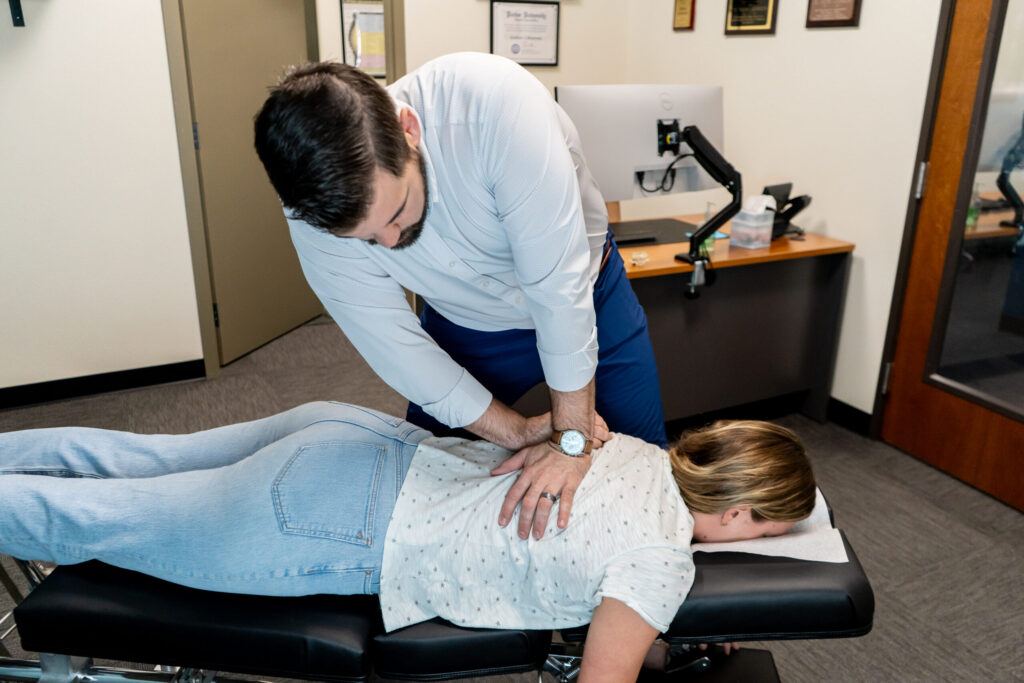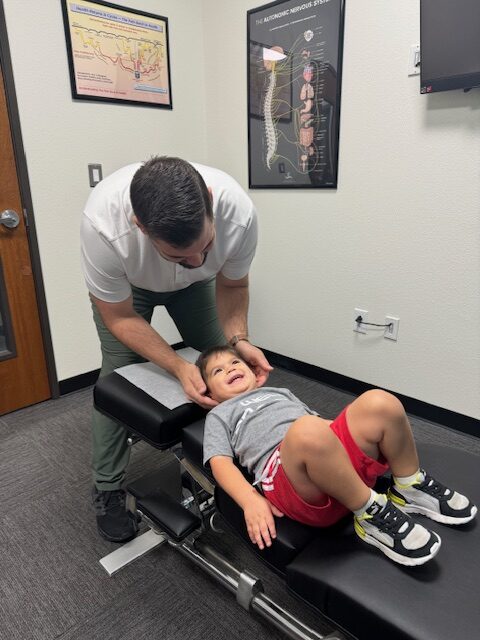

As a local chiropractor, I understand that many of you may be experiencing stiffness or discomfort in your neck. It’s important to know that enhancing neck mobility can be simple and effective. By making a few key adjustments in your daily routine, you can significantly improve your flexibility and overall comfort.
First, let’s talk about the importance of evaluating your posture. Poor posture can contribute to neck issues, so being mindful of how you sit and stand is crucial. Next, incorporating daily stretches tailored for the neck can greatly help alleviate tension. Each of these adjustments plays a vital role in your journey toward better neck health.
Are you curious about how to implement these changes in your daily life? Together, we can explore the essential steps you can take to enhance your neck mobility and promote natural healing. Your comfort and well-being are our top priorities, and I’m here to guide you every step of the way.
Assess Your Posture
As a local chiropractor, I often see patients who are unaware of how their posture can significantly impact their neck mobility. Many people don’t realize that poor posture can lead to tightness and restricted movement in the neck. When you slouch or hunch over, you put unnecessary strain on the muscles that support your neck, making it more difficult to turn or tilt your head comfortably.
To help you assess your posture, I recommend standing in front of a mirror. Take a moment to check if your ears are in line with your shoulders and if your spine appears straight. Pay attention to any rounding in your upper back or a forward head position—these misalignments can contribute to discomfort and limited neck movement.
While sitting, ensure that your feet are flat on the ground and that your back is fully supported by your chair. Making a conscious effort to adopt a more aligned posture can greatly enhance your neck mobility.
Incorporate Daily Stretches
As a local chiropractor, I want to emphasize the importance of incorporating daily stretches into your routine, especially for improving neck mobility.
Many of my patients are surprised to learn how simple neck stretches can alleviate tension and enhance flexibility when practiced consistently.
It’s not just about the stretches themselves; pairing them with proper breathing techniques can significantly boost their effectiveness.
By dedicating just a few minutes each day to these practices, you can make a noticeable difference in your neck health and overall well-being.
Simple Neck Stretches
As a local chiropractor, I want to share with you the importance of daily neck stretches for enhancing mobility and relieving tension in your neck and upper back. Many people may not realize how beneficial simple stretches can be for overall well-being.
To begin, try tilting your head to one side, bringing your ear toward your shoulder. Hold this position for 15-30 seconds, and you should feel a gentle stretch along the opposite side of your neck. This helps to alleviate stiffness and improve flexibility.
Next, gently rotate your head to look over one shoulder, then the other. Hold each turn for about 15 seconds. This rotation can help release any tightness and improve your range of motion.
Another effective stretch is the chin tuck. Gently pull your chin back toward your neck while keeping your shoulders relaxed. This exercise can counteract the forward head posture that many of us develop from prolonged sitting or screen time.
Lastly, clasp your hands behind your head and gently push down. You should feel a soothing stretch in both your upper back and neck.
By incorporating these simple stretches into your daily routine, you can enhance your flexibility and reduce discomfort.
Consistent Stretching Routine
As a local chiropractor, I want to emphasize the importance of incorporating neck stretches into your daily routine to enhance your overall well-being. A consistent practice not only improves flexibility but also alleviates tension in the neck area.
Here’s a straightforward list of stretches that I recommend to my patients for daily practice:
- Neck Tilts: Gently tilt your head from side to side, holding each position for about 15 seconds. This helps to relieve tightness in the muscles along the sides of your neck.
- Chin Tucks: Pull your chin in towards your neck, creating a “double chin” effect. Hold this position for 5 seconds. This exercise strengthens the muscles that support your neck and promotes better posture.
- Neck Rotations: Slowly turn your head from side to side, pausing at each end. This motion helps to increase the range of motion and reduce stiffness.
- Shoulder Shrugs: Lift your shoulders towards your ears, hold briefly, and then release. This stretch can relieve tension in both the neck and shoulders.
By integrating these simple stretches into your daily routine, you can experience lasting improvements in neck mobility and overall comfort.
If you have any questions or need further guidance on how to perform these stretches correctly, feel free to ask during your next visit!
Incorporate Breathing Techniques
As a chiropractor, I want to share with you the importance of incorporating breathing techniques into your neck stretching routine. These practices can significantly enhance your experience and overall well-being.
When you’re engaging in neck stretches, focus on deep, diaphragmatic breaths. This type of breathing promotes relaxation and increases blood flow to your muscles, which is crucial for healing and mobility.
As you perform your stretches, take a deep breath in through your nose, allowing your abdomen to rise as you fill your lungs. Then, exhale slowly through your mouth. This rhythmic breathing not only helps you stay present but also reduces tension in your neck, which is often a common area of discomfort for many.
I encourage you to coordinate your breaths with your movements. For example, inhale deeply as you gently lengthen your neck, and exhale as you slowly deepen the stretch.
Use Ergonomic Furniture
As a local chiropractor, I want to emphasize the importance of using ergonomic furniture for maintaining neck mobility and overall comfort.
Many of my patients often overlook how their workspace can significantly impact their health. When you select the right chair and adjust your desk height appropriately, you can greatly alleviate strain on your neck and spine.
This simple adjustment can make a world of difference in your daily routine, helping to prevent discomfort and promote better posture.
Let’s delve into how these choices can enhance your well-being and support your natural healing process.
Importance of Ergonomics
As a chiropractor, I want to emphasize the crucial role your neck plays in your overall mobility and well-being.
It’s vital to prioritize ergonomics in your workspace to maintain a healthy spine and prevent discomfort. By investing in ergonomic furniture, you can support your neck and encourage better posture, which is essential for your long-term health.
Here are some significant benefits to consider:
- Reduces Strain: Ergonomic furniture is designed to minimize tension in your neck and shoulders, helping to alleviate discomfort that can lead to chronic issues.
- Improves Comfort: With adjustable desks and chairs, you have the ability to customize your workspace, ensuring that your body is aligned properly as you work.
- Enhances Productivity: When you’re comfortable, you’re able to concentrate better and work more efficiently throughout the day, which is beneficial for both your professional and personal life.
- Prevents Injuries: By adopting proper ergonomic practices, you can significantly reduce the risk of chronic pain and injuries that often arise from poor posture habits.
Investing in an ergonomic workspace isn’t just about comfort; it’s about supporting your overall health and well-being.
As you consider these changes, remember that a healthy spine is key to a healthy life!
Choosing the Right Chair
Choosing the right chair is essential for maintaining your neck mobility and overall comfort while you work. As a chiropractor, I want to emphasize the importance of using an ergonomic chair that supports your body’s natural posture. This type of chair can significantly reduce strain on your neck and shoulders, which is crucial for preventing discomfort and potential injuries.
When selecting a chair, look for features such as adjustable height, lumbar support, and armrests. These adjustments play a vital role in helping you maintain a neutral spine, ensuring that your neck remains properly aligned with your spine throughout the day.
A chair with a comfortable cushion is also beneficial, as it allows you to sit for extended periods without experiencing discomfort.
If possible, I encourage you to try out various chairs before making a decision; everyone’s body is unique, and what works for one person may not work for another.
Desk Height Considerations
As a local chiropractor, I want to emphasize the importance of desk height and how it can significantly affect your neck mobility and overall comfort. Many people may not realize that an ergonomic workspace is essential for maintaining good posture and preventing neck pain.
Here are four key factors to consider when setting up your desk:
- Elbow Position: When you sit at your desk, make sure your elbows are bent at a 90-degree angle while your hands rest on the keyboard. This alignment helps to reduce strain on your neck and shoulders.
- Monitor Height: Your monitor should be positioned so that the top of the screen is at or just below your eye level. This will help you keep your neck in a neutral position, minimizing strain as you look at your work.
- Foot Placement: It’s important to keep your feet flat on the ground or supported by a footrest. Proper foot placement promotes stability and can help alleviate pressure on your lower back, which in turn supports your neck.
- Wrist Alignment: While typing, ensure that your wrists remain straight. This simple adjustment can prevent unnecessary tension and discomfort, allowing for better overall hand and neck function.
By making these adjustments to your workspace, you can significantly enhance your neck mobility and comfort during long hours of work.
Adjust Your Workstation Setup
As your local chiropractor, I want to emphasize the importance of setting up your workstation correctly. Making simple adjustments can significantly enhance your neck mobility and alleviate discomfort often experienced during long hours at a desk.
First, ensure your monitor is positioned at eye level. This adjustment prevents you from straining your neck to see the screen, which can lead to tension and discomfort over time.
Next, your chair should allow your feet to rest flat on the floor, with your knees aligned at hip level. This position promotes a neutral spine and helps reduce strain on your neck and back.
Using a chair that offers good lumbar support is also essential for maintaining proper posture while you work. Additionally, keep items that you use frequently within arm’s reach. This minimizes the need to twist or lean, which can exacerbate neck issues.
When it comes to typing, make sure your keyboard is at a height where your elbows can stay close to your body, ideally forming a 90-degree angle. This will help you maintain a relaxed position while you work.
If you take phone calls often, consider using a headset instead of cradling the phone between your neck and shoulder, as this can lead to further strain.
Practice Mindfulness and Relaxation Techniques
As a chiropractor, I understand that many of you may feel overwhelmed by the demands of daily life, making it difficult to find time for self-care.
However, incorporating mindfulness and relaxation techniques into your routine can be incredibly beneficial for your neck mobility and overall well-being. By prioritizing both your mental and physical health, you can alleviate tension and enhance flexibility in your neck.
Here are four effective techniques I recommend:
- Deep Breathing: Start by inhaling deeply through your nose, pausing for a few seconds, and then exhaling slowly through your mouth. This practice not only calms the mind but also relaxes the muscles, creating a sense of peace.
- Progressive Muscle Relaxation: This technique involves tensing and then relaxing each muscle group, beginning with your toes and working your way up to your neck. It’s a wonderful way to release built-up tension and promote relaxation throughout your body.
- Gentle Neck Stretches: While sitting comfortably, gently tilt your head from side to side and forward and backward. Hold each position for a few seconds to help ease tightness and improve your neck’s range of motion.
- Meditation: Take a few minutes to focus solely on your breath. Allow any thoughts that arise to pass without judgment. This practice can help center your mind and contribute to a sense of calm.
By integrating these simple yet effective practices into your daily routine, you can support your neck mobility and overall health.
Stay Hydrated and Maintain a Healthy Diet
As a local chiropractor, I want to emphasize the importance of proper hydration and a balanced diet in supporting your neck mobility and overall health. Staying well-hydrated is crucial; when you drink enough water, it helps keep your muscles lubricated, which can significantly reduce stiffness and discomfort in your neck.
Remember, dehydration can lead to muscle cramps and tension, so I encourage you to sip water consistently throughout the day.
In addition to hydration, it’s vital to focus on incorporating nutrient-rich foods into your daily meals. Foods that are high in omega-3 fatty acids, such as salmon and walnuts, can help reduce inflammation in your body.
Leafy greens are also essential, as they provide vital vitamins and minerals that support muscle function. Don’t overlook the importance of protein, which plays a key role in repairing and strengthening your muscles.
To keep your body energized and your neck agile, aim for a diverse intake of fruits, vegetables, lean proteins, and whole grains.
Consult a Professional for Guidance
As a local chiropractor, I want to emphasize the importance of seeking professional guidance to enhance your neck mobility. Many people are unaware of how chiropractic care can significantly improve their neck health, and I’m here to explain how we can help you.
- Comprehensive Assessment: During your first visit, I’ll conduct a thorough evaluation of your neck’s range of motion and any underlying issues that may be contributing to discomfort or stiffness.
- Tailored Treatment Plans: Based on my assessment, I’ll create a personalized plan that includes specific exercises aimed at strengthening your neck muscles and improving flexibility.
- Chiropractic Adjustments: One of the most effective methods we use is spinal manipulation. These hands-on techniques help relieve tension and restore proper alignment, which can greatly enhance your neck mobility.
- Ongoing Care and Support: Regular follow-up appointments will allow us to monitor your progress, make any necessary adjustments to your treatment plan, and ensure you stay on track toward achieving your goals.
Don’t hesitate to reach out for guidance on your neck health. Investing in chiropractic care today can lead to substantial improvements in your daily life, alleviating pain and boosting your overall well-being.
Conclusion
As a local chiropractor, I want to share some valuable insights on enhancing your neck mobility through simple adjustments and mindful practices. Improving your neck health is all about being consistent in your efforts. Start by evaluating your posture—this is crucial for maintaining a healthy spine and neck alignment. Incorporating daily stretches can significantly increase flexibility and reduce tension.
I also recommend investing in ergonomic furniture to create a more supportive environment for your neck while you work or relax. Adjusting your workstation setup can make a world of difference; ensure your computer screen is at eye level and your chair provides adequate support for your back and neck.
In addition to these physical adjustments, practicing relaxation techniques can help alleviate stress that often contributes to neck discomfort. Don’t underestimate the importance of hydration and a balanced diet; both play a vital role in your overall health and well-being.
Lastly, I encourage you to consult with a professional, like myself, who can provide personalized guidance and tailored treatment plans. By embracing these steps, you’ll not only enhance your neck mobility but also improve your overall quality of life. Trust me, you’ll feel the difference in no time!