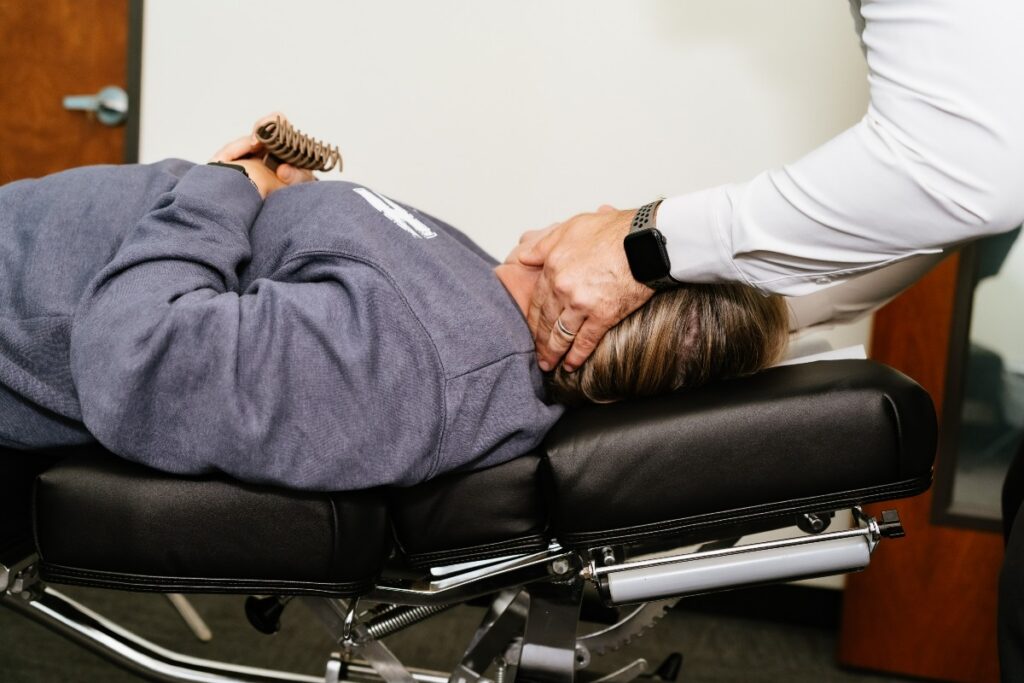

As a local chiropractor dedicated to the well-being of infants and toddlers, I want to share the importance of understanding their unique anatomy and needs. You may be surprised to learn how gentle chiropractic techniques can significantly enhance their comfort and support their recovery. From soft adjustments to safe home remedies, every approach is vital in ensuring their safety and promoting overall health.
So, what best practices can you adopt to address common ailments and create a nurturing environment for your little ones? Let's delve into these gentle techniques together and discover the most effective methods for fostering their well-being through natural healing. By embracing chiropractic care, you can play an active role in your child's health journey, ensuring they thrive in a safe and supportive atmosphere.
Understanding Infant and Toddler Anatomy
As a local chiropractor, I want to share some crucial insights about infant and toddler anatomy that can enhance your understanding of their unique physiological needs and how chiropractic care can support their development.
Firstly, infants and toddlers have proportionally larger heads compared to their bodies, which can influence their balance and coordination. Their soft skulls are designed to accommodate rapid brain growth, but this also necessitates gentle handling to prevent potential injury. By appreciating this, we can ensure that any physical interactions, including chiropractic adjustments, are safe and supportive, promoting optimal development.
Their skin is considerably thinner and more sensitive than that of older children and adults, which is why it's essential to use gentle techniques and products in all aspects of caregiving, including when considering chiropractic treatments.
Their respiratory systems are still maturing, with smaller airways that can easily become obstructed. This underscores the importance of careful monitoring, especially during illness or when they show signs of respiratory distress.
Moreover, the immune systems of infants and toddlers are still developing, making them more vulnerable to infections. Understanding this highlights the critical role of hygiene and the need to minimize their exposure to germs, particularly in a chiropractic setting where we strive to maintain a clean and safe environment.
As their digestive systems are also still maturing, introducing solid foods should be a gradual process, with careful attention to potential allergies. Chiropractic care can also aid in digestive health by helping to align the spine and support the nervous system, improving overall well-being.
Additionally, their musculoskeletal systems are flexible and adaptable, but this flexibility can lead to injuries if they're handled roughly or placed in unsafe positions. By understanding these anatomical features, we can tailor chiropractic care to meet their developmental needs, ensuring a safer and healthier experience for your little ones.
Incorporating chiropractic care into your child's routine can support their growth and development, providing a foundation for a healthy future. Thank you for trusting us to be part of your family's wellness journey.
Common Ailments in Young Children
As a local chiropractor, I often see parents who are navigating the common ailments that affect their infants and toddlers.
It's important to understand that there are natural ways to manage fevers, treat colds, and relieve teething discomfort, which can significantly enhance your child's overall comfort and well-being.
Chiropractic care focuses on the body's natural ability to heal itself. By ensuring that the nervous system is functioning optimally through spinal adjustments, we can help support your child's immune system, making it more effective in fighting off illnesses like colds.
For fevers, it's essential to monitor your child closely and seek to understand the underlying cause. Chiropractic techniques can help reduce discomfort and promote better sleep, which is crucial for recovery.
Teething can be particularly challenging for both children and parents. Gentle chiropractic adjustments can alleviate discomfort and tension, helping your little one find relief during this difficult time.
Let's work together to explore these natural healing approaches and find the best ways to support your child's health and comfort.
Your child's well-being is a priority, and there are safe, effective methods to help them through these common challenges.
Fever Management Strategies
As a local chiropractor, I want to share some natural strategies for managing a fever in your infant or toddler. It's essential to monitor their temperature closely. If it exceeds 100.4°F (38°C), it's time to take some gentle actions to help them feel better.
Dress your little one in lightweight clothing and ensure their room is comfortably cool. This can assist their body in cooling down naturally without the need for harsh medications.
For infants over six months, you may consider using acetaminophen or ibuprofen, but I recommend always adhering to the dosage instructions on the packaging or checking in with your pediatrician before administering anything. It's crucial to avoid aspirin, as it can potentially cause serious complications.
Hydration plays a vital role in recovery, so encourage your child to drink plenty of fluids. Water, diluted juice, or clear broth are excellent options to help prevent dehydration.
While keeping an eye on their temperature, also pay attention to their overall behavior. If your child appears unusually lethargic, has trouble breathing, or shows signs of discomfort, please don't hesitate to seek medical advice.
Additionally, be alert for other symptoms like a rash or persistent vomiting, which may require immediate attention.
Remember, as a chiropractor, I advocate for a holistic approach to health. Focusing on a healthy lifestyle, including proper hydration, nutrition, and gentle chiropractic care, can support your child's immune system and overall well-being.
Always feel free to reach out if you have questions about how natural healing and chiropractic care can be part of your family's health journey.
Treating Common Colds
As a local chiropractor dedicated to educating our community about natural healing, I want to share some insights on how to support your child during a common cold. These frequent occurrences in young children can be distressing, but with the right approach, you can enhance their comfort and recovery using natural methods.
When your child exhibits symptoms such as a runny nose, cough, or mild fever, it's essential to prioritize supportive care. Ensure they get plenty of rest, as sleep is vital for their healing process. Staying hydrated is equally important; offer them plenty of fluids, such as water, diluted juice, or clear broths, to help maintain hydration levels.
A soothing environment can also aid their recovery. Consider using a humidifier in their room to alleviate congestion, making it easier for them to breathe. This aligns with the holistic approach we embrace in chiropractic care, focusing on overall wellness and comfort.
While over-the-counter medications may provide symptom relief, I encourage you to consult with your pediatrician before administering any medication to your child. It's generally advisable to avoid cough suppressants and decongestants for infants and toddlers.
Instead, you might explore natural alternatives like saline nasal drops, which can effectively loosen mucus, facilitating easier breathing. Additionally, gently suctioning their nose with a bulb syringe can help clear any congestion.
By approaching your child's cold with these supportive measures, you can promote a more natural healing process and improve their overall well-being.
Relieving Teething Discomfort
As a local chiropractor, I understand that teething can be a challenging experience for both infants and parents. When those little teeth start to emerge, you may notice your child becoming fussy, drooling more than usual, or having difficulty sleeping. Thankfully, there are natural techniques to help alleviate their discomfort.
One effective method is to provide your baby with a chilled teething ring. The cold sensation can help numb the gums and ease their pain. Just be sure the ring isn't too cold, and always supervise them while they use it.
Another gentle approach is to massage their gums with a clean finger. This not only offers tactile stimulation but can also bring them comfort and soothe their irritation.
If your child is old enough for solids, consider offering soft, cold foods. Items like yogurt or pureed fruits can be both soothing and nutritious. It's also important to monitor their temperature; should they develop a fever, please consult your pediatrician.
I advise against using teething gels that contain benzocaine, as they can pose risks for infants. By incorporating these safe, natural techniques, you can help your little one navigate this difficult phase with greater ease and comfort.
Safe Medication Administration
Although starting chiropractic care for infants and toddlers may seem daunting, following safe practices ensures their well-being. Here are some important steps to keep in mind:
- Consult a Healthcare Professional: Always speak with your child's pediatrician or a qualified chiropractor specialized in pediatric care before beginning any treatment. They can provide insights on the benefits of chiropractic adjustments and whether they're suitable for your child.
- Use the Right Techniques: It's essential to use gentle and appropriate techniques tailored for infants and toddlers during chiropractic sessions. A trained pediatric chiropractor will utilize methods that ensure your child receives optimal care without discomfort.
- Stay Calm and Reassuring: Your demeanor can significantly impact your child's experience. If you appear anxious, they may become unsettled. Speak softly, hold them close, and create a soothing environment to make the process as comfortable as possible.
- Follow Recommendations Carefully: Listen to the chiropractor's advice regarding the frequency of visits and any home care practices that may enhance your child's health. Understanding the treatment plan will help you feel more confident in supporting your child's natural healing journey.
Home Remedies for Common Issues
As a local chiropractor, I understand that when your little one catches a cold or begins teething, you want to find ways to provide comfort and relief without relying solely on medication.
Chiropractic care emphasizes the body's natural ability to heal itself, and there are simple, effective home remedies that can support your child during these times.
I encourage you to consider gentle adjustments and natural remedies that can soothe their symptoms and promote overall wellness.
Let's explore some holistic approaches that can help your child feel better and enhance their healing process.
Natural Remedies for Colds
As a local chiropractor, I understand that infants and toddlers often catch colds, and many parents are on the lookout for safe, natural remedies to alleviate their children's discomfort.
While consulting with a pediatrician is essential for severe symptoms, I'd like to share some gentle, effective home remedies that can provide relief through natural healing methods.
1. Steam Inhalation: Creating a steamy environment can be beneficial for your child. By running a hot shower and sitting together in the bathroom, you can expose them to warm, moist air, which may help clear nasal congestion.
This can also support respiratory function, an important aspect of overall health.
2. Saline Drops: Utilizing saline nasal drops can be a simple yet effective way to moisten your child's nasal passages. These drops help in loosening mucus, making it easier for your little one to breathe.
Proper nasal function is crucial, and maintaining clear airways can support their immune system.
3. Honey: For children over the age of one, a teaspoon of honey can work wonders in soothing a sore throat and reducing cough.
Remember, it's important not to give honey to infants under one year due to the risk of botulism. Honey not only offers soothing effects but also has natural antibacterial properties.
4. Warm Fluids: Keeping your child hydrated is vital during a cold. Offering warm fluids like broth or herbal teas can soothe the throat and help maintain hydration.
Hydration is key to supporting the body's natural healing processes.
As a chiropractor, I advocate for a holistic approach to health. Incorporating these natural remedies can complement chiropractic care and support your child's overall well-being during cold season.
Always feel free to reach out with questions about natural healing methods and how they can benefit your family.
Soothing Teething Techniques
Teething can be a tough process for both infants and their parents, often leading to discomfort and irritability in little ones. As a chiropractor, I believe in the power of natural healing techniques to help ease this transition for your baby.
One effective method is the use of chilled teething rings. When placed in the fridge for a brief period, these rings provide a cooling sensation that can numb sore gums. Just be cautious not to freeze them, as extreme cold can harm your baby's sensitive mouth.
Another approach you might want to try is a clean, damp washcloth. By wetting the cloth, chilling it, and allowing your baby to chew on it, you can offer them both texture and cool relief.
Gentle gum massage can also be beneficial. With a clean finger, you can gently rub your baby's gums, alleviating pressure and discomfort while promoting relaxation.
Additionally, offering soft foods, such as pureed fruits, can be soothing. The coolness of the food not only provides relief but also serves as a delightful distraction for your little one.
It's important to monitor your baby's mood and behavior during this time. If you notice that their discomfort persists or worsens, please consult your pediatrician for further guidance.
These natural techniques can help ease teething pain, promoting comfort and well-being for both you and your baby.
Importance of Hydration
As a local chiropractor, I want to emphasize the critical role that hydration plays in the health and development of your little ones. Proper hydration is foundational to numerous bodily functions, including digestion, temperature regulation, and nutrient absorption. When infants and toddlers are adequately hydrated, they tend to have more energy and remain active throughout the day, which is essential for their growth and development.
Here are four key reasons why ensuring your child stays hydrated is vital:
- Prevents Dehydration: Babies and toddlers are particularly susceptible to dehydration, especially during hot weather or when they're feeling unwell. Maintaining proper hydration helps prevent dry skin and supports overall bodily functions.
- Supports Growth: Water is crucial for the growth and development of organs and tissues. By ensuring your child consumes enough fluids, you're contributing to their physical growth and overall well-being.
- Enhances Cognitive Function: Staying hydrated can significantly improve concentration and cognitive performance. When your child drinks sufficient fluids, they're more likely to be alert, engaged, and ready to learn through play.
- Promotes Healthy Skin: Adequate hydration is key to maintaining healthy skin. Well-hydrated skin is vibrant and elastic, helping to prevent dryness and irritation in your child.
As a chiropractor, I encourage you to prioritize your little ones' fluid intake by providing water or age-appropriate beverages throughout the day.
Remember, on hotter days or during periods of increased activity, they may require even more hydration. By focusing on proper hydration, you're laying the groundwork for a healthier, happier child.
If you have any questions about how hydration ties into overall wellness and natural healing, please feel free to ask during your next visit!
When to Seek Medical Attention
Recognizing when to seek care for your child is crucial for their overall health and well-being, and as a local chiropractor, I want to emphasize the importance of being attuned to your child's needs.
Trusting your instincts as a parent is key. If your infant or toddler shows any signs of discomfort, it's important not to hesitate in reaching out for professional help.
Be on the lookout for symptoms such as a high fever, particularly if it exceeds 100.4°F (38°C) in infants under three months. Any difficulty in breathing, which may present as wheezing or a persistent cough, should prompt you to seek immediate assistance.
Additionally, if your child seems unusually lethargic, irritable, or is refusing to eat or drink, these could indicate a more serious underlying issue.
Hydration is another critical aspect to monitor. Signs of dehydration include a dry mouth, absence of tears while crying, or fewer wet diapers than normal. Persistent vomiting or diarrhea are also red flags that warrant professional evaluation.
If your toddler develops a rash alongside a fever or appears to be in significant pain, it's essential to consult a healthcare practitioner.
Injuries, particularly head trauma, need urgent attention, especially if your child loses consciousness or experiences severe headaches. Similarly, severe allergic reactions that lead to swelling, difficulty in breathing, or the appearance of hives require immediate evaluation.
As a chiropractor, I encourage you to trust your instincts—if something feels off, seek help. Your child's health is of utmost importance, and when it comes to their well-being, it's always better to be proactive rather than reactive.
Chiropractic care can offer natural healing methods that support your child's overall health, so don't hesitate to explore these options alongside traditional medical care when necessary.
Gentle Techniques for Comfort
As a local chiropractor, I understand that when your little one is feeling fussy or uncomfortable, it can be challenging for both of you. Employing gentle techniques can provide much-needed relief, and it's important to approach these moments with care and sensitivity.
Here are some effective methods you can try to soothe your infant or toddler, incorporating natural healing principles:
1. Gentle Rocking: Holding your child close and swaying gently from side to side can be incredibly comforting. This rhythmic motion mimics the soothing environment of the womb, which often helps calm them quickly.
Additionally, gentle movements encourage proper spinal alignment and relaxation.
2. Soft Music or White Noise: Playing soft lullabies or white noise can create a peaceful atmosphere. These familiar sounds help to drown out distractions and promote a sense of safety, allowing your little one to unwind and relax, which can be beneficial for their overall well-being.
3. Warm Baths: A warm bath isn't only a delightful sensory experience but also helps to ease tension and discomfort. The warmth can relax tight muscles and promote a sense of calm, making it an effective way to soothe your child.
This aligns with the principles of natural healing that emphasize the importance of relaxation and comfort.
4. Skin-to-Skin Contact: Taking a moment to hold your child against your bare chest is incredibly beneficial. This skin-to-skin contact provides warmth, comfort, and reassurance.
It also fosters a deeper bond between you and your child while helping to regulate their nervous system, reducing fussiness and promoting a sense of well-being.
By integrating these gentle techniques into your routine, you can create a nurturing environment that supports your child's comfort and health.
Building a Safe Care Environment
Creating a nurturing atmosphere for your child is essential, and as a local chiropractor, I want to emphasize the importance of both physical and emotional safety in their development. When establishing a safe care environment for your infant or toddler, consider the health of their growing bodies alongside their emotional well-being.
Start by assessing your home for potential hazards that could affect your child's physical health. Secure heavy furniture to walls to prevent accidents and use safety gates at stairs. Covering electrical outlets is also crucial, as these simple measures can help prevent injuries that may lead to misalignments or other health issues.
Additionally, it's important to keep harmful substances, such as cleaning products and medications, locked away. Investing in childproof locks and latches can help restrict access to cabinets and drawers, ensuring your little one is safe from potential toxins.
Creating a safe play area is also vital; use soft mats or carpets to cushion falls and choose age-appropriate toys that don't have small parts to avoid choking hazards.
Beyond physical safety, fostering emotional security is key to your child's overall health. Maintaining a consistent routine with regular meal, nap, and play times helps to create predictability, which can reduce anxiety and promote a sense of stability in their lives.
Your presence is another critical factor in your child's safety and development. Engage with them during playtime and show that you're there to support and protect them. This attentive interaction not only builds their confidence but also strengthens the trust they've in you, which is essential for their emotional and physical well-being.
Lastly, stay informed about child safety tips and guidelines. As a chiropractor, I encourage you to consider the natural healing benefits of a safe environment.
Conclusion
As a local chiropractor, I want to emphasize the importance of gentle and safe techniques when treating infants and toddlers. Their delicate bodies require special care, so it's crucial to prioritize methods that respect their needs. Be aware of common childhood ailments and consider using natural remedies that promote hydration and comfort.
In our practice, we often incorporate soothing approaches such as gentle adjustments and techniques that encourage skin-to-skin contact, which can help ease discomfort. Soft music and a calming environment can also play a significant role in creating a nurturing space for healing.
Always remember, your child's well-being is our top priority. If you ever have questions or concerns about their health, don't hesitate to reach out for professional advice or seek medical attention. Together, we can foster a safe and supportive environment for your little ones to thrive!