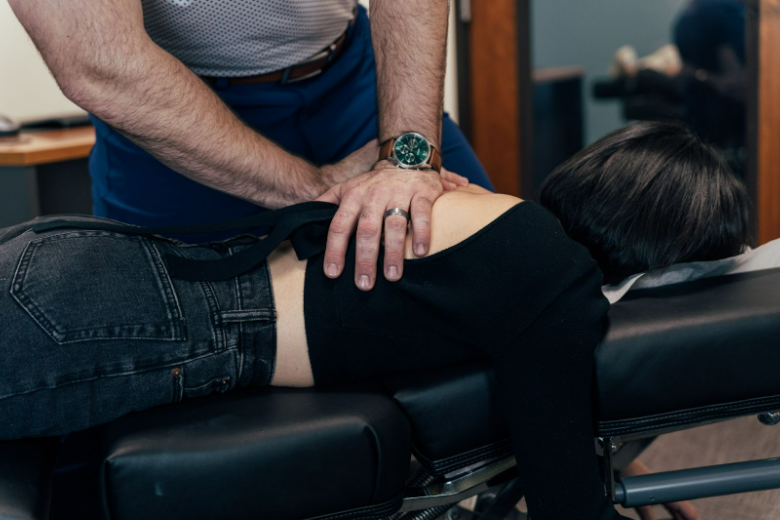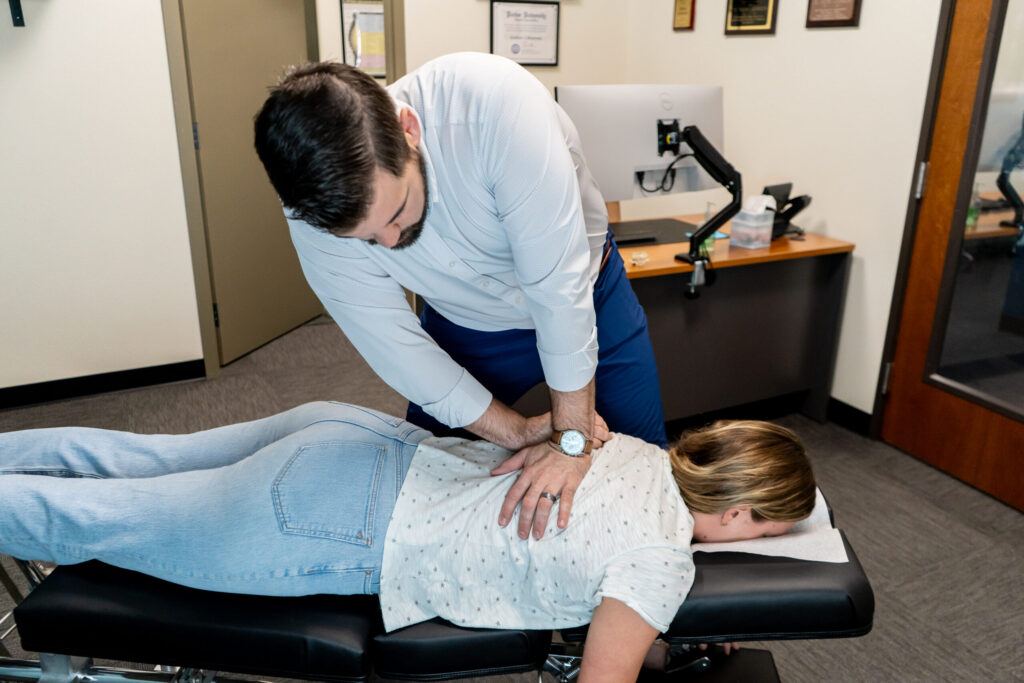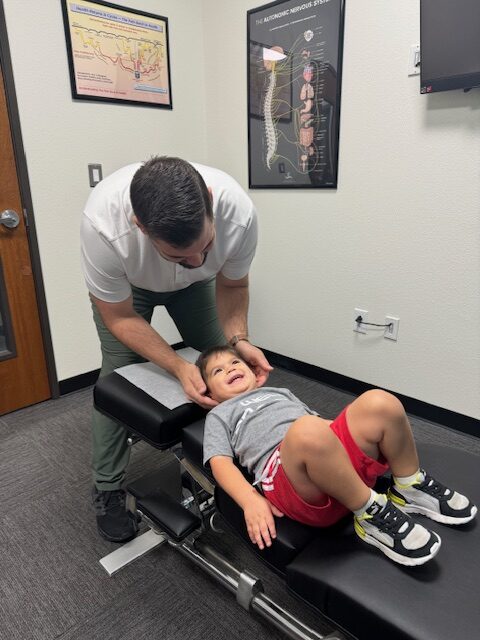

If you’re experiencing back pain caused by poor posture, you’re definitely not alone. Many of my patients find that hours spent sitting at desks or using electronic devices can lead to discomfort and tension in their backs. As a chiropractor, I want to share with you some effective strategies to alleviate this issue naturally.
One of the first steps is to make simple ergonomic adjustments to your workspace. This can involve ensuring your chair supports your lower back or positioning your computer screen at eye level. Alongside these adjustments, I recommend specific exercises that can strengthen your core and improve your posture over time.
Understanding the root causes of your pain is crucial. Poor posture can lead to misalignments in your spine, which chiropractic care can help address. By exploring these solutions, you can significantly improve your daily comfort and overall well-being. Let’s work together on your journey to better posture and pain relief through natural healing methods.
Understanding Posture-Related Back Pain
As a local chiropractor, I want to help you understand how your posture can significantly impact your back health. Many of us don’t realize that sitting or standing with poor posture for long periods can lead to serious back pain.
Your spine is designed to support your body efficiently, but when you slouch or hunch, it puts unnecessary strain on the muscles and ligaments that surround it. This prolonged strain can result in discomfort, stiffness, and even chronic pain over time.
To maintain proper posture, it’s essential to align your ears, shoulders, and hips. This alignment helps to distribute your weight evenly across your body.
When this alignment is ignored, certain muscles become overworked while others weaken, leading to imbalances. These imbalances can create tension and pain, especially in the lower back, which is a common issue I see in my practice.
Moreover, poor posture can limit blood flow and oxygen to your muscles, making it harder for them to recover and increasing discomfort.
By understanding the connection between your posture and back pain, you can take proactive steps to improve your alignment. This not only helps alleviate discomfort but also enhances your overall well-being.
Together, we can work on strategies to improve your posture and promote a healthier spine.
Common Causes of Poor Posture
As a local chiropractor, I want to help you understand the common causes of poor posture and how we can work together to improve it. Many factors contribute to poor posture, and recognizing these can lead to positive changes in your daily life.
One significant issue is prolonged sitting, particularly when you don’t have adequate support. If you find yourself hunched over a computer for hours, your spine can begin to adapt to that position, resulting in discomfort and pain.
Another common culprit is the frequent use of smartphones or tablets. Leaning forward to look at your device can put a strain on your neck and shoulders, leading to misalignment over time. This is something I see often in my practice, and it’s important to address.
Weak core muscles also play a vital role in maintaining good posture. If your abdominal and back muscles lack strength, they may struggle to support your spine properly, which can lead to poor alignment.
Furthermore, wearing unsupportive shoes can disrupt your body’s alignment, negatively impacting your overall posture.
By identifying these common causes, we can take steps together to improve your posture and alleviate any back pain you may be experiencing. Small adjustments to your daily habits, along with chiropractic care, can lead to significant improvements in how you stand, sit, and move.
I’m here to guide you on this journey towards better spinal health and overall well-being.
Exercises to Strengthen Your Back
As a local chiropractor, I want to share some valuable insights on how you can alleviate back pain and improve your posture through specific exercises. Strengthening your back muscles is a crucial part of your healing journey.
One of the foundational exercises I recommend is the plank. This exercise not only engages your core but also strengthens your back. Start by holding the plank position for 20-30 seconds. As you build strength, gradually increase the duration.
Another effective exercise is the bird-dog. Begin in a tabletop position, then extend one arm and the opposite leg while maintaining a straight back. Switch sides and aim for 10-15 repetitions. This movement is excellent for enhancing stability and balance.
Supermans are another fantastic option. Lie face down and simultaneously lift your arms and legs off the ground, holding the position for a few seconds. This exercise is particularly beneficial for strengthening the lower back.
Don’t overlook the importance of rows! Using resistance bands or weights, pull towards your chest to target your upper back. This will help improve your posture and overall back strength.
I recommend incorporating these exercises into your routine 2-3 times a week. Consistency is key!
As your back muscles become stronger, you’ll likely notice improvements in your posture and a reduction in pain. Remember, a strong back is essential for overall health, and I’m here to support you on your path to wellness.
Stretches to Improve Flexibility
As a local chiropractor dedicated to your well-being, I want to stress the importance of incorporating targeted stretches into your daily routine to alleviate back pain and enhance your overall flexibility.
Let’s start with a fundamental stretch known as the cat-cow stretch. Begin by positioning yourself on all fours. Alternately arch your back and then round it, which can significantly improve the flexibility of your spine and relieve tension.
Next, consider the seated forward bend. Sit with your legs extended straight in front of you and gently reach towards your toes. Hold this stretch for about 20 to 30 seconds, and you should feel a release in your lower back and hamstrings, which can be particularly beneficial if you experience tightness in those areas.
Another effective stretch is the standing quadriceps stretch. Stand on one leg while grabbing your opposite ankle and gently pulling it toward your glutes. This will stretch the front of your thighs, helping to alleviate tension and improve mobility.
Lastly, don’t overlook the restorative child’s pose. Kneel down and stretch your arms forward while sitting back on your heels. This position not only helps to stretch the back but also promotes relaxation.
Incorporating these stretches into your routine consistently can lead to significant improvements in your flexibility and reductions in discomfort.
Ergonomic Tips for Your Workspace
As a local chiropractor dedicated to promoting natural healing, I want to share some essential tips for creating a comfortable workspace that can significantly benefit your posture and overall well-being.
First, it’s vital to adjust your chair height so that your feet rest flat on the floor. This simple adjustment can help maintain proper spinal alignment.
Next, consider the positioning of your monitor. It should be at eye level to minimize neck strain, which is crucial for preventing discomfort and maintaining good posture.
Additionally, keep your keyboard and mouse within easy reach to avoid unnecessary stretching or reaching, which can lead to tension in your shoulders and back.
By making these small yet impactful changes to your workspace, you can greatly improve your posture and help alleviate back pain.
Remember, your body deserves a comfortable environment to thrive, and these adjustments can be a great first step towards better health.
If you have any questions or need further guidance, feel free to reach out!
Chair Height Adjustment
As your local chiropractor, I want to emphasize the importance of proper chair height adjustment for your overall spinal health and comfort while you work. When you set your chair height correctly, you can significantly reduce strain on your back and enhance your well-being throughout the day.
It’s essential to ensure that your feet are flat on the floor, and your knees are bent at a 90-degree angle. This optimal positioning promotes healthy blood circulation and reduces pressure on your lower back, which is crucial for preventing discomfort. If you find that your feet dangle, I recommend using a footrest to provide the necessary support.
Your hips should be positioned slightly higher than your knees to encourage proper spinal alignment. This alignment is vital for maintaining the natural curvature of your spine and avoiding issues that can lead to pain or discomfort.
Also, make sure that your chair’s backrest adequately supports your lumbar region; this extra support can help alleviate any tension you may feel in your lower back.
I also encourage you to take regular breaks to stretch and change your position. Remaining stationary for extended periods can lead to stiffness and pain, so incorporating movement into your routine is key to maintaining your comfort and health.
Monitor Placement Guidelines
As a chiropractor, I want to emphasize the importance of proper monitor placement for your overall comfort and well-being while working. It may seem like a small detail, but it can significantly affect your posture and spinal health.
Ideally, your monitor should be positioned about an arm’s length away from your eyes. This distance helps to minimize eye strain and allows you to maintain a relaxed posture.
The top of your monitor should be at or just below eye level. This positioning encourages you to look slightly downward at the screen, which helps to keep your neck in a neutral position. When your neck is aligned properly, it reduces the risk of discomfort and tension in the upper back and shoulders.
Additionally, tilting the monitor back slightly—around 10 to 20 degrees—can help reduce glare and promote a more natural viewing angle. Remember to keep the screen directly in front of you to avoid unnecessary twisting of your neck, which can lead to pain and discomfort over time.
Lastly, adjusting the brightness and contrast of your monitor to match your environment can further minimize eye fatigue.
Keyboard and Mouse Position
As a local chiropractor, I want to emphasize the importance of proper keyboard and mouse positioning for your overall comfort and productivity. Many of my patients are unaware that small adjustments in their workspace can significantly impact their spinal health and well-being.
First, ensure your keyboard is at elbow height, allowing your arms to rest at a 90-degree angle. This posture is crucial in preventing unnecessary strain on your neck and back. Your wrists should be straight while typing; avoid bending them upward or downward.
It’s also essential to keep your mouse close to your keyboard. Reaching too far can lead to shoulder strain, which is something I see frequently in my practice. If you find yourself experiencing discomfort, consider using a wrist rest to maintain a neutral wrist position during use.
Make sure both your keyboard and mouse are on a stable surface, as this allows for smooth movements and reduces the risk of injury.
Additionally, don’t forget to take regular breaks to stretch and reset your posture. Simple movements can help keep your muscles relaxed and your spine aligned.
By incorporating these ergonomic tips into your daily routine, you’ll create a healthier workspace that can help reduce back pain and enhance your focus throughout the day.
When to Seek Professional Help
As a local chiropractor, I want to emphasize the importance of understanding when to seek professional help for your back pain. While many cases of back pain can improve on their own, it’s essential to be aware of the signs that indicate it’s time to consult a healthcare professional like myself. If your pain lasts for more than a few days, it’s a good idea to reach out for a consultation.
Pay attention to any symptoms such as weakness, numbness, or tingling in your legs; these may suggest underlying issues that require immediate attention. Severe pain that doesn’t improve with rest or over-the-counter medications is another clear signal that you should seek assistance.
Moreover, if your pain is interfering with your daily activities or disrupting your sleep, it’s crucial to get a professional opinion.
As a chiropractor, I focus on natural healing methods that can help alleviate your discomfort and promote long-term wellness. Early intervention is key in preventing further complications, so don’t hesitate to reach out.
I can provide you with a personalized treatment plan designed to address your specific needs and help you return to your daily routine. Your health is a priority, and it’s vital not to overlook persistent or concerning symptoms.
Let’s work together to find the relief you deserve!
Conclusion
As a local chiropractor, I want to help you understand how incorporating ergonomic adjustments, strengthening exercises, and regular stretching into your daily routine can significantly alleviate posture-related back pain. It’s essential to recognize the underlying causes of your discomfort and actively work on improving your posture. By doing so, you’re taking vital steps toward achieving a healthier spine.
Listening to your body is crucial. If you find that pain persists even after making these adjustments, it’s important to seek professional guidance. Chiropractic care focuses on natural healing and can provide tailored solutions to support your spine’s health. Remember, your spine deserves the care and attention it needs for long-term comfort and well-being. Together, we can work towards a pain-free life!