
You might not realize how closely your spine and anxiety are connected. When your spine is misaligned, it can disrupt nerve function, impacting your overall emotional well-being. Spinal adjustments aim to restore that alignment, potentially leading to significant reductions in stress and anxiety levels. Many individuals have experienced this firsthand, but the science behind these benefits is just as compelling. Curious about how this all works and what the research shows?
Understanding Anxiety and Its Impacts
Anxiety can feel overwhelming, affecting not just your mind but also your body. It's more than just a feeling of worry; it can manifest through physical symptoms like increased heart rate, muscle tension, and fatigue. You might find yourself constantly on edge, replaying scenarios in your mind, and struggling to focus. This persistent state of stress doesn't just affect your mental health; it can lead to chronic physical conditions, impacting your daily life and overall well-being.
When anxiety takes hold, you may notice changes in your behavior, such as avoiding social situations or withdrawing from activities you once enjoyed. You might even experience sleep disturbances, which can exacerbate feelings of fatigue and irritability. This vicious cycle can leave you feeling trapped and helpless, making it essential to understand the broader impacts of anxiety on your life.
Recognizing these patterns is the first step toward managing your anxiety effectively. It's important to remember that you're not alone in this struggle, and many people experience similar challenges. Seeking support from professionals can provide you with valuable tools and strategies to cope.
Understanding your anxiety and its effects on both your mind and body can empower you to take action and regain control. By addressing your anxiety proactively, you can work towards a healthier, more balanced life. Don't underestimate the importance of acknowledging your feelings and the impact they've on you.
The Role of the Nervous System
The nervous system plays an essential role in how your body responds to stress and anxiety.
When your spine is misaligned, it can interfere with the signals between your brain and body, amplifying feelings of tension.
Nervous System Overview
Throughout your body, the nervous system acts as a complex communication network that regulates various functions, including mood and stress responses.
It's responsible for sending and receiving signals that shape how you feel and react to the world around you. When you experience anxiety, the nervous system plays a vital role in amplifying those feelings, often leading to a cycle that's hard to break.
Here are three key aspects of the nervous system that you should consider:
- Emotional Regulation: It helps control your emotions, influencing how you respond to stressors and daily challenges.
- Physical Sensations: It can manifest anxiety through physical symptoms like rapid heartbeat or muscle tension, making you feel even more overwhelmed.
- Cognitive Processing: Your nervous system affects your thoughts and perceptions, which can spiral into negative thinking patterns when you're anxious.
Understanding how your nervous system functions can empower you to take charge of your anxiety.
Recognizing its influence enables you to seek methods, like spinal adjustments, to help restore balance and improve your overall well-being.
Stress Response Mechanism
When faced with stress, your nervous system springs into action, triggering a series of responses designed to prepare your body for immediate challenges. This response is often referred to as the "fight or flight" mechanism.
Your brain detects a threat, activating the hypothalamus, which sends signals to the adrenal glands. These glands release adrenaline and cortisol, hormones that increase your heart rate, elevate blood pressure, and boost energy supplies.
As your body prepares to react, your pupils dilate to enhance vision, and digestion slows down to redirect blood flow to essential muscles. This physiological shift allows you to either confront the challenge or flee from it.
However, while this response can be beneficial in acute situations, chronic stress keeps your nervous system in a heightened state of alertness. Over time, this can lead to anxiety, tension, and various health issues.
Recognizing how your nervous system responds to stress is vital for managing anxiety. Understanding this mechanism can empower you to take proactive steps, such as practicing relaxation techniques or seeking spinal adjustments, to help reset your body's stress response and promote a sense of calm.
Spinal Health Connection
Your nervous system plays an essential role in maintaining overall health, particularly in how it relates to spinal health. This intricate system controls everything from your movements to your emotions.
When your spine is misaligned, it can disrupt the communication pathways between your brain and body, leading to increased anxiety and stress.
Consider the following ways spinal health impacts your emotional well-being:
- Improved Communication: Proper spinal alignment enhances nerve function, allowing your body to communicate effectively. This can help reduce feelings of anxiety.
- Reduced Tension: When your spine is healthy, it decreases tension in your muscles and reduces physical symptoms of stress, making it easier for you to relax.
- Enhanced Mood: Regular spinal adjustments can stimulate the release of hormones that elevate your mood, helping you feel more balanced and less anxious.
How Spinal Adjustments Work
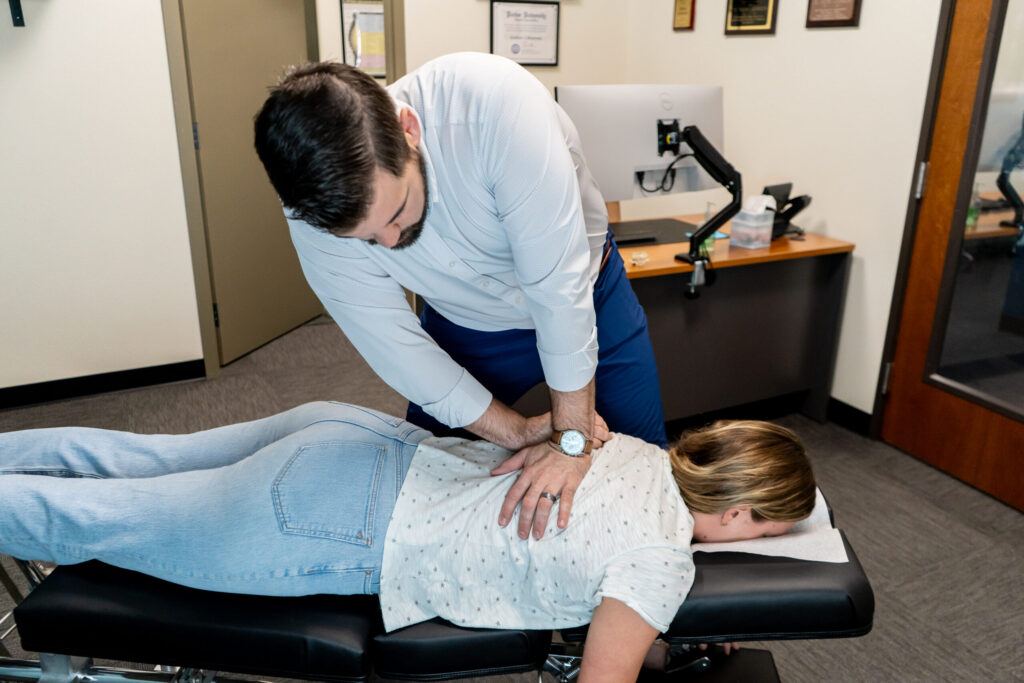
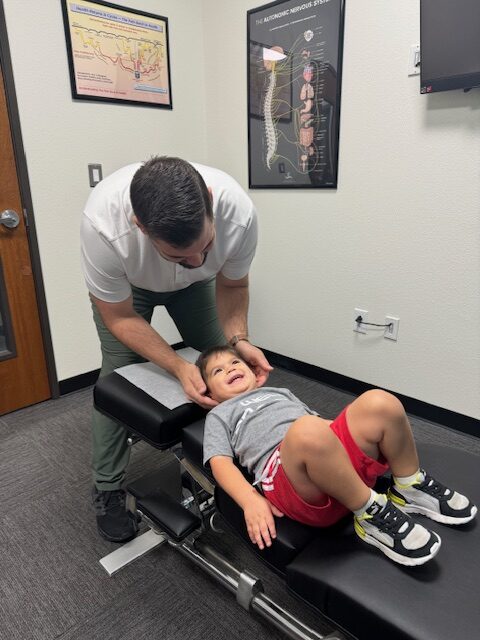
Spinal adjustments, often referred to as chiropractic adjustments, involve precise manipulations of the spine to restore proper alignment and function. When you visit a chiropractor, they'll first assess your spinal health, looking for any misalignments or areas of tension. Using their hands or specialized tools, they'll target specific vertebrae that may be causing issues.
During the adjustment, the chiropractor applies controlled force to the spinal joints, which can help release tension, improve mobility, and enhance the communication between your brain and body. This process often involves quick, targeted thrusts that create a popping sound, indicating gas bubbles in the joint fluid being released. You might feel immediate relief as your spine shifts into a more natural position.
As your spine aligns, it can alleviate pressure on nerves and surrounding tissues. This process not only increases your range of motion but also helps your body function more efficiently.
Your chiropractor may also suggest exercises or lifestyle changes to support your spinal health, ensuring that you maintain the benefits of the adjustments.
Ultimately, spinal adjustments focus on correcting the underlying issues rather than just masking symptoms. By addressing the root causes of discomfort, you're more likely to experience lasting changes in your overall well-being.
You may notice improvements in how you feel both physically and mentally, setting the stage for a healthier, more balanced life.
Benefits of Spinal Adjustments
Experiencing spinal adjustments can lead to a multitude of benefits that extend beyond mere physical relief. When you invest in your spine's health, you'll find that your overall well-being improves markedly. Here are some key benefits you might notice:
- Reduced Stress Levels: You may find that regular spinal adjustments can lower your stress levels. By addressing misalignments, you're not just easing tension in your back; you're also calming your mind, making it easier to handle daily challenges.
- Improved Sleep Quality: A well-aligned spine can contribute to better sleep. When your body is free from discomfort, you're more likely to experience uninterrupted, restorative rest. This can have a transformative impact on your energy levels and mood throughout the day.
- Enhanced Mood: Spinal adjustments can boost your mood. Many people report feeling more balanced and less anxious following their sessions. By promoting ideal nerve function, chiropractic care can help your body release feel-good hormones, making you feel happier and more relaxed.
Incorporating spinal adjustments into your routine can be a game changer. You'll not only experience relief from pain but also foster a sense of emotional well-being.
Scientific Studies on Chiropractic Care
Chiropractic care has gained attention in recent years for its potential to improve both physical health and emotional well-being. Numerous scientific studies have explored how spinal adjustments can impact anxiety and mental health.
For instance, research published in the Journal of Alternative and Complementary Medicine found that individuals receiving chiropractic care reported significant reductions in anxiety levels. Participants noted not only improved physical health but also enhanced emotional resilience.
Another study in the Journal of Chiropractic Medicine highlighted the connection between spinal health and the central nervous system, suggesting that realignment can positively affect neurotransmitters associated with mood regulation. When your spine is aligned properly, it may promote better communication between the brain and body, potentially leading to reduced feelings of anxiety.
You might also find it interesting that a systematic review in the Chiropractic & Manual Therapies journal indicated that chiropractic adjustments could lead to improved psychological well-being. The review analyzed multiple studies and concluded that patients often experience a decrease in anxiety symptoms after receiving regular chiropractic care.
It's essential to recognize that while chiropractic adjustments aren't a standalone treatment for anxiety disorders, they can complement other therapeutic approaches. By incorporating chiropractic care into your wellness routine, you could experience a holistic enhancement in your mental health.
As research continues to evolve, the link between spinal adjustments and emotional well-being becomes more evident, making chiropractic care a valuable option for those seeking relief from anxiety.
Integrating Chiropractic Into Wellness
When you consider a holistic approach to wellness, integrating chiropractic care can play an important role in enhancing both physical and mental health. Chiropractic adjustments not only help with spinal alignment but also promote overall well-being. By addressing physical discomfort, you can create a more stable foundation for emotional health, reducing anxiety and stress levels.
Here are three compelling reasons to incorporate chiropractic care into your wellness routine:
- Improved Mental Clarity: Regular adjustments can enhance your nervous system's function, leading to better cognitive performance. This clarity can help you tackle daily challenges with confidence, reducing feelings of overwhelm.
- Increased Energy Levels: When your spine is aligned, your body can function more efficiently. This means improved circulation and energy flow, making you feel revitalized and more capable of managing your daily responsibilities without the burden of fatigue.
- Enhanced Emotional Resilience: Chiropractic care can help regulate your body's stress response. By reducing physical tension, you might find it easier to cope with anxiety and navigate emotional highs and lows.
Integrating chiropractic care into your wellness regimen isn't just about addressing aches and pains; it's about nurturing your entire being.
When you prioritize this holistic approach, you're investing in a healthier, more balanced life. So why wait? Embrace the benefits of chiropractic care to enhance your physical well-being and emotional stability today.
Personal Testimonials and Success Stories
Sharing personal testimonials can illuminate the profound impact chiropractic care has on individuals' lives. Many have found relief from anxiety through spinal adjustments, and their stories provide powerful insights into the benefits of this holistic approach.
Take Sarah, for example. After years of battling anxiety, she decided to give chiropractic care a try. Initially skeptical, she soon discovered how spinal adjustments reduced her tension and improved her mood. "I felt lighter and more at ease after just a few sessions," she shares. This transformation allowed her to engage more fully in her daily activities, from social outings to work projects.
Then there's Mark, who struggled with chronic stress and insomnia. After starting chiropractic treatments, he noticed a significant shift. "I used to toss and turn all night, but now I sleep soundly," he says. The combination of improved sleep and reduced anxiety made a remarkable difference in his overall well-being.
These stories aren't unique. Many people have experienced similar outcomes, finding that regular chiropractic sessions not only alleviate physical discomfort but also foster a sense of calm.
As you consider your own journey, remember that these transformations are possible. The path to managing anxiety can be enriched through chiropractic care, offering you not just relief, but a whole new perspective on wellness. You might find that the success stories of others resonate with your own experiences, motivating you to take the next step toward a more balanced life.
Conclusion
Incorporating spinal adjustments into your wellness routine can be a game changer for managing anxiety. By enhancing spinal alignment and improving nerve function, you can experience reduced physical symptoms of stress and greater overall relaxation. As many have discovered, regular chiropractic care can greatly lower anxiety levels and promote better sleep quality. Don't hesitate to explore this holistic approach; it might just be the key to achieving a more balanced and peaceful state of mind.