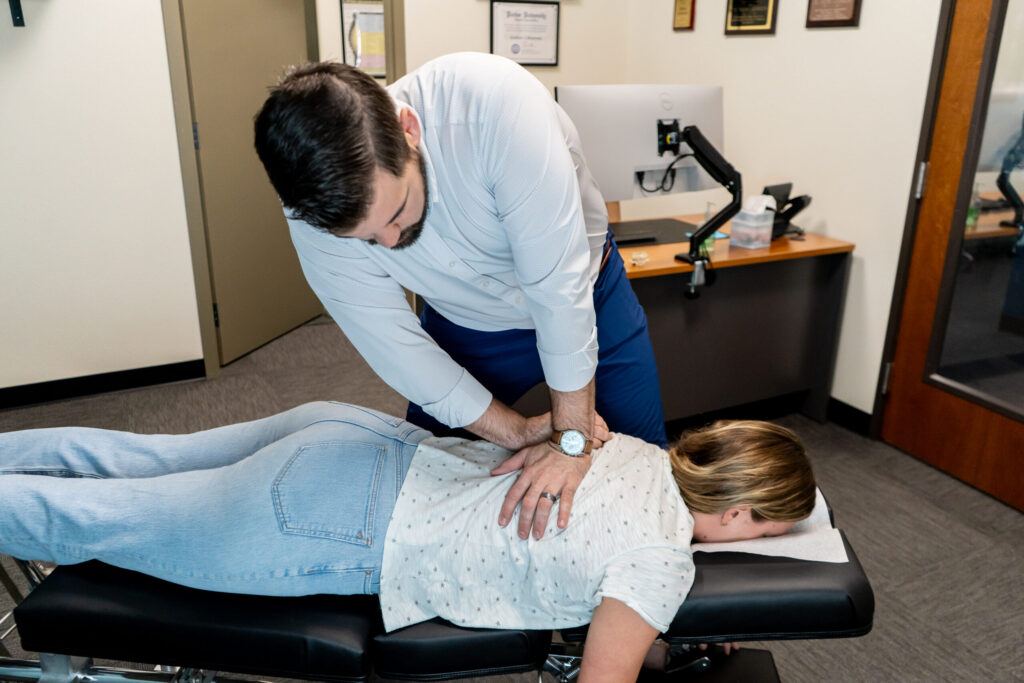
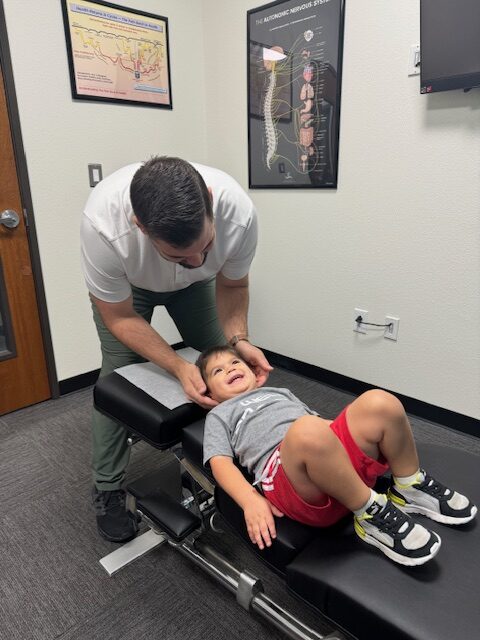
As a local chiropractor, I often see patients who are unaware of how their posture can significantly impact back pain. Many people overlook the way they sit or stand in their daily lives, but these seemingly minor habits can have a profound effect on your comfort and overall spinal health. Poor alignment may be a hidden contributor to your discomfort, and understanding this connection is essential for finding relief.
By examining your daily habits and recognizing the link to your back pain, you may discover that some small adjustments can lead to meaningful improvements. Simple changes in your posture, whether at work, home, or during leisure activities, can make a big difference in how you feel. Let’s work together to explore these adjustments and help you achieve better spinal alignment for enhanced well-being.
Understanding Posture and Its Effects on the Body
As a local chiropractor dedicated to your health and well-being, I want to share the importance of posture and its significant effects on your body. Many people don’t realize the impact that poor posture can have on their daily lives. When you sit or stand with a slouched or hunched position, it can disrupt the natural alignment of your spine, which is designed to provide support.
This misalignment often leads to muscle strain, fatigue, and even breathing difficulties over time. You might notice that your shoulders feel tense and your neck aches, all stemming from how you position yourself throughout the day.
Conversely, maintaining good posture can greatly enhance your overall health. It promotes better circulation, reduces pressure on your joints, and allows your muscles to work more efficiently, leaving you feeling more energized and less fatigued.
By simply being mindful of your posture, you can take significant steps toward improving your well-being. I encourage you to make simple adjustments, such as sitting up straight and considering ergonomic furniture, to create a healthier environment for your body.
Common Postural Issues That Lead to Back Pain
As a local chiropractor, I want to help you understand how poor posture can significantly impact your back health, often leading to pain that many people tend to ignore.
One of the most common issues I see is slouching, which occurs when you hunch your shoulders and curve your spine. This posture places unnecessary strain on your back muscles, making it more likely for you to experience discomfort.
Another prevalent problem is prolonged sitting, particularly in chairs that lack proper support. Over time, this can cause your lower back to flatten, weakening the muscles and leading to further issues.
You may also be familiar with forward head posture, which is common in individuals who frequently look down at their phones or computers. This posture creates tension in your neck and upper back, contributing to pain and discomfort.
Additionally, crossing your legs while sitting can misalign your pelvis, leading to further discomfort. It’s essential to recognize these postural issues so that you can take proactive steps to address them.
By improving your posture, you can significantly reduce your risk of developing chronic back pain and enhance your overall well-being.
As your chiropractor, I encourage you to take small, mindful steps toward better posture. These changes can lead to substantial relief and a healthier lifestyle. If you have any questions or need guidance on how to improve your posture, feel free to reach out!
Signs Your Posture May Be Causing Discomfort
As a local chiropractor, I want to help you understand how your posture could be affecting your comfort and overall health. Your body communicates important signals that you shouldn’t ignore. For instance, if you’re experiencing persistent back pain, tight shoulders, or neck tension, these symptoms could be closely tied to the way you sit or stand throughout the day.
Take a moment to observe your habits. Do you frequently find yourself slouching or leaning forward, especially when working at a desk or using your phone? Over time, these common postural habits can lead to muscle strain and discomfort.
Additionally, if you often feel fatigued or experience headaches after long periods of sitting, your posture might be the culprit. Numbness or tingling in your arms or legs can also signal nerve compression that results from poor posture.
By being mindful of these signs, you can start to identify and correct problematic postural habits that may contribute to your discomfort. Taking proactive steps now can help prevent further pain and enhance your overall well-being.
Simple Posture Adjustments for Relief
As a local chiropractor, I want to share with you how simple posture adjustments can significantly ease discomfort and enhance your overall well-being. One of the first steps is to ensure that when you’re sitting, your feet are flat on the ground and your knees are at a right angle. If you’re standing, try to evenly distribute your weight between both feet. This practice helps maintain the natural curve of your spine and minimizes strain on your body.
When you’re at your computer, it’s crucial to position your screen at eye level. This will prevent you from hunching forward, which can lead to unnecessary tension in your neck and back. Keep your shoulders relaxed and your back straight. If you catch yourself slouching, take a moment to realign your posture.
I often remind my patients to take regular breaks to stretch and move around, as this can prevent stiffness and improve circulation.
While walking, remember to keep your head up and shoulders back. This posture not only looks confident but also encourages proper spinal alignment.
Taking Action: Steps Towards Better Posture and Pain Management
As a local chiropractor, I understand that many of you may not be familiar with the benefits of chiropractic care and natural healing for improving posture and managing pain. Your journey to better posture starts with some simple adjustments that can be seamlessly integrated into your daily life.
First, let’s take a look at your workspace. It’s crucial to ensure your chair, desk, and computer screen are set up in an ergonomically friendly way. Make sure your feet rest flat on the ground and your back is straight while sitting. This alignment can make a significant difference in how your body feels throughout the day.
In addition to proper alignment, I encourage you to incorporate regular breaks into your routine. Standing up, stretching, and moving around every hour can help alleviate built-up tension and prevent discomfort.
Strengthening your core muscles is another vital aspect of supporting your spine; exercises like planks and bridges can be very beneficial.
Mindfulness is also key. Be aware of your posture whether you’re sitting, standing, or walking. This awareness can help you make the necessary adjustments to avoid strain on your body.
Lastly, I highly recommend consulting with me or another qualified chiropractor for personalized guidance. Together, we can create a tailored plan that addresses your unique needs and concerns.
Conclusion
As your local chiropractor, I want to help you understand the significant role that posture plays in managing back pain. By taking our quiz, you are starting to recognize how common postural issues can impact your well-being. This awareness is the crucial first step toward finding relief.
In our practice, we often see that simple adjustments to your posture, combined with mindful habits, can greatly improve your spinal alignment and alleviate discomfort. It’s never too late to make small, effective changes in your daily routine that can lead to a healthier spine and a more comfortable life.
I encourage you to take action now—your journey to relief is closer than you think! Together, we can explore natural healing methods that will empower you to live pain-free.