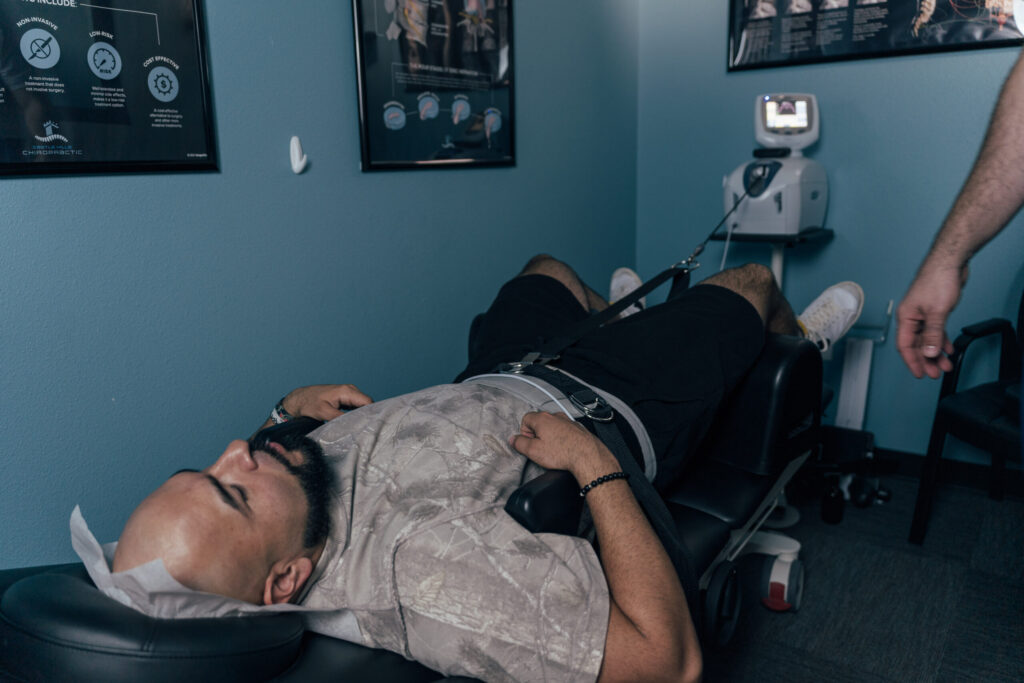

As a local chiropractor, I understand that dealing with back pain can be incredibly challenging. Many of my patients come in feeling overwhelmed and unsure of how to manage their discomfort. The good news is that there are natural techniques available that can help alleviate your pain without the need for medication.
In our practice, we focus on holistic approaches that include gentle exercises designed to strengthen your back, as well as mindful breathing techniques that can aid in relaxation and stress reduction. Promoting healing is at the core of what we do, and these methods not only target your pain but also enhance your overall well-being.
It is crucial to understand the underlying causes of your back pain, as this knowledge can empower you to make informed decisions about your health. By exploring various chiropractic techniques and natural healing methods, we can work together to find the strategies that provide you with lasting relief. Let’s delve into some effective approaches that can support your journey toward a pain-free life.
Understanding the Causes of Back Pain
As a local chiropractor, I want to help you understand the various causes of back pain so that we can work together towards effective relief. Back pain can stem from a variety of factors, and recognizing these can guide us in your healing journey.
One common issue is poor posture. Many of us tend to slouch when sitting at our desks or lift heavy objects without using proper techniques. These habits can place unnecessary stress on your spine, leading to discomfort.
Additionally, as we age, natural wear and tear on our spinal discs may contribute to back pain.
Certain medical conditions, such as herniated discs, arthritis, and sciatica, can also lead to persistent discomfort. It’s important to acknowledge that stress plays a role as well; it can heighten muscle tension in your back, making any existing pain feel even worse.
Your lifestyle choices are crucial too. Carrying excess weight can put added strain on your back, while a sedentary lifestyle may weaken your core muscles, increasing your susceptibility to injury.
Gentle Exercises and Stretching Techniques
As a local chiropractor, I want to share some valuable insights on how incorporating gentle exercises and stretching techniques can significantly alleviate back pain and enhance your overall mobility.
One of the simplest ways to start is by practicing stretches such as the cat-cow pose. This involves alternating between arching and rounding your back, which not only increases flexibility but also helps in reducing tension throughout your spine.
You might also find gentle forward bends beneficial, as they promote relaxation in the lower back area.
Another fantastic low-impact exercise is walking; I recommend aiming for 10-15 minutes each day. This simple activity can boost blood flow and strengthen your core muscles, both of which are vital for a healthy back.
If you’re open to it, yoga can be a wonderful addition to your routine. Poses like child’s pose and seated forward bends provide gentle stretches that can help relieve tightness in your spine.
It’s important to listen to your body during these exercises. If any movement causes discomfort or pain, please stop right away.
As you become more accustomed to these activities, gradually increase their intensity and duration. Consistency is crucial—aim to integrate these gentle techniques into your daily routine for optimal results.
The Role of Mindfulness and Meditation
As a local chiropractor, I want to share how mindfulness and meditation can be vital tools in managing back pain. These practices help you develop a deeper awareness of your body and its sensations. By concentrating on the present moment, you can significantly reduce stress and tension, factors that often play a role in discomfort.
Integrating mindfulness and meditation into your daily routine can revolutionize your approach to pain management.
- Enhance body awareness: Pay close attention to how your body feels, which can help you pinpoint areas of tension and discomfort.
- Promote relaxation: Utilize deep breathing exercises to ease tightness in your back and encourage a state of relaxation.
- Shift your perspective: Adopt a non-judgmental attitude towards your pain. This mindset can empower you to respond thoughtfully rather than react impulsively to discomfort.
- Encourage emotional balance: Managing your stress and anxiety levels through mindfulness techniques can have a profound impact on your physical pain, as emotional well-being is closely linked to physical health.
Incorporating these practices alongside chiropractic care can enhance your overall healing process and provide you with effective, natural strategies for managing back pain.
Dietary Changes for Back Health
As your local chiropractor, I want to emphasize the importance of nutrition in supporting your back health.
Incorporating anti-inflammatory foods into your diet can significantly reduce pain and aid in the healing process. These foods work to combat inflammation, which is often a root cause of discomfort.
Additionally, don’t underestimate the role of hydration; staying well-hydrated is essential for maintaining the health of your spine and ensuring that your body functions optimally.
Anti-inflammatory Foods
As a local chiropractor, I often see patients who are unaware of how diet can significantly affect their back health.
It’s important to understand that incorporating anti-inflammatory foods into your diet can help alleviate pain and promote healing. By reducing inflammation, you can better manage any discomfort you may be experiencing in your back.
Here are some fantastic options to consider adding to your meals:
- Fatty fish like salmon and mackerel are excellent choices, as they’re rich in omega-3 fatty acids that help combat inflammation.
- Leafy greens such as spinach and kale are packed with antioxidants, which can contribute to overall health and reduce inflammation.
- Berries, including blueberries and strawberries, aren’t only delicious but also known for their strong anti-inflammatory properties.
- Nuts and seeds, like walnuts and chia seeds, provide healthy fats that can support your body in its healing processes.
By making these dietary changes, you can support your chiropractic care and enhance your journey toward a healthier back.
Hydration Importance
As your local chiropractor, I want to emphasize the importance of staying properly hydrated for maintaining a healthy back. Many people overlook this crucial aspect of wellness, but hydration plays a vital role in supporting your spine.
Water is essential for keeping your spinal discs hydrated, allowing them to absorb shock and maintain their shape. When you don’t drink enough water, these discs can lose elasticity, which can lead to discomfort and a higher risk of injury.
I recommend aiming for at least eight cups of water each day, but it’s also important to pay attention to your body’s signals. If you’re physically active or live in a warmer climate, you may need to increase your water intake to stay well-hydrated.
Additionally, herbal teas and water-rich fruits and vegetables can contribute positively to your hydration levels.
Alternative Therapies: Acupuncture and Chiropractic Care
As a local chiropractor, I want to share how alternative therapies like chiropractic care and acupuncture can be effective in managing back pain and promoting overall wellness. If you’re dealing with discomfort, understanding these options can empower you to take charge of your health.
– Chiropractic care focuses on spinal adjustments to restore proper alignment. This not only alleviates tension in your back muscles but also enhances your body’s ability to heal itself.
By addressing the underlying issues, we aim to provide long-lasting relief rather than just masking the pain.
– Acupuncture, which involves the use of fine needles to stimulate specific points on the body, can also be a beneficial addition. It helps reduce inflammation and improve blood flow, further supporting your healing process.
Many of my patients have experienced improved mobility and significant decreases in pain levels after incorporating chiropractic sessions into their routine.
This holistic approach allows us to work together towards a more effective pain management strategy.
If you’re interested in exploring these natural healing methods, I encourage you to consult with a qualified professional.
Together, we can determine the best course of action tailored to your unique situation. Embracing chiropractic care and acupuncture may just be the key to achieving the relief you’ve been seeking.
Lifestyle Modifications for Long-Term Relief
As a local chiropractor dedicated to your health and well-being, I want to emphasize the importance of making some lifestyle changes to achieve long-term relief from back pain.
It’s essential to start by being mindful of your posture throughout the day. Many people don’t realize how much poor posture can contribute to discomfort.
Incorporating a regular exercise routine is also vital. Gentle stretches and strengthening exercises can help support your spine and alleviate pain.
I recommend finding activities that you enjoy, as this will make it easier to stick with them.
Additionally, setting up an ergonomic workspace can make a significant difference. This means adjusting your chair, desk, and computer setup to promote a healthy posture while you work.
Small adjustments can lead to big improvements in your comfort levels.
By focusing on these lifestyle modifications, you can enhance your overall well-being and support your chiropractic care.
Posture Awareness Strategies
As your local chiropractor, I want to share some valuable insights about maintaining good posture, which can significantly alleviate back pain and enhance your overall well-being.
Many people overlook the importance of posture in their daily lives, but being mindful of how you position your body can lead to remarkable improvements in comfort and health.
Here are some effective strategies to help you:
- Sit tall: When you’re seated, aim to keep your back straight and your shoulders relaxed. It’s beneficial to invest in a supportive chair that promotes good posture.
- Stand strong: Make sure to distribute your weight evenly across both feet when standing. Avoid locking your knees, as this can lead to unnecessary strain.
- Lift wisely: When you need to lift something heavy, remember to bend at your hips and knees instead of your back. This technique is crucial for preventing injuries and ensuring safe lifting.
- Adjust your workspace: Take a moment to ensure your computer screen is at eye level and that your chair height supports your posture. A well-set workspace can make a significant difference in how you feel throughout the day.
By incorporating these habits into your daily routine, you can experience long-lasting relief from back pain.
As your chiropractor, I’m here to guide you on your journey to better posture and overall health through natural healing practices.
Let’s work together to help you feel your best!
Regular Exercise Routine
As a local chiropractor, I want to emphasize that maintaining good posture is just one component of managing back pain effectively.
An essential aspect of your journey towards long-term relief is incorporating regular exercise into your routine. Engaging in a consistent exercise program can significantly strengthen your back muscles, improve flexibility, and enhance your overall body mechanics.
I recommend a balanced approach that includes a mix of aerobic activities, strength training, and stretching exercises. Low-impact options such as swimming, walking, or yoga are particularly beneficial as they can help reduce strain on your back while also boosting your endurance.
It’s important to start slowly and gradually increase the intensity of your workouts to prevent injury. Consistency is crucial, so aim to engage in physical activity at least three times a week.
Not only will this help alleviate any pain you might be experiencing, but it can also elevate your mood and energy levels.
Remember, staying active is vital not just for your back health, but for your overall well-being.
If you have any questions or need guidance on developing an exercise routine tailored to your needs, please feel free to reach out. Together, we can work towards achieving a healthier, pain-free life.
Ergonomic Workspace Setup
As a local chiropractor, I want to emphasize the importance of creating an ergonomic workspace to help prevent back pain, especially for those who spend many hours sitting at a desk.
Making a few simple adjustments can significantly enhance your comfort and productivity. Here are my recommendations for setting up your workspace effectively:
- Chair Height: It’s crucial to have a chair that supports your lower back properly. Your feet should rest flat on the floor to promote good posture and relieve pressure on your spine.
- Monitor Position: Position your monitor at eye level, approximately an arm’s length away. This alignment can help minimize neck strain and encourage a more comfortable seating posture.
- Keyboard and Mouse: Place your keyboard and mouse at elbow height. This positioning helps maintain a neutral wrist position, which can prevent strain and discomfort.
- Regular Breaks: Don’t forget to schedule regular breaks. Stand up, stretch, and move around periodically to alleviate tension in your back and improve circulation.
By implementing these changes in your workspace, you can experience long-term relief from back pain and enhance your overall wellbeing.
Conclusion
As a local chiropractor, I want to share with you some effective natural techniques for managing back pain that can significantly enhance your well-being. It’s essential to incorporate gentle exercises into your daily routine, as they can help strengthen your back and improve flexibility. Mindfulness practices, such as meditation or yoga, can also play a vital role in reducing stress and tension in your body.
Nutrition is another key factor; maintaining a healthy diet can support your spine and overall health. Additionally, I encourage you to make lifestyle modifications, such as practicing good posture and setting up an ergonomic workspace, to prevent strain on your back.
By embracing these strategies and integrating them into your life, you can take proactive steps towards a more comfortable and pain-free existence. Remember, chiropractic care is a holistic approach that can complement these natural techniques, helping you achieve long-lasting relief from back pain.