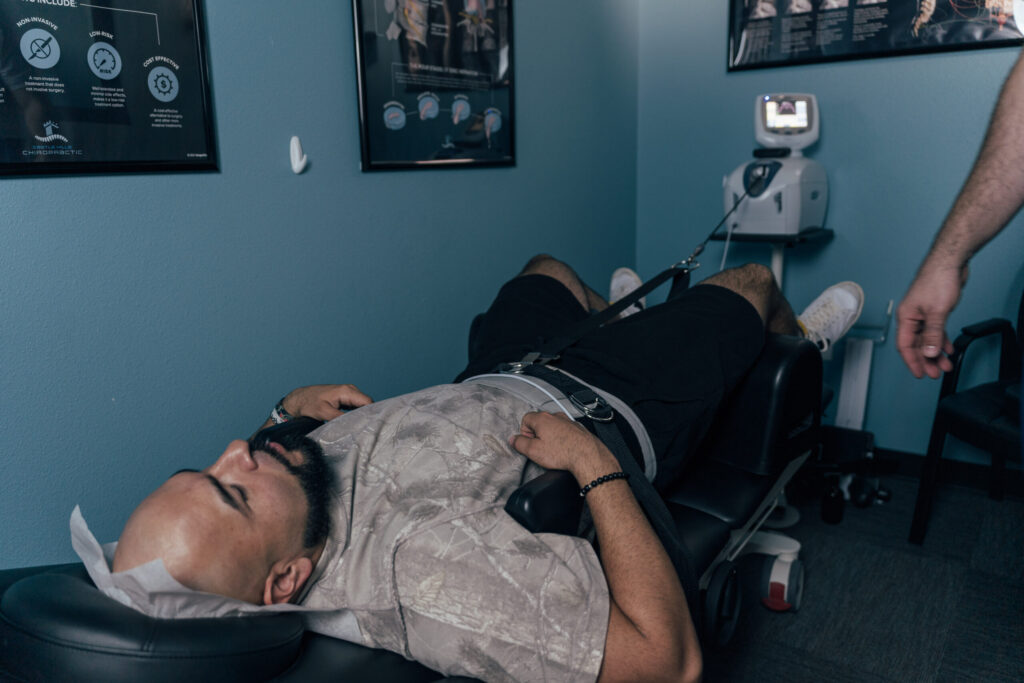

When considering the support for kids with ADHD, it's important to recognize that a holistic approach can be incredibly beneficial. As a chiropractor, I focus on more than just the physical aspects of health; I emphasize the connection between the body and mind. I work with children to create individualized care plans that address their specific needs and challenges. By collaborating with families and educators, we ensure that the benefits of chiropractic care extend beyond our office. This teamwork can significantly impact a child's self-esteem and coping mechanisms. So, what specific techniques do chiropractors use to foster this nurturing environment? Understanding these details can help families navigate ADHD in a more natural and effective way.
Understanding ADHD in Children
When you start to recognize the signs of ADHD in children, it's important to understand what this condition really means, especially from a holistic perspective. Attention-Deficit/Hyperactivity Disorder, or ADHD, is a neurodevelopmental condition that impacts a child's ability to focus, control impulses, and manage their energy levels.
As a chiropractor, I often see how physical well-being can influence mental health, and you might observe symptoms such as difficulty concentrating, fidgeting, or challenges in completing tasks. These behaviors can sometimes be misinterpreted as laziness or defiance, but it's crucial to remember that they're part of the ADHD spectrum.
ADHD isn't solely about hyperactivity; it can present itself in various forms. Some children may appear daydreamy or forgetful rather than excessively energetic. This inattentiveness can lead to hurdles in academic and social settings, emphasizing the need for a compassionate and informed approach.
As a parent, you may find yourself reflecting on how these behaviors impact your child's daily life, relationships, and self-esteem. Understanding ADHD involves recognizing it as a spectrum, where each child experiences it uniquely. This variability can make it difficult to identify, but being aware of the core symptoms enables you to better advocate for your child's needs.
It's also important to consider how ADHD can co-occur with other challenges, such as anxiety or learning disabilities, which can further complicate the situation. As a chiropractor, I believe that a holistic approach to health—including spinal adjustments, nutrition, and lifestyle changes—can support children with ADHD.
Importance of Early Diagnosis
Understanding ADHD from a holistic perspective can significantly impact a child's development and overall well-being. As a local chiropractor, I want to emphasize the importance of early recognition and intervention. By identifying symptoms of ADHD and seeking help sooner, you can create a pathway for effective, natural treatments that support your child's growth.
An early diagnosis allows for personalized strategies that address your child's unique challenges, whether those involve difficulties with focus, impulsivity, or emotional regulation. In my practice, I often see how chiropractic care can complement other interventions by promoting overall health and well-being, which can enhance cognitive function and emotional stability.
When you take proactive steps, such as incorporating chiropractic therapy, your child can develop essential coping skills and learn to navigate their environment more effectively. This not only benefits their academic performance but also fosters better social interactions and emotional health.
Children who receive early support through natural healing methods often build greater self-esteem and resilience, gaining a clearer understanding of their strengths and areas for growth.
Additionally, as a parent, early intervention empowers you with knowledge and resources. You'll have access to support networks and natural strategies that can help ease the challenges associated with ADHD. It's crucial to remember that ADHD is simply one aspect of your child's experience; with the right holistic tools and approaches, they can thrive in various aspects of life.
Moreover, early chiropractic care can help reduce the risk of secondary issues, such as anxiety or depression, which commonly arise from untreated ADHD. By recognizing the signs and seeking help early, you're not just managing symptoms; you're creating a nurturing environment where your child can truly flourish.
Ultimately, embracing early diagnosis and natural healing lays the groundwork for a brighter, healthier future for your child.
Role of Pediatricians
As a chiropractor, my role is crucial in helping families understand the benefits of chiropractic care and natural healing.
I perform comprehensive assessments to identify each individual's unique health needs and develop personalized wellness plans that can truly enhance their quality of life.
My expertise not only supports patients in achieving better health but also lays the groundwork for a holistic approach to overall well-being.
Comprehensive Evaluation Process
In the comprehensive evaluation process for children with ADHD, chiropractors can play a pivotal role in supporting overall health and wellness. When you bring your child to a chiropractor, they'll begin by gathering a thorough medical history, which includes your child's developmental milestones, behavioral patterns, and any specific concerns you've observed. This initial conversation is crucial as it helps them understand the full context of your child's health and behavior.
Chiropractors often utilize various assessment tools to better understand your child's physical state and how it may relate to their symptoms. They may conduct physical examinations, assess posture and spinal alignment, and even ask for insight from teachers or caregivers to gain a holistic view of your child's functioning in different settings.
This comprehensive approach is essential in identifying any underlying issues that may be contributing to your child's behavior. Once all relevant information is gathered, your chiropractor will analyze the findings to determine if there are any musculoskeletal or neurological factors that might be impacting your child's well-being.
Tailored Treatment Plans
As a local chiropractor, I want to share the importance of creating personalized care plans for children with ADHD. Just like pediatricians, we consider each child's unique symptoms, strengths, and challenges when developing a treatment strategy. Our goal is to work closely with you to explore various natural healing options, which may include chiropractic adjustments, nutritional guidance, and lifestyle modifications.
We want to make sure you feel confident and informed about the care your child receives. To establish an effective plan, I may suggest setting clear, achievable goals for your child's well-being. This could involve improving their focus during school activities or enhancing their social interactions with peers.
Regular visits allow us to track your child's progress and modify the plan as needed. Open communication is crucial; please feel free to share any observations or concerns about your child's behavior.
Additionally, I can provide valuable resources and techniques to help support your child at home. This might include exercises, stretches, or tips for creating a calming environment.
Comprehensive Assessment Methods
Understanding the assessment methods for children, especially those who may have ADHD, is crucial for their overall health and well-being. As a chiropractor, I want to emphasize the importance of a thorough evaluation, which goes beyond just the physical aspects of health. When parents express concerns about their child's behavior, it's essential to gather comprehensive information from various angles.
First, we begin with a detailed history that includes the child's developmental milestones, any relevant medical history, and their family background. This holistic perspective helps us understand not just the individual child, but also the factors that may be influencing their behavior.
Next, we can utilize standardized rating scales and questionnaires. These tools help quantify behaviors like attention, impulsivity, and hyperactivity, allowing us to compare them against typical developmental benchmarks. Input from teachers is also invaluable, as they can provide insights into how a child behaves in a structured environment.
Direct observation is another key component of the assessment. As a chiropractor, I look at how a child moves and interacts in different settings, noting behaviors that may not be evident during a typical office visit. This comprehensive approach helps ensure that we capture the full picture of a child's functioning.
In some cases, psychological testing may be recommended to rule out other conditions that can present similar symptoms, such as anxiety or learning disabilities. By integrating all this information, we can make informed decisions about the best course of action for your child's health and development.
Ultimately, thorough assessment methods not only clarify the diagnosis but also inform effective intervention strategies that are tailored to your child's unique needs. By actively participating in this process, you can help ensure that your child receives the best support and care possible, paving the way for natural healing and overall wellness.
Individualized Treatment Plans
Creating individualized treatment plans for children with ADHD is crucial when considering their unique needs and how chiropractic care can contribute to their overall well-being. Each child presents a different set of challenges and strengths, which means a one-size-fits-all approach simply won't be effective. As a local chiropractor, I encourage collaboration with healthcare professionals, teachers, and, most importantly, the child, to design a treatment plan specifically tailored to them.
Begin by identifying your child's specific symptoms and how they affect their daily life. It's important to consider factors such as their age, learning style, and any coexisting conditions. With this information, we can prioritize treatment goals. For example, if your child has difficulties focusing in school, we might focus on chiropractic adjustments that promote better nervous system function, which can enhance attention and organization.
Incorporating a holistic mix of interventions is key to effective ADHD management. While chiropractic adjustments can play a significant role in improving nervous system health, it's also beneficial to incorporate behavioral strategies and lifestyle modifications. Encourage your child to adopt healthy habits, such as regular physical activity and a nutritious diet. These changes can significantly impact their ability to manage ADHD symptoms and improve their overall quality of life.
It's essential to regularly review and adjust the treatment plan as your child grows and changes. What works today may not be as effective in a few months. Open communication with your child and their support network is vital to ensure everyone is aligned and informed.
Behavioral Therapy Options
When it comes to supporting your child's well-being, chiropractic care can be a transformative approach.
You'll discover options like spinal adjustments, wellness coaching, and nutritional guidance that can significantly enhance your child's health and behavior.
Let's delve into how each of these methods can promote better physical health, which in turn can positively influence your child's behavior and social interactions.
Cognitive Behavioral Therapy
Chiropractic care offers a holistic approach to help children with ADHD manage their symptoms effectively. This method focuses on the interconnectedness of the body, mind, and overall health. By addressing spinal alignment and nervous system function, we aim to create a balanced environment that supports better mental clarity and emotional regulation.
In our sessions, children learn practical strategies to cope with the challenges related to ADHD. Through adjustments and techniques designed to improve physical well-being, they can enhance their focus, organizational skills, and problem-solving abilities. These approaches empower them to face everyday situations with greater confidence and ease.
Chiropractic care also highlights the importance of self-awareness. Encouraging your child to pay attention to their physical sensations and how they relate to their emotions can lead to improved decision-making and emotional control. This heightened awareness helps them recognize patterns that may be contributing to their symptoms.
Additionally, our sessions often involve engaging activities and real-life scenarios, allowing your child to practice new skills in a supportive setting. With your involvement, they can carry these skills into their daily life, promoting lasting change.
Parent Training Programs
As a local chiropractor, I want to emphasize the importance of holistic approaches in supporting families, especially those with children diagnosed with ADHD. Just as chiropractic care focuses on the alignment of the spine and overall wellness, parent training programs can equip you with valuable skills and strategies to manage your child's behaviors effectively.
These programs are designed to help you encourage positive behaviors and mitigate negative ones, similar to how we promote healthy habits in our practice. You'll learn practical techniques such as setting clear expectations, establishing consistent routines, and creating reward systems tailored to your child's unique needs—much like the personalized care we provide for our patients.
In these sessions, you'll also discover effective communication strategies that can strengthen your relationship with your child. Understanding ADHD and its effects on behavior can empower you to respond with calmness and constructive methods, akin to the way we teach our patients to manage their health proactively.
Consistency is essential; by fostering a predictable environment, you allow your child to flourish, just as maintaining a healthy spine promotes overall well-being.
Additionally, parent training programs often create a supportive community, allowing you to connect with other families navigating similar challenges. Sharing experiences and solutions can alleviate feelings of isolation and frustration, much like the camaraderie we see among our patients.
This communal aspect is vital for both you and your child, as it fosters a sense of belonging and support on your journey towards better health and well-being. Remember, just as chiropractic care emphasizes natural healing and wellness, so too can these programs enhance your family's quality of life.
Social Skills Training
While many individuals find relief through conventional medical treatments, chiropractic care offers a holistic approach to enhancing overall well-being, including social interactions. Just as social skills training helps children with ADHD develop essential interpersonal abilities, chiropractic adjustments can improve your physical health, which in turn can positively impact your social experiences.
Chiropractic care focuses on optimizing your body's function, primarily through spinal adjustments. When your spine is aligned, your nervous system operates more efficiently, which can lead to increased energy levels and reduced stress. This newfound vitality can make it easier to engage with others, understand social cues, and respond appropriately in various situations.
During your chiropractic visits, you can participate in structured wellness activities that not only address physical discomfort but also promote overall health. As you experience relief and improved mobility, you may find it easier to participate in social settings, initiate conversations, and build connections with others.
Moreover, chiropractic care is tailored to meet your unique needs, ensuring you receive the personalized support necessary to thrive. By working closely with a qualified chiropractor, you can identify specific areas of concern and develop strategies to enhance your well-being.
Additionally, you can reinforce your journey towards better health by incorporating social activities into your routine. Engaging in group exercises, classes, or community events can further support your healing process.
Medication Management Strategies
Managing your child's ADHD can feel overwhelming, but incorporating chiropractic care and natural healing strategies can provide additional support. It's important to collaborate with your child's healthcare provider, including a chiropractor, to create a holistic approach to their treatment. Regular visits can help monitor your child's progress, assess any physical tension, and discuss how their nervous system may be affecting their behavior and mood.
Keeping a detailed log of your child's symptoms, behavior, and overall well-being can be beneficial for these appointments.
Consider establishing a consistent routine for your child's chiropractic appointments. Regular adjustments can help promote a sense of balance and well-being, which may enhance the effects of any medications they're taking. Setting reminders for appointments can help ensure that you stay on track.
If your child experiences discomfort or anxiety about traditional adjustments, talk to your chiropractor about gentle techniques or alternative therapies that may be more suitable.
Additionally, educate yourself about how chiropractic care can complement ADHD treatment. Understanding the connection between spinal health and neurological function can empower you to make informed decisions about your child's care.
Joining support groups or forums focused on natural healing can also provide valuable insights and shared experiences from other families.
Finally, remain open-minded and adaptable. It may take time to find the right combination of chiropractic care and other treatments that work best for your child.
Be patient and willing to explore different approaches. By staying engaged and proactive, you can help support your child's journey with ADHD through a natural and holistic lens.
Family Involvement in Care
Involving the whole family in your child's ADHD care can greatly enhance their treatment experience and outcomes. As a local chiropractor, I want to highlight the benefits of a holistic approach to health that includes not just the individual but the entire support system around them. When family members participate in the care process, it creates a nurturing environment that fosters understanding and encouragement.
As a parent, your insights about your child's behavior, strengths, and challenges are invaluable. This information helps us as healthcare providers—whether through chiropractic care, nutrition, or lifestyle changes—to create a tailored treatment plan that best suits your child's needs.
Engaging siblings in this journey is equally important. Teaching them about ADHD and how to interact positively with their brother or sister encourages empathy and patience. This creates a home environment that supports your child's emotional and physical growth, which is crucial for overall well-being.
Family meetings can serve as an excellent platform for discussing challenges, celebrating achievements, and sharing strategies for managing symptoms. Additionally, consider involving extended family members like grandparents, aunts, and uncles. Educating them about ADHD and the benefits of chiropractic care can turn them into supportive allies who reinforce healthy behaviors and strategies at home.
Consistency is key, especially for children with ADHD. Establishing routines—whether it's dedicated time for homework or a calming bedtime ritual—can help your child feel secure and understand expectations. Chiropractic care can also play a role in this by promoting relaxation and overall health, making it easier for your child to adhere to a routine.
Finally, maintain open communication with your healthcare team, including your chiropractor. Your family's involvement allows for better monitoring of your child's progress and any necessary adjustments in their care. By working together, we can create a robust support network that significantly impacts your child's journey with ADHD and overall health.
Educational Support Resources
As a local chiropractor, I want to share the importance of understanding how our approach can support children with conditions like ADHD in a natural and holistic way.
Just as Individualized Education Plans (IEPs) help tailor educational strategies for a child's unique needs, chiropractic care can be customized to support their overall well-being.
By focusing on spinal health and nervous system function, we can create an environment that fosters both academic and social success.
Utilizing chiropractic adjustments and natural healing techniques, we empower your child to thrive in their daily life without the reliance on medication.
Together, we can help your child reach their full potential.
Individualized Education Plans
At our chiropractic clinic, we believe in the importance of individualized care plans, much like the Individualized Education Plans (IEPs) used in educational settings. Just as IEPs are designed to support children with specific needs, our personalized care plans aim to address the unique health challenges and goals of each patient.
When you visit us, we take the time to collaborate with you to understand your specific health concerns and lifestyle. Through comprehensive assessments and observations, we gather valuable information about your body's strengths and limitations. This data helps us identify what adjustments, therapies, and lifestyle modifications might be essential for your healing journey.
For example, if you're experiencing chronic pain or discomfort, we might recommend a tailored treatment plan that includes spinal adjustments, therapeutic exercises, and ergonomic advice to enhance your well-being. Our goal is to ensure you receive the necessary support and resources to thrive in your daily life.
Once your care plan is established, we encourage regular follow-up visits to track your progress and make any necessary adjustments. Staying engaged in your healing process is vital, and we're here to advocate for your health needs.
Classroom Accommodations Strategies
Creating a supportive healing environment for individuals, especially children with ADHD, often involves integrating specific strategies that cater to their unique needs.
As a chiropractor, I believe that a holistic approach can significantly enhance your child's well-being and help them thrive. By working together with educators and caregivers, we can develop a plan that optimizes your child's potential for health and learning.
Here are some effective strategies that can promote a better learning experience:
- Optimal posture and ergonomic seating: Ensuring that your child sits in a chair that supports proper posture can help them focus better on lessons. As a chiropractor, I emphasize the importance of spinal alignment in enhancing concentration and reducing discomfort.
- Regular movement breaks: Encouraging short physical activity breaks during lessons can help your child reset and recharge. Movement promotes circulation and can improve mental clarity, making it easier for them to concentrate when they return to their studies.
- Use of visual aids and hands-on tools: Incorporating visual aids and tactile learning tools can facilitate better information processing for your child. These methods can help them grasp complex concepts more effectively while promoting engagement.
Monitoring Progress and Adjustments
To effectively promote well-being in children with ADHD, it's crucial to monitor their progress and make timely adjustments to their care. As a chiropractor, I encourage parents to closely observe how their child responds to various treatment strategies, whether they involve chiropractic adjustments, lifestyle changes, or natural therapies. Regular assessments will help you determine what's effective and what may need reconsideration, ensuring your child receives the best possible holistic care.
Begin by establishing clear, measurable goals related to your child's overall health and well-being. This might include improvements in focus, emotional balance, or physical activity levels. As you track these areas, utilize a combination of your observations, feedback from teachers or caregivers, and insights from your child themselves. This comprehensive approach allows you to understand their progress from multiple perspectives.
If you find that certain strategies aren't delivering the desired outcomes, don't hesitate to make adjustments. This could involve modifying your child's chiropractic care plan, integrating new natural healing techniques, or exploring dietary changes that support their health. Collaborate with healthcare professionals, including chiropractors, pediatricians, and nutritionists, to discuss potential modifications. Their expertise can offer valuable guidance tailored to your child's unique needs.
It's important to remember that progress can be a winding road; some days may feel like setbacks. Celebrate small victories and maintain a sense of patience throughout the process. Consistent communication with teachers and other caregivers is essential, as they can provide insights into your child's behavior and performance in different environments.
Conclusion
As a local chiropractor, I want to emphasize the importance of comprehensive care for children with ADHD. By collaborating closely with your child, their educators, and various healthcare professionals, we can ensure they receive the holistic support they need. Early assessment and personalized treatment approaches can empower your child to thrive naturally. Incorporating family involvement and tapping into community resources can enhance their coping strategies and boost their self-esteem. With continuous monitoring and tailored adjustments through chiropractic care, we can assist your child in managing their challenges and achieving their full potential.