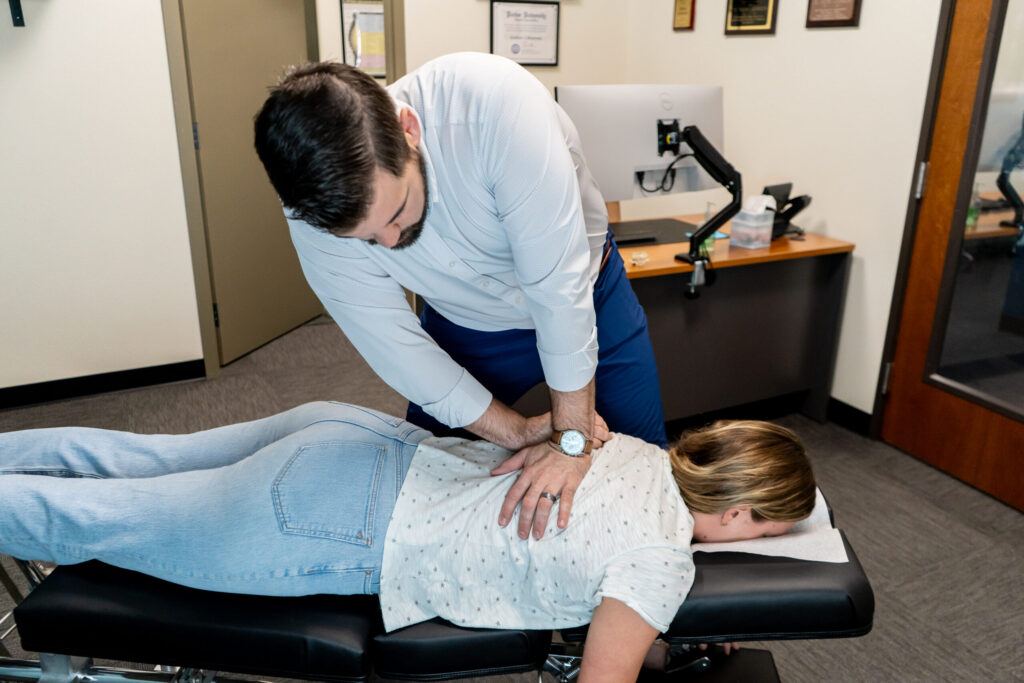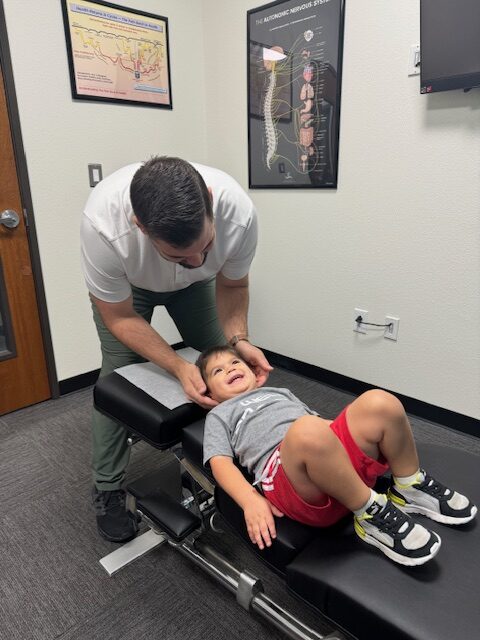

As a local chiropractor, I understand that many of you may be grappling with back pain and might not realize that improving your posture can be a crucial part of finding relief. It’s easy to overlook how our everyday habits can contribute to discomfort. By making some straightforward adjustments to your posture, you can significantly alleviate the strain on your spine.
Are you interested in learning about effective techniques that can lead to long-lasting relief from back pain? Let’s delve into how small changes in your posture and daily routines can transform your overall well-being. Together, we can explore natural healing methods to help you feel better and enhance your quality of life.
Understanding the Importance of Good Posture
As a local chiropractor, I want to emphasize the vital role that good posture plays in maintaining a healthy spine and preventing pain. Many people don’t realize that how you sit or stand can significantly affect your overall well-being.
When you maintain proper posture, you distribute your body weight evenly, which reduces stress on your spine and the surrounding muscles. By aligning your head, shoulders, and hips, you establish a sturdy foundation that supports the natural curves of your spine.
This proper alignment minimizes strain and fatigue, enabling you to move more freely without discomfort. It’s not just about avoiding pain; it’s about enhancing your overall quality of life.
In addition to supporting your back, practicing good posture can have a positive impact on your mood and energy levels. Standing tall can boost your confidence and help you feel more engaged in your daily activities.
I encourage you to take a moment throughout your day to check in with your posture—your back will thank you, and you may find yourself feeling better both physically and mentally.
As a chiropractor, I’m here to guide you in understanding how natural healing and proper alignment can transform your life.
Common Causes of Back Pain Related to Posture
As a local chiropractor, I often see patients who are unaware of how their sitting habits can significantly impact their back health.
Many people tend to slouch or hunch over while seated, which can put unnecessary strain on the spine, similar to the way improper lifting techniques can cause injury.
It’s crucial to recognize these common posture mistakes, as doing so is the first step toward finding relief from back pain.
By improving your posture and being mindful of your body mechanics, you can promote better spinal health and enhance your overall well-being.
If you’re looking for natural healing methods, I’m here to guide you on your journey to a pain-free life.
Poor Sitting Habits
As a local chiropractor, I often see patients struggling with the effects of poor sitting habits. Have you noticed yourself slouching in your chair during those long hours of work or relaxation? This seemingly harmless posture can lead to significant back pain over time. When you slouch, your spine loses its natural curve, which places undue pressure on your discs and muscles. Many people don’t realize how this position strains their back and can result in discomfort that lingers.
Furthermore, remaining in one position for extended periods can tighten your hip flexors and weaken your core muscles, making it challenging to maintain good posture.
This is where I encourage you to take an active role in your health. Start by being mindful of your sitting posture. Adjust your chair height to promote alignment, consider using ergonomic supports to enhance your comfort, and don’t forget to take regular breaks to stand up and stretch.
These small adjustments can create a significant impact on your overall well-being and help alleviate back pain.
Improper Lifting Techniques
As a local chiropractor, I often see patients who suffer from back pain due to improper lifting techniques. It’s essential to understand that how you lift heavy objects can significantly impact your spinal health.
When you lift without proper form, you not only increase the strain on your back but also set yourself up for potential injury.
Instead of bending at your waist—which can lead to discomfort and pain—I recommend squatting down, keeping your back straight, and using the strength of your legs to lift.
Holding the object close to your body is crucial; it helps minimize stress on your spine. Additionally, it’s important to avoid twisting your torso while lifting. Instead, pivot your feet to maintain proper alignment and reduce the risk of strain.
If you’re uncertain about your lifting technique, I encourage you to practice with lighter weights or seek guidance from a professional.
Assessing Your Current Posture
What does your posture reveal about your back health? As a chiropractor, I can tell you that your posture is a crucial reflection of your spine’s well-being. I encourage you to stand in front of a mirror and take a good look at your alignment. Are your shoulders even, or is one side lower than the other? Is your head comfortably balanced over your spine, or is it leaning forward? These observations can help identify potential issues that may need attention.
Next, take a seat in your favorite chair. How does your back feel? Are you slouching, or are you maintaining an upright position? It’s important to be aware of any discomfort or tension you might be experiencing in your back, as these can be signs of poor posture habits that could benefit from chiropractic care.
Lastly, consider how you move throughout your daily activities. Do you find yourself hunching over your phone or when working at your desk? Recognizing these patterns is essential for improving your posture and, ultimately, your back health.
Techniques for Improving Sitting Posture
As a local chiropractor, I want to share some essential techniques that can significantly improve your sitting posture, especially if you spend long hours at a desk.
First and foremost, it’s crucial to choose a chair that provides proper support for your lower back. This can make a huge difference in how your spine feels at the end of the day. Ensure that your feet are resting flat on the floor; if they don’t reach, a footrest can be a great solution. Your knees should sit at or just slightly below the level of your hips.
Next, let’s talk about your computer screen. It should be adjusted to eye level to prevent unnecessary strain on your neck. When you sit back in your chair, make sure to use the backrest effectively, maintaining a neutral spine position.
I also advise against crossing your legs, as this can create imbalances in your posture over time.
Remember, it’s important to take regular breaks to stand, stretch, and walk around. This practice not only helps relieve tension but also promotes better circulation.
Additionally, consider incorporating a lumbar roll or cushion for extra support to your lower back. By following these techniques, you can create a more ergonomic sitting environment, which can drastically reduce discomfort and back pain. Your spine will thank you for it!
Standing Tall: Posture Tips for Everyday Life
As a local chiropractor, I want to share some essential tips on maintaining good posture while standing—something that can significantly impact your overall health and well-being.
First and foremost, it’s crucial to align your body correctly. Start by distributing your weight evenly across both feet, ensuring they’re shoulder-width apart. Engaging your core muscles is vital as they provide support to your spine, promoting a healthier posture.
Let your arms hang naturally at your sides, and remember to pull your shoulders back and down to prevent any hunching or rounding of your upper body. Your head should sit directly over your shoulders, with your ears aligned with your hips—this alignment is key to avoiding neck strain. Keep your chin parallel to the ground to ensure your neck is in a neutral position.
If you find yourself standing for extended periods, I recommend shifting your weight from one foot to the other from time to time to help reduce fatigue. The footwear you choose can also make a significant difference, so opt for supportive shoes that promote good posture.
Lastly, don’t forget to take breaks, especially if you’ve been standing still for a while. Your body needs those moments to reset and recover.
The Role of Ergonomics in Posture
As a local chiropractor, I want to emphasize the vital role ergonomics plays in your overall health and well-being. Proper alignment is key to preventing back pain, and one of the best ways to achieve this is by thoughtfully setting up your workspace.
Many people underestimate how small adjustments in their environment can lead to significant improvements in posture and comfort. By making these changes, you can’t only enhance your daily experience but also support your body’s natural healing processes.
Let’s dive into some practical tips that can help you maintain better posture and reduce discomfort in your everyday life.
Importance of Proper Alignment
As a local chiropractor, I want to emphasize the importance of proper alignment in your daily activities. By prioritizing good alignment, you can significantly reduce your risk of experiencing back pain and discomfort. Maintaining an ideal posture allows your body weight to be distributed evenly, which helps prevent unnecessary strain on your spine and the muscles surrounding it.
You might be surprised at how simply standing tall, with your shoulders back and head held high, can enhance your overall comfort.
When it comes to movement—whether you’re bending down to tie your shoes or lifting a grocery bag—it’s crucial to keep your core engaged and align your hips with your knees. This proper alignment not only boosts your physical performance but also serves as a safeguard against back injuries.
It’s often the small adjustments in your posture that can lead to significant improvements in your well-being. By adopting these practices, you’ll be able to tackle your daily tasks with greater ease and without the lingering burden of pain.
Embracing these simple changes can make a world of difference in your life.
Workplace Setup Essentials
As a chiropractor, I want to emphasize the importance of creating a workspace that supports good posture, especially if you find yourself sitting for long hours at a desk. Proper ergonomics can significantly impact your spinal health and overall well-being.
Begin with your chair. It should provide firm support for your lower back, helping to maintain the natural curve of your spine. Your feet should rest flat on the floor, and if they don’t, consider using a footrest.
Next, pay attention to your desk height; ideally, your elbows should form a 90-degree angle when typing. This helps prevent strain on your shoulders and neck.
Your monitor’s position is equally important. Place it at eye level to avoid straining your neck and upper back. When it comes to your keyboard and mouse, keep them close at hand to minimize unnecessary reaching, which can lead to discomfort over time.
If you work with documents, a document holder can help keep your papers aligned with your screen, reducing the need to twist your neck.
Lastly, remember that even the best setup requires regular breaks. Standing up and stretching throughout the day can alleviate tension and promote better circulation.
Impact on Health
As a local chiropractor, I want to emphasize the vital importance of good posture for your overall health. Many people may not realize how significantly their posture affects everything from energy levels to the risk of chronic pain.
When you maintain proper alignment, your muscles and joints can work more efficiently, which reduces unnecessary strain on your body. This not only helps you avoid discomfort but also boosts your productivity and focus throughout the day.
One effective way to improve your posture is through ergonomics, the science that focuses on designing your workspace to fit your body’s needs. By making simple adjustments to your chair, desk, and computer height, you can create a more comfortable environment that promotes healthy alignment.
Remember, even small changes can lead to significant improvements in your well-being. By prioritizing good posture today, you’re investing in your long-term health.
As a chiropractor, I’m here to support you on this journey toward better alignment and natural healing. Let’s work together to enhance your quality of life!
Stretching and Strengthening Exercises for Back Pain Relief
As a local chiropractor, I understand that many of you may be struggling with back pain, and I’d like to share how incorporating stretching and strengthening exercises into your routine can greatly enhance your healing journey.
One of the first steps is to begin with gentle stretches, such as the cat-cow or child’s pose. These movements are designed to improve your flexibility and alleviate tension in your back. I recommend holding each stretch for about 20-30 seconds and repeating them a few times to get the best results.
Following these stretches, it’s essential to focus on strengthening exercises that specifically target your core and back muscles. Exercises like planks, bridges, and bird-dogs aren’t only beneficial but also help support your spine and improve your posture, which can significantly reduce pain over time.
It’s vital to listen to your body during these exercises. If you encounter any pain, I encourage you to stop and make adjustments as needed. Consistency is crucial in this process, so I suggest integrating these exercises into your daily routine.
As you continue with these practices, you may notice improved strength and a reduction in discomfort, which will allow you to move more freely and confidently.
Mindfulness and Body Awareness Techniques
As a local chiropractor, I often emphasize the importance of not only physical exercises but also mindfulness and body awareness techniques in managing back pain. Many patients may not realize how tuning into their bodies can significantly aid in pain management.
Here are four techniques that I recommend for my patients to consider:
- Deep Breathing: Engage in slow, deep breathing exercises. This practice helps to relax your body and alleviate stress, which can often intensify pain. By focusing on your breath, you create a calming effect that can be beneficial for your overall health.
- Body Scanning: Take a moment to lie down comfortably and mentally check in with each part of your body. Notice any areas of tightness or discomfort. This practice of body scanning can help you become more aware of your physical sensations and identify where tension may be affecting your back.
- Mindful Walking: As you walk, pay close attention to your posture and the way your body moves with each step. This mindfulness can enhance your awareness of alignment and help you adjust any habits that may contribute to back pain.
- Meditation: Dedicate a few minutes each day to sit in a quiet space, focusing on your breath and allowing yourself to release negative thoughts about pain. Meditation can create a mental space that fosters healing and promotes a positive outlook.
Incorporating these mindfulness techniques into your routine can greatly enhance your overall well-being and assist in managing back pain more effectively.
Creating a Sustainable Posture Improvement Plan
As a local chiropractor, I want to share the importance of creating a sustainable posture improvement plan for your overall physical health and long-term relief from back pain. Many people are unaware of how their daily habits can affect their posture, so let’s start by evaluating your posture each day.
Take a moment to observe when you might be slouching or hunching over, and gently remind yourself to realign your spine.
Setting specific, achievable goals is crucial in this process. For instance, aim to sit up straight for just 15 minutes during your workday. As you become more aware of your posture, you can gradually increase this time. This small step can make a significant difference.
Incorporating exercises into your routine that strengthen your core and back muscles is another vital component. Simple stretches can also help relieve tension and improve your flexibility.
I recommend scheduling reminders on your phone to check in on your posture throughout the day.
It’s also important to assess your workspace. Ensure that your chair and desk are set up to encourage proper alignment. A well-designed workspace can significantly impact your posture and comfort.
Lastly, commitment is key. Track your progress on a weekly basis and be willing to adjust your plan as needed.
By consistently practicing these techniques, you’ll not only alleviate back pain but also enhance your overall well-being. Remember, real and lasting change takes time, so be patient and persistent in your efforts!
If you have any questions or need further guidance, don’t hesitate to reach out to me or another chiropractic professional. We’re here to help you on your journey to better health!
Conclusion
As a local chiropractor, I want to share how incorporating posture techniques into your daily life can greatly alleviate back pain. Many people may not realize the profound impact that good posture has on their overall well-being. By making simple, conscious adjustments to how you sit, stand, and move, you can relieve discomfort and promote a healthier lifestyle.
I encourage you to regularly assess your posture throughout the day. This can be as simple as checking in with yourself while sitting at your desk or standing in line. Additionally, integrating stretching and strengthening exercises into your routine can help support your spine and enhance your posture.
Mindfulness is also key. By being present and aware of how your body feels, you can better recognize when your posture might be contributing to discomfort. With a commitment to these changes, you can create a sustainable plan that not only alleviates pain but also leads to a more active and fulfilling life. Remember, chiropractic care can assist you in this journey, providing natural healing methods to support your body’s alignment and function.