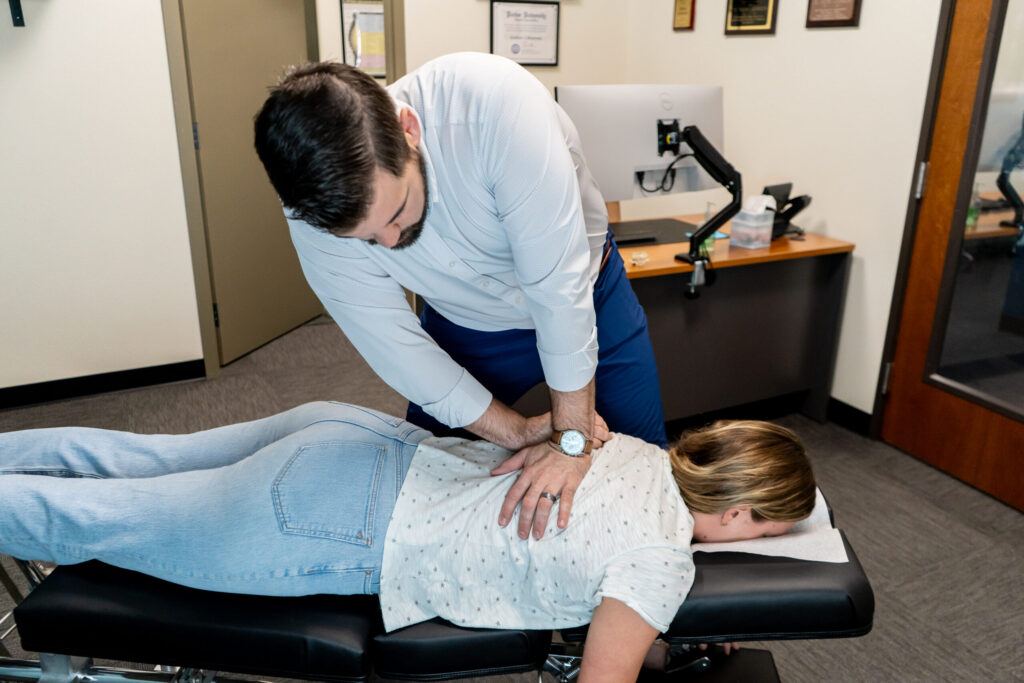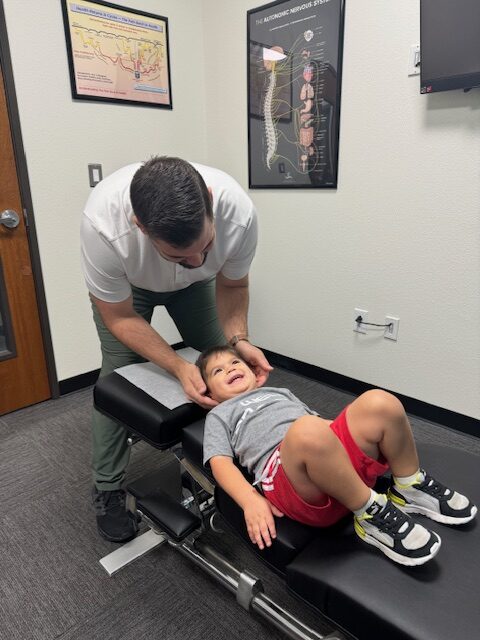

When you think about empowering your health, it's crucial to reflect on how natural methods can prevent chronic diseases. You might realize that simple changes in your nutrition, physical activity, and stress management can make a significant impact. Imagine transforming your daily routine with whole foods and mindful practices, all while fostering a supportive environment around you. As you begin to uncover these strategies, you may find yourself questioning what small steps you can take today to promote lasting wellness. What if the key to a healthier life is more accessible than you think?
Understanding Chronic Diseases
Chronic diseases, often characterized by their long-lasting effects and gradual onset, can greatly impact your quality of life. You mightn't notice the symptoms right away, but over time, they can become more pronounced and interfere with daily activities. Conditions like diabetes, heart disease, and arthritis are just a few examples that can lead to significant health challenges.
It's essential to understand how these diseases develop and what factors contribute to their progression. Many chronic diseases are linked to a combination of genetic, environmental, and lifestyle factors. You may have a family history of certain conditions, which can increase your risk.
However, your lifestyle choices, including physical activity levels, smoking, and stress management, play a pivotal role in either promoting health or increasing susceptibility. Recognizing these factors empowers you to make informed decisions about your health.
Additionally, chronic diseases can lead to complications that affect not just your physical health but also your emotional and mental well-being. You may experience feelings of frustration, anxiety, or isolation as you navigate the challenges that come with managing a chronic condition.
Understanding the holistic impact of these diseases will help you take proactive steps in your health journey.
The Role of Nutrition
Nutrition plays a pivotal role in managing and preventing chronic diseases. You mightn't realize it, but the food you eat can greatly impact your overall health.
By making better dietary choices, you can reduce your risk of conditions like heart disease, diabetes, and obesity. A well-balanced diet not only fuels your body but also provides the nutrients necessary for peak functioning.
Here are five essential nutrition tips to help you on this journey:
- Focus on whole foods: Incorporate fruits, vegetables, whole grains, and lean proteins into your meals. These foods are packed with vitamins and minerals that your body needs.
- Limit processed foods: Try to avoid foods high in sugar, salt, and unhealthy fats. Processed foods often lack essential nutrients and can contribute to chronic health issues.
- Stay hydrated: Drink plenty of water throughout the day. Proper hydration supports digestion and helps your body function efficiently.
- Watch portion sizes: Being mindful of how much you eat can prevent overeating. Listen to your body's hunger signals to guide your portions.
- Plan your meals: Preparing meals ahead of time can help you make healthier choices and avoid last-minute temptations.
Importance of Physical Activity
Regular physical activity offers numerous benefits for your body and mind, helping you maintain a healthy lifestyle.
Whether it's walking, swimming, or dancing, there are plenty of activities to choose from that suit your interests and fitness level.
Benefits of Regular Exercise
Engaging in physical activity consistently offers a multitude of benefits that extend beyond just maintaining a healthy weight.
When you incorporate regular exercise into your routine, you're not only improving your physical health but also enhancing your mental well-being.
Here are some key benefits you can enjoy:
- Boosted Energy Levels: Regular workouts increase your stamina, making daily tasks feel easier.
- Improved Mood: Exercise releases endorphins, helping to reduce stress and anxiety while boosting your mood.
- Enhanced Sleep Quality: Physical activity can help you fall asleep faster and enjoy deeper sleep.
- Stronger Immune System: Staying active can strengthen your immune response, helping you fend off illnesses.
- Increased Longevity: Regular exercise is linked to a longer lifespan, supporting heart health and reducing the risk of chronic diseases.
Types of Physical Activities
Incorporating a variety of physical activities into your routine is crucial for reaping the full benefits of exercise. Each type of activity offers unique advantages that contribute to your overall health and well-being.
Aerobic exercises, like running, swimming, or cycling, boost your cardiovascular health and enhance endurance. Strength training, involving weights or resistance bands, helps build muscle and improve metabolism. Don't forget flexibility and balance activities, such as yoga or Pilates, which can enhance your range of motion and reduce injury risk.
You can also explore recreational activities that you enjoy, like dancing or hiking, to keep things fun and engaging. These activities not only burn calories but also promote social interaction and mental well-being.
If you prefer low-impact options, consider walking or swimming, which are easier on your joints yet still effective.
Aim to mix different types of physical activities throughout your week. This variety not only keeps you motivated but also guarantees you target all aspects of fitness, including strength, endurance, balance, and flexibility.
Setting Realistic Goals
Setting realistic goals for your physical activity is essential for maintaining motivation and achieving lasting success. It's easy to feel overwhelmed when starting a new fitness journey, but breaking your objectives into manageable steps can make all the difference.
Focus on what you can realistically achieve, and celebrate those milestones along the way.
Here are some tips to help you set those goals:
- Be Specific: Instead of saying, "I'll exercise more," specify, "I'll walk for 30 minutes, three times a week."
- Make it Measurable: Track your progress. Use a journal or app to log your workouts.
- Set a Timeline: Establish a timeframe for your goals. "I want to run a 5K in three months" gives you a clear deadline.
- Keep it Achievable: Don't aim for perfection. If you're new to exercise, start small and gradually increase intensity.
- Stay Flexible: Life happens! If you miss a workout, it's okay. Adjust your goals as needed to stay on track.
Stress Management Techniques
Stress management is essential for maintaining overall health and preventing chronic diseases. When you effectively manage stress, you reduce the risk of developing issues like heart disease, diabetes, and anxiety disorders. Here are some practical techniques to help you stay calm and centered.
First, consider incorporating mindfulness practices into your daily routine. Mindfulness meditation can help you focus on the present moment, allowing you to observe your thoughts without judgment. Just a few minutes a day can lead to notable improvements in your stress levels.
Next, try engaging in regular physical activity. Exercise releases endorphins, which are natural stress relievers. Whether it's a brisk walk, yoga, or dancing, find an activity you enjoy and make it part of your routine.
Deep breathing exercises can also be beneficial. When you feel overwhelmed, take a moment to pause and breathe deeply. Inhale slowly through your nose, hold for a few seconds, and then exhale through your mouth. This simple technique can quickly reduce tension and promote relaxation.
Additionally, don't underestimate the power of social connections. Talking to friends or family can provide emotional support and help you feel less isolated. Consider joining a group or community that shares your interests.
Lastly, prioritize time for hobbies and activities that bring you joy. Whether it's reading, gardening, or painting, engaging in pleasurable activities can notably reduce stress.
Sleep Hygiene Practices
Getting enough quality sleep is essential for your health and can greatly lower the risk of chronic diseases. Practicing good sleep hygiene can help you achieve better sleep quality, making you feel more energized and focused during the day.
Here are some effective sleep hygiene practices to incorporate into your routine:
- Stick to a Sleep Schedule: Go to bed and wake up at the same time every day, even on weekends. This helps regulate your body's internal clock.
- Create a Relaxing Bedtime Routine: Wind down with calming activities before sleep, like reading or taking a warm bath. This signals to your body that it's time to rest.
- Limit Screen Time: Try to avoid screens at least an hour before bed. The blue light emitted by phones and computers can interfere with your body's production of melatonin, making it harder to fall asleep.
- Make Your Sleep Environment Comfortable: Keep your bedroom cool, dark, and quiet. Consider using blackout curtains, earplugs, or a white noise machine to enhance your sleep environment.
- Watch What You Eat and Drink: Avoid large meals, caffeine, and alcohol close to bedtime. These can disrupt your sleep and make it harder to stay asleep.
Building a Supportive Environment
A supportive environment plays an essential role in your overall health and can considerably impact your ability to manage stress and maintain wellness. Surrounding yourself with positive influences can motivate you to adopt healthier habits.
Consider your social circle; engaging with friends and family who prioritize health encourages you to do the same. Share your wellness goals with them, and let them support you in your journey.
Creating a physical environment that promotes health is equally important. This means decluttering your space, organizing your kitchen with healthy foods, and designing a comfortable area for relaxation and exercise.
Invest time in creating a home that nurtures your well-being—think about adding plants, improving lighting, and ensuring your living space is conducive to relaxation.
Don't forget about the power of community. Participate in local wellness groups or classes where you can meet like-minded individuals. Surrounding yourself with people who are passionate about health can inspire you to stay committed to your goals.
Whether it's a walking group or a cooking class, being part of a community provides accountability and motivation.
Lastly, limit exposure to negative influences. This could mean reducing time spent on social media or distancing yourself from toxic relationships.
Conclusion
By embracing a holistic approach to health, you can effectively prevent chronic diseases and enhance your overall well-being. Focus on nourishing your body with whole foods, stay active, and prioritize stress management and sleep hygiene. Surround yourself with supportive connections, and practice mindfulness to create a positive environment for yourself. Remember, small, consistent changes can lead to lasting wellness, empowering you to take charge of your health and live a vibrant, fulfilling life.