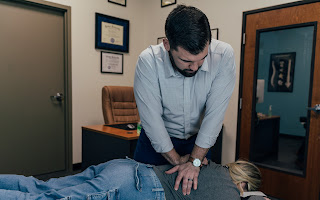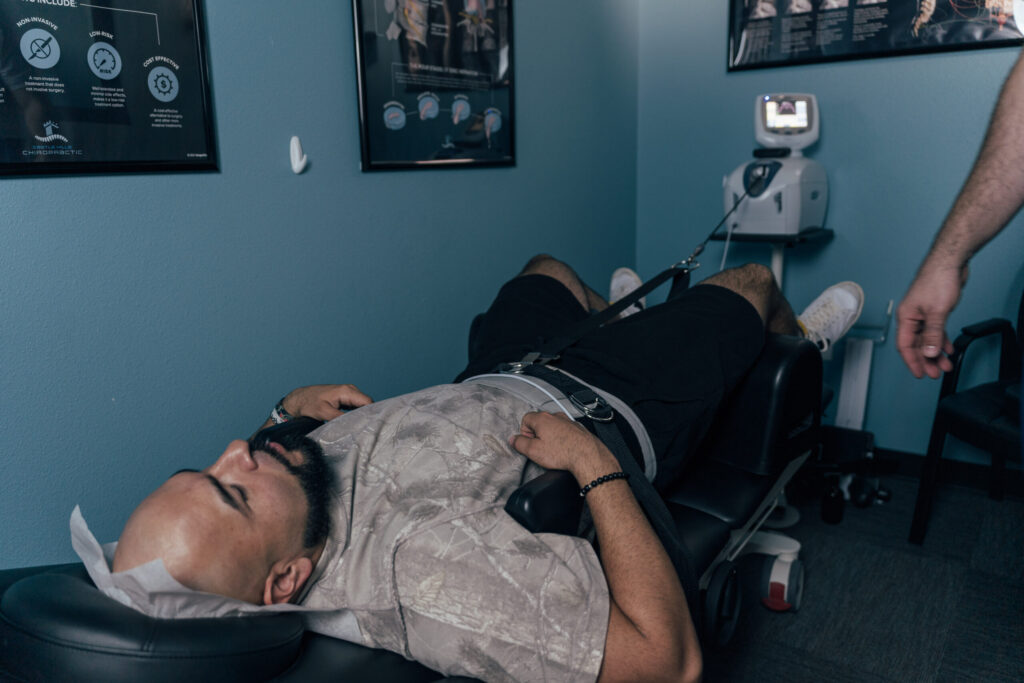

When considering how to provide effective chiropractic care for young children, it's important to focus on establishing trust and creating a welcoming environment. Using language that is easy for children to understand and engaging them in a fun, playful way can significantly enhance their comfort during visits. Additionally, implementing gentle techniques for managing discomfort not only alleviates their anxiety but also instills a sense of safety. As you explore these chiropractic approaches, it's beneficial to involve parents in the process, as this can further enrich the child's experience. What other natural healing methods could ensure a positive interaction for both children and their caregivers?
Building Trust With Young Patients
Building trust with young patients is crucial for effective chiropractic care. When you interact with children, it's important to recognize that they may feel vulnerable and anxious about their health. Your approach can significantly influence how they view chiropractic treatment. Start by welcoming them with a warm smile and a friendly tone. This simple gesture can help ease their worries and make them feel more at ease.
Next, use language that's appropriate for their age. Avoid complex terms that might confuse them. Instead, explain what chiropractic care involves in a way they can grasp. For instance, you can liken a chiropractic adjustment to "fixing a puzzle" to make it relatable and less intimidating.
Involving young patients in their care is also essential. Ask them how they're feeling and what they think about their treatment, giving them a sense of involvement. When they participate, it empowers them and fosters a sense of partnership in their health journey. Encourage them to ask questions and explore the treatment area, turning any potential fear into curiosity about how their body works.
Additionally, be patient. Children may take a bit longer to express their feelings or concerns. Allow them the time they need, and listen actively to what they've to say. Acknowledging their emotions shows that you care and helps strengthen the connection between you.
Finally, consistency plays a vital role in building trust. Regular visits to your office can deepen this bond. When children see you often, they're more likely to feel comfortable and trust you. By creating a safe and nurturing environment, you lay the groundwork for a positive chiropractic experience that encourages children to engage openly in their care and embrace the benefits of natural healing.
Effective Communication Strategies
When you've built trust with young patients, the next step in providing quality chiropractic care is effective communication. It's essential to engage them at their level, using simple language and concepts that they can grasp. Instead of using complex terminology related to chiropractic adjustments or the spine, try explaining what you do using relatable analogies. For example, you might compare the spine to a stack of building blocks that need to be aligned properly for the structure to stand strong.
Pay attention to nonverbal cues as well. Children often communicate their feelings through body language. Maintaining eye contact and using a warm, friendly tone can help them feel secure. A genuine smile can work wonders in easing any anxiety they might've about their visit.
When discussing their discomfort or symptoms, ask open-ended questions to encourage them to share their feelings, but keep it straightforward. For example, instead of asking, "Can you describe the pain?" you might say, "Can you point to where it feels funny?"
Involve parents in the conversation as well. Encourage them to participate in the discussion, helping to relay information from their child. This not only reassures the child but also builds a collaborative approach to their care.
Finally, always give your young patients time to respond. Don't rush the conversation; patience is crucial. Allowing them to express their concerns or fears is important for addressing any underlying issues effectively.
Creating a Child-Friendly Environment
As a chiropractor, I understand the importance of creating a nurturing environment for children that promotes their overall well-being.
Just like how colorful decor and engaging artwork can enhance a child's space, a supportive physical environment is crucial for their health.
Selecting child-sized furniture not only fosters comfort but also encourages children to develop their independence and proper posture, which is vital for their growing bodies.
Colorful Decor and Artwork
Creating a vibrant and colorful environment can significantly enhance a child's experience in the pediatric chiropractic setting. By incorporating bright colors and playful artwork, we can foster a welcoming atmosphere that helps alleviate anxiety and promotes relaxation.
Children are naturally attracted to vivid hues and engaging designs, so it's beneficial to use a palette that features cheerful primary colors or soft pastels, creating a soothing yet stimulating space.
Artwork plays a vital role in this process. We can hang cheerful images, playful murals, or interactive wall decals that capture a child's imagination and curiosity.
Rotating the artwork periodically can also keep the environment fresh and exciting, serving as a great distraction and conversation starter to help ease any discomfort they may feel during their visit.
Additionally, integrating elements from nature—such as images of animals, plants, or landscapes—can create a calming effect that resonates well with young patients.
By surrounding children with colorful decor and delightful artwork, we not only enhance their experience but also foster a sense of safety and comfort, making their visit to our chiropractic office a more positive one.
Understanding and embracing this natural healing environment can help set the stage for better health and well-being in our young patients.
Child-Sized Furniture Options
As a local chiropractor committed to promoting a healthy and welcoming environment for families, I believe that investing in child-sized furniture can significantly enhance the comfort and well-being of young patients during their visits.
When children have access to furniture designed for their size, it not only fosters a sense of security but also encourages their independence and active engagement with their surroundings.
Here are four child-friendly furniture options that I recommend for your space:
- Child-Sized Chairs: Select vibrant, lightweight chairs that children can easily move around. This not only allows them to sit comfortably while they wait but also empowers them to choose where they want to be, which can help reduce anxiety.
- Low Tables: Consider sturdy, low tables that are easily accessible for children. These tables are perfect for activities such as drawing or playing games, which can serve as a great distraction and promote creativity while they wait for their appointments.
- Soft Play Mats: Adding soft mats can create a safe and inviting area for children to sit or lie down. This provides a cozy nook where they can relax or engage in play, helping to ease any nervousness they may feel about visiting the chiropractor.
- Mini Desks: If your practice has the space, mini desks can be excellent for older children. They can use these desks for drawing or homework while waiting, which can help them feel more involved and less apprehensive about their visit.
Pain Management Techniques
As a local chiropractor, I want to share valuable insights on pain management techniques for young children that can enhance their comfort and support their healing process. When considering pain treatment in pediatric patients, it's crucial to select methods that aren't only effective but also suitable for their developmental stage.
To begin, assessing the child's pain level is essential. Tools like the Wong-Baker FACES scale can help children communicate their discomfort in a way that's relatable to them. Understanding their pain is the first step toward effective management.
Incorporating non-pharmacological methods can significantly improve a child's experience. Distraction techniques—such as engaging them with storytelling, videos, or interactive games—can redirect their focus from pain. Additionally, comfort items, like a cherished stuffed animal or blanket, provide emotional reassurance during challenging situations.
For mild to moderate pain, over-the-counter options such as acetaminophen or ibuprofen can be beneficial. It's important to adhere to the recommended dosages based on their age and weight. However, for more severe pain, I encourage you to consult with a healthcare professional for tailored recommendations, including potential chiropractic interventions that may alleviate discomfort through natural, drug-free methods.
Topical analgesics, like lidocaine patches or creams, can offer relief for localized pain, especially during procedures like injections or minor surgeries. Moreover, techniques such as guided imagery or deep breathing exercises can empower children to manage anxiety and discomfort, fostering a sense of control over their experience.
Open communication is vital. Encourage your child to express their feelings about pain and reassure them that seeking help is always okay.
By embracing these pain management techniques, you not only help ease their discomfort but also cultivate a nurturing environment of trust and security throughout their healthcare journey.
Engaging Parents in Care
Engaging parents in their child's chiropractic care is crucial for promoting natural healing and overall wellness. When parents actively participate in their child's treatment, it not only strengthens their bond but also enhances the child's confidence and comfort throughout the healing process.
Here are four effective strategies to engage parents in this important journey:
- Open Communication: We prioritize open lines of communication in our practice. We encourage parents to ask questions, voice concerns, and share any observations they may have about their child's health. This collaborative approach ensures that everyone feels valued and informed, leading to better outcomes.
- Education: We provide parents with clear, easy-to-understand information about chiropractic care, including how it can benefit their child's specific condition. When parents understand the principles of natural healing and the treatment plan, they're more likely to feel empowered and involved in the decision-making process.
- Involvement in Care: We invite parents to be actively involved in their child's chiropractic care. This might include assisting with exercises or stretches that can be done at home, or simply being present during adjustments to provide comfort. This hands-on participation helps parents feel more connected and capable in supporting their child's health.
- Support Networks: We encourage parents to connect with local support groups or other families navigating similar health journeys. Sharing experiences and advice can create a sense of community and alleviate feelings of isolation, making the healing process more manageable for everyone involved.
Continuous Education for Caregivers
As a local chiropractor, I want to emphasize the importance of staying informed about pediatric chiropractic care, especially for those of you who may be unfamiliar with its benefits. Continuous education in this field isn't just advantageous; it's vital for ensuring your child's health and well-being.
By seeking out new information and training, you can make well-informed choices regarding your child's care. I encourage you to explore workshops or online courses that focus on pediatric health and chiropractic techniques. These resources provide practical knowledge that you can apply in your everyday interactions with your child.
Additionally, participating in community discussions or support groups can offer you valuable insights and shared experiences from other caregivers who are navigating similar journeys.
Don't underestimate the value of reading recent articles, research studies, or reputable blogs centered on pediatric care. These materials will keep you updated on new findings and effective strategies for supporting young children.
Furthermore, I encourage you to maintain open communication with your child's healthcare providers, including myself. Feel free to ask questions and seek recommendations on resources that can further your understanding of chiropractic care and natural healing for your child.
Together, we can work towards a healthier future for your family.
Conclusion
As a local chiropractor, I want to share some effective techniques that can significantly enhance your child's experience during healthcare visits, particularly in chiropractic care. Building trust and open communication is essential; it helps to ease any anxiety your child may feel and encourages cooperation during treatments. Creating a welcoming and friendly environment is also key, as it makes children feel safe and at ease.
Utilizing gentle techniques for pain management and involving parents in the process reassures children and allows them to feel supported throughout their care. Remember, our goal is to make every visit a positive experience for both your child and your family. By fostering this supportive atmosphere, we can pave the way for better health outcomes and a lifelong appreciation for natural healing methods.