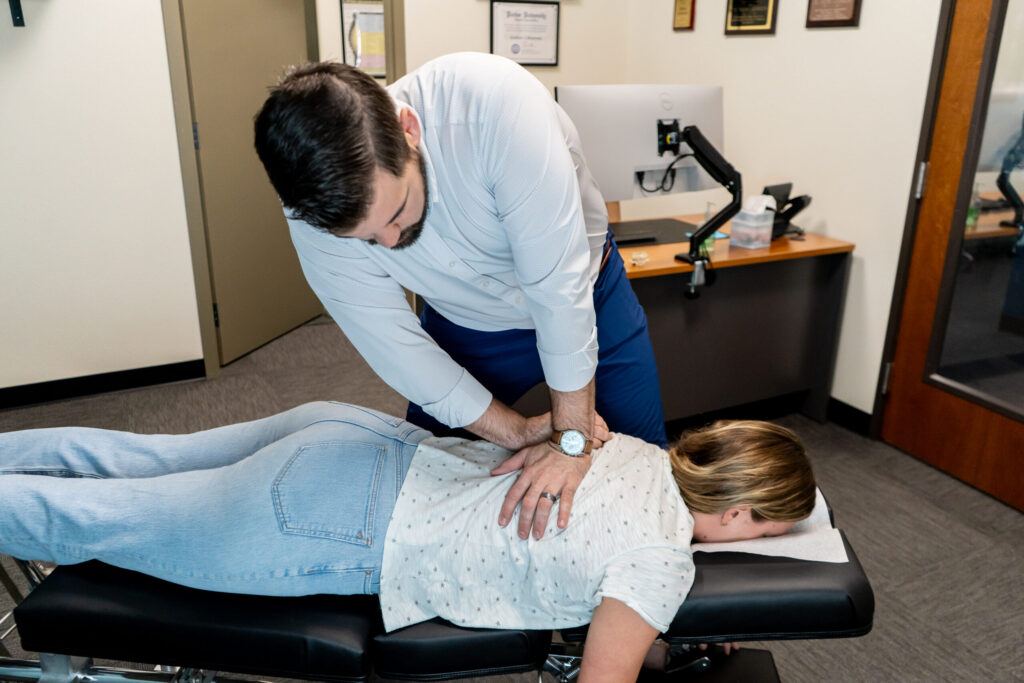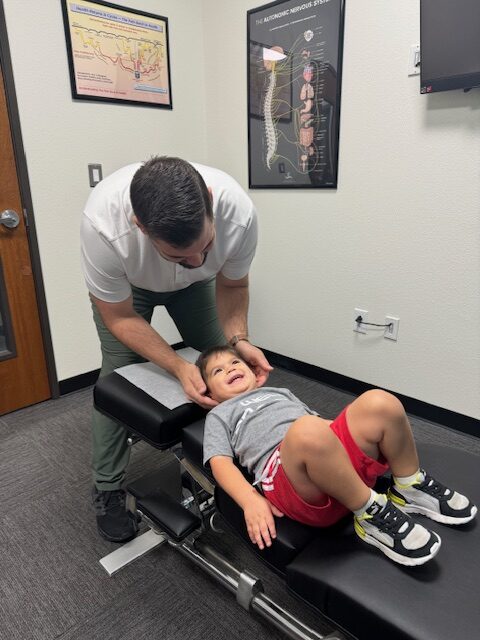

As a local chiropractor, I understand that chronic pain can feel overwhelming. However, I want to share with you that there is a path to lasting relief that extends beyond just medication. By embracing a holistic approach to your health, we can address not only the physical symptoms but also the emotional and mental elements that contribute to your discomfort.
Imagine incorporating lifestyle changes, proper nutrition, and supportive systems tailored specifically for your needs. What if the key to alleviating your pain lies in a comprehensive strategy that includes chiropractic care, mindfulness practices, and a sense of community?
Chiropractic care focuses on the alignment of your spine and overall musculoskeletal health, which can play a significant role in reducing pain and improving your quality of life. Together, we can explore how these combined elements can transform your journey toward a more fulfilling, pain-free existence. Let's take this journey together and unlock the potential for healing and wellness!
Understanding Chronic Pain
Chronic pain is a complex and often overwhelming experience that can significantly impact your daily life. As a chiropractor, I want to emphasize that it's not just about the physical discomfort; it also carries emotional and psychological burdens that can lead to feelings of isolation and frustration. Many patients find it challenging to perform everyday tasks, engage in their favorite hobbies, or maintain relationships due to persistent pain. Understanding chronic pain is crucial for finding effective, natural relief.
Chronic pain lasts longer than six months and can arise from various conditions, such as arthritis, fibromyalgia, or previous injuries. Unlike acute pain, which serves as a warning signal for immediate harm and usually resolves as healing occurs, chronic pain continues even after the initial cause has been addressed. This persistent discomfort can alter how your brain processes pain, often making you more sensitive to pain signals over time.
As you navigate your journey with chronic pain, it's essential to recognize its complexity. It's not simply an injury that needs time to heal; it's a multifaceted issue that affects both your physical and emotional well-being. You may experience fluctuations in pain intensity, which can be frustrating and unpredictable.
Understanding that chronic pain is a unique experience for each individual allows for a more tailored approach to treatment. You aren't alone in this struggle; acknowledging your feelings and experiences is the first step towards managing your pain.
Importance of a Holistic Approach
As a local chiropractor, I want to share with you the importance of taking a holistic approach to finding relief from chronic pain. Many people believe that pain is merely a physical issue, but it's essential to consider the emotional, mental, and social factors that may be influencing your experience. Our bodies, minds, and spirits are interconnected, and addressing all these aspects can lead to more effective and lasting relief.
First, let's discuss the impact of emotions on pain. Stress, anxiety, and depression can intensify your discomfort. By incorporating stress management techniques such as mindfulness, meditation, or deep-breathing exercises, you can cultivate a more balanced emotional state, which in turn can help alleviate pain.
Next, it's crucial to examine your mental health. Chronic pain can sometimes trap individuals in negative thought patterns, making it challenging to break free from suffering. Cognitive-behavioral therapy or participating in support groups can empower you to reframe your thoughts, giving you a greater sense of control over your pain.
Social support is another vital component of your healing journey. Surrounding yourself with friends, family, or even joining a community group can provide emotional comfort and encouragement. These connections can foster resilience and significantly improve your ability to cope with pain.
Lastly, don't overlook the role of lifestyle factors. Your daily habits, routines, and environment can profoundly impact your overall well-being. While we won't delve into specifics right now, embracing a holistic approach that considers these elements will set the stage for a more comprehensive and effective pain relief strategy.
As your chiropractor, I'm here to guide you through this process, ensuring that we address not just the physical symptoms of your pain but also the emotional and social aspects that contribute to your overall health.
Together, we can work towards a more balanced and fulfilling life.
Lifestyle Changes for Pain Relief
As your local chiropractor, I want to share how making certain lifestyle changes can significantly support your pain relief journey.
By placing an emphasis on diet and nutrition, engaging in regular exercise, and adopting stress management techniques, you can foster a healthier, more balanced lifestyle.
These changes not only help alleviate pain but also contribute to your overall well-being.
Embracing these practices can complement the chiropractic care you receive, leading to more effective outcomes and improved quality of life.
Let's work together to create a holistic approach to your health!
Diet and Nutrition
As a local chiropractor, I want to emphasize the significant role that diet and nutrition play in managing pain and enhancing your overall well-being. The choices you make regarding food can either contribute to your discomfort or help alleviate it.
Let's start by focusing on incorporating anti-inflammatory foods into your meals. Foods like leafy greens, berries, fatty fish, and nuts are rich in nutrients that can help reduce inflammation in your body.
It's equally important to steer clear of processed foods, sugar, and trans fats, as these can trigger inflammation and increase your pain levels. Instead, I encourage you to choose whole foods—fruits, vegetables, whole grains, and lean proteins.
Staying properly hydrated is also a key component of health; be sure to drink plenty of water throughout the day to support your body's functions.
I recommend keeping a food diary to help identify any dietary triggers that may worsen your pain. Many individuals find that items like dairy or gluten can aggravate their symptoms, so it may be beneficial to experiment with eliminating these from your diet for a time to see if you notice any changes.
Lastly, don't underestimate the importance of portion control. Overeating can lead to discomfort and can even exacerbate your pain. By making mindful choices about what and how much you eat, you can significantly impact your pain levels and overall health.
Exercise and Movement
As a local chiropractor, I want to emphasize the transformative power of regular exercise in managing pain and enhancing your overall health. Incorporating physical activity into your daily routine can significantly strengthen your muscles, increase flexibility, and improve circulation, all of which are essential for alleviating discomfort.
For those new to exercise, I recommend starting with low-impact activities such as walking, swimming, or cycling. These options are gentle on your joints while still providing substantial health benefits. Aim for at least 150 minutes of moderate aerobic activity each week, and don't forget to include strength training exercises twice a week to build resilience and support your musculoskeletal system.
Consistency is vital in establishing an effective exercise routine. Consider scheduling specific times for physical activity each week to make it a regular part of your life. Additionally, exploring practices like yoga or tai chi can be incredibly beneficial. These methods not only promote movement but also encourage body awareness and gentle stretching, which can help reduce muscle tension and stress.
Always listen to your body and be mindful of how you feel during exercise. If you encounter any pain, it's important to adjust your movements accordingly or seek guidance from a healthcare professional.
Stress Management Techniques
As a local chiropractor, I want to emphasize that stress can be a silent contributor to your pain, often intensifying any existing discomfort and hindering your healing process.
It's essential to manage stress effectively, not just for your mind, but also for your body's overall well-being.
One of the simplest yet most effective techniques is deep breathing exercises. By taking just a few minutes each day to focus on your breath, you can calm your nervous system and alleviate tension, which may help reduce pain.
Incorporating mindfulness and meditation into your routine can also be incredibly beneficial. These practices help you stay present and break the cycle of stress that can lead to physical discomfort.
There are many guided meditations available online or through various apps, making it easy for you to get started.
Another technique to consider is journaling. Writing down your thoughts and feelings provides an emotional outlet and allows you to process your stress in a constructive way.
Regular physical activity is also crucial. Exercise releases endorphins, which are your body's natural pain relievers.
Even gentle activities like walking or stretching can make a significant difference.
Lastly, don't underestimate the importance of sleep. A well-rested body is far better equipped to handle stress and manage pain effectively.
By integrating these stress management techniques into your life, you can enhance your healing process and improve your overall quality of life.
If you have any questions about how chiropractic care can support your journey to wellness, feel free to ask!
The Role of Nutrition
As your local chiropractor, I want to emphasize the significant role that proper nutrition plays in managing pain and enhancing your overall well-being. The food you choose to fuel your body can have a profound impact on inflammation, healing, and your resilience against pain. A balanced diet that includes plenty of fruits, vegetables, whole grains, lean proteins, and healthy fats is essential for optimal health.
To help reduce inflammation, I encourage you to incorporate anti-inflammatory foods into your meals. Think about including options like berries, leafy greens, and fatty fish such as salmon, which are rich in omega-3 fatty acids. These nutrients are particularly effective in fighting the inflammation that often leads to chronic pain.
And let's not forget the importance of hydration—drinking enough water is crucial for keeping your joints lubricated and supporting overall cellular health.
It's also important to be mindful of what you're putting into your body. Processed foods and added sugars can exacerbate inflammation and, as a result, increase your pain levels. I recommend limiting these types of foods, as well as refined carbohydrates, which can cause blood sugar spikes that may heighten pain sensitivity.
Furthermore, vitamins and minerals play a vital role in your health. Nutrients like magnesium and vitamin D are known to support muscle and bone health, potentially alleviating discomfort.
If you're unsure about your nutritional needs or how to make dietary changes, I encourage you to reach out to a healthcare provider or nutritionist for personalized guidance.
Exercise and Physical Activity
As a local chiropractor, I want to emphasize that managing pain goes beyond just nutrition; exercise and physical activity are crucial components of your overall health and pain relief. Engaging in regular physical activity can trigger the release of endorphins in your body—these are your natural pain relievers. Not only do they help alleviate discomfort, but they also uplift your mood, making everyday tasks feel less daunting.
You don't need to engage in intense workouts like running marathons or lifting heavy weights to experience the benefits. Simple activities such as walking, swimming, or cycling can significantly enhance your well-being. I recommend aiming for at least 150 minutes of moderate aerobic activity each week, which can be broken down into smaller, manageable sessions.
Consistency is essential; even short bursts of activity can yield long-term pain relief and improved mobility. In addition to aerobic exercise, incorporating strength training into your routine is incredibly advantageous. Building muscle not only supports your joints but also helps to alleviate stress on your body, ultimately reducing pain over time.
You can begin with body-weight exercises or resistance bands, gradually increasing the intensity as your strength improves. It's vital to listen to your body. If you experience pain while exercising, please consider modifying your routine or seeking professional guidance.
Moreover, integrating stretching and flexibility exercises can enhance your range of motion and help prevent injuries, further aiding in pain relief. As your chiropractor, I'm here to support you in your journey towards better health through natural healing practices. Together, we can develop a personalized plan that incorporates these elements for optimal results.
Mindfulness and Stress Reduction
As a chiropractor, I often see how mindfulness can play a significant role in reducing stress and improving overall well-being.
Incorporating mindfulness practices, such as deep breathing and meditation, into your daily routine can be incredibly beneficial. Not only can these techniques help manage discomfort and tension in your body, but they also foster a calmer and more focused mindset.
As you explore natural healing methods, consider how mindfulness can complement your chiropractic care for a holistic approach to your health.
Benefits of Mindfulness Practice
Stress can often feel overwhelming, but I want to share with you how cultivating mindfulness can serve as a powerful tool in your wellness journey. As a chiropractor, I see firsthand how stress impacts not only your mental health but also your physical well-being. By practicing mindfulness, you can enhance your awareness of thoughts, feelings, and bodily sensations in the present moment. This heightened awareness helps you break the cycle of stress and anxiety, allowing you to respond to life's challenges with greater clarity and calmness.
One of the significant benefits of mindfulness is its ability to reduce stress, which can often exacerbate physical issues like tension and pain. When you focus on the here and now, you can let go of worries about the past or future that typically fuel stress. Mindfulness also promotes emotional regulation, helping you manage your reactions and maintain balance even in difficult situations—something that's crucial for your overall health.
Moreover, incorporating mindfulness into your life can enhance your overall well-being, which complements the chiropractic care I provide. It encourages self-compassion and acceptance, making it easier to cope with pain or discomfort. As you cultivate this practice, many of my patients find that their resilience increases, empowering them to deal with life's ups and downs more effectively.
Integrating mindfulness into your daily routine can lead to improved mental clarity, better focus, and a greater sense of peace—all of which complement the physical adjustments and treatments I offer in the office.
This powerful tool not only helps relieve stress but also supports your journey toward lasting pain relief and emotional health. Together, we can work on both your physical alignment and your mental well-being for a holistic approach to health.
Techniques for Stress Reduction
As a local chiropractor dedicated to your holistic health, I want to share some effective techniques for stress reduction that can significantly enhance your overall well-being. One of the simplest methods you can try is deep breathing exercises. Taking a few moments to focus on your breath—inhale deeply through your nose, then exhale slowly through your mouth—can activate your body's relaxation response, helping to reduce tension and stress.
Another valuable technique is progressive muscle relaxation. This practice involves tensing and then relaxing different muscle groups throughout your body. By doing this, you can heighten your awareness of physical sensations and promote a profound sense of calm.
Visualization is also a powerful tool. Imagine a serene landscape or a place where you feel safe and content; this mental imagery can provide immediate relief from stress.
Don't underestimate the impact of physical activity either. Regular exercise not only keeps your body healthy but also releases endorphins—natural chemicals that enhance your mood and lower anxiety levels.
Lastly, consider incorporating journaling into your routine. Documenting your thoughts and feelings allows you to process emotions and clear mental clutter, making space for a more balanced mindset.
Integrating these stress reduction techniques into your daily life can empower you to manage stress more effectively, leading to improved emotional and physical health. As a chiropractor, I encourage you to explore these natural healing methods to support your journey toward wellness.
Incorporating Mindfulness Daily
As a local Chiropractor, I want to share how integrating mindfulness into your daily routine can significantly enhance your well-being, especially in conjunction with chiropractic care. Mindfulness is a powerful tool that can help you manage stress and improve your emotional resilience. By focusing on the present moment, you can reduce anxiety and promote a sense of calm—both of which are essential for your overall health.
Start by dedicating just a few minutes each day to mindful breathing. Find a quiet space, sit comfortably, and concentrate on your breath. When thoughts come to mind, acknowledge them without judgment and gently redirect your focus back to your breathing. This simple practice can be incredibly beneficial for your body and mind.
Moreover, you can incorporate mindfulness into your everyday activities. Whether you're eating, walking, or even doing household chores like washing dishes, try to engage fully in the experience. Pay attention to the textures, smells, and sounds around you. This mindful engagement not only helps ground you in the present but also complements the physical adjustments you receive in our office, enhancing their effectiveness.
I also recommend setting reminders throughout your day to pause and take a few deep breaths. You might find mindfulness apps helpful for guided sessions, or consider keeping a journal to reflect on your experiences.
The more you practice mindfulness, the easier it will become to manage stress and discomfort. By making mindfulness a daily habit, you can experience its powerful impact on your life, leading to lasting relief from pain and improved mental clarity—all while supporting your journey towards better health through chiropractic care.
Alternative Therapies to Consider
As a local chiropractor, I understand that many individuals dealing with chronic pain are often seeking effective ways to manage their discomfort. It's essential to explore alternative therapies that can complement conventional treatments and enhance your overall quality of life.
One of the most beneficial therapies available is chiropractic care. This practice involves the skilled manipulation of your spine and joints, which can alleviate pain and improve mobility. By focusing on the alignment of your musculoskeletal system, chiropractic adjustments can help restore balance and function, leading to significant relief from chronic pain.
In addition to chiropractic care, I also encourage exploring other alternative therapies that can work in conjunction with it. For instance, acupuncture is a popular option that involves the insertion of thin needles into specific points on your body, promoting relaxation and pain reduction. Many patients report positive outcomes from this ancient practice.
Massage therapy is another avenue worth considering. It can help ease muscle tension, enhance circulation, and provide a deep sense of relaxation. Whether you opt for deep tissue, Swedish, or trigger point massage, finding the right technique can make a considerable difference in your pain management journey.
Herbal remedies also deserve attention. Certain herbs, such as turmeric and ginger, are known for their anti-inflammatory properties and may contribute to pain relief. However, I always recommend consulting with a healthcare provider before starting any herbal regimen to ensure it's safe and won't interfere with your existing medications.
Moreover, incorporating practices like yoga and tai chi can be incredibly beneficial. These gentle movements not only improve flexibility and balance, but they also promote mindfulness. By focusing on your breath and body movements, you can learn to manage pain more effectively and cultivate a sense of calm.
Lastly, consider the benefits of biofeedback—a technique that teaches you how to control physiological functions. By becoming more aware of your body's responses, you can develop strategies to manage pain more effectively and empower yourself in your healing journey.
I encourage you to explore these alternative therapies alongside chiropractic care. Together, they can lead you to the relief you've been searching for and help you reclaim a more vibrant, pain-free life.
The Benefits of Sleep
As a local chiropractor dedicated to your well-being, I want to emphasize that achieving lasting pain relief involves more than just the therapies we offer—it also hinges on the quality of your rest.
Sleep plays a vital role in your body's healing processes, allowing you to recover both physically and mentally. While you sleep, your body is hard at work repairing damaged tissues, reducing inflammation, and regenerating cells. If you're not getting enough sleep, you could be hindering these essential processes, which may leave you feeling exhausted and in more pain.
Quality sleep is crucial for regulating how your body perceives pain. When you're well-rested, you become more resilient to discomfort. Conversely, insufficient sleep can heighten your sensitivity to pain, creating a challenging cycle that can be difficult to break.
After a restful night, you may find that you wake up feeling rejuvenated and better prepared to manage any pain you experience throughout the day.
I encourage you to establish a consistent sleep routine to enhance your recovery. Aim for 7-9 hours of quality sleep each night by creating a calming bedtime environment. Reducing screen time before bed and incorporating relaxation techniques like deep breathing or meditation can significantly help you unwind and improve your sleep quality.
Additionally, good sleep strengthens your immune system, which is essential for overall health and supports pain relief. A well-rested body is better equipped to fend off illnesses that may exacerbate your pain.
Incorporating sleep into your pain management strategy is crucial. By prioritizing rest, you not only improve your pain threshold but also enhance your overall well-being, setting the stage for lasting relief.
As your chiropractor, I'm here to support you on this journey toward better health, and that includes recognizing the importance of sleep in your recovery process.
Building a Support System
As your local chiropractor, I want to emphasize the importance of building a strong support system for effectively managing pain.
It's crucial to have emotional support from friends and family who understand your journey. However, don't overlook the value of professional guidance, such as chiropractic care, in your healing process.
By combining the encouragement of your loved ones with the expertise of healthcare professionals, you can empower yourself to achieve lasting relief and improve your overall well-being.
Together, we can explore natural healing methods that work for you.
Importance of Emotional Support
As a chiropractor, I understand that managing the challenges of chronic pain can be a daunting journey. One crucial aspect that often gets overlooked is the importance of having a strong emotional support system in place. Surrounding yourself with understanding and compassionate individuals can significantly enhance your overall well-being as you navigate through pain management.
Creating a network of support—whether it be family, friends, or even dedicated support groups—can play a vital role in your healing journey. Here are some benefits of fostering this emotional support system:
- Validation: When you have friends and family who understand your pain, it helps you feel validated and appreciated in your experience.
- Encouragement: Supportive individuals can motivate you to engage in activities that not only bring you joy but also complement your chiropractic care by promoting movement and wellness.
- Shared Experiences: Connecting with others who face similar challenges can create a sense of community and remind you that you aren't alone in your journey.
- Emotional Outlet: Having someone to talk to about your feelings and frustrations can be incredibly therapeutic, providing an essential outlet for emotional expression.
As you embark on your path to healing, remember that emotional support is just as important as the physical adjustments and therapies you receive in chiropractic care.
Together, we can work towards a holistic approach to your health and well-being.
Finding Professional Help
As a local chiropractor, I want to emphasize the importance of having a strong emotional support system while also seeking professional help for chronic pain. Chiropractic care can play a vital role in your journey toward relief and recovery. It all begins with a thorough assessment of your condition, where I can evaluate your pain and develop a personalized treatment plan tailored to your specific needs.
Chiropractic adjustments focus on realigning the spine and improving overall function, which can alleviate pain and enhance mobility. In addition to spinal adjustments, I may recommend exercises that strengthen your core and support your musculoskeletal system. These exercises are specifically designed to improve your range of motion and reduce discomfort.
It's also crucial to address the emotional aspects of chronic pain. I encourage you to consider the benefits of mental health support. Chronic pain can impact your emotional well-being, and having a therapist to help you develop coping strategies can be invaluable.
Building a support system isn't just about professional help; it's also about connecting with others who understand what you're going through. I recommend looking into local or online support groups where you can share experiences and learn from those facing similar challenges.
Remember, you're not alone in this journey. By combining chiropractic care with emotional support, you can create a comprehensive approach that addresses both the physical and emotional components of chronic pain.
Take that first step, and don't hesitate to reach out for the natural healing assistance you deserve.
Seeking Professional Guidance
When it comes to managing lasting pain, exploring chiropractic care can be a transformative experience. You don't have to face this journey alone; as a local chiropractor, I'm here to guide you with personalized strategies and support that can truly make a difference.
Chiropractic care focuses on understanding the connection between your spine and overall health, allowing us to address the root causes of your discomfort and develop a tailored treatment plan just for you.
Here are some key benefits of seeking chiropractic care:
- Comprehensive Assessment: I'll conduct a thorough examination to identify the underlying issues contributing to your pain, ensuring we target the right areas for treatment.
- Personalized Treatment Plans: Together, we'll create a plan that aligns with your specific needs, incorporating your lifestyle and preferences to promote healing naturally.
- Ongoing Support: With regular visits, I'll provide continuous support and adjustments to your treatment as needed, helping you stay motivated on your path to recovery.
- Holistic Approaches: As a chiropractor, I utilize a variety of techniques, including spinal adjustments and rehabilitative exercises, to enhance your body's natural ability to heal and alleviate pain effectively.
Let's work together to unlock your body's potential for healing and improve your quality of life through chiropractic care.
Conclusion
As your local chiropractor, I want to share some insights into achieving lasting pain relief through a holistic approach. It's important to understand that true healing involves more than just treating symptoms; it encompasses a lifestyle transformation. By making positive changes in your daily habits, focusing on nourishing your body with the right foods, staying physically active, and considering alternative therapies, you can take significant steps toward regaining control over your health.
Don't overlook the crucial role of quality sleep and a supportive network of friends and family—they are essential components of your recovery journey. I encourage you to seek professional guidance, like chiropractic care, to develop a personalized plan that suits your unique needs. With dedication and perseverance, I believe that you can achieve a fulfilling, pain-free life. Together, we can explore the natural healing options that chiropractic offers and help you on your path to wellness.