If you're struggling with persistent neck pain, you might wonder whether certain methods can offer relief. By exploring therapeutic techniques, ergonomic adjustments, and even lifestyle changes, you could find a combination that works for you. From physical therapy to alternative therapies like acupuncture, there are various approaches worth considering. But before you decide on a course of action, it's essential to understand the underlying causes of your discomfort and how each method may address those issues. What strategies might be most effective for your specific situation?
Understanding Neck Pain Causes
When it comes to understanding neck pain causes, it's essential to recognize the various factors that can contribute to discomfort. You might find that poor posture is one of the most common culprits. If you spend long hours hunched over a computer or looking down at your phone, your neck muscles can become strained, leading to pain and stiffness.
Another factor to take into account is muscle strain from overexertion or sudden movements. If you've recently engaged in heavy lifting or an intense workout, your neck might protest.
Even sleeping in an awkward position can result in discomfort the next day. The pillow you use could be too high or too flat, putting your neck in an unnatural position overnight.
Injuries from accidents or falls can also be significant contributors to neck pain. Whiplash, for instance, is a common injury that occurs during car accidents, leading to inflammation and pain.
Additionally, age-related conditions like osteoarthritis can result in degenerative changes in your neck, causing chronic pain over time.
Stress and tension are additional factors that often go overlooked. You might notice that when you're stressed, you subconsciously tighten your neck and shoulder muscles, which can lead to discomfort.
Identifying these causes is the first step towards finding relief. By understanding what's contributing to your neck pain, you can take proactive measures to address it effectively.
Physical Therapy Techniques
While various methods can help alleviate neck pain, physical therapy techniques stand out as a highly effective option. These techniques focus on addressing the root causes of your discomfort, improving mobility, and strengthening the muscles surrounding your neck. When you work with a physical therapist, they'll assess your condition and tailor a treatment plan specifically for you.
One common physical therapy technique is manual therapy, where your therapist uses their hands to manipulate your neck and surrounding tissues. This can help reduce stiffness and improve blood flow, promoting healing.
Additionally, your therapist may employ modalities such as heat, ice, or ultrasound to manage pain and inflammation effectively.
Another vital aspect of physical therapy involves educating you about your posture and ergonomics. Poor posture can contribute considerably to neck pain, so learning how to maintain proper alignment during daily activities is essential. Your therapist will guide you on how to adjust your workstation, ensuring you're set up for success.
Strengthening exercises are also a key component of physical therapy. By targeting specific muscle groups, you'll build strength and stability, reducing the risk of future injuries. Your therapist will introduce you to various exercises that not only strengthen your neck but also improve overall body mechanics.
Incorporating these physical therapy techniques into your recovery plan can lead to considerable improvements in your neck pain. By committing to your treatment, you can regain mobility and enhance your quality of life.
Stretching Exercises for Relief
Incorporating stretching exercises into your routine can greatly enhance the benefits gained from physical therapy techniques. These exercises can help alleviate tension, improve flexibility, and promote overall neck health. When done consistently, they can also prevent future discomfort.
To get started, try the neck tilt stretch. Sit or stand comfortably, keeping your back straight. Gently tilt your head to one side, bringing your ear toward your shoulder. Hold this position for about 15-30 seconds, feeling the stretch along the side of your neck. Switch sides and repeat. You'll notice how this simple movement can help release tightness.
Next, consider the chin tuck exercise. This one's great for improving posture, which can be a major contributor to neck pain. Sit up straight and pull your chin back, as if you're trying to create a double chin. Hold for 5 seconds, then relax. Repeat this 10 times. You'll strengthen the muscles that support your neck, reducing strain.
Another effective stretch is the shoulder shrug. Raise your shoulders toward your ears, hold for a few seconds, then release. This can relieve tension in your upper back and neck. Aim for 10 repetitions.
Lastly, don't forget the upper trapezius stretch. Gently pull your head to one side with the opposite hand, holding for 15-30 seconds. This targets the muscles that often contribute to discomfort.
Mindfulness and Relaxation Practices
Mindfulness and relaxation practices can greatly reduce neck pain by promoting mental and physical calmness. When you engage in these techniques, you allow your body to release tension and stress that often contribute to discomfort.
Mindfulness encourages you to focus on the present moment, which can help you become aware of any tightness or strain in your neck. By acknowledging these sensations without judgment, you create an opportunity for relaxation.
Start with deep breathing exercises. Inhale deeply through your nose, allowing your abdomen to expand, and then exhale slowly through your mouth. Repeat this for several minutes. This simple practice calms your nervous system and helps reduce muscle tension.
You might also find guided meditation helpful. These sessions often incorporate visualization, where you imagine a peaceful scene, which can further ease stress and promote relaxation.
Yoga is another excellent practice that combines mindfulness with physical movement. Poses like Child's Pose or Cat-Cow can gently stretch and relieve tension in your neck and shoulders while encouraging mindfulness.
Even a few minutes a day can help you reconnect with your body and reduce pain.
Finally, consider incorporating progressive muscle relaxation. This technique involves tensing and then relaxing each muscle group, starting from your toes and moving up to your neck.
Ergonomic Workplace Adjustments
To ease neck pain, you need to optimize your desk setup and guarantee your chair provides proper support.
Adjusting your monitor height and using an ergonomic chair can greatly improve your posture.
Making these changes can help you work more comfortably and reduce strain on your neck.
Desk Setup Optimization
Regularly optimizing your desk setup can greatly reduce neck pain and improve your overall comfort while working.
Start by adjusting your monitor height so that the top of the screen is at or just below eye level. This position helps keep your neck in a neutral position, preventing strain.
Next, make sure your keyboard and mouse are at a height that allows your elbows to stay close to your body and bent at about 90 degrees. This minimizes shoulder tension, which can contribute to neck discomfort.
Also, consider the distance from your eyes to the screen. Ideally, it should be about an arm's length away to reduce eye strain and encourage better posture.
Don't forget about lighting! Position your monitor to minimize glare from windows or overhead lights. This helps avoid unnecessary head tilting or twisting to see the screen clearly.
Finally, take regular breaks to stretch and move around. Standing up and shifting your position can alleviate tension in your neck and shoulders.
Chair Support Importance
A well-supported chair can make a significant difference in your comfort and productivity at work. When you spend hours seated, having the right support isn't just a luxury—it's essential for preventing neck pain and promoting overall well-being.
Here's how you can enhance your chair support to alleviate discomfort:
- Adjustability: Choose a chair that allows you to adjust the height and backrest. This way, you can customize it to fit your body perfectly.
- Lumbar Support: Look for chairs with built-in lumbar support or consider adding a cushion. This helps maintain the natural curve of your spine, reducing strain on your neck.
- Armrests: Select a chair with adjustable armrests. Proper arm support can prevent shoulder tension and help keep your neck relaxed.
- Material: Opt for breathable, supportive materials. A chair with good padding can make long hours more bearable, while breathable fabrics keep you cool and comfortable.
Heat and Cold Therapy
When you're dealing with neck pain, heat and cold therapy can be game-changers.
Heat therapy helps relax muscles and improve blood flow, while cold therapy reduces inflammation and numbs sharp pain.
Knowing how to use these techniques effectively can make a big difference in your recovery.
Benefits of Heat Therapy
Heat therapy stands out as an effective way to ease neck pain and promote relaxation. By applying heat to your neck, you can increase blood flow, reduce stiffness, and soothe sore muscles.
Whether you're dealing with tension from work or an injury, heat therapy can be a game-changer.
Here are some key benefits of heat therapy to reflect on:
- Increases Blood Circulation: Heat expands blood vessels, allowing more oxygen and nutrients to reach the affected area, which aids in healing.
- Relaxes Muscles: Applying heat helps to relax tight muscles, making it easier for you to move your neck without discomfort.
- Reduces Pain Sensation: The warmth can block pain signals to the brain, providing immediate relief from sharp or nagging pain.
- Enhances Flexibility: Regular use of heat can improve your neck's range of motion, making daily activities more manageable.
Incorporating heat therapy into your routine can lead to significant relief.
Just be sure to use it safely, avoiding extreme temperatures that might cause burns.
Enjoy the soothing benefits it offers!
Cold Therapy Techniques
Utilizing cold therapy can be an effective way to combat neck pain, especially after an injury or during flare-ups of discomfort. Cold therapy helps reduce inflammation and numb sore tissues, providing quick relief.
To get started, grab a cold pack or a bag of frozen vegetables wrapped in a thin cloth. Never apply ice directly to your skin, as it can cause frostbite.
Apply the cold pack to the affected area for about 15-20 minutes at a time. You can repeat this every hour, especially in the first 48 hours after an injury. If you're dealing with chronic neck pain, consider using cold therapy before activities that might exacerbate your discomfort.
Another option is a cold compress, which can be made by soaking a cloth in cold water or ice water and applying it to your neck.
If you prefer a more portable option, cold gel packs are easy to keep in the freezer and use whenever needed.
Alternative Therapies to Consider
For those seeking relief from neck pain, alternative therapies can offer effective solutions beyond conventional treatments. These approaches often focus on holistic healing, addressing not just the symptoms but also the underlying causes of discomfort.
Here are some alternative therapies you might consider:
- Acupuncture: This ancient Chinese practice involves inserting thin needles into specific points on the body. It can help stimulate energy flow and reduce pain, providing relief for many who suffer from neck issues.
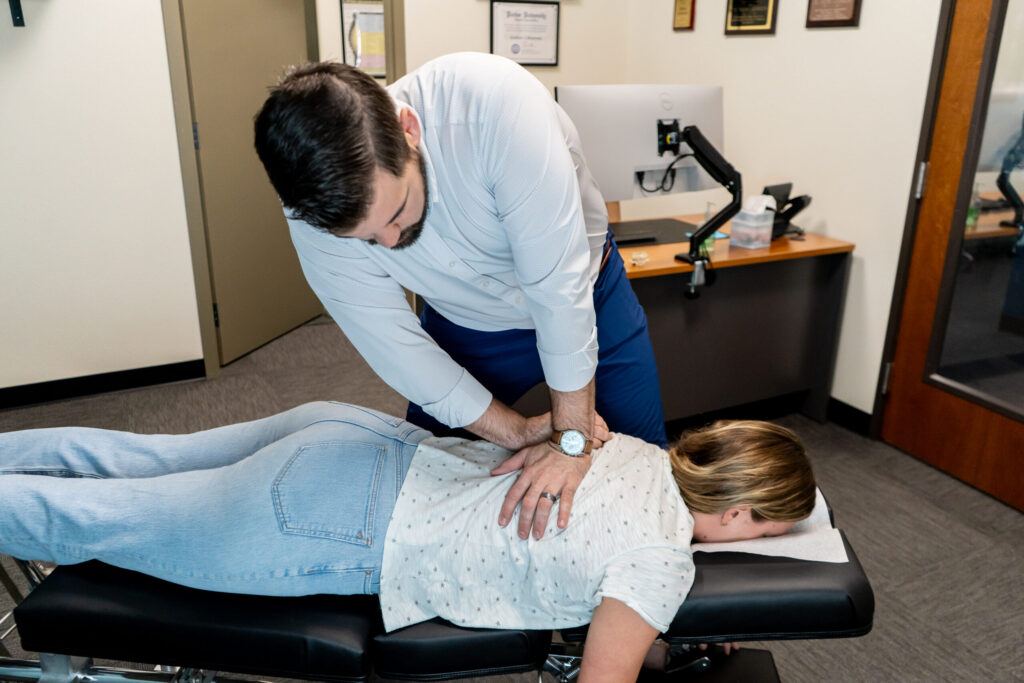
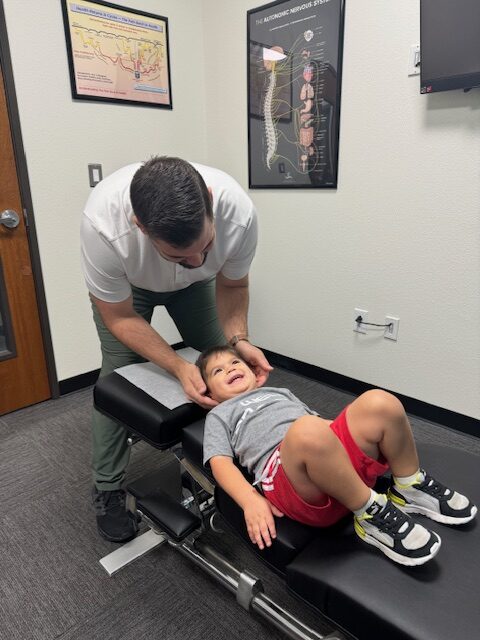
- Chiropractic Care: Chiropractors use manual manipulation to align the spine and relieve pressure on nerves. This hands-on technique can improve mobility and reduce pain in your neck considerably.
- Massage Therapy: Therapeutic massage can help relax tense muscles, improve circulation, and release endorphins. Regular sessions can be particularly beneficial if your neck pain stems from muscle strain or stress.
- Yoga: Practicing yoga not only enhances flexibility but also strengthens the muscles supporting your neck. Specific poses can promote better posture and alleviate tension, making it a great option for long-term relief.
Incorporating these alternative therapies into your routine may provide the relief you're looking for.
It's crucial to consult with a healthcare professional before starting any new treatment to verify it's right for you.
With the right approach, you can find effective ways to manage your neck pain and enhance your overall well-being.
Lifestyle Changes for Prevention
Making lifestyle changes can markedly reduce your risk of developing neck pain in the first place. Start by evaluating your posture throughout the day. Whether you're sitting at a desk, using your phone, or watching TV, maintaining proper alignment is vital. Keep your shoulders back, and your head aligned over your spine. Consider using ergonomic furniture to support your body better.
Next, incorporate regular physical activity into your routine. Engaging in exercises that strengthen your neck, shoulders, and back can provide stability and flexibility, which are fundamental for preventing pain. Activities like yoga, swimming, or even stretching can promote good posture and alleviate tension.
Be mindful of your screen time. Take frequent breaks to prevent strain from prolonged periods of looking down or at a screen. Try the 20-20-20 rule: every 20 minutes, take a 20-second break to look at something 20 feet away. This simple practice helps to reduce eye strain, which can contribute to neck discomfort.
Additionally, assess your sleep habits. Verify your pillow supports your neck properly and that you're not sleeping in a position that twists or strains your neck. Aim for a consistent sleep schedule to promote overall health.
Lastly, manage stress through relaxation techniques such as deep breathing or meditation. Stress can lead to muscle tension, which often manifests as neck pain.
When to Seek Professional Help
Knowing when to seek professional help for neck pain is vital for effective recovery. While some discomfort may resolve on its own, certain signs indicate it's time to consult a healthcare professional. Ignoring these signs could lead to prolonged pain or complications.
Here are four key indicators that you should reach out for help:
- Persistent Pain: If your neck pain lasts more than a week without improvement, it's wise to see a doctor. Chronic pain often requires professional assessment and intervention.
- Severe Symptoms: Experiencing intense or sharp pain that interrupts daily activities is a red flag. Such symptoms may signify an underlying issue that needs immediate attention.
- Numbness or Tingling: If you notice numbness, tingling, or weakness in your arms or hands, don't wait. These sensations can point to nerve involvement and require prompt evaluation.
- Injury or Trauma: If your neck pain follows an injury, like a fall or car accident, it's imperative to get checked out. Even minor injuries can lead to serious complications if left untreated.
Conclusion
Incorporating these methods into your routine can truly help relieve neck pain and improve your overall well-being. By understanding the causes of your discomfort, engaging in physical therapy, and making ergonomic adjustments, you can take control of your health. Don't forget to explore mindfulness practices and alternative therapies to enhance your recovery. Remember, consistency is key, and if your pain persists, don't hesitate to seek professional help. Your neck deserves the care it needs!