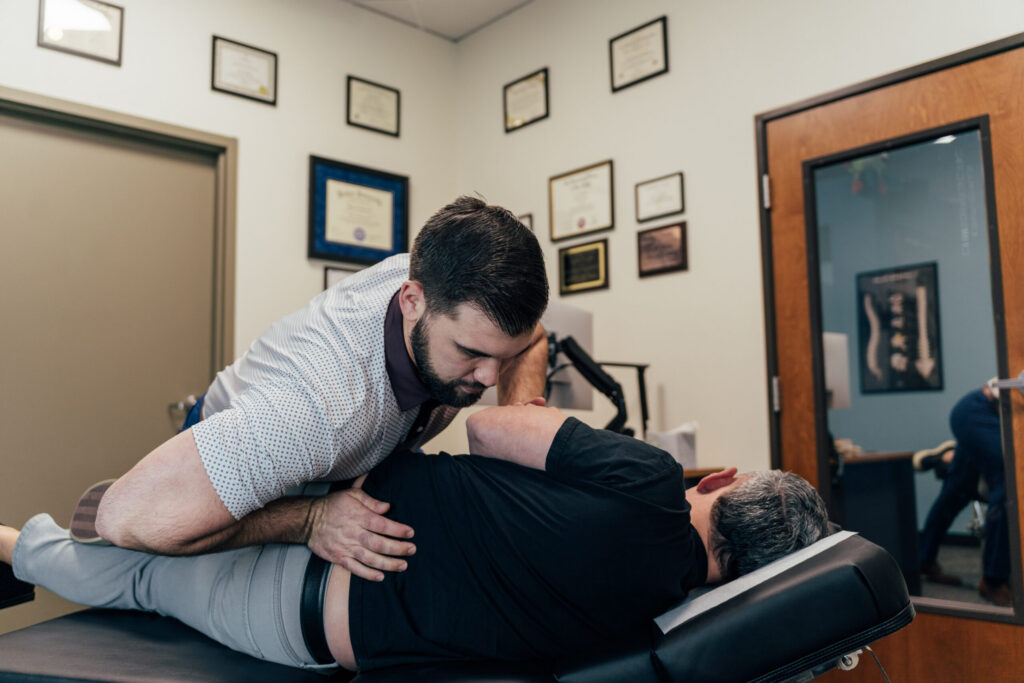

As a local chiropractor, I want to share some insights for athletes dealing with sports-related back pain. It's crucial to realize that managing this pain requires more than just quick fixes. Early detection of symptoms is key, and seeking a professional assessment can set you on the right path to recovery.
Chiropractic care offers effective treatment options that not only help alleviate discomfort but also play a vital role in your overall healing process. Through tailored adjustments and a focus on proper alignment, we can help restore your body's function, enhance your performance, and reduce the risk of future injuries.
In addition to chiropractic adjustments, incorporating physical therapy and maintaining proper nutrition are essential components of your recovery plan. As you delve into these holistic strategies, you may discover that achieving a pain-free athletic life involves a comprehensive approach that goes beyond what you might have initially considered.
So, what are the first crucial steps you should take on this journey to recovery? Let's explore the key elements together!
Understanding Back Pain Causes
As a local chiropractor, I often see patients who are unaware of how much strain their backs endure during physical activities. Whether you're playing on the field or court, every sprint, jump, and twist can put significant pressure on your spine and surrounding muscles, leading to discomfort or even injury.
It's essential to understand the causes of back pain to prevent long-term issues and maintain optimal performance. One of the primary contributors to back pain is poor posture. Activities like sprinting in soccer or bending over in tennis can lead to improper alignment, placing stress on your back muscles.
Additionally, weak core muscles can make your spine more vulnerable to injury, as they serve as a crucial support system. Overtraining is another factor; when you push yourself too hard, fatigue can set in, leading to compromised form and an increased risk of back pain.
Another common issue I encounter is the lack of adequate warm-ups and cool-downs. Failing to prepare your muscles can result in stiffness and tension, making you more susceptible to injuries.
Repetitive motions, such as those seen in swimming or basketball, can also contribute to wear and tear on your back over time. Let's not overlook the role of equipment. Using shoes or gear that don't fit properly can alter your biomechanics, leading to discomfort and potential injury.
By being mindful of these factors, you can take proactive steps to reduce your risk of back pain and stay active. Incorporating strength training, stretching, and proper recovery techniques into your routine can significantly help keep your back healthy.
As your chiropractor, I'm here to support you in understanding your body and guiding you toward natural healing methods that promote overall wellness and help you stay in the game. If you're experiencing back pain or want to learn more about preventative care, don't hesitate to reach out.
Recognizing Symptoms Early
As your local chiropractor, I want to emphasize the importance of recognizing the common signs of back pain, such as stiffness or sharp discomfort, particularly if you lead an active lifestyle, including sports.
Being aware of these symptoms early on can significantly impact your recovery journey. A timely diagnosis not only aids in managing your pain effectively but also plays a crucial role in preventing further injuries in the future.
By understanding these indicators, you can take proactive steps toward natural healing and maintaining your overall well-being.
Common Back Pain Indicators
As a local chiropractor, I want to help you understand the common signs of back pain that can often be overlooked. Recognizing these indicators early can greatly enhance your recovery and overall well-being.
Whether you're a seasoned athlete or someone who enjoys weekend activities, being mindful of these symptoms is crucial in preventing more serious issues.
First and foremost, be aware of any persistent discomfort or stiffness in your lower back. If you notice tightness following intense physical activities, it could be your body's way of signaling that something isn't right.
Additionally, sharp or radiating pain that travels down your legs can indicate nerve involvement, which is a symptom that shouldn't be ignored, as it may affect your mobility and strength.
Another important sign to watch for is a limited range of motion. If you find yourself struggling to bend, twist, or stretch without experiencing pain, it may be time to evaluate your current training or daily habits.
Muscle spasms, characterized by sudden and painful contractions in your back muscles, are also a common indicator of underlying issues.
Lastly, if you experience fatigue in your back during physical activity, it could suggest that there are deeper problems at play.
Don't dismiss these indicators. Being proactive about your health can help you maintain your physical performance and prevent further injury.
Always listen to your body, and consider seeking guidance to address these concerns through natural healing methods like chiropractic care. Together, we can work towards achieving optimal health and wellness.
Importance of Timely Diagnosis
As a local chiropractor, I want to emphasize the critical importance of timely diagnosis when it comes to managing sports-related back pain. Recognizing symptoms early can make a significant difference in your recovery and overall well-being. When you address minor issues promptly, you can prevent them from developing into chronic conditions that may sideline you for weeks or even months.
If you're experiencing persistent pain, stiffness, or discomfort, it's essential not to ignore these signs. Seeking help early allows me and my team to accurately assess your condition and recommend appropriate, natural treatments tailored to your needs.
Whether it's through adjustments, physical therapy, or lifestyle modifications, addressing the problem early on can greatly enhance your recovery time and get you back to your active lifestyle sooner.
Moreover, understanding the root cause of your back pain is crucial. It could be related to poor posture, muscle strain, or an underlying condition that needs attention. By getting a timely diagnosis, we can work together to address these underlying issues before they interfere with your performance and overall health.
Importance of Professional Assessment
As a local chiropractor, I want to emphasize the crucial role of a professional assessment for anyone dealing with sports-related back pain. It's common to think you can simply push through the discomfort or diagnose yourself, but this approach can lead to more severe problems in the long run.
By consulting with a qualified healthcare professional, you ensure that you receive an accurate diagnosis tailored to your unique symptoms and medical history.
During your assessment, I'll carefully evaluate your posture, flexibility, and strength. I'll ask you detailed questions about the onset of your pain, what activities exacerbate it, and any past injuries you may have sustained. This comprehensive evaluation is essential in pinpointing the underlying cause of your discomfort and developing a personalized treatment plan that suits your needs.
Additionally, as a chiropractor, I can distinguish between various types of back pain. Some issues may arise from simple muscle strains, while others could be indicative of more serious conditions, such as herniated discs or spinal injuries. Gaining a clear understanding of your condition is vital for effective pain management and recovery.
Neglecting your pain or relying solely on home remedies can impede your healing process and potentially lead to chronic issues. By seeking a professional assessment, you take a proactive step toward understanding your back pain and initiating your healing journey.
This not only supports your immediate recovery but also plays a vital role in preventing future injuries. When it comes to sports-related back pain, don't underestimate the value of professional chiropractic care—it's the first step toward overcoming your pain and getting back to the activities you love!
Effective Treatment Options
As a local chiropractor, I want to take a moment to educate you about effective treatment options for back pain that can help you achieve a healthier, more active lifestyle. After undergoing a thorough professional assessment, it's essential to explore various treatment avenues that are tailored to your specific needs.
One of the first steps in your recovery journey could be physical therapy. This involves working with a skilled therapist who'll guide you through targeted exercises aimed at strengthening your back and enhancing your flexibility. Not only can these exercises help alleviate your pain, but they also serve as a preventive measure against future injuries.
Chiropractic care is another vital component of your treatment plan. As a chiropractor, I utilize hands-on techniques to adjust your spine and improve alignment. Many patients experience immediate relief from pain and discomfort following these adjustments, allowing for better mobility and overall well-being.
Medication can complement your treatment, but I encourage exploring natural alternatives first. Nonsteroidal anti-inflammatory drugs (NSAIDs) may reduce inflammation and pain, and in cases of muscle spasms, muscle relaxants might be recommended by your healthcare provider. However, I believe in the power of natural healing methods as a first line of defense.
For those grappling with more severe pain, options like corticosteroid injections may be suggested to provide temporary relief, enabling you to participate more comfortably in physical therapy. However, my focus is on helping you find long-term solutions through natural means.
Additionally, alternative treatments such as acupuncture and massage therapy can be incredibly beneficial. These approaches can help alleviate tension, enhance circulation, and promote overall recovery, aligning perfectly with the principles of chiropractic care.
Remember, the best treatment plan for your back pain is personalized to fit your unique situation. Regular communication with me, your chiropractor, ensures that your treatment evolves as you progress on your healing journey.
Rehabilitation and Recovery Techniques
As a local chiropractor, I want to share the importance of effective rehabilitation techniques when recovering from sports-related back pain. Chiropractic care offers a holistic approach that not only addresses the pain but also promotes overall healing.
Through personalized treatment plans, I can guide you in performing tailored exercises that are designed to strengthen your back and enhance your recovery process.
Incorporating essential strengthening exercises into your routine is crucial. These exercises help build a solid foundation for long-term recovery, ensuring that you not only heal but also prevent future injuries.
My goal is to educate you on how natural healing can be achieved through chiropractic adjustments, therapeutic exercises, and lifestyle modifications. Together, we can work towards restoring your strength and getting you back to doing what you love.
Physical Therapy Approaches
As a local chiropractor, I want to shed light on how natural healing methods can effectively address sports-related back pain, which can be quite debilitating. It's essential to begin your journey to recovery by consulting with a qualified chiropractor who can evaluate your unique condition and develop a tailored treatment plan just for you.
One of the foundational techniques we use in chiropractic care is spinal manipulation. This hands-on approach helps to align your spine and relieve tension in the surrounding muscles, which can alleviate pain and enhance your mobility.
We may also employ various therapeutic modalities, such as heat or cold therapy, to reduce inflammation and foster healing in the affected areas.
Education plays a crucial role in our practice. I'll guide you in understanding proper body mechanics and posture, which are vital in preventing future injuries.
Additionally, we may use tools like ultrasound or electrical stimulation to promote healing, ease discomfort, and improve circulation in your back.
A significant part of your recovery will involve gentle stretching routines that I'll introduce to you. These exercises not only aim to improve your flexibility but also help release tightness in your back.
This comprehensive approach not only addresses your current pain but also equips you with the knowledge and skills needed to prevent future occurrences, allowing you to confidently return to your favorite sport.
Embrace the power of chiropractic care and natural healing for a healthier, pain-free lifestyle!
Strengthening Exercises Essentials
As a chiropractor, I often see patients who are dealing with sports-related back pain. One of the most effective ways to not only recover but also prevent future injuries is by incorporating strengthening exercises into your routine.
These exercises specifically target the muscles that support your spine, which is crucial for enhancing both stability and flexibility. Let me share three key benefits of adding these exercises to your regimen:
- Increased Core Stability: A robust core is vital for supporting your spine. When your core is strong, it significantly reduces the risk of injuries during physical activities, allowing you to enjoy sports without the constant fear of pain.
- Improved Posture: By strengthening your back and abdominal muscles, you can promote better posture. This improvement can alleviate discomfort and pain, making daily activities much more enjoyable.
- Enhanced Athletic Performance: Stronger muscles can lead to better performance in your chosen sport. When your body is better equipped, you can train harder and longer, which is essential for achieving your athletic goals without the looming threat of injury.
I recommend starting with exercises that engage your core, glutes, and back muscles. Planks, bridges, and bird-dogs are fantastic options to consider.
Aim to incorporate these exercises into your routine two to three times a week, gradually increasing the intensity as you build strength.
Pay attention to your body; if something doesn't feel right, please reach out to a healthcare professional, such as myself, for guidance.
Remember, consistency is crucial. With a committed approach to your strengthening routine, you can't only recover from back pain but also build a solid foundation to face future challenges.
Let's work together to help you on your path to better health and performance!
Strengthening Exercises for Prevention
As a local chiropractor, I want to emphasize the importance of incorporating targeted strengthening exercises into your routine to help prevent sports-related back pain.
By focusing on your core, glutes, and back muscles, you can build a strong foundation that not only supports your spine but also enhances your overall performance while reducing the risk of injury.
Let's start with planks, which are fantastic for engaging your entire core. A strong core stabilizes your back during physical activities. I recommend aiming for three sets of 30 seconds, gradually increasing the duration as you become stronger.
Next, consider adding bridges to your routine. To perform this exercise, lie on your back with your knees bent and lift your hips toward the ceiling, making sure to squeeze your glutes at the top. Aim for three sets of 10 to 15 repetitions, concentrating on maintaining controlled movements.
Bird-dogs are another excellent exercise. Begin in a tabletop position and extend one arm while simultaneously extending the opposite leg, ensuring your hips remain level. Hold this position for a few seconds, then switch sides. This exercise not only improves your balance but also strengthens your back. Aim for three sets of 10 on each side.
Lastly, I encourage you to incorporate wall sits into your routine. Stand with your back against a wall and slide down into a seated position, holding it for 30 seconds. This exercise strengthens your legs while also engaging your core, providing additional support for your back.
By integrating these exercises into your daily routine, you can take proactive steps towards protecting your spine and maintaining your overall health.
If you have any questions or would like more personalized guidance, feel free to reach out. Your well-being is my priority!
Proper Lifting Techniques
As a local chiropractor, I want to emphasize the importance of proper lifting techniques for your overall health and well-being. While exercises like planks and bridges are excellent for building a strong foundation and preventing injuries, knowing how to lift correctly is equally vital.
Using appropriate lifting methods can help you avoid unnecessary strain and reduce the risk of back injuries, both during sports and in everyday activities. Here are some essential tips to keep in mind before you lift something heavy:
- Bend at your knees: Instead of bending over at your waist, squat down and use your legs to lift. This technique engages your powerful leg muscles and protects your back from strain.
- Keep the load close: Always hold the object as close to your body as possible. By minimizing the distance between the load and your spine, you reduce the leverage on your back and lower the risk of injury.
- Engage your core: Before lifting, tighten your abdominal muscles. A strong core is crucial for stabilizing your spine and providing extra support during the lift.
By employing these techniques, you significantly lower your chances of experiencing back pain.
It's important to assess the weight and size of any object before attempting to lift it. If it feels too heavy or awkward, don't hesitate to ask for assistance or use helpful tools like a dolly.
Additionally, maintaining a neutral spine throughout the lift is vital. Avoid twisting your body while lifting, as this can place additional stress on your back.
By incorporating these strategies into your daily routine, you'll not only enhance your physical performance but also protect your back from future injuries.
Remember to stay mindful of your lifting practices, and your body will thank you! If you have any questions or need further guidance on safe lifting techniques, feel free to reach out. Your health is our priority!
The Role of Flexibility
As a local chiropractor, I want to emphasize the vital role that flexibility plays in both preventing and managing back pain, especially for those who lead active lifestyles.
By integrating dynamic and static stretching into your daily routine, you can enhance your overall flexibility and significantly lower your risk of injury.
Let me share some effective flexibility exercises that not only promote your well-being but also help you maintain peak performance, keeping you on the field and away from the sidelines.
Importance of Stretching
As a local chiropractor, I want to emphasize the vital role that stretching plays in maintaining a healthy, pain-free back, especially for those involved in sports. Many people may not realize that regular stretching can significantly enhance flexibility, which in turn helps prevent sports-related back pain.
When you incorporate stretching into your routine, you not only improve your range of motion in muscles and joints but also lower your risk of injury during physical activities.
Here are some key benefits of stretching that I encourage my patients to consider:
- Increased Blood Flow: Stretching promotes better circulation, allowing essential nutrients and oxygen to reach your muscles more effectively. This can aid in recovery and help reduce stiffness, making your body feel more agile.
- Improved Posture: Regular stretching helps to correct muscle imbalances and align the spine, which is crucial for maintaining good posture. Proper posture reduces strain on your back and can alleviate discomfort.
- Enhanced Performance: Greater flexibility often translates to improved athletic performance. You may notice that your movements become more efficient, leading to less fatigue during your activities.
I urge you to make stretching a priority in your training regimen. Whether you choose to incorporate dynamic stretches as part of your warm-up or focus on static stretches during your cool-down, dedicating time to this practice can significantly benefit your long-term back health.
Flexibility isn't merely about being limber; it's a fundamental aspect of your overall physical well-being and crucial for achieving success in your sports endeavors.
As your chiropractor, I'm here to guide you on your journey to a healthier lifestyle, and I believe that understanding the importance of stretching is a key step in that process.
Dynamic vs. Static Flexibility
As a local chiropractor, I want to help you understand the importance of flexibility in preventing sports-related back pain. Flexibility is a crucial component of your overall performance and plays a significant role in injury prevention.
There are two main types of flexibility that I'd like to explain: dynamic and static flexibility.
Dynamic flexibility refers to the ability to move your body parts through a full range of motion, which helps increase blood flow and prepares your muscles for activity. Think of it as a warm-up; exercises like leg swings or arm circles are excellent examples.
By incorporating dynamic flexibility into your daily routine, you can enhance your athletic performance and significantly lower your chances of sustaining injuries, including back pain.
In contrast, static flexibility is about holding a stretch without any movement. This type of flexibility is typically developed during your cool-down phase after physical activity and aids in improving muscle length and joint range.
While static stretching is essential for recovery and maintaining overall flexibility, relying solely on these stretches may not be sufficient to prevent back pain during sports activities.
Understanding both types of flexibility can empower you to better prepare your body for physical activity, reduce your risk of injury, and maintain optimal health.
Flexibility Exercises for Athletes
As a local chiropractor, I want to emphasize the importance of flexibility exercises in enhancing overall athletic performance and minimizing the risk of injuries related to sports. Incorporating flexibility training into your routine can lead to improved range of motion, reduced muscle tightness, and better body mechanics.
Here are some key benefits of incorporating flexibility exercises into your regimen:
- Increased Range of Motion: Improved flexibility allows for freer movement, which can significantly enhance your technique across various sports. This is essential for optimal performance.
- Enhanced Muscle Recovery: Engaging in stretching routines can relieve muscle tension, facilitating quicker recovery after intense workouts and helping to alleviate soreness.
- Injury Prevention: When your muscles are flexible, they can absorb shocks better and are less susceptible to strains, sprains, and tears. This is crucial for maintaining your active lifestyle.
To maximize the benefits of flexibility training, I recommend a combination of dynamic stretching before workouts and static stretching afterward. Dynamic stretches—such as leg swings and arm circles—are excellent for warming up your muscles and preparing them for activity.
Meanwhile, static stretches, like hamstring and quad stretches, are beneficial for lengthening and relaxing your muscles post-exercise.
Consistency is vital in this process. By regularly incorporating these flexibility exercises into your training routine, you won't only support your body's health but also enhance your performance, whether on the field or court.
Nutrition for Back Health
As a local chiropractor, I want to emphasize the importance of nutrition in supporting your back health and preventing pain. The food you choose to fuel your body plays a crucial role in strengthening your bones, muscles, and connective tissues—all vital components for maintaining a healthy back.
To start, focus on incorporating a variety of foods that are rich in essential vitamins and minerals. Calcium and vitamin D are particularly important for bone strength, so consider including dairy products, leafy greens, and fortified foods in your diet. These nutrients help ensure your bones remain strong and resilient.
Another key aspect of your diet should be Omega-3 fatty acids. These healthy fats, found in fish like salmon, walnuts, and flaxseeds, have natural anti-inflammatory properties that can assist in reducing back pain. By including these foods, you may help minimize inflammation in your back and joints, which is vital for overall comfort and mobility.
Protein is also essential for your back health, as it supports muscle repair and growth. Lean meats, beans, and legumes are excellent sources of protein that can help keep your muscles strong and functioning properly.
Don't overlook the importance of hydration either. Drinking enough water is crucial for maintaining the elasticity of your spinal discs and preventing stiffness. Aim for at least eight glasses a day, and remember to adjust based on your activity level.
Finally, it's important to be mindful of your overall calorie intake. Maintaining a healthy weight reduces strain on your back, which can help alleviate pain. Try to steer clear of processed foods that are high in sugars and unhealthy fats, as these can contribute to weight gain and increased inflammation.
Mental Strategies for Pain Management
As a local chiropractor, I often see individuals dealing with sports-related back pain, and I want to share how mental strategies can play a significant role in your pain management journey. Many patients may not realize that by adopting a proactive mindset and utilizing specific techniques, you can improve your ability to cope with discomfort and take back control of your life.
Here are some strategies I encourage you to consider:
- Visualization: Imagine yourself living free from pain, participating in your favorite sports or activities. This mental imagery can help shift your focus away from discomfort and foster a positive mindset.
- Mindfulness and Meditation: Engaging in mindfulness practices can keep you grounded in the present moment, allowing you to manage pain without feeling overwhelmed. Regular meditation can significantly reduce stress and enhance your overall emotional well-being.
- Positive Affirmations: By consistently repeating uplifting statements about your healing journey and your ability to overcome challenges, you can strengthen your determination and resilience.
Incorporating these mental strategies into your daily routine can be incredibly advantageous. I recommend starting with just a few minutes each day dedicated to visualization or meditation. Concentrate on your breathing, and consciously release any negative thoughts.
With regular practice, these techniques can help reduce the perception of pain.
Moreover, I suggest keeping a journal to document your thoughts and feelings related to your back pain. This practice can help you identify patterns and triggers, which will empower you to manage your pain more effectively.
Remember, healing isn't solely about physical treatment—your mindset is a crucial component of your recovery journey. Embrace these mental strategies, and you'll find yourself better equipped to overcome sports-related back pain.
As your chiropractor, I'm here to support you every step of the way.
Conclusion
As a local chiropractor, I want to share with you how you can conquer sports-related back pain through a commitment to proactive care and prevention. It's essential to recognize the symptoms of back pain early and seek a professional assessment to understand your unique situation better. Together, we can create a tailored recovery plan that fits your specific needs.
Incorporating effective treatment options, such as chiropractic adjustments and rehabilitation techniques, can significantly improve your back health. I also encourage you to focus on proper nutrition, as it plays a vital role in your overall wellness and recovery.
Moreover, prioritizing flexibility through stretching exercises and incorporating mental strategies for stress management will not only aid in your recovery but also empower you to reduce the risk of future injuries. Remember, staying informed about your body, staying active, and maintaining a strong back are key components to your health journey. Let's work together to ensure you stay pain-free and perform at your best!