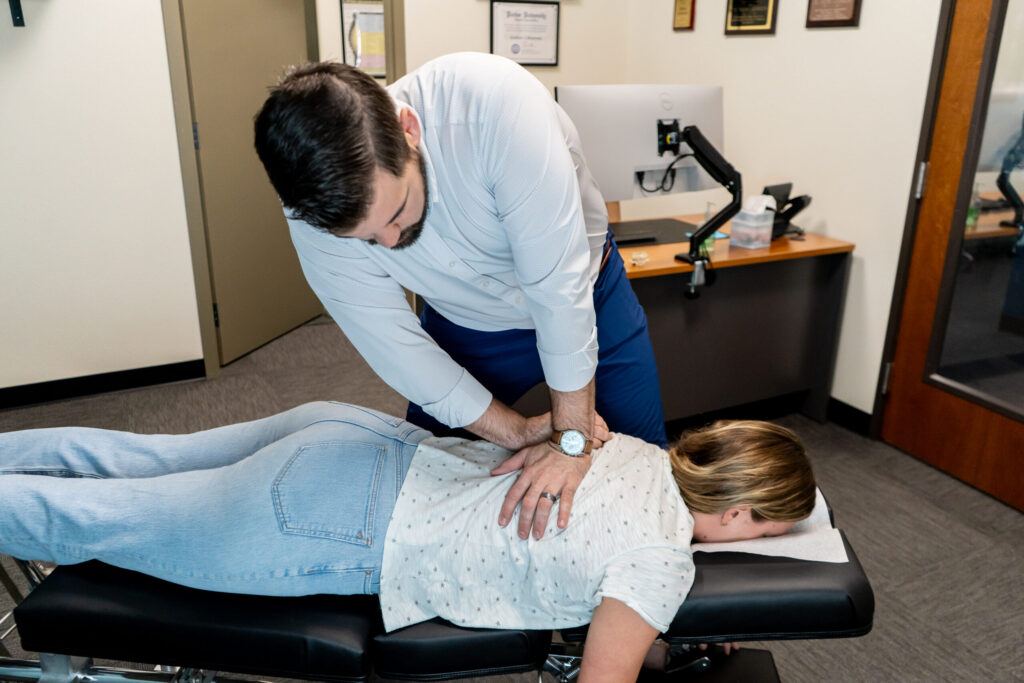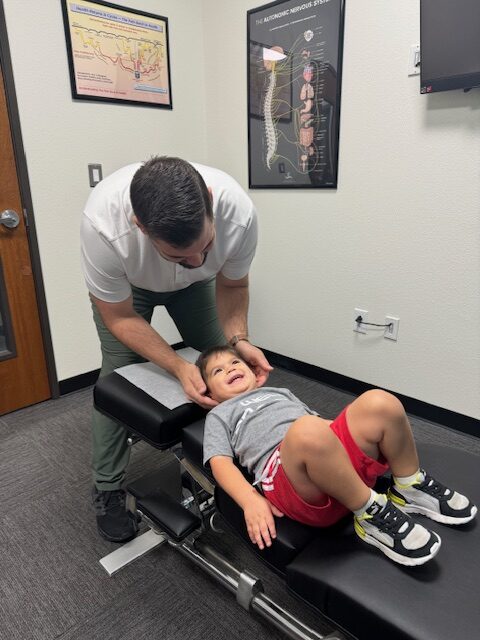

When it comes to managing migraines and pain, there are numerous options to consider, and as a chiropractor, I want to help you understand the natural healing approaches available. While many people turn to over-the-counter medications for quick relief, chiropractic care offers a holistic alternative that focuses on the underlying causes of your discomfort.
Chiropractic treatment can help alleviate pain and reduce the frequency of migraines through spinal adjustments and other manual therapies that promote proper alignment and function of the nervous system. This approach not only addresses immediate symptoms but also supports your overall well-being and long-term health.
It’s essential to understand how these natural treatments compare to traditional methods, so you can make informed decisions that align with your health goals. With so many choices available, I encourage you to explore how chiropractic care might be the best fit for your unique needs. Let’s delve into the different treatments and their implications for your health together.
Understanding Migraines: Causes and Symptoms
As a local chiropractor, I want to shed light on the issue of migraines, which can significantly affect your daily activities and overall quality of life.
It’s essential to understand what might be triggering these severe headaches, as this knowledge can aid in effective management. Common culprits include stress, specific foods, hormonal fluctuations, and environmental influences. Additionally, you might discover that certain beverages, such as alcohol or caffeine, can provoke an attack.
Equally important is recognizing the symptoms of migraines. They often begin with warning signals, such as visual disturbances or intense throbbing pain, typically localized on one side of the head.
You may also experience nausea and heightened sensitivity to light and sound, which can exacerbate your discomfort.
At our chiropractic practice, we focus on holistic approaches to health and wellness, which can play a vital role in alleviating migraine symptoms.
By addressing underlying issues related to spinal alignment and nervous system function, we aim to help you find relief and improve your overall well-being.
If you’re struggling with migraines, I encourage you to explore how chiropractic care can support your journey towards natural healing and enhanced quality of life.
Over-the-Counter Medications for Immediate Relief
As a local chiropractor, I often see patients who are searching for immediate relief when a migraine strikes. Understanding how to manage these headaches naturally can be incredibly beneficial.
While over-the-counter (OTC) medications like ibuprofen and acetaminophen can provide quick pain relief, it’s important to recognize that they’re just one piece of the puzzle. Aspirin is another common option, particularly for those who can tolerate it.
However, I encourage my patients to consider the importance of addressing the underlying causes of their migraines. Taking these medications at the first sign of a migraine can help, but it’s essential not to rely solely on them.
Moreover, combining these medications with caffeine may sometimes enhance their effects. However, if you’re prone to headaches, it’s wise to be cautious with your caffeine intake, as it can also trigger migraines in some individuals.
Always adhere to the recommended dosages on the packaging, as overuse can lead to rebound headaches, which can create a cycle of pain.
At our practice, we focus on holistic approaches, including chiropractic adjustments, which can help alleviate tension and improve overall spinal alignment.
Prescription Medications: Triptans and Beyond
For those of you who may find that over-the-counter medications aren’t providing the relief you need, it’s important to know that there are alternative approaches to managing migraines that can be both effective and natural.
As a chiropractor, I often see patients who benefit from understanding how their body works and exploring non-pharmaceutical options.
One common method I recommend is chiropractic adjustments, which can help alleviate tension in the spine and improve overall nervous system function. This may reduce the frequency and intensity of migraines for some individuals.
Additionally, techniques such as acupuncture and massage therapy can also be effective in managing migraine symptoms by promoting relaxation and improving blood flow.
Beyond these therapies, lifestyle modifications such as dietary changes, hydration, and stress management techniques can play a crucial role in preventing migraines.
It’s essential to listen to your body and explore what works best for you.
I encourage you to schedule a consultation with me to discuss your specific situation.
Together, we can develop a personalized treatment plan that focuses on holistic health and natural healing.
Remember, finding the right approach may take some time, so please be patient and open to trying different methods.
Your journey to relief is important, and I’m here to support you every step of the way.
Preventive Treatments: Daily Options for Long-Term Relief
As a local chiropractor, I understand that many individuals face the challenge of recurring migraines. Fortunately, preventive treatments can pave the way for long-term relief, and incorporating daily strategies into your life can significantly lessen the frequency and severity of these painful episodes.
Here are some effective approaches I recommend:
- Chiropractic Care: Regular chiropractic adjustments can help improve spinal alignment and alleviate tension, which may reduce the frequency of migraine attacks.
- Lifestyle Modifications: Engaging in regular physical activity, maintaining a consistent sleep routine, and ensuring proper hydration can contribute to overall health and may minimize migraine triggers.
- Nutritional Considerations: It’s essential to identify and steer clear of potential trigger foods, such as aged cheeses and processed meats, which can exacerbate migraine symptoms.
While implementing these changes may require some time and effort, the prospect of experiencing fewer migraines is incredibly worthwhile.
I encourage you to discuss these strategies with me during your next visit, so we can create a tailored preventive plan that aligns with your individual needs.
Alternative Therapies: Acupuncture, Herbal Remedies, and More
When conventional treatments haven’t provided the relief you’re seeking, it’s time to consider alternative therapies like chiropractic care, acupuncture, and herbal remedies.
As a local chiropractor, I can tell you that chiropractic adjustments can help alleviate tension and misalignments in your spine, which may contribute to headaches and migraines.
Additionally, acupuncture techniques involve precise needle placements that can further reduce the frequency and intensity of your migraines.
Exploring various herbal remedies can also offer personalized options that align with your health goals.
Embracing these natural healing methods can enhance your overall well-being and provide the relief you deserve.
Acupuncture Techniques Explained
As a chiropractor, I want to introduce you to acupuncture, a remarkable practice that complements our approach to natural healing. This technique, deeply rooted in traditional Chinese medicine, involves the gentle insertion of fine needles into specific points on the body. The goal is to alleviate pain and promote healing by restoring balance and stimulating the body’s natural energy flow, known as Qi.
Many patients find the experience surprisingly relaxing, as we create a calming atmosphere to enhance your comfort.
- The needles are inserted at various depths tailored to your specific condition, ensuring a personalized treatment.
- Sessions typically last between 30 to 60 minutes, which allows us to conduct a thorough assessment of your needs.
- In addition to acupuncture, some practitioners employ techniques like moxibustion, where heat is applied to the acupuncture points to further enhance the effects of the treatment.
Understanding these techniques can empower you to take charge of your health and explore holistic options that work in harmony with chiropractic care.
Herbal Remedies Overview
As a local chiropractor, I want to shed light on the holistic approach we take towards managing migraines and enhancing overall wellness. Many patients are seeking natural solutions, and herbal remedies can be a powerful addition to your health regimen.
For example, herbs like feverfew and butterbur have garnered attention for their potential to diminish the frequency and severity of migraines. Additionally, herbs such as ginkgo biloba and peppermint may provide relief for those struggling with headaches.
It’s vital to remember that before incorporating any herbal remedies into your routine, you should consult with a healthcare professional. Some herbs can interact with medications, so it’s important to ensure you’re making safe choices.
Lifestyle Modifications: Diet, Exercise, and Stress Management
As a local chiropractor, I want to share some valuable insights on managing migraines through natural healing and lifestyle modifications. Many patients may not realize that simple changes in your daily routine can lead to significant improvements in migraine frequency and intensity.
First, it’s crucial to identify any dietary triggers that may be contributing to your migraines. Keeping a food diary can help you pinpoint specific foods that may be causing issues.
Additionally, incorporating regular exercise into your routine not only helps alleviate tension but also promotes better overall health.
Lastly, practicing stress reduction techniques is key. Techniques such as deep breathing, yoga, or meditation can help calm the mind and reduce the likelihood of migraine onset.
By making these lifestyle changes, you can enhance your well-being and take proactive steps toward managing your migraines more effectively.
Dietary Triggers to Avoid
As a local chiropractor dedicated to your overall well-being, I want to emphasize the importance of understanding how dietary choices can impact your health, particularly when it comes to managing migraines.
Many patients are surprised to learn that certain foods can significantly influence the frequency and severity of their migraine symptoms. By becoming aware of these dietary triggers, you can take proactive steps to alleviate discomfort and promote a healthier lifestyle.
Here are some common foods you might want to avoid:
- Aged cheeses: These cheeses often contain tyramine, a compound that has been linked to triggering migraines in some individuals.
- Processed meats: Products like hot dogs and deli meats frequently contain nitrates, which can lead to headaches for some people.
- Caffeinated beverages: While moderate caffeine consumption can sometimes provide relief, excessive intake may result in withdrawal headaches as your body adjusts.
By being mindful of these dietary choices, you can empower yourself to make healthier decisions that may help reduce the occurrence of migraines.
I also recommend keeping a food journal to track what you eat and any migraine patterns you notice. This can be a valuable tool in identifying other potential triggers and working towards a more natural, holistic approach to your health.
Benefits of Regular Exercise
As a local chiropractor, I want to share the importance of incorporating regular exercise into your daily routine, especially for those who experience migraines. Engaging in consistent physical activity can significantly enhance your overall health and may even help lessen the frequency and severity of migraine attacks.
When you exercise, you boost your circulation and improve oxygen flow to your brain, which can relieve headache pain. Additionally, physical activity stimulates the release of endorphins—your body’s natural painkillers. This not only elevates your mood but also helps in reducing stress, a common trigger for migraines.
I recommend aiming for at least 30 minutes of moderate exercise most days. This could include activities like walking, swimming, or cycling, all of which are gentle on the body. Even simple practices such as stretching or yoga can be incredibly beneficial for your well-being.
It’s important to listen to your body and avoid pushing yourself too hard, as overexertion can sometimes trigger migraines instead of alleviating them.
Stress Reduction Techniques
As a local chiropractor dedicated to your overall wellness, I want to share some effective techniques for reducing stress and managing migraines that can significantly enhance your daily life.
Understanding the connection between stress and migraines is crucial, and incorporating these natural healing methods can help you find relief:
- Mindfulness and Meditation: I encourage you to take a few minutes each day to focus on your breath and remain present in the moment. This practice can calm your mind, reduce tension in your body, and create a sense of peace that’s beneficial for overall health.
- Deep Breathing Exercises: Practicing deep, slow breaths can activate your body’s natural relaxation response. This simple technique can ease anxiety and stress, making it an excellent addition to your daily routine.
- Progressive Muscle Relaxation: This method involves tensing and then relaxing each muscle group, starting from your toes and working your way up to your head. It promotes physical relaxation, alleviating the tension that often accompanies stress and migraines.
By integrating these techniques into your lifestyle, you can empower yourself to manage migraines more effectively and improve your overall well-being.
Emerging Treatments: Neuromodulation and Other Innovations
As a local chiropractor, I want to share some exciting advancements in natural healing that can help manage migraines. Neuromodulation treatments are becoming increasingly popular in our efforts to provide relief from this debilitating condition. These innovative approaches work by altering nerve activity through targeted electrical stimulation or other methods, offering a fresh perspective on pain management.
For instance, devices such as transcutaneous electrical nerve stimulation (TENS) and external trigeminal nerve stimulation (eTNS) are showing great potential in reducing the frequency and intensity of migraines. These treatments can be a valuable complement to chiropractic care, as they focus on the nervous system’s role in pain perception.
In addition to these devices, there are also wearable technologies that employ biofeedback to help manage pain. These gadgets monitor your body’s physiological signals and provide real-time feedback, empowering you to identify and control your migraine triggers. This proactive approach aligns well with chiropractic principles, emphasizing the importance of understanding your body and its signals.
Moreover, some research is delving into neuromodulation techniques like occipital nerve stimulation, which specifically targets certain nerves to relieve pain. These advancements could be game-changers in how we approach migraine management.
As your chiropractor, I encourage you to stay informed about these emerging treatments. They hold the potential to transform your experience with migraines, offering new hope and improving your overall quality of life.
Let’s work together to explore these options and find the best path for your healing journey!
Choosing the Right Treatment: Factors to Consider
Choosing the Right Treatment for Migraines: A Chiropractic Perspective
When it comes to addressing migraines, many treatment options are available, which can be overwhelming. As a local chiropractor, I want to help you navigate this process by highlighting important factors to consider.
Remember, each individual’s experience with migraines is unique, so it’s crucial to find a personalized approach that suits your needs.
- Severity and Frequency: Take a moment to assess how often and how intensely your migraines occur. This can help determine whether you should explore preventive measures, like chiropractic adjustments, or seek immediate relief through acute treatments.
- Side Effects: It’s essential to consider any existing health conditions you may have. Many conventional treatments can come with side effects that mightn’t be suitable for everyone.
Chiropractic care, on the other hand, focuses on natural healing and can often provide relief without the adverse effects associated with medications.
– Lifestyle Compatibility: Consider your daily routine and how a particular treatment fits into it. Some approaches may require more time and commitment than others.
Chiropractic care often involves a series of adjustments and lifestyle recommendations that can seamlessly integrate into your life, promoting not just migraine relief but overall wellness.
By taking these factors into account and exploring chiropractic care, you can make a more informed decision about the best treatment for your migraines.
Conclusion
As a local Chiropractor, I want to emphasize the importance of exploring various treatment options for managing migraines and pain. While many people may rely on over-the-counter medications or prescription triptans, I encourage you to consider the benefits of chiropractic care and other natural healing methods.
Chiropractic adjustments can help relieve tension in the spine and improve nervous system function, which may contribute to reducing migraine frequency and intensity. Additionally, incorporating alternative therapies such as massage, acupuncture, or yoga, alongside lifestyle changes like proper hydration, nutrition, and regular exercise, can significantly enhance your overall well-being.
It’s important to remember that each person’s experience with pain is unique. That’s why I advocate for a personalized approach to treatment. By considering all available options, including emerging natural therapies, we can create a tailored plan that effectively addresses your specific needs. Together, we can work towards regaining control over your pain and improving your quality of life.