
You might not realize it, but regular care can greatly enhance your mobility and overall well-being. By integrating consistent physical activity and making time for healthcare check-ups, you can strengthen your body and reduce the risk of injuries. It's not just about feeling better today; it's about laying the groundwork for a more active future. As you consider what steps to take next, think about how simple adjustments can lead to profound changes in your daily life. What strategies could you adopt to keep moving forward?
Importance of Mobility
Mobility is your gateway to independence and a fulfilling life. When you can move freely, you reveal countless opportunities for engagement, exploration, and connection. Whether it's walking to your favorite café, dancing at a family gathering, or simply enjoying a stroll in the park, enhanced mobility allows you to participate actively in your daily life.
Maintaining good mobility is vital for your overall well-being. It impacts not only your physical health but also your mental and emotional states. When you can move without restrictions, you're more likely to stay active and vibrant. Regular movement helps prevent conditions such as obesity, heart disease, and osteoporosis, allowing you to maintain your health as you age.
Moreover, mobility plays a significant role in fostering social connections. You're more inclined to engage with friends and family, attend events, and explore new interests when you can move freely. This sense of connection enriches your life, combating feelings of isolation and loneliness.
It's essential to prioritize your mobility and make choices that support it. Incorporating regular physical activity into your routine, whether through walking, stretching, or other exercises, can make a significant difference.
Listen to your body and adapt your activities as needed, but don't underestimate the power of movement.
Ultimately, greater mobility means greater freedom. By focusing on your mobility today, you're investing in a more active, connected, and fulfilling future. Embrace the journey toward improved mobility and enjoy the independence it brings.
Types of Regular Care
To maintain and enhance your mobility, incorporating different types of regular care into your routine is essential. Start with regular physical activity, which can range from walking and swimming to strength training and stretching exercises. Aim for at least 150 minutes of moderate exercise each week. This helps keep your muscles strong and your joints flexible, directly impacting your mobility.
Next, consider regular check-ups with healthcare providers. These visits allow you to monitor your overall health and catch any issues early. Whether it's your primary care physician, a chiropractor, or a physiotherapist, these professionals can provide valuable guidance tailored to your specific needs.
Don't forget about nutrition. Eating a balanced diet rich in vitamins, minerals, and antioxidants supports muscle function and joint health. Staying hydrated is equally important; dehydration can lead to muscle cramps and fatigue, hindering your movement.
Mindfulness and mental health care also play a role in mobility. Practices like yoga or tai chi not only improve flexibility but also enhance your mind-body connection, helping you be more aware of your movements.
Lastly, consider regular massages or manual therapy. These techniques can relieve tension in your muscles and improve circulation, which supports overall mobility.
Benefits of Physical Therapy
Physical therapy offers you improved strength and flexibility, helping you regain your mobility.
You'll also learn effective pain management techniques that can make daily activities easier.
Improved Strength and Flexibility
Achieving improved strength and flexibility can transform your daily activities and enhance your overall quality of life.
When you engage in physical therapy, you'll notice considerable benefits that make everyday tasks easier and more enjoyable.
Here are three key advantages you can expect:
1. Better Posture: Improved strength and flexibility lead to better alignment of your body, which can help alleviate strain on your muscles and joints.
You'll stand taller and move with greater confidence.
2. Enhanced Mobility: As your muscles grow stronger and your flexibility increases, you'll find it easier to perform movements like bending, reaching, or climbing stairs.
This newfound ease can help you stay active and independent for longer.
3. Increased Balance: Strength training combined with stretching can considerably improve your balance.
You'll feel steadier on your feet, reducing your risk of falls and injuries.
Pain Management Techniques
When chronic pain interferes with your daily life, effective pain management techniques can make a significant difference. Physical therapy offers a range of strategies to help alleviate pain, improve your mobility, and enhance your overall well-being.
You'll often start with a thorough assessment, allowing your therapist to understand your specific pain triggers and limitations.
One effective technique is manual therapy, where your therapist uses hands-on methods to manipulate and mobilize your muscles and joints. This can relieve tension and improve your range of motion.
Additionally, therapeutic exercises are tailored to strengthen the muscles around painful areas, reducing strain and promoting healing.
Modalities like heat, ice, and electrical stimulation can also play a key role in pain relief. These methods help decrease inflammation and ease muscle spasms, making it easier for you to move without discomfort.
Furthermore, education on posture and body mechanics empowers you to avoid movements that aggravate your pain.
Role of Chiropractic Adjustments
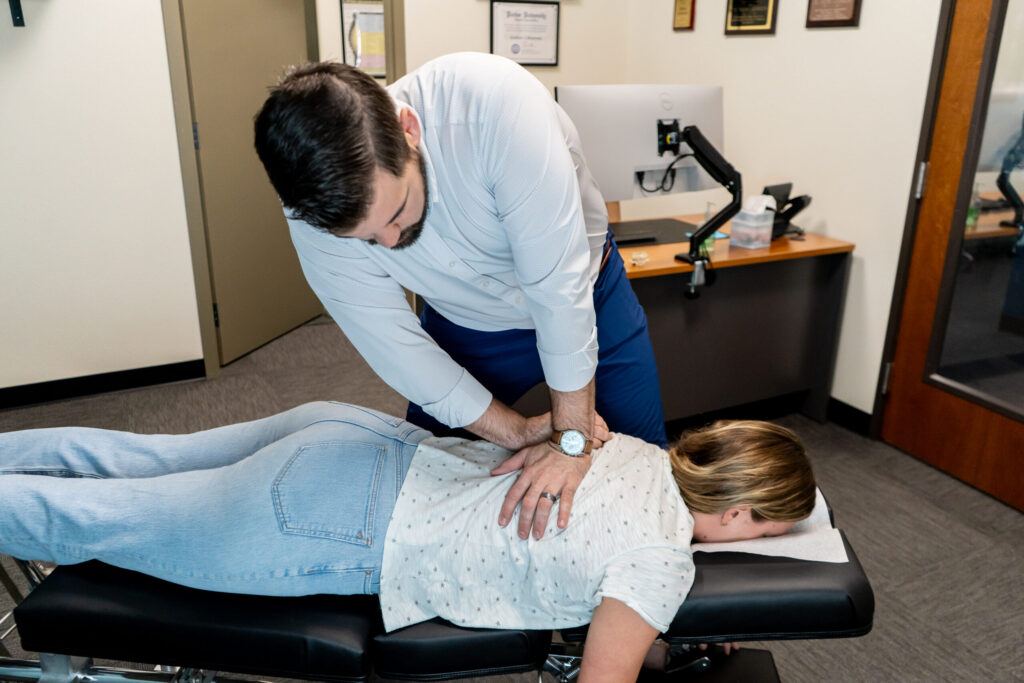
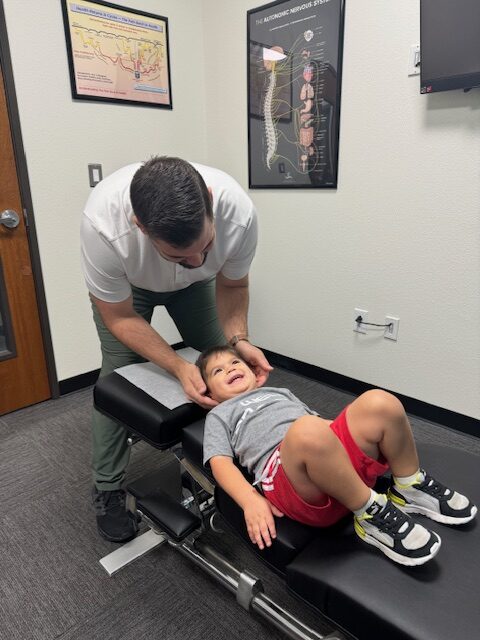
Many people find that chiropractic adjustments can greatly enhance their mobility and overall well-being. When you visit a chiropractor, they focus on realigning your spine and improving your body's function. This not only alleviates pain but also optimizes your movement.
Here are three key roles chiropractic adjustments play in enhancing your mobility:
- Improved Alignment: Misalignments in your spine can lead to stiffness and discomfort. Chiropractic adjustments help restore proper alignment, which can ease tension and improve your range of motion.
- Enhanced Nerve Function: Your nervous system controls every function in your body. When your spine is misaligned, it can interfere with nerve signals. Adjustments help guarantee your nervous system operates smoothly, allowing your body to respond better to movement and activity.
- Increased Flexibility: Regular adjustments can increase your flexibility by reducing muscle tension and improving joint function. This flexibility is vital for everyday tasks and can prevent injuries during physical activities.
Incorporating Exercise Into Routine
After experiencing the benefits of chiropractic adjustments, it's time to focus on incorporating exercise into your routine for even greater mobility. Regular physical activity not only complements the benefits of your adjustments but also strengthens your muscles, improves flexibility, and boosts overall health.
Start by evaluating your current fitness level. If you haven't exercised regularly, you might want to begin with low-impact activities like walking, swimming, or cycling. These exercises are gentle on the joints and can help you build stamina without overwhelming your body. Aim for at least 150 minutes of moderate aerobic activity each week, broken down into manageable sessions.
Incorporate strength training into your routine two or three times a week. This can include bodyweight exercises like squats, lunges, and push-ups, or using resistance bands and weights. Strengthening your muscles supports your joints and enhances balance, which is important for preventing falls.
Don't overlook flexibility exercises. Adding stretching or yoga can improve your range of motion and reduce muscle tension. Consider dedicating a few minutes each day to stretching your major muscle groups.
Listen to your body. If you feel pain, adjust your routine accordingly. It's vital to find activities you enjoy, as this will help you stay motivated and consistent.
Preventing Injuries Through Care
Injury prevention is essential for maintaining your mobility and overall well-being. When you take proactive steps to care for your body, you reduce the risk of injuries that can sideline you from daily activities.
Regular care not only helps you stay active but also enhances your quality of life.
Here are three effective ways to prevent injuries through care:
1. Stay Flexible: Incorporate stretching into your daily routine. Keeping your muscles and joints flexible helps reduce the chances of strains and sprains.
Focus on major muscle groups, including your legs, back, and shoulders.
2. Strengthen Your Core: A strong core supports your entire body, reducing the risk of falls and injuries.
Exercises like planks, bridges, and abdominal workouts can help build stability. A strong core also improves your posture, further protecting you during physical activities.
3. Listen to Your Body: If you're feeling pain or discomfort, don't push through it.
Pay attention to what your body is telling you. Rest, modify your activities, and seek professional care if needed. It's better to address issues early than to deal with a more serious injury later on.
Tips for Staying Active
Staying active doesn't have to be complicated.
Start by incorporating daily stretching into your routine to improve flexibility and reduce tension.
You can also try low-impact exercises like swimming or cycling to keep your joints happy while staying fit.
Incorporate Daily Stretching
Incorporating daily stretching into your routine can transform your mobility and overall well-being.
It's a simple yet powerful practice that can help you stay active and prevent injuries. By dedicating just a few minutes each day, you can improve your flexibility and keep your muscles limber.
Here are three effective stretching tips to get you started:
- Start with the Basics: Focus on major muscle groups like your neck, shoulders, back, and legs. Simple stretches, such as reaching for your toes or gently twisting your torso, can make a big difference.
- Set a Schedule: Choose a specific time each day for your stretching routine. Whether it's in the morning to kick-start your day or in the evening to unwind, consistency is key.
- Listen to Your Body: Pay attention to how your body feels during stretching. Don't push yourself too hard; ease into each stretch and hold it for at least 15-30 seconds for maximum benefits.
Try Low-Impact Exercises
After you've added stretching to your daily routine, consider complementing it with low-impact exercises. These activities are gentle on your joints while still providing significant benefits for your overall mobility and strength.
Think about walking, swimming, or cycling—each of these options keeps your heart rate up without putting undue stress on your body.
Start with brisk walking for about 30 minutes each day. It's an easy way to get moving and can be done almost anywhere. If you're near a pool, swimming is another fantastic option that engages multiple muscle groups while buoying your body, making it easier on your joints.
Cycling, whether on a stationary bike or outdoors, also offers a great low-impact workout that builds leg strength.
Don't forget about classes like yoga or Pilates. These not only promote flexibility but also help you develop core strength, which is essential for balance and stability.
Aim for at least 150 minutes of moderate exercise each week. Listen to your body, and if something doesn't feel right, adjust your routine accordingly.
Conclusion
Incorporating regular care into your routine is key to achieving greater mobility and enhancing your overall well-being. By prioritizing physical activity, staying on top of healthcare check-ups, and embracing mindful practices, you can considerably improve your flexibility, balance, and strength. Remember, it's never too late to start! Stay proactive, listen to your body, and make small adjustments to your daily habits. With consistent effort, you can enjoy a more active and fulfilling lifestyle that boosts your quality of life.