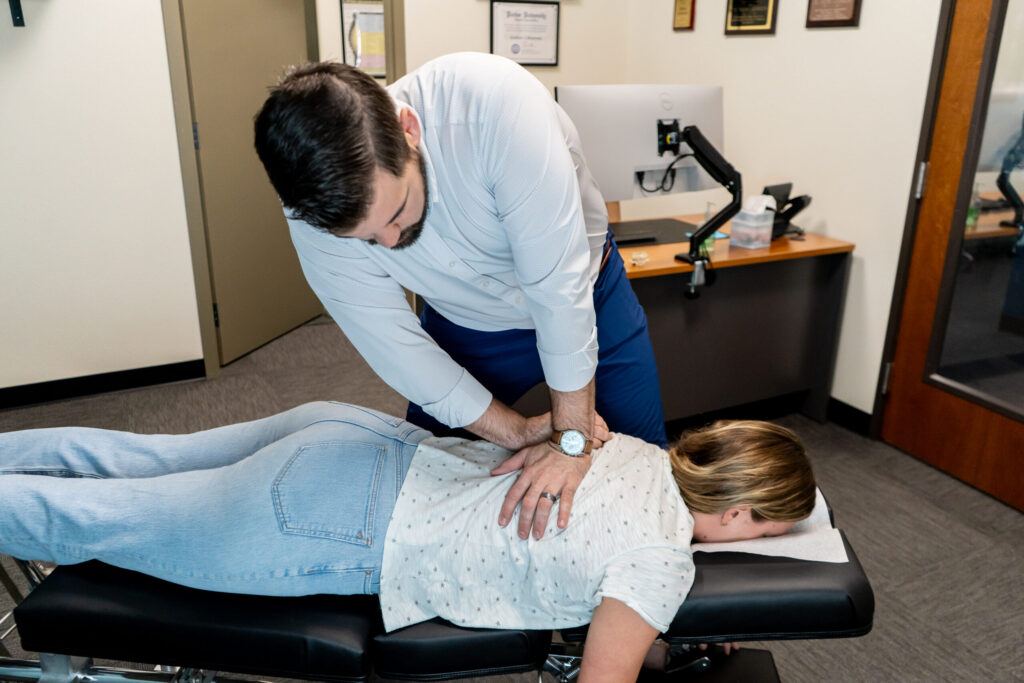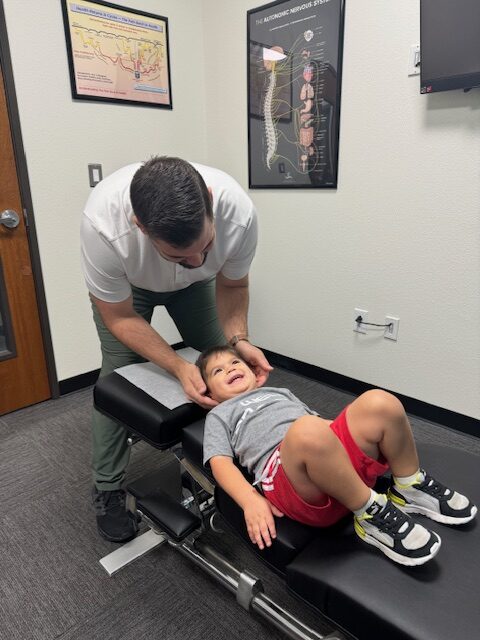

If you’re dealing with migraines and neck pain, I want you to know that you’re not alone in this struggle. These conditions can significantly impact your daily life, but there are natural and effective ways to find relief. As a local chiropractor, I encourage you to explore a range of strategies that include proper hydration, maintaining good posture, and incorporating regular exercise into your routine. By focusing on these key areas, you can take proactive steps toward managing your discomfort. Let’s discuss some practical tips that can truly enhance your well-being and help you feel better every day.
Stay Hydrated
As a local chiropractor, I want to emphasize the crucial role that hydration plays in managing conditions like migraines and neck pain. Many people don’t realize that dehydration can lead to headaches and increased muscle tension, exacerbating your discomfort.
To combat these issues, I recommend aiming for at least eight glasses of water each day. It’s a straightforward yet powerful approach to improving your health.
One effective way to ensure you’re drinking enough water is by carrying a reusable water bottle. This not only helps you keep track of your intake but also serves as a reminder to stay hydrated throughout the day.
If plain water isn’t appealing, consider adding slices of fruits or herbs to create a refreshing and flavorful beverage. The key is to make hydration a consistent part of your daily routine—don’t wait until you feel thirsty to drink.
Additionally, it’s important to be mindful of your caffeine and alcohol consumption, as both can lead to dehydration.
By prioritizing hydration, you can’t only help reduce your migraine and neck pain but also enhance your overall health and well-being.
Practice Good Posture
As a local chiropractor, I want to emphasize the importance of good posture in managing migraines and neck pain. Many people overlook this aspect, but proper alignment while sitting or standing can make a significant difference. When you maintain good posture—keeping your shoulders back and relaxed, aligning your ears with your shoulders, and gently tucking your chin—you reduce strain on your neck and spine. This is crucial, as poor posture can contribute to headaches and discomfort.
If you spend a lot of time at a desk, it’s essential to make some adjustments. Ensure your chair and monitor are set up correctly: your feet should be flat on the floor, and your computer screen should be at eye level.
Remember to take regular breaks to stretch, as sitting for long periods can lead to increased tension and discomfort.
And when it comes to using your phone, try to hold it at eye level rather than looking down. This simple adjustment can help prevent unnecessary strain on your neck.
Incorporate Regular Exercise
As a local chiropractor, I want to share how incorporating regular exercise into your daily routine can be a transformative approach for managing migraines and neck pain. Engaging in physical activity can significantly improve blood circulation, reduce stress levels, and strengthen your muscles, all of which play a crucial role in relieving tension in your neck and head.
I recommend aiming for at least 30 minutes of moderate exercise most days. Activities such as walking, swimming, or cycling can be particularly effective in enhancing your overall physical health and reducing discomfort.
In addition to cardiovascular activities, it’s essential to include stretching and flexibility exercises in your regimen. Practices like yoga and Pilates not only promote relaxation but also help improve your posture and strengthen the muscles in your neck.
It’s important to listen to your body; if you experience any pain while exercising, please adjust your routine to prevent any strain or injury.
Remember, consistency is vital—making exercise a regular part of your day can yield significant benefits. It doesn’t have to be high-intensity; even mild activities can contribute positively to your health.
Apply Cold or Heat Therapy
As your local chiropractor, I want to share with you some effective methods for alleviating migraine and neck pain through the application of cold and heat therapy.
These techniques are simple yet powerful tools in natural healing.
Using a cold compress can be particularly beneficial for numbing the affected area and reducing inflammation, which is often a contributing factor to your pain.
On the other hand, applying heat can work wonders for relaxing tense muscles and improving blood circulation, ultimately aiding in your recovery.
It’s important to understand how to use each method correctly to maximize your relief.
Cold therapy is best applied for short durations to prevent frostbite, while heat should be applied in a way that feels comfortable and soothing.
By incorporating these therapies into your routine, you can enhance your overall wellness and find relief from discomfort.
If you have any questions or need guidance on how to use these methods effectively, feel free to reach out during your next visit!
Cold Compress Benefits
As a local chiropractor, I want to share the benefits of using cold compresses, especially for those of you dealing with migraines and neck pain. Cold compresses can truly make a difference in your comfort and well-being.
When you apply a cold compress to the affected area, it works to numb the pain and reduce inflammation. The cool sensation helps constrict blood vessels, which can ease headache symptoms and relax tight neck muscles.
Creating a cold compress is simple. You can wrap ice in a cloth or use a gel pack from your freezer. For effective relief, apply it to your forehead or the back of your neck for about 15-20 minutes.
Just be sure to take breaks in between applications to prevent any skin irritation.
Incorporating cold therapy into your routine not only provides immediate relief but also contributes to your overall comfort. This can make it significantly easier to manage your migraines and neck pain.
If you’re interested in exploring more natural healing methods, I’m here to help guide you on your journey to better health.
Heat Application Techniques
As a chiropractor dedicated to helping you achieve optimal wellness, I want to share the benefits of heat application for managing discomfort such as tight muscles and improving circulation.
While many of you might be familiar with the use of cold therapy for migraines and neck pain, heat can be just as effective in promoting relaxation and healing.
To apply heat, you can use a heating pad, hot water bottle, or even a warm towel. Focus on areas like your neck or the back of your head, where tension often accumulates.
It’s important to ensure that the heat you apply is warm, not scorching—this will help you avoid any burns. Aim for about 15 to 20 minutes of heat application; this duration is typically effective for allowing your muscles to unwind.
If you prefer a more immersive experience, a warm shower can also provide significant relief. Just remember to hydrate afterward, as heat can sometimes lead to dehydration.
Always listen to your body; if you start feeling discomfort, it’s crucial to remove the heat source and give yourself a moment to recover.
Incorporating heat therapy into your routine can be a wonderful complement to chiropractic care, helping you on your journey toward better health and well-being.
Manage Stress Effectively
As a local chiropractor, I understand how crucial it’s to manage stress effectively, especially since high stress levels can intensify migraine and neck pain.
By incorporating some simple yet powerful strategies into your daily routine, you can help alleviate these symptoms naturally. Here are some tips I often recommend to my patients:
- Practice Deep Breathing: Take a few moments each day to focus on your breath. Inhale deeply through your nose, hold it briefly, and then exhale slowly through your mouth. This practice can help calm your nervous system and reduce muscle tension.
- Engage in Physical Activity: Regular movement is vital for both your physical and mental well-being. Find activities you enjoy—whether it’s walking, yoga, or dancing. Exercise can release endorphins that elevate your mood and relieve tension.
- Set Boundaries: It’s important to know your limits. Learn to say no when you’re feeling overwhelmed. By prioritizing your well-being and limiting commitments that add unnecessary stress, you can create a healthier balance in your life.
- Meditate or Practice Mindfulness: Dedicate time each day to mindfulness or meditation. These practices can ground you, reduce anxiety, and promote a sense of calm, which can be particularly beneficial for your overall health.
By integrating these strategies into your life, you can take proactive steps towards managing stress and enhancing your chiropractic care.
Explore Dietary Changes
As a local chiropractor dedicated to your holistic health, I want to emphasize how dietary changes can play a crucial role in alleviating migraine and neck pain. Many patients are surprised to learn that certain foods can trigger discomfort. Common culprits include aged cheeses, processed meats, and artificial sweeteners.
To better understand your body’s responses, I recommend keeping a food diary. This practice can help you identify which foods might be contributing to your pain.
Incorporating anti-inflammatory foods into your diet is another effective strategy. Foods like leafy greens, berries, and fatty fish are excellent choices that can help reduce inflammation and potentially decrease the frequency of your migraines.
Hydration is also vital; ensure you’re drinking plenty of water throughout the day, as dehydration is a well-known migraine trigger.
Additionally, rather than consuming three large meals, consider eating smaller, more frequent meals. This approach helps maintain stable blood sugar levels, which may alleviate migraine symptoms.
It’s also wise to limit your intake of caffeine and alcohol, as these substances can exacerbate neck pain and migraines for some individuals.
Seek Professional Help
If you’re experiencing persistent migraine and neck pain even after making dietary adjustments, exploring chiropractic care could be a valuable next step in your healing journey.
As a chiropractor, I want to help you understand how our approach can support your specific needs. Here are a few key points to consider when you think about reaching out for chiropractic care:
1. Initial Consultation: Schedule a visit with a chiropractor who specializes in treating migraines and neck pain. During this appointment, we’ll discuss your symptoms and health history to develop a comprehensive understanding of your condition.
2. Holistic Assessment: Expect a thorough evaluation that includes assessing your spine, posture, and overall alignment. This will help us identify any underlying issues that may be contributing to your discomfort.
3. Natural Treatment Options: We’ll talk about various treatment methods, including spinal adjustments, soft tissue therapy, and exercises designed to improve your mobility and reduce pain.
Our goal is to promote natural healing and restore balance to your body.
4. Ongoing Care: Regular follow-up visits are important for monitoring your progress. We’ll adjust your treatment plan as needed to ensure you’re on the right path to relief and improved well-being.
Chiropractic care offers a holistic approach to managing migraines and neck pain, focusing on your body’s natural ability to heal itself.
Let’s work together to find the best solutions for you!
Conclusion
As a local chiropractor dedicated to helping our community, I want to share seven valuable tips for managing migraine and neck pain that you might find helpful. First and foremost, staying well-hydrated is crucial; dehydration can often exacerbate headaches and discomfort. Additionally, maintaining good posture throughout your daily activities can alleviate unnecessary strain on your neck and spine.
Incorporating regular exercise into your routine is also beneficial, as it promotes overall body health and can help reduce stress, which is a common trigger for migraines. Speaking of stress, finding effective ways to manage it—whether through mindfulness, breathing exercises, or other relaxation techniques—can lead to significant improvements in your pain levels.
You might also consider applying cold or heat therapy to the affected areas. Cold packs can reduce inflammation, while heat can relax tight muscles. Furthermore, exploring dietary changes to identify and eliminate potential triggers can be incredibly effective in preventing migraines.
If you find that your pain persists despite trying these strategies, I encourage you to seek professional help. Chiropractic care offers a natural and holistic approach to pain management, focusing on the root causes rather than just masking the symptoms. With these strategies and support from chiropractic treatment, you can take control of your well-being and enhance your quality of life.