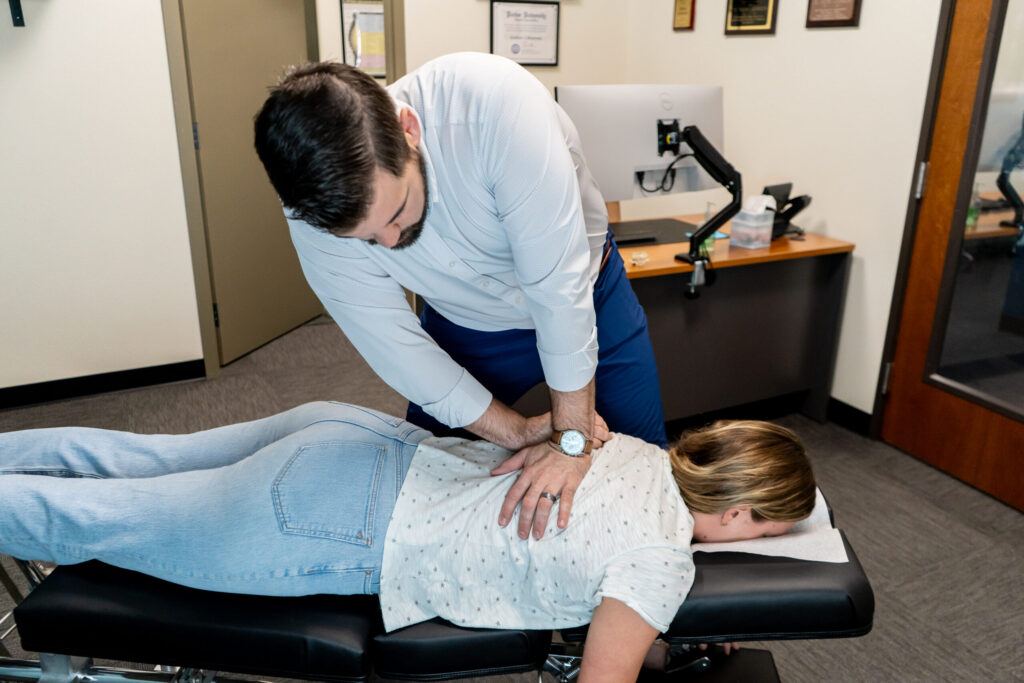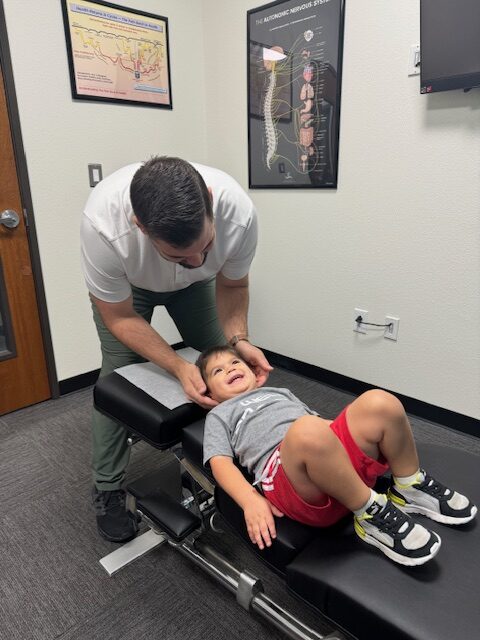

As a local chiropractor, I want to share with you an important insight that might surprise you: your neck care plays a significant role in managing migraines. Many people don’t realize that issues such as poor posture and muscle tension in the neck can trigger or worsen migraine symptoms. By understanding the relationship between neck health and migraines, you can take proactive steps toward finding relief.
In our practice, we often see how proper neck alignment and tension relief can help alleviate discomfort. Here are some effective strategies you can incorporate into your routine to improve your neck health and, in turn, your overall well-being:
- Posture Awareness: Being mindful of your posture, especially if you spend long hours at a desk, can make a big difference. Simple adjustments can reduce strain on your neck.
- Regular Chiropractic Adjustments: Gentle spinal adjustments can help realign the cervical spine, reducing tension and improving nerve function.
- Stretching and Strengthening Exercises: Incorporating neck stretches and strengthening exercises into your daily routine can help alleviate tightness and enhance flexibility.
- Heat and Cold Therapy: Applying heat or cold packs can ease muscle tension and reduce inflammation, providing immediate relief from migraine symptoms.
By focusing on your neck care, you can take significant strides toward managing your migraines naturally. If you’re interested in learning more about how chiropractic care can support your health journey, I invite you to reach out. Together, we can explore personalized strategies to help you feel your best.
Understanding the Connection Between Neck Health and Migraines
As a local chiropractor, I often see patients who are surprised to learn about the connection between neck health and migraines. Many people don’t realize that their neck and head are closely linked, and issues in one area can significantly impact the other.
Poor posture, such as hunching over screens or holding tension in your shoulders, can lead to muscle strain in your neck. This strain can trigger migraine symptoms and make your headaches worse.
Your neck is home to essential nerves and blood vessels that supply your head, so any problems in this area can contribute to migraine discomfort. If you’re experiencing frequent headaches, I encourage you to pay attention to your neck. Are you often feeling tightness or discomfort?
Modifying habits that restrict blood flow or irritate nerves can make a big difference. Chiropractic care can help address these issues by improving your neck alignment and relieving tension.
Common Neck Issues That Trigger Migraines
As a local chiropractor, I want to share with you how neck issues can significantly contribute to the onset of migraines. Many people don’t realize that tension in the neck muscles can lead to discomfort and tightness that radiates to the head, often resulting in a migraine.
One common issue I see in practice is cervical spine dysfunction. This occurs when the vertebrae in your neck become misaligned, which can irritate nearby nerves and trigger migraines.
Another prevalent concern is muscle strain, often resulting from poor sleeping positions or extended periods of screen time. These strained muscles can create pressure points that lead to headaches.
Additionally, injuries like whiplash from an accident can cause chronic neck pain and increase the frequency of migraines.
If you’re someone who frequently experiences migraines, I encourage you to pay close attention to your neck health. By addressing these common neck problems through chiropractic care and natural healing methods, we can work together to reduce the intensity and frequency of your migraines.
This will help you enjoy life with fewer disruptions and greater well-being.
Importance of Good Posture for Migraine Prevention
As a local chiropractor, I want to stress the importance of maintaining good posture for preventing migraines. Many people may not realize that poor posture can lead to unnecessary strain on your neck and upper back, which can trigger tension headaches and migraines. When you slouch or hunch over, you’re putting extra pressure on your spine, which can set off these painful episodes.
You might be surprised to learn how your daily habits—such as how you sit at your desk or hold your phone—affect your posture. To help improve your alignment, I recommend keeping your shoulders relaxed and ensuring your head is in line with your spine.
It’s also crucial to have your computer screen at eye level to minimize the need to look down, which can strain your neck. When standing, try to distribute your weight evenly on both feet.
I encourage you to regularly check in with your body and make adjustments to your posture throughout the day. By incorporating these small changes, you can significantly reduce your risk of migraines and boost your overall well-being.
Effective Neck Stretches to Reduce Tension
As your local chiropractor, I want to share some effective strategies to help alleviate tension in your neck.
Incorporating gentle neck flexion stretches and shoulder rolls into your daily routine can significantly reduce discomfort. These simple movements not only relieve tightness but also enhance circulation throughout the area.
By dedicating just a few moments each day to these stretches, you may find that the frequency of migraines decreases, leading to a more comfortable life.
Gentle Neck Flexion Stretches
As a local chiropractor dedicated to helping you understand the benefits of natural healing, I want to share some gentle neck flexion stretches that can significantly ease tension and alleviate migraine symptoms.
To begin, find a comfortable seated or standing position. Slowly tilt your head forward, bringing your chin toward your chest. Hold this stretch for 15-30 seconds while focusing on your breath—deep inhalations and exhalations can enhance the relaxation effect.
Next, gently roll your head back, allowing your gaze to lift toward the ceiling. Maintain this position for another 15-30 seconds, and feel the pleasant stretch in your neck as you open up the area.
Lastly, let your right ear drift towards your right shoulder. Hold this stretch for 15-30 seconds, and then switch to the left side. Throughout these stretches, it’s crucial to keep your shoulders relaxed and let your breath flow naturally.
These simple yet effective movements can help alleviate tightness in your neck, providing much-needed relief and improving your overall well-being.
I encourage you to incorporate these stretches into your daily routine for better neck care and to support your body’s natural healing processes. Remember, a healthy neck contributes to a healthier you!
Shoulder and Neck Rolls
As a local chiropractor, I want to share with you the benefits of shoulder and neck rolls—simple yet effective stretches that can significantly relieve tension and enhance mobility in your neck and shoulders.
These exercises are particularly important for those who may not be familiar with chiropractic care and the natural healing practices we promote.
To perform a shoulder roll, find a comfortable seated or standing position. Start by lifting your shoulders up toward your ears, then gently roll them back and down in a circular motion. Aim to repeat this movement five to ten times before changing direction.
This practice helps to release built-up tension and encourages a greater range of motion.
For neck rolls, begin by gently lowering your chin to your chest. From there, slowly circle your head to the right, allowing your ear to meet your shoulder, and then return to the center. Repeat this five times before switching to the left side.
These neck rolls not only help alleviate tension but also foster relaxation, making them an excellent addition to your daily routine—especially if you’re someone who’s prone to migraines or neck discomfort.
Incorporating these stretches into your day can complement the chiropractic care you receive, promoting overall wellness and helping you maintain a healthy, pain-free lifestyle.
Ergonomic Tips for Your Workspace
As a local chiropractor dedicated to your well-being, I want to share the importance of creating an ergonomic workspace, particularly in reducing the occurrence and severity of migraines. Many of my patients spend long hours at their desks, and these simple adjustments can make a significant difference in your comfort and overall health.
First, ensure your chair is properly adjusted so that your feet rest flat on the floor, and your knees are at hip level. This position supports your spine and helps prevent discomfort. Your computer monitor should be at eye level and about an arm’s length away to avoid unnecessary strain on your neck. If you primarily use a laptop, consider investing in a separate keyboard and mouse to help maintain a more natural posture.
Keeping your desk organized is another crucial step. A clutter-free workspace minimizes distractions and promotes better focus. Remember to take regular breaks to stretch and move around, as this can relieve tension and improve circulation.
For those who work with documents, using a document holder can be helpful. This allows you to keep papers at eye level, reducing the need to tilt your head and further alleviating neck strain. Additionally, place your phone within easy reach to prevent awkward neck positions when you answer calls.
Finally, consider incorporating supportive accessories into your workspace, such as wrist rests or a lumbar support cushion. These tools help maintain proper alignment and provide extra comfort, which can significantly reduce neck tension and mitigate migraine triggers.
The Role of Heat and Cold Therapy
As a local chiropractor, I often emphasize the importance of natural healing methods for managing migraines, and one effective approach is the use of heat and cold therapy. These techniques can significantly alleviate discomfort and promote relaxation.
When you apply heat to your neck, it helps to relax tense muscles, enhance blood circulation, and foster a sense of overall calm. Many of my patients have found that using a warm compress or a heating pad can provide soothing relief during a migraine episode.
Conversely, cold therapy serves a different purpose by reducing inflammation and numbing sharp pain. Placing an ice pack or a cold cloth on your forehead or neck can offer great relief from migraine symptoms. In fact, alternating between heat and cold therapies can provide a well-rounded approach, addressing both muscle tension and inflammation.
It’s important to protect your skin when using these therapies, so always wrap any heat or cold source in a cloth. Additionally, I recommend limiting applications to 15-20 minutes at a time.
Self-Massage Techniques for Neck Relief
As a local chiropractor, I want to share some effective self-massage techniques that can help alleviate neck tension, which is often a contributing factor to migraines.
It’s essential to understand that tension in the neck can have a significant impact on your overall well-being, and these techniques can be a valuable part of your self-care routine.
Begin by gently applying pressure with your fingertips at the base of your skull, right above the neck. Use small circular motions, and if it feels comfortable, gradually increase the pressure. This area is critical for releasing built-up tension.
Next, focus on the sides of your neck. Position your thumbs to knead along the muscle fibers, paying special attention to any tight spots. Hold the pressure on these knots for several seconds; this can help to release the tension and promote relaxation.
Another beneficial technique is to tilt your head to one side, using your opposite hand to gently pull it further into the stretch. This not only helps to alleviate tightness but also encourages better mobility. Make sure to repeat this on the other side to ensure balance.
Lastly, don’t neglect your shoulders. Use your palms to press down and roll out any knots you may feel.
These simple yet effective techniques can significantly ease tension and may even help in reducing the frequency of migraines.
I encourage you to take a few moments each day to prioritize your neck care. Incorporating these self-massage techniques into your routine can enhance your overall well-being and complement the benefits of chiropractic care.
Strengthening Exercises for Neck Muscles
As a local chiropractor, I want to emphasize the importance of strengthening exercises for your neck muscles, especially if you’re looking to alleviate migraines and enhance overall neck support.
Incorporating these exercises into your daily routine can make a significant difference.
Let’s start with neck flexion: gently tilt your head forward, holding that position for about five seconds before returning to center. This simple movement helps engage the muscles at the front of your neck.
Next, we’ve neck extension—tilt your head back, holding for another five seconds. This action targets the muscles along the back of your neck.
Don’t forget about side bends! Bring your ear toward your shoulder, holding for five seconds on each side. This will help improve flexibility and strength in your neck.
To further strengthen your upper back, try shoulder blade squeezes. While sitting or standing upright, pull your shoulder blades together, which can help counteract the effects of poor posture.
Lastly, we recommend isometric resistance exercises. For this, place your hand against your forehead and push your head into your hand without moving it. Hold for five seconds and repeat this on each side.
By consistently performing these exercises, you can build strength, improve your posture, and potentially reduce the frequency of migraines.
The Benefits of Regular Chiropractic Care
As a local chiropractor, I want to share the significant benefits of regular chiropractic care with you.
One of the primary goals of our practice is to improve your spinal alignment, which can greatly alleviate the strain on both your neck and spine. When your posture is corrected, you may notice a reduction in muscle tension, which can lead to fewer triggers for migraines and headaches.
By focusing on the health of your neck, you’re not just addressing discomfort in the moment—you’re paving the way for lasting relief and overall wellness.
I encourage you to consider how chiropractic care can enhance your quality of life through natural healing methods.
Improved Spinal Alignment
As a local chiropractor, I want to share how improved spinal alignment can significantly alleviate migraines, emphasizing the vital role of regular chiropractic care. Many individuals discover that when their spine is aligned correctly, it enhances nerve function and blood circulation, which can lead to a reduction in both the frequency and intensity of migraine episodes.
By seeking chiropractic adjustments, you’re taking an important step toward correcting misalignments in your spine. This not only helps relieve existing discomfort but also promotes overall well-being.
Regular visits to my office can address current issues while also acting as a preventative measure against future complications that might arise from poor alignment.
You might be surprised to find that as your spinal health improves, you may experience fewer headache triggers, as a well-aligned spine contributes to a more balanced body.
Incorporating chiropractic care into your wellness routine can be a proactive approach to managing migraines effectively. Ultimately, prioritizing your spinal health can lead to a significant enhancement in your quality of life, allowing you to enjoy each day with less discomfort.
Reduced Muscle Tension
As a local chiropractor, I want to share some important insights about how muscle tension in your neck and shoulders can significantly influence migraine pain.
Many people may not be aware that stress often accumulates in these areas, leading to tightness and discomfort that can trigger headaches. That’s where regular chiropractic care comes into play.
Chiropractic adjustments are designed to help reduce muscle tension by relieving pressure on your nerves and enhancing blood flow throughout your body.
This process can decrease inflammation and promote overall function, which is vital for your well-being. By addressing the muscle tightness in your neck and shoulders, you may find that you experience fewer headaches and improved mobility.
Incorporating regular chiropractic sessions into your routine not only targets existing tension but also helps to prevent future issues.
This proactive approach gives you a better chance at managing and alleviating migraine pain effectively.
If you’re new to chiropractic care, I encourage you to explore how it can support your health and help you feel your best.
Incorporating Mindfulness and Relaxation Techniques
As a local chiropractor, I want to share how incorporating mindfulness and relaxation techniques into your daily routine can significantly help in alleviating the tension that often contributes to migraines.
By focusing on your mental well-being and effectively managing stress, you can work towards preventing future migraine episodes. Here are three beneficial techniques you might consider:
- Deep Breathing: I encourage you to dedicate a few minutes each day to practice deep, slow breathing. Inhale deeply through your nose, hold that breath for a moment, and then exhale gently through your mouth. This simple exercise can help calm your nervous system and create a sense of relaxation.
- Progressive Muscle Relaxation: This technique involves tensing and then relaxing each muscle group in your body, starting from your toes and gradually moving up to your head. By consciously releasing tension in areas like your neck and shoulders, you may notice a significant reduction in discomfort.
- Mindful Meditation: I recommend setting aside time to sit quietly and concentrate on your breath or a calming mantra. This practice aids in clearing your mind and alleviating anxiety, making it easier for you to identify and manage your migraine triggers.
Conclusion
As your local chiropractor, I want to share how important neck care can be in managing and alleviating migraines. By focusing on your neck health, you can significantly lower the frequency and intensity of your migraine attacks.
First, let’s talk about the importance of maintaining good posture. This is crucial in reducing tension in your neck and upper back, which can contribute to headaches. I also encourage you to incorporate effective stretches into your daily routine; these can help relieve tightness and improve flexibility.
Setting up an ergonomic workspace is another essential step. Proper alignment of your desk, chair, and computer can help minimize strain on your neck. Additionally, self-massage techniques can be incredibly beneficial; they promote circulation and help ease muscle tension.
Strengthening exercises for your neck and upper body are also important. I can guide you through specific exercises tailored to your needs. Regular chiropractic visits are instrumental in not only addressing acute pain but also in maintaining long-term neck health.
Lastly, I recommend embracing mindfulness practices to better manage stress, as stress can be a significant trigger for migraines. By integrating these strategies into your life, you’re taking proactive steps toward a healthier neck and potentially a migraine-free existence. Remember, small changes can lead to significant relief! I’m here to support you on this journey to better health.