
As a local chiropractor, I understand how debilitating neck pain can be and how it can interfere with your daily activities. Many people are not familiar with the benefits of chiropractic care, but I’m here to share how our techniques can provide effective relief.
Chiropractic care focuses on realigning your spine and addressing muscle tension, which can significantly improve your neck health. It’s important to know which techniques are available and how they can work together to help you feel better.
Let’s take a closer look at some of the top chiropractic approaches that can assist in alleviating your discomfort and restoring your neck’s natural function. My goal is to educate you on these methods so you can make informed decisions about your health and well-being.
Understanding Neck Pain: Causes and Symptoms
As your local chiropractor, I want to help you understand neck pain and how we can work together to find effective relief. Neck pain can arise from a variety of factors, such as muscle strains, poor posture, or injuries. You might experience symptoms like stiffness, tenderness, or a sharp ache that interferes with your daily activities.
Common culprits for neck pain include sleeping in an awkward position or spending too much time hunched over a computer screen. These habits can create muscle tension and inflammation, leading to discomfort. You may also notice accompanying headaches or pain that radiates into your shoulders and arms, which could indicate nerve involvement.
It’s crucial to recognize these symptoms, as they can help us identify the root cause of your discomfort. If you’re dealing with persistent pain or worsening symptoms, I encourage you to reach out for a consultation.
Chiropractic care focuses on addressing these issues through natural healing methods. By understanding the causes and symptoms of your neck pain, we can take the first step towards effective management and relief, helping you regain your comfort and mobility.
Let’s work together to get you feeling your best!
Chiropractic Adjustments: Realigning the Spine
As a local chiropractor, I want to take a moment to explain the vital role chiropractic adjustments play in realigning your spine and alleviating neck pain. Many people are unfamiliar with how these adjustments work, so let me break it down for you.
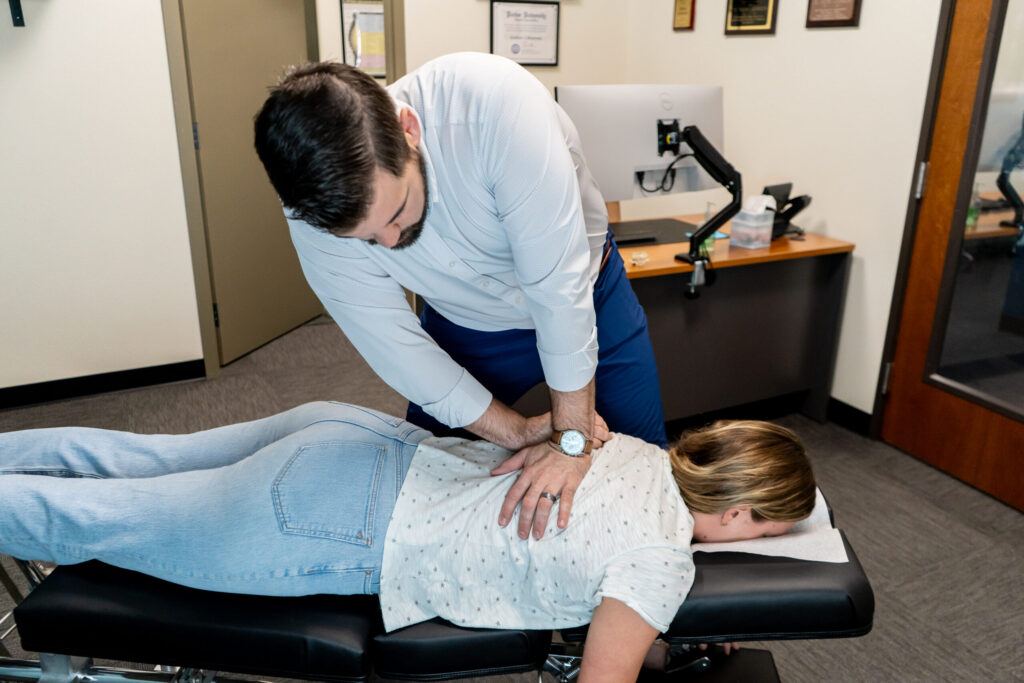
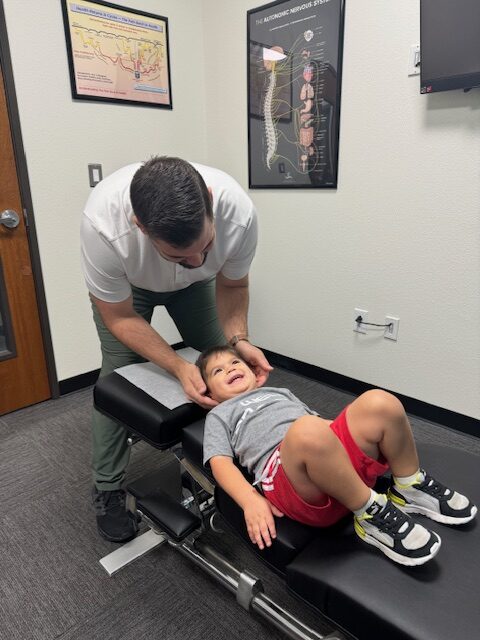
Chiropractic adjustments involve the application of controlled force to specific joints in your neck and spine. This process helps to restore proper alignment, which is crucial for your overall well-being. When your spine is misaligned, it can create tension and discomfort, especially in the neck area.
During your visit, I’ll assess your posture and movement to pinpoint any misalignments. Using precise techniques, I’ll perform adjustments that promote better function and reduce pain. Many patients report feeling immediate relief following an adjustment, as pressure is relieved from their nerves and muscles.
Regular chiropractic adjustments aren’t just about addressing pain; they also play a significant role in preventing future issues. By maintaining proper spinal alignment, you can enhance your overall health and quality of life.
If you’ve been dealing with neck pain or simply want to learn more about how chiropractic care can benefit you, I encourage you to schedule an appointment. Experience the positive effects of chiropractic adjustments and take a step towards better health!
Soft Tissue Therapy: Releasing Muscle Tension
As a local chiropractor, I want to share how effective releasing muscle tension can be for those suffering from neck pain.
Understanding techniques such as trigger point release and myofascial release is essential for addressing tight areas in your muscles. These methods not only promote relaxation but also support the healing process.
Trigger Point Release
As a local chiropractor, I often see patients who struggle with debilitating neck pain caused by muscle tension. This discomfort can make even the simplest everyday activities feel like a challenge.
One of the effective methods I recommend to relieve this tension is known as trigger point release.
Trigger point release involves applying targeted pressure to specific tight spots in your muscles. By doing so, we can alleviate pain and help restore normal function in your neck and other areas of the body. While you might feel some discomfort during the process, it’s important to know that this sensation is a sign that the tension is being released.
As I hold the pressure, you’ll likely notice your muscles beginning to relax, leading to significant relief.
Incorporating regular trigger point therapy into your treatment plan can also improve blood flow and flexibility, allowing you to move more freely and with greater ease.
If you’re dealing with neck pain, I encourage you to ask me about how we can include trigger point release in your chiropractic care. Together, we can work towards restoring your comfort and enhancing your overall well-being.
Myofascial Release Techniques
If you’re dealing with ongoing neck pain, I want to introduce you to myofascial release techniques, which can significantly help relieve muscle tension. This method concentrates on the fascia, the connective tissue that envelops your muscles.
By applying gentle, sustained pressure, we can work to release tight areas within the fascia, promoting relaxation and increasing blood flow to the affected areas.
In my practice, I use my hands or specialized tools to pinpoint specific trigger points in the fascia that may be contributing to your discomfort. This form of soft tissue therapy not only alleviates pain but also improves your overall range of motion.
Many of my patients find that with regular sessions, they experience lasting relief, allowing them to engage in their daily activities without the burden of neck pain.
I encourage you to consider incorporating myofascial release into your treatment plan for optimal results. It’s a natural and effective way to address neck pain, and I’m here to guide you through the process.
Cervical Mobilization: Enhancing Range of Motion
As a local chiropractor, I want to share the benefits of cervical mobilization and how it can significantly enhance your neck’s range of motion, particularly if you’re dealing with stiffness or discomfort.
This technique involves gentle, controlled movements designed to restore flexibility and relieve tension in your cervical spine.
During a typical session, I’ll use my hands to apply specific pressure and movement to your cervical vertebrae. You may experience a sense of relief as tight muscles begin to loosen up.
Not only does cervical mobilization help alleviate pain, but it also improves blood circulation, promoting healing in the areas affected by tension.
By incorporating cervical mobilization into your chiropractic care, you can expect to see noticeable improvements in your everyday activities.
As your range of motion increases, you’ll find it much easier to perform tasks that involve head and neck movement without discomfort.
It’s all about helping you regain your natural movement and overall well-being through gentle, effective techniques.
Therapeutic Exercises: Strengthening the Neck
As a local Chiropractor, I often see patients who are seeking immediate relief from neck pain. However, I want to emphasize the importance of incorporating therapeutic exercises into your daily routine to not only alleviate discomfort but also to strengthen your neck and prevent future problems.
Engaging in these exercises regularly can help build resilience and significantly reduce the likelihood of recurring pain. Here are four effective exercises that I recommend for enhancing neck strength and stability:
- Chin Tucks: Begin by sitting or standing with good posture. Gently tuck your chin toward your chest, as if you’re creating a double chin. Hold this position for a few seconds, then release. Aim to repeat this exercise 10 times. This movement helps improve posture and strengthen the neck muscles.
- Neck Rotations: Slowly turn your head to the right until you feel a mild stretch in your neck. Hold this position for 15 seconds, then gently switch to the left side. This exercise can be repeated twice on each side to enhance mobility and flexibility.
- Shoulder Shrugs: Raise your shoulders up toward your ears, hold them there for a moment, and then relax them back down. This simple exercise can be performed 10 times and helps relieve tension in the upper neck and shoulders.
- Neck Side Bends: Tilt your head to one side, bringing your ear closer to your shoulder. Hold this stretch for 15 seconds, then switch sides. This exercise helps to improve the lateral flexibility of your neck.
By incorporating these exercises into your daily routine, you can significantly enhance your neck strength and stability, paving the way for a healthier, pain-free lifestyle.
Posture Correction: Preventing Future Pain
As a local chiropractor, I want to emphasize the importance of good posture in preventing future neck pain. Proper alignment of your spine is crucial for the health of your musculoskeletal system. When you maintain good posture, you help alleviate unnecessary strain on your neck and shoulders. It’s important to be conscious of how you hold your head; it should sit directly over your shoulders rather than jutting forward.
For those of you who spend extended hours at a desk, I recommend making adjustments to your workspace. Ensure that your chair and monitor are set to keep your screen at eye level. This can significantly reduce the strain on your neck.
Don’t forget to take regular breaks—it’s essential to stretch and reset your posture throughout the day.
Incorporating exercises that strengthen your core and back muscles is also beneficial, as these muscles play a key role in supporting the natural curves of your spine. Additionally, consider using ergonomic tools like supportive chairs or lumbar cushions to enhance your comfort while sitting.
By actively working on correcting your posture now, you can greatly reduce your risk of experiencing neck pain in the future and improve your overall well-being.
Cold and Heat Therapy: Soothing Inflammation
As a local chiropractor, I want to share some valuable insights on how to manage neck pain, even when you maintain good posture.
It’s important to understand that inflammation and muscle tension can still lead to discomfort, which is where cold and heat therapy can come into play.
Here’s how you can leverage these methods to help soothe your neck pain:
- Cold Therapy: Applying ice packs for 15-20 minutes can be a great way to reduce swelling and numb any pain you may be experiencing. This method is particularly effective right after an injury occurs, as it helps manage inflammation right from the start.
- Heat Therapy: On the other hand, using a heating pad or a warm compress can work wonders for tight muscles. This approach promotes relaxation and improves blood circulation, making it especially beneficial for chronic neck issues that may have developed over time.
- Alternating Therapies: For a comprehensive relief strategy, consider alternating between cold and heat therapies. This balanced approach can provide thorough comfort and address the varying aspects of your neck pain.
- Listening to Your Body: It’s crucial to tune in to how your body responds to these therapies. If you find that one method alleviates your discomfort more effectively, feel free to focus on that. However, don’t hesitate to experiment with the other method as well; you might find a combination that works best for you.
Incorporating these therapies into your daily routine can significantly aid in managing neck pain and promoting healing.
Electrical Stimulation: Relieving Pain Signals
As a local chiropractor dedicated to helping you find relief from neck pain, I want to share how electrical stimulation can be a transformative approach for your wellness.
This technique works by interrupting the pain signals that travel to your brain, providing you with much-needed relief.
During your visits, I’ll explain how this method operates and outline the treatment protocols we can use to tailor the experience to your specific needs.
By understanding how electrical stimulation functions, you can make an informed decision about whether this natural healing option is right for you.
My goal is to empower you on your journey to better health and comfort.
Mechanism of Action
As your local chiropractor, I want to share with you how electrical stimulation techniques can significantly enhance your pain relief experience. These methods are designed to target the pain signals in your body, helping you find comfort without relying solely on medication.
Here’s a breakdown of how electrical stimulation works its wonders:
- Interrupts Pain Signals: This technique sends gentle electrical impulses that effectively block the transmission of pain signals to your brain, allowing you to feel more at ease.
- Stimulates Endorphin Release: Electrical stimulation encourages your body to release endorphins, which are your natural painkillers. This can help lessen your overall perception of pain and promote a sense of well-being.
- Increases Blood Flow: By enhancing circulation, electrical stimulation allows for better delivery of oxygen and nutrients to the areas in pain, which is essential for healing and recovery.
- Muscle Relaxation: This method helps to reduce muscle tension, particularly in areas like the neck, which can contribute to discomfort and restricted movement. By relaxing these muscles, you may experience improved mobility and a greater range of motion.
I hope this gives you a better understanding of how electrical stimulation can support your journey toward natural healing and pain relief!
Treatment Protocols Explained
As a local chiropractor, I want to help you understand how electrical stimulation techniques can play a crucial role in your journey toward neck pain relief. These innovative methods utilize low-voltage electrical currents to stimulate your nerves and muscles, effectively blocking pain signals while promoting healing in the affected areas.
During an electrical stimulation therapy session, we carefully place electrodes on your skin near where you’re experiencing discomfort. You’ll likely feel a gentle tingling sensation as the current flows through your body. This sensation isn’t only normal but also beneficial, as it helps to alleviate pain and improve blood circulation in the area.
To achieve the best results, I typically recommend a series of sessions, often integrating these treatments with other chiropractic care methods tailored specifically to your needs.
Many patients experience a remarkable reduction in pain and enhanced mobility after completing the treatment protocol. Remember, I’m here to guide you through this process, so don’t hesitate to reach out to discuss how we can customize your treatment plan for optimal neck pain relief. Your well-being is my top priority!
Lifestyle and Ergonomic Advice: Long-Term Solutions
As your local chiropractor, I want to emphasize that while chiropractic adjustments are an effective way to relieve neck pain, they should be part of a broader approach that includes lifestyle and ergonomic changes.
These adjustments not only enhance your recovery but also promote long-term well-being and minimize the chances of future discomfort.
Here are four key strategies to consider incorporating into your daily routine:
- Posture Awareness: It’s essential to maintain proper alignment of your head over your spine, whether you’re sitting or standing. Choosing a chair that provides support for your lower back can make a significant difference in your posture and comfort.
- Ergonomic Workspace: Set up your workspace thoughtfully. Position your computer screen at eye level, ensuring your chair offers adequate support for your back. This helps maintain a neutral neck position, reducing strain during your work hours.
- Regular Breaks: Make it a habit to take breaks every 30-60 minutes. Stand up, stretch, and move around to alleviate tension that builds up from extended sitting. This simple practice can greatly improve your overall comfort and productivity.
- Exercise: Incorporate regular physical activity into your life, with a focus on exercises that strengthen your neck and upper back muscles. This not only supports your chiropractic care but also builds resilience against future discomfort.
By implementing these changes, you can experience significant improvements in your neck health and overall quality of life.
When to Seek Chiropractic Care: Signs and Recommendations
As a local chiropractor, I want to help you understand when it’s the right time to seek chiropractic care for your neck. If you’re dealing with persistent pain that doesn’t seem to improve with rest or over-the-counter medications, this is a significant indicator that it may be time to consult with a chiropractor.
Stiffness that restricts your range of motion, or headaches that seem to accompany your neck pain, are also important signs that you should reach out for professional help.
Additionally, if you notice that your neck pain radiates into your arms or hands, or if you’re experiencing numbness and tingling, these symptoms aren’t to be taken lightly and require immediate attention.
It’s crucial to pay attention to any discomfort that interferes with your daily activities or disrupts your sleep, as these can be signs of an underlying issue.
Conclusion
As a local chiropractor, I want to share with you how incorporating some of the top chiropractic techniques can significantly relieve your neck pain and enhance your overall well-being. It’s important to understand that neck pain can stem from various causes, and addressing these issues through effective treatments is key. Techniques such as spinal adjustments, soft tissue therapy, and cervical mobilization are designed to help you regain mobility and reduce tension in your neck.
In addition to these treatments, I encourage you to integrate therapeutic exercises and make some lifestyle changes that can support your recovery and provide long-term relief. Remember, if you find that your pain continues, it’s essential to consult with a chiropractor like myself. We can offer personalized care and guidance tailored to your specific needs, helping you to navigate your path to better health naturally.