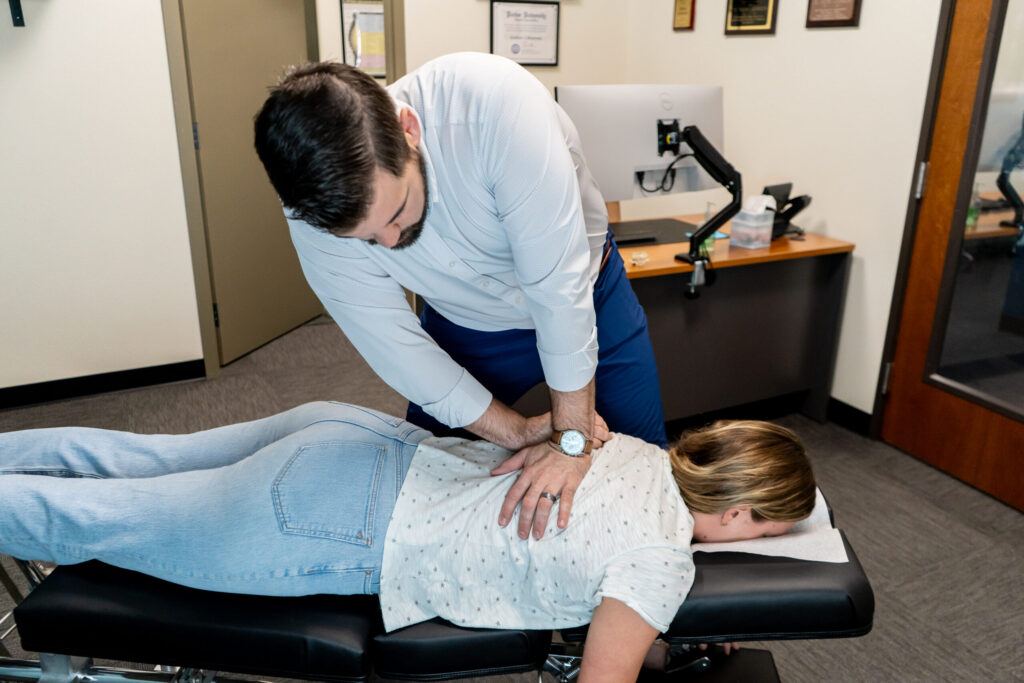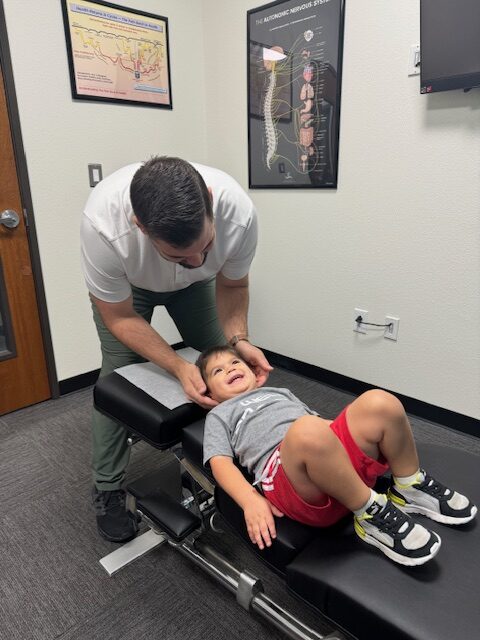

As a local chiropractor, I often see patients who are struggling with back pain and are seeking effective relief. I want to encourage you to explore natural techniques that can truly transform your experience. Gentle stretching and mindfulness practices are just a few examples of methods that can help ease discomfort and enhance your overall wellness.
It’s crucial to understand the root causes of your pain, as this knowledge can guide us in developing a tailored recovery plan for you. There are simple steps you can take that align with chiropractic care to support your healing journey. Let’s dive into some effective strategies that may significantly improve your daily life and help you regain your comfort.
Understanding the Causes of Back Pain
As a local chiropractor dedicated to helping our community, I want to emphasize the importance of understanding the causes of your back pain for effective relief. Back pain can arise from a variety of sources, such as muscle strains, ligament sprains, and even herniated discs.
Many times, poor posture—whether you’re sitting at a desk or standing—can contribute to your discomfort. A sedentary lifestyle, where you aren’t moving enough, can also have a significant impact. Additionally, activities like heavy lifting or twisting can lead to injuries that may require attention.
It’s also essential to recognize that certain factors can worsen back pain. For instance, age and obesity can play a role, as can stress. Conditions such as arthritis or scoliosis may contribute to your discomfort as well.
I encourage you to listen to your body and take note of any activities or habits that seem to trigger your pain. Keeping a record of when and where the pain occurs can help us identify specific causes.
Understanding these factors is key to taking proactive steps toward relief. In chiropractic care, we focus on addressing the root of the issue rather than just masking the symptoms.
Together, we can create a personalized plan that may involve adjustments, exercises, and lifestyle recommendations to help you achieve lasting relief and improve your overall well-being.
Gentle Stretching Exercises for Relief
As a local chiropractor, I want to emphasize the importance of gentle stretching exercises in alleviating back pain and enhancing your overall flexibility.
Incorporating specific stretching techniques into your routine can significantly improve your comfort and mobility.
However, I can’t stress enough the importance of safety precautions while stretching to prevent any additional strain on your body.
Understanding how to stretch properly is key to ensuring a safe and effective approach to your healing journey.
If you have any questions about how to get started or what exercises might be best for you, I’m here to help guide you on your path to natural healing and wellness.
Importance of Stretching
As a local chiropractor, I want to emphasize the vital role that stretching plays in alleviating back pain. Many people may not realize that gentle stretching is a key component in enhancing flexibility and reducing muscle tension.
By incorporating stretching into your daily routine, you can significantly improve blood circulation to your muscles, which promotes healing and recovery. This practice not only alleviates discomfort but also acts as a preventive measure against future injuries by keeping your muscles and joints limber.
Additionally, regular stretching can enhance your posture, which in turn reduces strain on your back throughout the day. It’s important to listen to your body when you stretch; if something feels too intense, be sure to adjust accordingly.
Consistency is essential in this process. By making stretching a habit, you’re likely to notice a considerable decrease in your back pain over time, leading to a more active and pain-free lifestyle.
Recommended Stretching Techniques
As a local chiropractor, I want to emphasize the importance of incorporating stretching exercises into your daily routine, especially if you’re experiencing back pain.
One effective stretch I recommend is the cat-cow stretch. Start on all fours and gently alternate between arching your back and lowering it, coordinating your movements with your breath. This not only helps in relieving tension but also promotes spinal flexibility.
Another beneficial stretch is the child’s pose. Kneel down, sit back on your heels, and extend your arms forward. You’ll feel a soothing release in your lower back, which can be very comforting.
The seated forward bend is also a fantastic option. Sit with your legs extended in front of you and slowly reach for your toes while keeping your back straight. This stretch encourages lengthening of the spine and can significantly alleviate discomfort.
Lastly, don’t overlook the spinal twist. While seated, gently twist your torso to one side and hold for a few breaths before switching to the other side. This movement can help improve spinal mobility and reduce stiffness.
By regularly practicing these stretches, you can enhance flexibility and decrease discomfort in your back, contributing to a healthier, more balanced lifestyle.
If you have any questions about these techniques or want personalized advice, feel free to reach out—I’m here to help you on your journey to natural healing!
Safety Precautions to Consider
As a chiropractor dedicated to helping you achieve optimal back health, it’s important to prioritize safety when incorporating stretching into your routine for back pain relief.
First and foremost, I encourage you to listen to your body. If you feel any pain during a stretch, it’s crucial to stop immediately to prevent further injury.
Before diving into your stretches, take a moment to warm up your muscles with some light movements. This simple step can significantly reduce the risk of strain.
When you do begin your stretching, make sure to choose a flat, stable surface where you have ample room to move without any obstacles in your way.
I also want to emphasize the importance of avoiding bouncing while stretching. This can lead to unnecessary strains and setbacks in your healing process.
Instead, focus on holding each stretch gently for 15-30 seconds, allowing your muscles to relax. Deep breathing during this time can further enhance your relaxation and effectiveness of the stretch.
Remember, it’s perfectly okay to modify stretches to align with your comfort level. If you’re ever uncertain about a particular movement or stretch, I encourage you to reach out for guidance.
Consulting with a healthcare professional, like myself, can provide you with the personalized support you need. By keeping these safety precautions in mind, you can stretch safely and effectively, paving the way for a healthier back.
Strengthening Your Core to Support Your Back
As a local chiropractor, I want to emphasize the importance of a strong core in maintaining a healthy back and preventing discomfort. Many of my patients may not realize that the foundation of a healthy spine lies in core stability.
By strengthening your core, you can improve your posture and significantly reduce the strain on your spine, which can lead to less pain and better overall wellness.
Let’s take a closer look at some effective core exercises that can help you build the strength and stability necessary for a healthy back. Incorporating these exercises into your routine can support your chiropractic care and enhance your body’s natural healing processes.
Importance of Core Stability
As your local chiropractor, I want to share some important insights about how core stability can significantly impact your back health. Many people often think that stretching and flexibility exercises are the only solutions for alleviating back pain. However, strengthening your core is just as crucial for achieving long-lasting support and relief.
Your core muscles are essential for stabilizing your spine. When these muscles are strong, they help distribute weight evenly across your body, reducing unnecessary strain on your back. Think of your core as a natural brace—when it’s engaged, it provides the stability you need during your daily activities, which can help minimize your risk of injury.
Additionally, a strong core plays a vital role in maintaining good posture and balance. These factors are directly linked to your overall back health. By prioritizing core stability, you’re not only working towards alleviating back pain but also enhancing your overall strength and endurance.
I encourage you to invest time in core exercises as part of your wellness routine. Building a solid foundation through core stability can lead to a healthier back and improve your quality of life.
Recommended Core Exercises
As a local chiropractor, I’m here to help you understand the importance of core strength for your overall health and back support. Strengthening your core is crucial, and incorporating a variety of targeted exercises into your routine can significantly benefit your spine and overall well-being.
Let’s start with planks. This simple exercise involves holding your body in a straight line from head to heels for about 20-30 seconds. It’s fantastic for building endurance in your core muscles.
Next, I recommend trying bridges. To do this, lie on your back with your knees bent and lift your hips off the floor. This exercise not only strengthens your glutes but also supports your lower back.
Don’t forget about side planks! By balancing on one side and supporting your body with your forearm, you can work on your oblique muscles, which are key for stability.
Another effective exercise is the bird-dog. While on all fours, extend opposite arms and legs. This move helps improve coordination and engages your core effectively.
Lastly, pelvic tilts are great for targeting your lower back and abdominal muscles. This gentle movement can help relieve tension and improve your spinal alignment.
I suggest performing these exercises 2-3 times a week. As you grow stronger, gradually increase the duration and repetitions.
The Benefits of Mindfulness and Meditation
As a local chiropractor, I want to share with you the incredible benefits of mindfulness and meditation, particularly when it comes to alleviating back pain. These practices can be an essential part of your overall healing journey, promoting relaxation and significantly reducing stress levels.
When you learn to focus on the present moment, you can let go of the tension that often accumulates in your back, allowing for greater ease and comfort. Mindfulness encourages you to tune into your body, helping you identify areas of discomfort and respond in ways that support healing.
By incorporating deep breathing techniques into your daily routine, you increase oxygen flow to your muscles, which aids in relaxation and recovery. This is crucial for maintaining a healthy back and preventing future issues.
Regular mindfulness practice can also shift your mindset, making you more resilient to pain. You’ll learn to observe your thoughts and feelings without judgment, which can help ease any anxiety you may have about your back pain.
Over time, this mental shift can lead to improved emotional well-being, further enhancing your physical health and overall quality of life.
By engaging in mindfulness and meditation, not only will you find effective ways to cope with pain, but you’ll also empower yourself to cultivate a more balanced and peaceful approach to life.
This holistic approach contributes significantly to a healthier back and a more fulfilling life. If you have any questions or would like to discuss how chiropractic care can complement these practices, feel free to reach out!
Heat Therapy: Soothing Your Muscles
As a chiropractor, I often recommend heat therapy as an effective way to help manage back pain and promote relaxation in your muscles. When you apply heat, it increases blood flow to the area, delivering essential nutrients and aiding in the healing process.
Whether you choose to use a heating pad, a hot water bottle, or a warm towel, the gentle warmth can help loosen tight muscles, alleviating tension and stiffness. Taking a warm bath or shower can also be beneficial, allowing the heat to envelop your back.
It’s important to find a comfortable temperature—heat that’s too hot can lead to burns, while heat that’s too cool may not provide the relief you’re seeking. For optimal results, use heat therapy in intervals of 15 to 20 minutes. This gives your body a chance to adjust and prevents overheating.
Always pay attention to how your body feels; if you experience any discomfort, it’s best to take a break. Incorporating heat therapy into your daily routine can significantly enhance your ability to manage back pain and improve your overall well-being.
If you’re new to chiropractic care, consider discussing heat therapy and other natural healing techniques with me during your next visit. Together, we can create a comprehensive plan tailored to your needs.
Cold Therapy: Reducing Inflammation
As a local chiropractor, I often emphasize the importance of cold therapy in managing back pain, particularly when it comes to reducing inflammation. Many of my patients have found relief by incorporating ice packs or cold compresses into their self-care routines.
When applied to the affected area, the cold helps numb the pain and constrict blood vessels, which can significantly decrease swelling and discomfort.
For optimal results, I recommend applying cold therapy for about 15-20 minutes at a time. Just be sure to wrap the ice in a cloth to protect your skin from frostbite.
If you’re dealing with a recent injury, utilizing cold therapy within the first 48 hours can be especially effective. This approach is also beneficial after activities that may aggravate your back pain, allowing you to feel more comfortable and move with greater ease.
It’s crucial to listen to your body during this process. If you experience increased pain or discomfort from the cold, it’s best to discontinue use.
With regular application, cold therapy can play a vital role in your back pain management plan, complementing the chiropractic care I provide. Together, we can work towards a more holistic approach to your healing.
The Role of Proper Posture
As a local chiropractor, I want to emphasize the importance of proper posture in relation to back pain. After you’ve addressed inflammation with cold therapy, it’s crucial to consider how your posture can play a significant role in your recovery and overall spinal health.
Good posture isn’t merely about aesthetics; it’s vital for maintaining a healthy spine and reducing discomfort.
Here are some practical tips to help you improve your posture and support your healing process:
- Sit tall: When seated, make a conscious effort to keep your back straight and your shoulders relaxed. This simple adjustment can make a big difference in your spinal alignment.
- Use ergonomic furniture: Consider investing in a chair that provides proper support for your lumbar region. Ergonomic furniture can help maintain your posture throughout the day, reducing strain on your back.
- Align your screen: Ensure your computer monitor is positioned at eye level. This will help you avoid slouching and keep your neck and spine aligned while you work.
- Take breaks: It’s essential to get up and stretch every hour. Standing up and moving around can prevent stiffness and promote better circulation, contributing to your overall wellness.
By being mindful of your posture and implementing these tips, you can significantly reduce strain on your back and enhance your recovery.
Incorporating Yoga Into Your Routine
As a local chiropractor, I often see patients who struggle with back pain, and I want to highlight how incorporating yoga into your routine can be a transformative approach to finding relief.
Yoga is an excellent practice that promotes flexibility, strengthens your core, and encourages proper alignment—all of which are crucial for alleviating discomfort in your back.
I recommend starting with gentle poses, such as Child’s Pose, Cat-Cow, and Downward-Facing Dog. These poses are fantastic for easing tension in your back muscles and can complement the chiropractic adjustments you receive in my office.
As you become more comfortable, consider incorporating poses like Cobra and Bridge into your routine. These poses not only help strengthen your back but also aid in improving your posture, which is essential for long-term relief.
Remember to focus on your breath; deep breathing techniques can significantly help in releasing stress and tension throughout your body.
If you’re new to yoga, I suggest joining a local class or exploring online tutorials to ensure you’re practicing safely and effectively.
Consistency is vital—aim to engage in yoga a few times a week to experience noticeable improvements. Always listen to your body and avoid pushing yourself too hard.
With dedication, yoga can serve as a valuable addition to your back pain relief strategy alongside chiropractic care. Together, we can work towards a healthier, pain-free lifestyle.
The Importance of Ergonomics at Work
As a local chiropractor, I want to emphasize the critical role your workspace setup plays in your overall back health. Many people underestimate the importance of proper ergonomics at work, but it’s vital for preventing back pain and ensuring your comfort throughout the day.
Here are some key ergonomic tips to help you create a healthier workspace:
- Chair Height: It’s essential to adjust your chair so that your feet are flat on the ground, and your knees are slightly below your hips. This position helps maintain proper spinal alignment.
- Monitor Position: Your monitor should be at eye level, roughly an arm’s length away. This setup helps prevent neck strain, which can lead to discomfort and tension.
- Keyboard and Mouse: Keep your keyboard and mouse close enough so that you don’t have to reach for them. Your elbows should remain at about a 90-degree angle, allowing for relaxed shoulders and arms.
- Frequent Breaks: Make it a habit to stand up, stretch, and move around at least once every hour. This practice helps relieve built-up tension and improves circulation, both of which are crucial for maintaining a healthy back.
By incorporating these ergonomic principles into your daily routine, you can enhance your comfort and significantly reduce your risk of experiencing back pain.
Conclusion
As your local chiropractor, I want to emphasize the importance of incorporating natural techniques for back pain relief into your daily routine. These methods can lead to remarkable improvements in your comfort and overall well-being. By focusing on gentle stretching, core strengthening exercises, and mindfulness practices, you’re not only tackling the pain but also fostering a healthier lifestyle.
Additionally, I encourage you to explore the benefits of heat and cold therapy, which can provide immediate relief and support your healing process. It’s also crucial to be mindful of your posture and to implement ergonomic practices in your work environment. These adjustments can make a significant difference in how your body feels throughout the day.
Embracing these strategies can help you achieve a more comfortable and active life. Remember, taking a natural approach to healing is not just about alleviating pain—it’s about enhancing your overall quality of life. If you have any questions or would like to learn more about how chiropractic care can support your journey, please don’t hesitate to reach out.