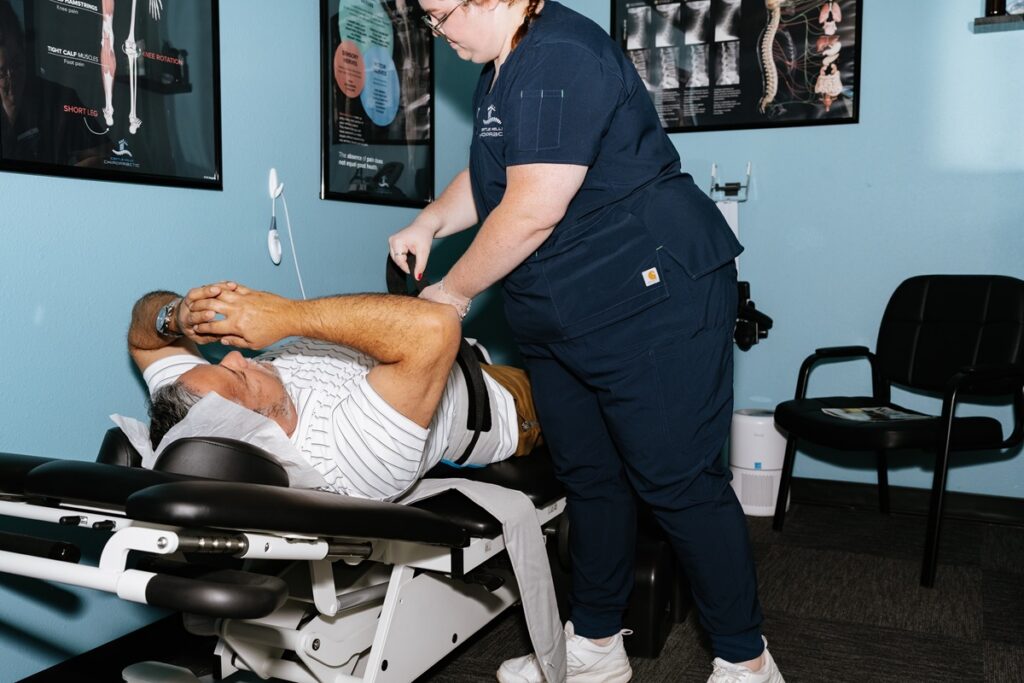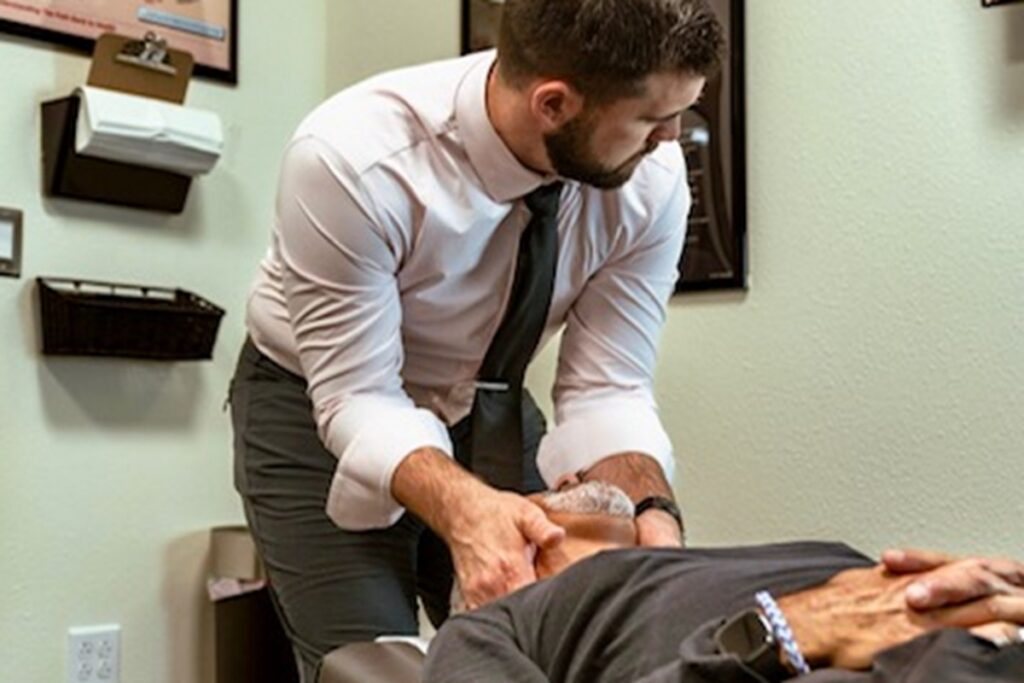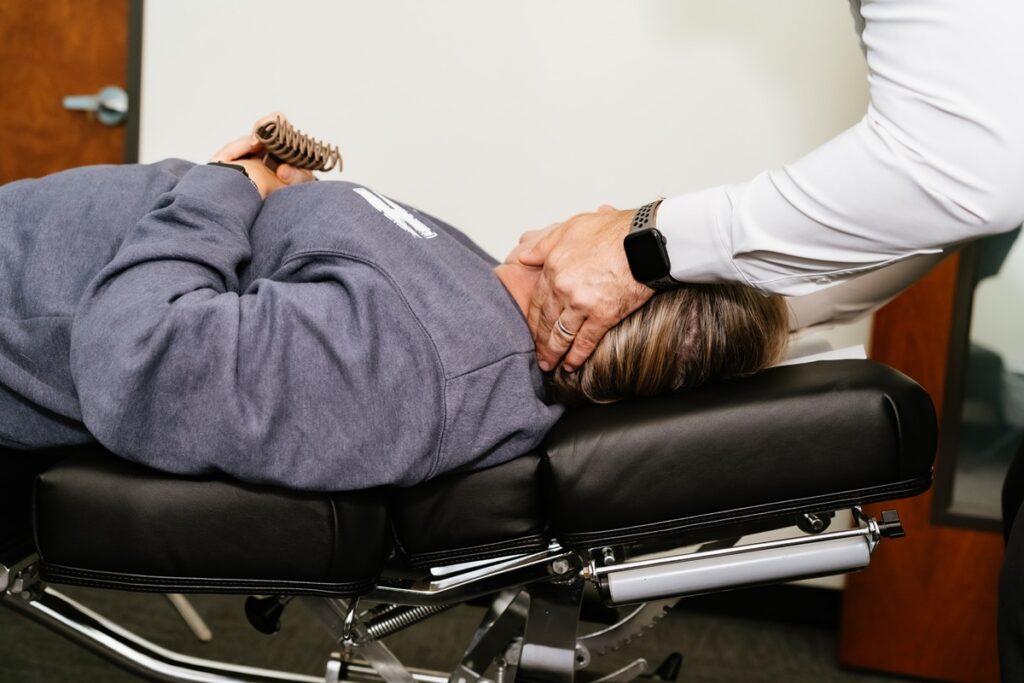

As a local chiropractor, I often see patients struggling with back pain, which can significantly disrupt their daily activities. The good news is that incorporating simple exercises into your routine can be a natural and effective way to alleviate discomfort and enhance your overall well-being. These exercises range from gentle stretches that promote flexibility to core-strengthening movements that provide essential support for your back.
If you’re new to chiropractic care and natural healing, you might wonder how to start and ensure you’re benefiting from these exercises. It’s important to approach them with proper guidance and understanding. Let’s delve into some effective techniques that can help keep back pain at bay and improve your quality of life. Remember, taking proactive steps can lead to significant improvements in your health.
Understanding Back Pain and Its Causes
As a local chiropractor, I want to help you understand the common issue of back pain and its underlying causes. Many people experience back pain, but by grasping what contributes to this discomfort, you can take steps to manage and alleviate it more effectively.
One major factor is poor posture. When you sit for long periods or slouch, it can lead to muscle strain and misalignment in your spine. This strain can create significant discomfort over time.
Moreover, repetitive movements, such as lifting heavy objects without proper technique, can result in acute pain or evolve into chronic issues.
In addition to these everyday habits, injuries from accidents or sports can also impact your back health. Certain medical conditions, like arthritis or herniated discs, may contribute to your pain as well.
It’s important to recognize that stress can play a role too; tension often manifests physically, tightening your muscles and worsening your discomfort.
By identifying these triggers in your life, you can make necessary adjustments to reduce your back pain. Chiropractic care focuses on natural healing methods that address these causes, restoring your spine’s alignment and improving your overall well-being.
Together, we can work toward alleviating your discomfort and enhancing your quality of life.
Importance of Stretching for Back Health
As a local chiropractor, I want to emphasize the vital role that stretching plays in maintaining the health of your back. Many people may not realize how crucial it’s to incorporate stretching into their routine, but it significantly enhances flexibility and alleviates tension in the muscles that support your spine.
Let me share some key benefits you can experience by making stretching a regular part of your life:
- Increased Mobility: When you engage in stretching exercises, you’ll notice a remarkable improvement in your ability to perform daily activities. Whether you’re bending down to pick something up or reaching for an item on a high shelf, increased mobility can make these actions feel effortless.
- Pain Relief: Regular stretching is a natural way to relieve discomfort and stiffness in your back. By loosening tight muscles, you can enjoy your favorite activities without the persistent worry of back pain holding you back.
- Stress Reduction: Stretching isn’t just about physical benefits; it also has a calming effect on your mind. It helps reduce stress and promotes a sense of balance, making it easier for you to navigate life’s challenges.
By understanding the importance of stretching for your back health, you can take proactive steps towards improving your overall well-being.
As your chiropractor, I’m here to guide you on your journey to a healthier, more flexible back.
Strengthening Exercises for a Stronger Back
As a chiropractor dedicated to helping you achieve a stronger and healthier back, I want to emphasize the importance of incorporating specific strengthening exercises into your routine. These exercises not only enhance your back strength but also support your overall well-being.
Let’s start with planks. This exercise is fantastic because it engages both your core and back muscles simultaneously. Aim to hold this position for 20 to 30 seconds, and as your strength improves, gradually increase your hold time. This will provide stability and support to your spine.
Next, I recommend trying bridge exercises. To do this, lie on your back with your knees bent. Lift your hips towards the ceiling, hold for a few seconds, and then lower them back down. This exercise is excellent for strengthening your lower back and glutes, which are essential for maintaining proper posture and reducing pain.
Incorporating rows with resistance bands or dumbbells can also be beneficial. Bend slightly at the hips and pull the weights towards your torso while squeezing your shoulder blades together. This movement targets your upper back, enhancing stability and improving your posture.
Lastly, don’t overlook the superman exercise. By lying face down and extending your arms and legs, you can lift them off the ground simultaneously. This exercise activates your entire back, promoting strength and resilience, which can be particularly helpful in preventing injuries.
Posture Correction Techniques
As your local chiropractor, I want to emphasize the importance of posture correction techniques for your overall back health.
One of the first steps you can take is to set up your workspace in an ergonomic manner. This means adjusting your chair and monitor to support proper alignment, which can significantly reduce strain on your back.
I also encourage you to practice mindful sitting. This involves being aware of your posture throughout the day, making conscious efforts to sit up straight, and avoiding slouching.
By incorporating these techniques into your daily routine, you can help alleviate discomfort and promote natural healing in your body.
Ergonomic Desk Setup
As a local chiropractor, I want to emphasize the importance of an ergonomic desk setup for your overall health and well-being. Many of my patients come in experiencing back pain and discomfort, often stemming from poor workspace arrangements.
By making a few simple adjustments to your desk setup, you can significantly reduce strain on your body and enhance your comfort while working, which can help you stay focused and productive.
Here are three key aspects to consider for your ergonomic desk setup:
- Chair Height: It’s crucial to ensure your chair is adjusted so that your feet rest flat on the floor. This position helps alleviate pressure on your lower back and promotes better posture throughout the day.
- Monitor Position: Set your monitor at eye level and about an arm’s length away from you. This alignment can prevent neck strain and encourage a more natural head position, reducing the risk of developing tension headaches or discomfort.
- Keyboard and Mouse Placement: Your keyboard and mouse should be positioned at elbow height, allowing your arms to rest comfortably by your sides. This setup minimizes strain on your shoulders and wrists, which is essential for preventing repetitive strain injuries.
By implementing these ergonomic principles, you can greatly enhance your daily comfort and support your body’s natural alignment.
As a chiropractor, I encourage you to take these small steps toward creating a healthier workspace, as they can lead to significant improvements in your overall well-being.
Mindful Sitting Practices
As a local chiropractor, I often see patients who are unaware of the importance of maintaining good posture, especially during those long hours at a desk. Many of you might find yourselves slouching or frequently shifting in your chair, which can lead to discomfort and long-term issues.
That’s why I encourage you to practice mindful sitting.
Begin by sitting up straight, allowing your back to align properly against the chair. Your feet should be flat on the floor, with your knees forming a right angle. It’s crucial to adjust your screen to eye level to avoid straining your neck.
I also recommend taking regular breaks to stretch and move around, as this can greatly alleviate tension.
Throughout the day, make it a habit to check in with your posture. Engaging your core muscles while sitting can provide additional stability and support for your spine.
By implementing these simple adjustments, you can significantly reduce strain on your back and enhance your overall well-being.
Daily Routines to Incorporate Into Your Life
As a local chiropractor, I want to emphasize how incorporating simple exercises into your daily routine can significantly alleviate back pain and enhance your overall health.
It may seem like a small effort, but the benefits can be substantial. Just a few minor adjustments to your daily habits can help maintain a healthy, pain-free back.
- Morning Stretch: Begin your day with a quick 5-minute stretching routine. Gentle movements, such as torso twists, can help loosen tight muscles and prepare your body for the day ahead. This is an excellent way to start your morning and promote spinal health.
- Active Breaks: I recommend setting a timer to remind yourself to take a break every hour. Stand up, walk around, or do a quick set of squats. These short intervals of activity engage your muscles and can prevent stiffness, making a significant difference in how your back feels throughout the day.
- Mindful Posture: Throughout your day, it’s essential to check in on your posture. Make necessary adjustments to ensure you’re sitting or standing correctly. Good posture can prevent strain and discomfort in your back, reducing the risk of injury and pain.
By integrating these simple practices into your daily life, you can take proactive steps toward maintaining a healthy back.
Yoga Poses for Back Pain Relief
As a local chiropractor, I understand how challenging back pain can be, and I want to share how certain yoga poses can provide significant relief.
The Cat-Cow stretch is particularly beneficial as it enhances flexibility in your spine, which is crucial for overall back health.
Additionally, Child’s Pose allows for deep relaxation, helping to alleviate tension in the back muscles.
Lastly, practicing Downward Dog can improve your alignment and strengthen the muscles that support your spine.
Incorporating these poses into your routine can complement chiropractic care and promote a natural healing process.
Cat-Cow Stretch Benefits
As a local chiropractor, I often recommend the Cat-Cow stretch to my patients who are seeking natural ways to alleviate back pain.
This gentle yet effective yoga pose can offer significant benefits for your spine and overall well-being. By transitioning between these two positions, you can enhance your spinal flexibility and strengthen your core, which provides essential support to your back.
Here are three key advantages you can expect from incorporating this stretch into your routine:
- Improved Posture: Regularly practicing the Cat-Cow stretch helps to realign your spine, which in turn promotes better posture throughout your daily activities. This is especially important for those of us who spend long hours sitting at desks.
- Stress Relief: The fluid movements of the Cat-Cow stretch can effectively relieve tension in both your body and mind, allowing you to feel more relaxed and centered. This is a natural way to manage stress that can often contribute to back discomfort.
- Enhanced Blood Flow: Engaging in this stretch increases circulation in your back muscles, which can help reduce stiffness and promote healing. Improved blood flow is crucial for recovery and overall spinal health.
I encourage you to incorporate the Cat-Cow stretch into your daily routine.
Many of my patients report a noticeable improvement in their back health when they do so consistently. Embracing these simple, natural movements can help you on your journey to a healthier, pain-free life.
Child’s Pose Technique
As a chiropractor, I often recommend Child’s Pose as a restorative yoga posture that can significantly relieve back pain. It’s a simple yet effective technique that anyone can try, even if you’re new to yoga or chiropractic care.
To begin, kneel on the floor with your big toes touching and knees spread apart, which helps to open up the hips. Sit back on your heels, and then gently lower your torso forward, allowing your forehead to rest on the mat. You can extend your arms in front of you or alongside your body, depending on what feels most comfortable for you.
As you settle into the pose, focus on your breathing. Take deep breaths and with each exhale, allow your back to relax further. Holding this position for at least 30 seconds can help create a gentle stretch along your spine and release tension in your lower back, which is often a source of discomfort for many.
When you feel ready to exit the pose, press into your hands and slowly lift your torso back up. This calming pose not only provides immediate relief but also contributes to overall spinal health.
Incorporating Child’s Pose into your routine can enhance your journey towards natural healing and wellness.
Downward Dog Alignment
As a chiropractor dedicated to helping you achieve optimal health, I want to introduce you to the Downward Dog pose, a powerful tool for relieving back pain. This yoga position is particularly effective for stretching your spine, hamstrings, and shoulders, which can alleviate discomfort and enhance your overall alignment.
Here are three essential points to focus on when practicing Downward Dog:
- Hands and Feet Alignment: Ensure that your hands are positioned shoulder-width apart and your feet are hip-width apart. Ground yourself by pressing through your heels, which helps stabilize your body.
- Spine Lengthening: Concentrate on pulling your hips upward and back, creating a long, straight line from your wrists to your tailbone. This elongation is crucial for decompressing your spine and promoting better posture.
- Relax Your Neck: Allow your head to hang heavy between your arms. It’s important to maintain a relaxed neck, as this reduces tension while you take deep, calming breaths.
Incorporating Downward Dog into your daily routine can significantly ease pain and improve your flexibility.
As we explore natural healing methods together, remember that yoga poses like this can complement your chiropractic care, supporting your journey toward a healthier, pain-free life.
Core Strengthening for Back Support
As a local chiropractor, I want to emphasize the importance of core strengthening for your overall back health. Many individuals overlook the significance of a strong core, yet it plays a crucial role in supporting your spine and preventing pain. A well-developed core stabilizes your spine, which helps you maintain proper posture and reduces strain on your back throughout your daily activities.
You don’t need any fancy gym equipment to get started; focus on simple exercises that engage your abdominal muscles, lower back, and pelvic area. For instance, planks are an excellent way to build core strength. In this exercise, you hold a push-up position while tightening your core. Begin with 20-30 seconds, gradually increasing your duration as you become more comfortable.
Another beneficial exercise is the bridge: lie on your back with your knees bent, lift your hips upward, and engage your glutes. If you’re looking to add a challenge, consider side planks, which effectively target your obliques.
Consistency is key when it comes to strengthening your core—aim for 2-3 sessions each week. As you cultivate your core strength, you’ll likely experience improved stability and a reduction in back discomfort.
Tips for Ergonomic Workspace Setup
As a chiropractor, I want to emphasize that maintaining a healthy back involves more than just building a strong core; your workspace setup is crucial in preventing discomfort and pain.
In today’s work environment, where many of us spend long hours at a desk, it’s important to create an ergonomic workspace that promotes good posture and overall well-being.
Here are three key tips to help you achieve that:
- Chair Height: It’s essential to adjust your chair so that your feet rest flat on the ground, with your knees bent at a 90-degree angle. This simple adjustment can significantly improve your posture and reduce strain on your back.
- Monitor Position: Ensure your monitor is at eye level and positioned about an arm’s length away from you. This not only helps prevent neck strain but also encourages a straight spine, making it easier for you to maintain a comfortable and healthy posture throughout the day.
- Keyboard and Mouse: Keep your keyboard and mouse within easy reach to avoid the need to stretch or overreach. Your elbows should form a 90-degree angle, allowing your wrists to remain in a neutral position. This setup can help minimize the risk of repetitive strain injuries.
By making these adjustments to your workspace, you’re taking proactive steps towards a healthier back and overall well-being.
Benefits of Regular Physical Activity
As a local chiropractor, I want to emphasize the importance of regular physical activity and its numerous benefits that go beyond just improving your fitness levels. Staying active is vital for maintaining a healthy weight, which can significantly boost your energy levels throughout the day.
It also plays a crucial role in strengthening your muscles, leading to better posture and a reduced risk of back pain—conditions I often see in my practice.
Incorporating regular physical activity into your life not only enhances your physical health but also has a profound effect on your mental well-being. You may find that engaging in exercise helps to lower stress and anxiety levels, thanks to the endorphins released during your workouts.
Furthermore, improved physical activity can enhance your sleep quality, leaving you feeling more refreshed and focused.
As a chiropractor, I believe that integrating physical activity into your daily routine is an investment in your overall health. It fosters resilience against pain and discomfort, which is essential for a vibrant life.
When to Seek Professional Help
As a local chiropractor, I want to emphasize the importance of paying attention to your body when it comes to back pain. If you find that your discomfort persists or even intensifies, it’s essential not to overlook these signals. Seeking professional guidance can’t only provide relief but also prevent further complications down the line.
Here are three key signs that suggest it may be time for you to consult with a healthcare provider like myself:
- Persistent Pain: If your back pain has been hanging around for more than a few weeks or seems to be getting worse, this is a clear indication that you should reach out to a chiropractor. We specialize in understanding the musculoskeletal system and can help determine the underlying causes of your pain.
- Numbness or Tingling: Should you experience numbness, tingling, or weakness in your legs, it could be a sign of a more serious issue that needs immediate attention. These symptoms can often point to nerve involvement, and chiropractic care can be an effective way to address these concerns.
- Impact on Daily Life: If your back pain is disrupting your daily activities or affecting your sleep, it’s crucial to seek professional intervention. Chiropractic care focuses on restoring proper function and alignment to your spine, which can help you regain your quality of life.
Don’t wait until your pain becomes unbearable. The earlier you seek help, the better your chances for a quicker and more effective recovery.
Conclusion
As a local chiropractor, I want to share how incorporating simple exercises into your daily routine can significantly help in managing back pain. Regular stretching and strengthening exercises not only improve your flexibility and stability but also promote better posture, which is crucial for your overall spine health.
It’s important to take active breaks throughout your day, especially if you have a desk job, and to prioritize ergonomics in your workspace. This means setting up your chair, desk, and computer in a way that supports your back and minimizes strain. By being proactive and mindful of your movements, you can effectively keep back pain at bay and lead a more active, pain-free life.
Remember, while these exercises are beneficial, don’t hesitate to seek professional assistance if you feel it’s necessary. Chiropractic care can provide additional support and guidance tailored to your specific needs. Together, we can work towards achieving lasting relief and improving your quality of life.