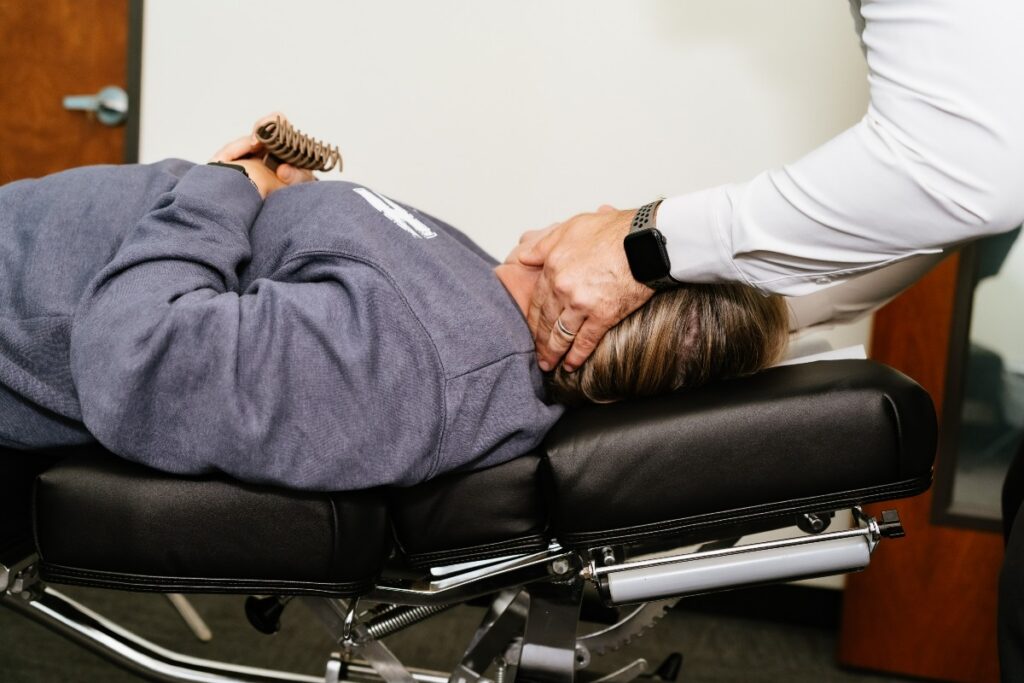
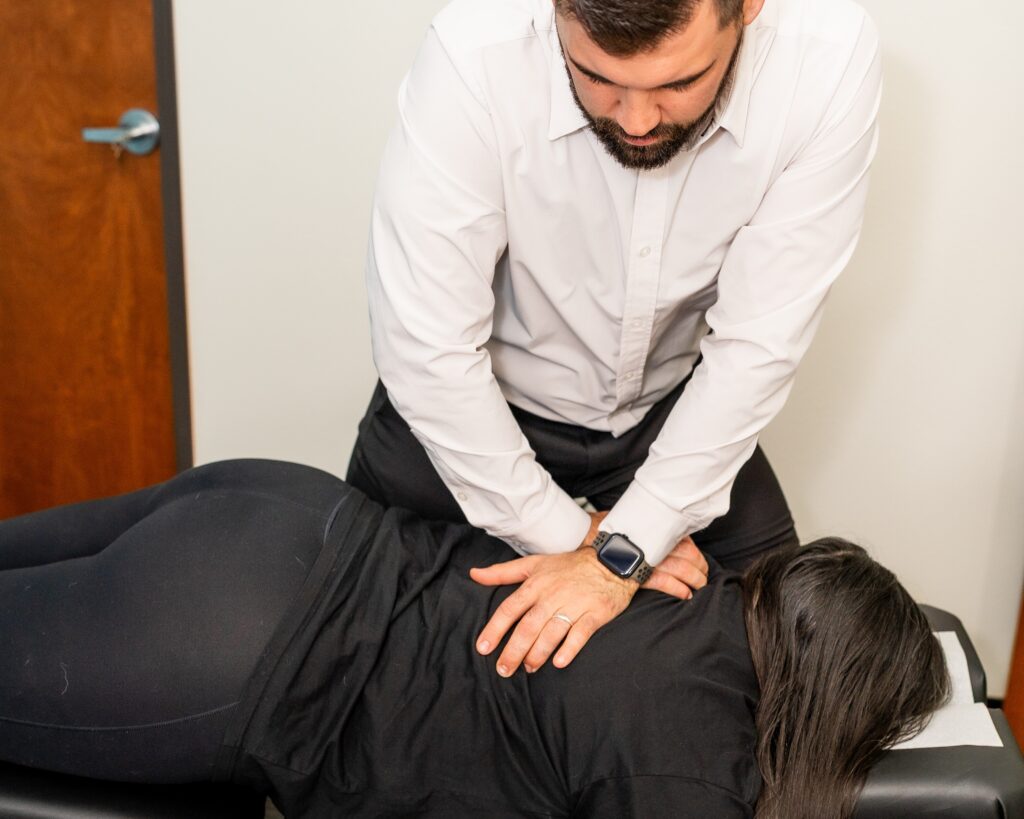
As your local chiropractor, I want to emphasize the importance of long-term solutions for relieving back pain rather than relying on quick fixes. Many patients find that understanding the root causes of their discomfort is just the starting point of their healing journey. By addressing key factors such as posture, physical activity, and nutrition, we can work together to pave the way for genuine relief.
So, what specific strategies can you implement to achieve lasting comfort? Let’s delve into a few options that can make a significant difference in your overall well-being. Through tailored chiropractic adjustments, we can help realign your spine, which is crucial for optimal function. Additionally, I encourage incorporating regular exercise and stretches into your routine to strengthen the muscles that support your back.
Don’t overlook the impact of nutrition either—eating a balanced diet can reduce inflammation and support your body’s healing processes. Together, we can develop a personalized plan that addresses these key areas, empowering you to take control of your back health and achieve lasting relief.
Understanding the Root Causes of Back Pain
As your local chiropractor, I want to help you understand the various factors that can contribute to back pain and how we can address them through natural healing methods.
One prevalent cause of back pain is muscle strain, which often occurs due to heavy lifting or sudden awkward movements. This is something many of my patients encounter.
Another issue we see is related to herniated discs, where the cushioning between your vertebrae becomes damaged and can press on surrounding nerves, causing discomfort.
It’s important to recognize that poor physical conditioning can worsen your back pain. Weak core muscles struggle to provide adequate support for your spine, making it more vulnerable to injury.
Age is also a significant factor; as we grow older, our spine undergoes natural changes that can lead to chronic pain. Conditions such as arthritis or scoliosis can complicate our back health even further.
Lifestyle choices play a crucial role as well. A sedentary lifestyle, excess weight, or smoking can increase your risk of back pain.
By understanding these root causes, we can work together to implement proactive steps for relief and prevention.
Through chiropractic care, we can help align your spine, strengthen your core, and promote overall wellness—empowering you to live a healthier, pain-free life.
The Importance of Posture and Ergonomics
As a local chiropractor, I want to emphasize how crucial your posture and workspace setup are for preventing back pain.
Many people underestimate the impact of good posture and an ergonomic environment on their spinal health. By prioritizing these factors, you can significantly reduce the strain on your back and improve your overall well-being.
Additionally, I encourage you to incorporate regular stretching and movement into your daily routine. These practices not only enhance your comfort but also promote better mobility, which is vital for maintaining a healthy spine.
Ergonomic Workspace Setup
As a chiropractor, I often see the effects of poor workspace ergonomics on my patients. In today’s fast-paced work environment, it’s vital to understand how an ergonomic workspace can significantly impact your comfort and overall health. You may not realize it, but the way you set up your desk can lead to discomfort and even chronic pain over time.
First, let’s talk about your chair. It’s essential to adjust it so that your feet rest flat on the floor and your knees are aligned with your hips. This simple adjustment can help maintain proper posture and reduce strain on your back.
Next, consider your computer monitor: it should be at eye level, about an arm’s length away. This positioning helps to prevent neck strain, which is a common complaint I encounter among patients.
Additionally, keep items you use frequently within easy reach to minimize unnecessary stretching, which can lead to muscle tension and discomfort.
And remember, it’s important to take regular breaks. Stand up, stretch, or take a short walk to relieve tension and improve circulation.
By investing a little time in creating an ergonomic workspace, you’re not only enhancing your comfort but also taking important steps toward your long-term health and well-being.
As a chiropractor, I encourage you to consider these adjustments as part of a holistic approach to maintaining a healthy lifestyle.
Importance of Good Posture
As a local chiropractor, I want to emphasize the importance of maintaining good posture in your daily life, especially in relation to your overall well-being.
While creating an ergonomic workspace is a crucial first step, it’s equally important to adopt proper posture habits throughout your day. When you sit or stand with correct alignment, you significantly reduce strain on your muscles and spine, which can help alleviate discomfort and prevent injuries.
Good posture allows your body to function optimally. It promotes ideal circulation, which in turn reduces fatigue and enhances your energy levels.
I encourage you to be mindful of your posture—keep your shoulders relaxed, your feet flat on the floor, and your screen at eye level. It’s easy to neglect posture, particularly during long hours of work, but making a conscious effort can lead to improved productivity and less pain.
By prioritizing good posture now, you’re not just addressing immediate discomfort; you’re also laying the groundwork for a healthier, more comfortable future.
Stretching and Movement Tips
As a chiropractor, I want to emphasize the importance of incorporating regular stretching and movement into your daily routine for better posture and overall health. Simple stretches, such as neck rolls and shoulder shrugs, can help release tension and realign your spine, which is crucial for maintaining a healthy musculoskeletal system.
I encourage you to take short breaks throughout your day to stand up, stretch, and walk around. This practice not only prevents stiffness but also promotes better blood circulation, which is essential for your body’s healing processes.
Pay attention to your posture while sitting. I recommend using an ergonomic chair and ensuring your feet are flat on the floor. When working at a desk, position your computer screen at eye level to avoid straining your neck.
Incorporating Regular Physical Activity
As a local chiropractor, I understand that many individuals hesitate to engage in physical activity due to concerns about back pain. However, it’s crucial to recognize that staying active isn’t only beneficial for relief but also a key component in preventing future issues. Regular exercise can significantly strengthen the muscles surrounding your spine, reducing your risk of injury.
I recommend starting with low-impact activities such as walking, swimming, or cycling. These exercises can enhance your endurance while minimizing strain on your back. Aim for at least 150 minutes of moderate aerobic activity each week. You can break this down into smaller, manageable sessions throughout the week—there’s no need to do it all in one go. Even brief periods of activity can lead to positive changes.
It’s essential to listen to your body; if you experience pain, don’t push through it. Instead, gradually increase your activity level as you grow more comfortable.
By incorporating physical activity into your daily life, you not only help alleviate existing discomfort but also promote long-term health benefits. This will help ensure your back remains strong and resilient, contributing to your overall well-being.
Stretching and Strengthening Exercises for Back Support
As a local chiropractor, I want to emphasize the importance of core stability for maintaining a healthy back. Many people may not realize how much targeted stretching and progressive strength-building exercises can contribute to overall back support.
By incorporating these practices into your daily routine, you can significantly reduce discomfort and enhance your back’s resilience.
Let’s discuss some effective exercises that not only strengthen your core but also promote flexibility. These techniques can play a crucial role in helping you achieve a pain-free back and improve your overall well-being.
Importance of Core Stability
As a local chiropractor, I want to emphasize the importance of core stability in maintaining a healthy back. Your core muscles play a critical role in supporting your spine and preventing injuries. When you work on strengthening your core, you’re essentially building a solid foundation that stabilizes your entire body during everyday activities and exercise.
This added stability helps to reduce strain on your back and promotes proper posture, which is essential for overall spine health.
Incorporating specific exercises, such as planks and bridges, into your routine can significantly enhance your core strength and improve your balance. It’s important to remember that a strong core isn’t just beneficial for relieving back pain; it also contributes to improved athletic performance and better functionality in daily tasks.
By prioritizing core stability, you’re making a valuable investment in your long-term health and comfort. This focus will make it easier for you to stay active and enjoy life without the burden of back pain.
If you have questions about exercises or how to get started, don’t hesitate to reach out; I’m here to help guide you on your journey to better health through natural healing and chiropractic care.
Targeted Stretching Techniques
As your local chiropractor, I want to emphasize that building a strong core is just one part of achieving a healthy back. To truly support your spine, we can incorporate targeted stretching techniques that enhance both stability and flexibility.
Simple stretches like the cat-cow pose, child’s pose, and gentle spinal twists can work wonders to lengthen tight muscles and improve your overall range of motion.
It’s essential to pay attention to key areas like your hamstrings, hip flexors, and lower back, as these regions often carry the most tension. Additionally, standing side bends and seated forward folds can provide relief from discomfort and promote better posture.
When you engage in these stretches, aim to hold each position for at least 20-30 seconds, all while taking deep breaths to aid in relaxation.
By regularly integrating these targeted stretches into your routine, you can significantly reduce tightness and discomfort, allowing you to move more freely and confidently throughout your day.
I encourage you to prioritize these techniques not only for immediate relief but for lasting support for your back health. Together, we can work towards a more balanced and pain-free lifestyle.
Progressive Strength Building
As a local chiropractor, I want to emphasize the importance of both targeted stretching and progressive strength building for maintaining a healthy back. While stretching helps improve flexibility and relieve tension, strengthening the muscles that support your spine is equally crucial for preventing injuries and promoting overall spinal health.
I encourage my patients to engage in exercises that gradually increase in intensity. This means starting with fundamental movements like bridges and planks, and as you grow stronger, incorporating more resistance or more complex exercises.
It’s vital to focus on your core, glutes, and back muscles, as these areas are essential for maintaining proper posture and spinal alignment.
Consistency is key in this journey—aim for at least two to three sessions each week. Over time, you’ll likely notice a significant improvement in your strength and a reduction in back pain, which can greatly enhance your overall quality of life.
Nutrition and Hydration for Spine Health
As a local chiropractor, I want to emphasize the critical role that nutrition and hydration play in maintaining a healthy spine. Many people are unaware that what we eat and drink can significantly impact our spinal health. A well-balanced diet, abundant in essential vitamins and minerals, is vital for strong bones and overall spinal function.
To support your spine, focus on incorporating calcium-rich foods into your meals. Dairy products and leafy greens are excellent sources that can help strengthen your bones. Additionally, consider adding anti-inflammatory foods to your diet, such as fatty fish, nuts, and berries. These foods not only help reduce pain but also promote healing within your body.
Hydration is equally important for spinal health. Drinking enough water is crucial for maintaining the elasticity of your spinal discs, which cushion your vertebrae and enhance mobility. I recommend aiming for at least eight glasses of water each day, but be sure to adjust this based on your activity level and individual needs.
Don’t overlook the benefits of healthy fats, as they play a significant role in joint lubrication. Avocados, olive oil, and fatty fish are excellent sources of omega-3 fatty acids, which can support your joints and overall spinal health.
Exploring Alternative Therapies and Mindfulness Techniques
As a local chiropractor, I want to introduce you to the benefits of chiropractic care and other natural healing techniques for relieving back pain. Many people are unaware of how effective treatments like chiropractic adjustments, acupuncture, and massage therapy can be in alleviating discomfort.
By focusing on spinal alignment and muscle tension, these therapies can provide significant relief and enhance your overall well-being.
In addition to chiropractic adjustments, incorporating mindfulness practices such as meditation and yoga can play a crucial role in your recovery. These techniques foster relaxation, improve flexibility, and strengthen your body.
By learning to focus on your breath and be present, you can effectively reduce the stress and tension that often contribute to back pain.
I encourage you to discuss with me how we can integrate these alternative therapies into your treatment plan. With a combination of chiropractic care and holistic practices, you can experience a notable improvement in your quality of life.
Conclusion
As your local chiropractor, I want to share how embracing a holistic approach to back pain relief can lead to long-lasting improvements in your health and overall well-being. It’s essential to focus on maintaining good posture, which can significantly reduce strain on your back. Regular exercise is also crucial; it helps strengthen the muscles that support your spine and improve flexibility.
In addition to these practices, a balanced diet plays a vital role in your recovery. Nourishing your body with the right nutrients can enhance your healing process. Don’t overlook the importance of stretching and strengthening your back muscles—these activities can help prevent future pain.
I also encourage you to explore alternative therapies, such as chiropractic adjustments, which can help realign your spine and relieve tension. Mindfulness techniques, like meditation or yoga, can further enhance your recovery by promoting relaxation and reducing stress.
With dedication and consistency to these practices, you can not only alleviate your discomfort but also enhance your overall quality of life. Let’s work together on this journey—take the first step toward a healthier back today!