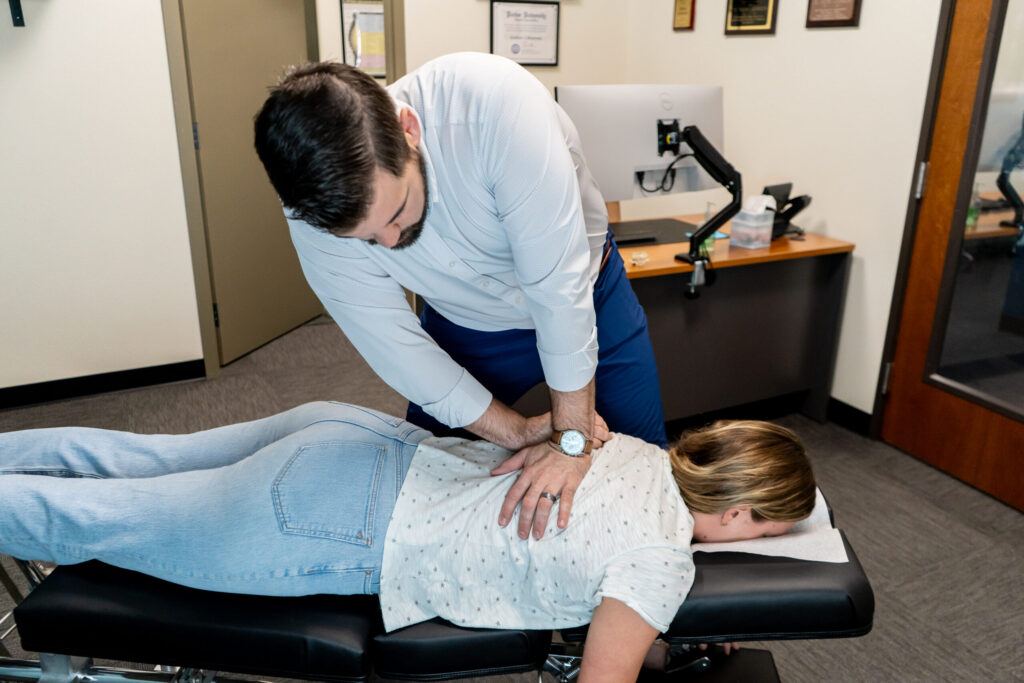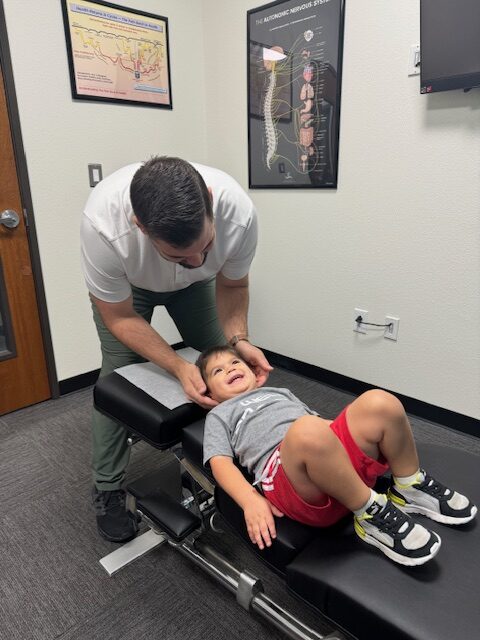

As a local chiropractor, I understand that facing a sports injury can be a daunting experience. Many people feel overwhelmed by the recovery process and may not be aware of the benefits that a natural approach can offer. Embracing natural healing methods can significantly enhance your recovery journey. By emphasizing nutrition, gentle movement, and mindfulness, you can develop a holistic recovery plan that supports both your body and mind.
So, what specific strategies can you incorporate to maximize your recovery potential? Here are a few techniques that I encourage my patients to explore:
- Nutrition: Proper nourishment is crucial for healing. Focus on a balanced diet rich in anti-inflammatory foods, vitamins, and minerals to support tissue repair and reduce inflammation.
- Gentle Movement: While it may be tempting to rest completely, incorporating gentle movements or stretches can promote blood flow and flexibility, aiding in your recovery. Activities like yoga or light walking can be beneficial.
- Mindfulness Practices: Stress can hinder the healing process. Techniques such as meditation or deep breathing exercises can help you manage stress and improve your overall well-being.
By considering these strategies and incorporating them into your recovery plan, you may find that your healing experience becomes more effective and fulfilling. If you have any questions or would like to learn more about how chiropractic care can assist in your recovery, please feel free to reach out. Together, we can work towards optimizing your healing journey naturally.
Understanding Sports Injuries
As a local chiropractor, I want to emphasize the importance of understanding sports injuries and their impact on your overall health and performance. Whether you're an occasional player or a dedicated athlete, injuries can occur unexpectedly, disrupting your daily activities and limiting your aspirations. Gaining knowledge about various types of injuries can empower you to recognize early symptoms and seek the right natural treatment options.
In my practice, I frequently encounter common injuries such as sprains, strains, and fractures. A sprain involves the stretching or tearing of ligaments, often seen in the ankle or knee. Strains, however, affect muscles or tendons and are typically caused by overexertion or improper movement. Fractures are more serious, indicating a break in the bone that usually requires urgent care.
Being aware of the signs of these injuries is crucial for your well-being. Symptoms like pain, swelling, and reduced mobility are key indicators that something may be wrong. Ignoring these signs can exacerbate the injury, resulting in a longer and more challenging recovery process. It's essential to listen to your body and allow yourself the necessary time to heal.
Moreover, understanding how your body functions can significantly aid in preventing injuries altogether. Engaging in proper warm-ups and cool-downs, as well as utilizing safe techniques, can substantially lower your risk of injury.
I encourage you to pay close attention to your posture and movement patterns during physical activities. By taking a proactive approach and being informed, you can enhance your athletic performance while minimizing the risk of setbacks due to injuries.
As your chiropractor, I'm here to guide you on your journey toward natural healing and optimal health. Together, we can develop strategies that support your body's health and help you thrive in your physical pursuits.
Importance of Nutrition
As a local chiropractor, I want to emphasize the crucial role that nutrition plays in your recovery from a sports injury.
When you sustain an injury, your body requires essential nutrients to aid in tissue repair and healing. Proper hydration is equally important, as it can significantly influence how quickly you recover.
Additionally, being mindful of when you eat can optimize the benefits of your meals, helping you return to your favorite activities sooner.
Essential Nutrients for Healing
As a local chiropractor, I want to emphasize the critical role that nutrition plays in your recovery from sports injuries. Many people underestimate how much the right nutrients can enhance your healing process. By focusing on proper nutrition, you can significantly speed up your recovery.
First and foremost, protein is crucial for repairing tissues and rebuilding muscles. I recommend incorporating sources like lean meats, fish, eggs, beans, and nuts into your meals. This will ensure your body has the building blocks it needs to heal effectively.
It's also important to pay attention to vitamins and minerals. For instance, Vitamin C is vital for collagen production, which is essential for repairing tissues and bones. You can find plenty of Vitamin C in citrus fruits, strawberries, and leafy greens.
Additionally, Vitamin D and calcium work together to keep your bones strong, so I encourage you to include dairy products or fortified foods in your diet, or to consider supplements if needed.
Another key nutrient to focus on is Omega-3 fatty acids. These are well-known for their ability to reduce inflammation and promote healing. Fatty fish like salmon and nuts such as walnuts are great sources of Omega-3s.
Lastly, don't forget about the benefits of whole grains and a variety of colorful fruits and vegetables. These foods are packed with antioxidants, which help combat oxidative stress and further support your recovery journey.
Hydration's Role in Recovery
As a local chiropractor, I want to emphasize the critical role hydration plays in your recovery process. While proper nutrition is essential, staying adequately hydrated is equally important for your body's healing capabilities.
Water acts as a transport system, delivering vital nutrients to your injured tissues and helping to eliminate toxins that could impede your recovery. When you're not drinking enough fluids, your body has a harder time repairing itself, which can extend your recovery time.
I encourage you to make hydration a priority in your daily routine. A good rule of thumb is to aim for at least half your body weight in ounces of water each day, and remember to adjust this based on your activity level and environmental conditions.
If you find yourself sweating more, consider incorporating electrolyte-rich beverages to help replenish the minerals lost through perspiration.
It's important to note that even mild dehydration can lead to feelings of fatigue and reduced performance. So, pay attention to your body—if you feel thirsty, take it as a sign to hydrate! Keeping a water bottle with you can serve as a helpful reminder to sip throughout the day.
Additionally, don't forget about hydrating foods like fruits and vegetables, which can also contribute to your overall fluid intake.
By prioritizing hydration, you're not just supporting your recovery; you're also setting the stage to get back to your activities stronger and faster.
Meal Timing Strategies
As a local chiropractor dedicated to helping our patients recover from sports injuries, I want to emphasize the importance of meal timing in your healing journey. The timing of your nutrient intake is just as crucial as the quality of the food you consume.
After a workout or a rehabilitation session, it's vital to eat a balanced meal within an hour. This time frame is key for replenishing glycogen stores and kickstarting the muscle repair process.
Instead of eating large meals a few times a day, I recommend smaller, more frequent meals. This approach helps maintain steady energy levels and ensures your body has a consistent supply of nutrients to aid in healing.
Remember, protein is your ally in recovery, so aim to include it in every meal. Carbohydrates also play an essential role in your recovery. Consuming complex carbs around your workout can provide the energy you need, while simple carbs post-workout can facilitate quicker recovery.
Lastly, it's important to avoid skipping meals or going too long without eating, as this can hinder your recovery process and lead to fatigue.
Herbal Remedies for Healing
As a local chiropractor, I often emphasize the importance of natural healing methods, especially when it comes to supporting recovery from injuries. Many athletes and active individuals have found that incorporating herbal remedies into their recovery routines can significantly enhance their healing process.
Let me share some effective options that you might consider.
One of the most potent anti-inflammatory herbs is turmeric. It contains curcumin, which has been shown to help alleviate pain and reduce swelling. You can easily add turmeric to your meals, or if you prefer, take it in supplement form for convenience.
Another valuable herb is ginger, which is well-known for its anti-inflammatory properties. You can brew a soothing cup of ginger tea or include it in your cooking to help ease discomfort and promote recovery.
If you're experiencing soreness, willow bark might be just what you need. Often referred to as "nature's aspirin," it can provide effective pain relief. You can find it in various forms, including tea or capsules, making it easy to incorporate into your routine.
For those dealing with bruising, arnica is a fantastic choice. Applying arnica gel or cream can help reduce swelling and support your body's healing process.
Don't forget about cayenne pepper, either. It contains capsaicin, which can provide relief when applied topically. Just remember to test a small area first to ensure your skin can handle it.
Lastly, I recommend chamomile. Known for its calming effects, chamomile can help soothe both your mind and body, reducing stress during your recovery.
By integrating these herbal remedies into your recovery journey, you can assist your body's natural healing processes and complement the chiropractic care you receive.
If you have any questions about how these remedies can fit into your recovery plan, feel free to ask during your next visit!
Gentle Movement Practices
As a local chiropractor, I want to emphasize the importance of gentle movement for your recovery from sports injuries. Engaging in gentle exercises not only helps you maintain mobility but also significantly promotes the healing process.
By incorporating these recommended movements into your daily routine, you can support your recovery journey effectively. Consistency is key; by sticking to these gentle practices, you'll not only enhance your overall well-being but also expedite your return to the sports and activities you love.
Importance of Gentle Movement
As a local chiropractor, I want to emphasize the crucial role that gentle movement plays in your recovery from sports injuries. It's important to approach this process with mindfulness and care.
Gentle movement isn't just about staying active; it's about nurturing your body as it heals. By incorporating gentle movements into your routine, you can maintain flexibility, enhance circulation, and promote healing without putting additional strain on your injured areas.
Remember, listening to your body and respecting its limits is key during this recovery journey.
Here are three important benefits of integrating gentle movement into your recovery plan:
- Reduces Muscle Stiffness: Gentle movements are effective in preventing your muscles and joints from becoming stiff, which is essential for a smoother recovery. Simple stretching or light activities can help you maintain your range of motion, making it easier to regain your strength.
- Boosts Blood Flow: Participating in gentle activities can significantly improve your blood circulation, ensuring that vital nutrients and oxygen reach the injured areas. This enhanced blood flow is crucial for accelerating the healing process, allowing your body to repair itself more effectively.
- Enhances Mental Well-being: Don't underestimate the mental benefits of gentle movement. Engaging in light activity can elevate your mood, reduce stress and anxiety, and help you maintain a positive outlook during your recovery. This holistic approach not only aids physical healing but also supports your emotional well-being.
Incorporating gentle movement into your recovery routine is a natural and effective strategy that aligns with the principles of chiropractic care. Your body is designed to heal itself, and gentle movement is a powerful tool in that process.
Recommended Gentle Exercises
As a local chiropractor, I want to emphasize the importance of incorporating gentle exercises into your recovery plan after a sports injury. These exercises can significantly enhance your healing process and promote overall well-being.
Start with basic stretching routines to improve flexibility and alleviate stiffness. It's essential to focus on gentle movements that specifically target the injured area without applying excessive strain. For example, if you've sustained a knee injury, seated leg extensions or gentle hamstring stretches can be very beneficial.
Low-impact activities such as swimming or cycling are also excellent choices. Not only do they help maintain your cardiovascular fitness, but they're also easy on your joints, which is vital during your recovery. These activities promote blood circulation, which is crucial for healing.
Incorporating yoga into your routine can be incredibly advantageous as well. Gentle yoga poses not only enhance your balance and coordination but also strengthen your body and promote relaxation. Always pay attention to your body's signals and avoid any movements that induce pain.
Additionally, core strengthening exercises, such as pelvic tilts or modified planks, are invaluable during recovery. These exercises help stabilize your core, providing better support for the injured area and facilitating a smoother healing process.
Before embarking on this journey, I strongly recommend consulting with a healthcare professional, such as myself. I can guide you on which gentle exercises are most appropriate for your specific injury, ensuring that your recovery is both safe and effective.
Benefits of Consistency
As a local chiropractor, I want to emphasize the importance of consistency in your gentle exercise routine, especially when recovering from a sports injury. Committing to regular movement can significantly enhance your healing process and help prevent future injuries.
Here are three key benefits of maintaining consistency in your gentle movement practices:
- Improved Mobility: Engaging in regular gentle exercises can greatly promote flexibility and range of motion. This allows your body to regain strength and function more efficiently. The more consistently you move, the more noticeable your improvements will be.
- Pain Management: Gentle movement plays a vital role in stimulating blood flow, which can help reduce inflammation and alleviate pain. By staying active, you're not just remaining idle; you're actively managing your discomfort and supporting your recovery.
- Mental Resilience: Consistency in your exercise routine fosters a sense of accomplishment and boosts your confidence. Witnessing your progress encourages you to remain committed to your recovery journey, creating a positive cycle that supports both your physical and mental well-being.
Incorporating these gentle exercises into your daily routine isn't solely about physical healing; it's also about nurturing your overall health.
Mindfulness and Stress Relief
As a local chiropractor, I want to share the important role mindfulness can play in your recovery from sports injuries. It's not just about physical healing; your mental state is vital too. By embracing mindfulness, you can build mental resilience and effectively reduce stress, which are both crucial for a comprehensive recovery process.
When you practice mindfulness, you learn to concentrate on the present moment. This focus can significantly alleviate anxiety and help you navigate the emotional hurdles that often accompany injury. With a clear mind, you can maintain a positive outlook and stay actively engaged in your healing journey.
Incorporating mindfulness techniques into your daily routine can be straightforward and beneficial. For instance, start with deep breathing exercises. Simply close your eyes, inhale deeply through your nose, and exhale slowly through your mouth. Even a few minutes of this practice can calm your mind and diminish tension.
You might also want to explore guided meditation apps that offer specific mindfulness practices geared towards injury recovery. Yoga is another excellent way to integrate mindfulness into your routine. Gentle stretches not only improve flexibility but also encourage relaxation and stress relief.
As you transition through each pose, pay attention to your breath and the sensations in your body. This connection enhances your body awareness, allowing you to identify areas of tension or discomfort that may need attention.
Additionally, journaling can serve as a powerful mindfulness tool. Take the time to write about your feelings related to your injury, track your recovery progress, or express gratitude for the small victories along the way. This reflective practice can provide valuable insights and foster a more positive mindset as you navigate the challenges of healing.
As your chiropractor, I encourage you to embrace these mindfulness practices alongside your chiropractic care. Together, we can create a holistic approach to your recovery that addresses both your physical and mental well-being.
Hydration and Recovery
As a local chiropractor, I want to emphasize the crucial role that proper hydration plays in your recovery from sports injuries. When you're adequately hydrated, your muscles and tissues can function optimally, which can significantly accelerate your healing process. Conversely, dehydration can lead to issues like cramps, fatigue, and extended recovery times, making it vital to drink enough fluids throughout the day.
Here are three essential reasons why staying hydrated is important for your recovery:
- Nutrient Transport: Water is fundamental in transporting essential nutrients and oxygen to your cells. This process aids in repairing damaged tissues and reducing inflammation, both of which are critical for healing effectively.
- Joint Lubrication: Hydration is key to keeping your joints lubricated, particularly after an injury. Well-lubricated joints allow for better movement and decrease the risk of further injury, which is something I often see in patients who overlook hydration.
- Temperature Regulation: Maintaining proper hydration helps regulate your body temperature during recovery. This is especially important if you're engaging in light exercises or rehabilitation, as overheating can impede your progress and recovery.
To ensure you're consuming enough fluids, I recommend drinking water consistently throughout the day, rather than just when you feel thirsty. Additionally, consider incorporating electrolyte-rich drinks if you're sweating during your recovery exercises.
Sleep and Healing Processes
As a local chiropractor dedicated to your health and recovery, I want to emphasize the critical role that sleep plays in healing your body, especially when recovering from sports injuries.
Quality sleep isn't just a luxury; it's essential for your body's ability to repair itself and reduce inflammation. During sleep, your body releases growth hormones that are crucial for muscle recovery and tissue regeneration. This means that the more restful and restorative your sleep, the more efficiently your body can heal itself.
You may not be aware, but sleep deprivation can significantly impede your recovery process. If you're not getting enough sleep, you may find that your healing time is extended, leaving you feeling more fatigued and less motivated to engage in rehabilitation exercises.
Additionally, a lack of sufficient sleep can weaken your immune system, increasing your susceptibility to infections and potential setbacks in your recovery journey.
To harness the healing benefits of sleep, I recommend aiming for 7-9 hours of quality rest each night. Establishing a consistent sleep schedule can help regulate your body's internal clock, making it easier to fall asleep and wake up feeling refreshed.
Creating a calming bedtime routine, whether that involves reading a book or practicing gentle stretches, can signal to your body that it's time to relax and prepare for sleep.
Moreover, it's important to make your sleep environment as restful as possible. Keep your bedroom dark, cool, and quiet to promote better sleep quality. Limiting screen time before bed is also crucial, as the blue light emitted by devices can interfere with the production of melatonin, the hormone that helps regulate sleep.
In summary, prioritizing sleep is a vital part of your recovery process. By focusing on getting the rest you need, you're giving your body the best opportunity to heal and return to the activities you love.
If you have any questions about how chiropractic care can further support your recovery, feel free to reach out!
Creating a Recovery Plan
After ensuring you get adequate sleep, the next step in your recovery journey is creating a comprehensive recovery plan tailored to your needs.
As a chiropractor, I believe a well-structured plan not only helps you stay organized but also keeps you motivated throughout the healing process.
Here's how you can effectively structure your recovery plan:
1. Set Clear Goals: It's essential to define what you want to achieve through your recovery.
Whether your aim is to regain full mobility, alleviate pain, or return to your favorite activities, having specific and measurable goals gives you a clear direction to work towards.
2. Incorporate a Balanced Routine: Your recovery plan should encompass a blend of chiropractic adjustments, physical therapy exercises, rest days, and proper nutrition.
I recommend consulting with me or another healthcare professional to create a routine that suits your injury and current fitness level.
Remember, consistency is crucial; try to adhere to your schedule as closely as possible to see the best results.
3. Track Your Progress: Keeping a recovery journal can be incredibly beneficial.
Document your daily activities, pain levels, and overall feelings—both physically and mentally.
This practice not only helps in identifying what works best for you but also boosts your morale as you witness your improvements over time.
Conclusion
As a local chiropractor, I want to share how a holistic approach to sports injury recovery can greatly enhance your healing process. It's important to understand that recovery isn't just about treating the injury itself; it involves supporting your entire body and mind.
Focusing on proper nutrition is vital; the right foods can aid in healing and reduce inflammation. Gentle movement is equally crucial—exercises tailored to your condition can promote circulation and flexibility without causing further strain. Additionally, incorporating mindfulness practices can help alleviate stress and improve your overall well-being during recovery.
Don't forget the basics: staying hydrated and getting enough sleep are essential components of an effective recovery plan. Both hydration and rest play significant roles in your body's ability to heal and rejuvenate.
By embracing this balanced approach, you'll not only enhance your recovery but also prepare yourself to return to your favorite activities with greater strength and resilience. As your chiropractor, I'm here to guide you through this journey toward revitalization and natural healing.